
 プレビュー
プレビュー
 シェアする
シェアする シェアする
シェアする
 詳細を見る
詳細を見る

 ダウンロード
 似ている作品
 X線調査
X線調査 スライドショー
 Stats
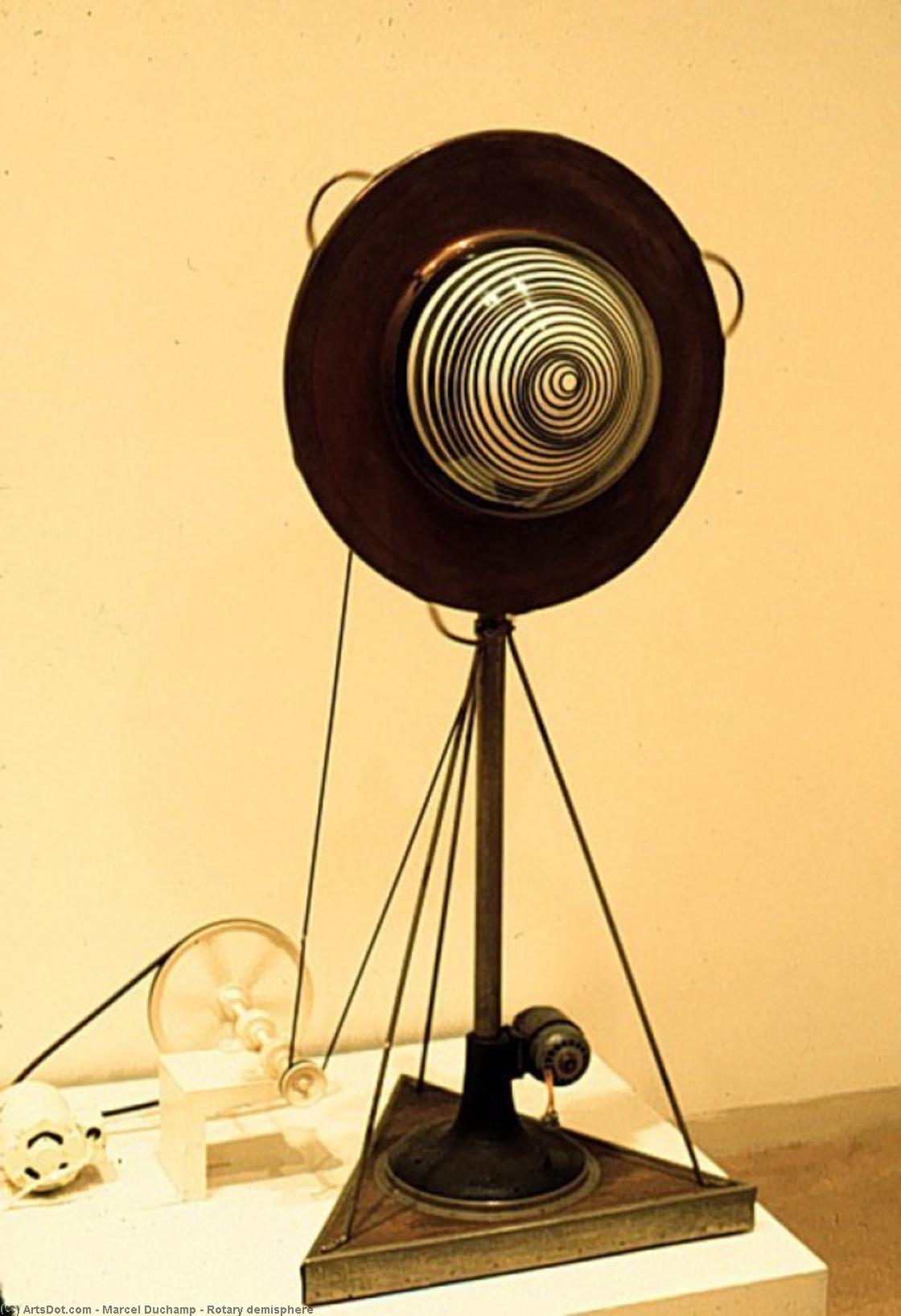
StatsRotary demisphere


 詳細を見る
詳細を見る
ジークレー/アートプリント
迅速な制作と多彩な仕上げオプションを備えた、ミュージアムクオリティのジークレーまたはキャンバスプリント。 ( 手描きの絵画を購入 Switch to Digital Image)




P118B $10

P118H $10

P118W $10

P438Z $10

P508JH $12

P508YH $12

P805H $10

P805Z $10

P919BZ $10

P919G $10

P919XJ $10

P959ZH $10

P968JZ $12

W106C $8

W218G $10

W218JH $8

W218Y $10

W307PJ $10

W316G $10

W316PJ $8

W316Y $10

W398PJ $8

W4111J $10

W500HY $15

W500JH $15

W692G $12

W849H $8

W940BG $15

W953PJ $8




作品のオリジナル比率に合わせた、当店の規定サイズからお選びください。

特定のフレームやスペースに合わせて、ご自身でサイズを指定することも可能です。選択されたサイズが元の画像の比率と一致しない場合、作品をトリミングするか、鏡面反射または単色での塗りつぶしによって画像を拡張いたします。制作を開始する前に、ご確認用のデジタルモックアップをお送りいたします。
画面上のプレビューには、実際のトリミングや拡張は反映されませんのでご注意ください。最終的な構図を正確に確認できるのは、モックアップのみとなります。
カスタムサイズも承っておりますが、元の比率を維持するためには、あらかじめ用意されたリストからサイズを選択することをお勧めいたします。


 ガラスオプションは、110cm未満のサイズでのみご利用いただけます。

Rotary demisphere
ジークレー/アートプリント
複製画のサイズ
-


合計金額
$ 80
The Enigmatic Geometry of Rotary Demisphere
Marcel Duchamp’s Rotary Demisphere, created in 1925, isn't merely a painting; it’s an invitation to dismantle the very foundations of visual perception. This remarkable work, rendered in papier-mâché and meticulously assembled, transcends the boundaries of traditional art by challenging our ingrained assumptions about representation and spatial relationships. The piece immediately commands attention with its arresting circular form – a large, metallic demisphere reminiscent of an antique fan or perhaps a forgotten light fixture. However, it’s not the object itself that holds the primary intrigue, but rather the dynamic illusion it generates when rotated.
The photograph captures a moment frozen in time, revealing a complex interplay of elements. A clock, subtly positioned near the top left corner, and another clock towards the bottom right, serve as anchors within this shifting landscape, grounding the viewer while simultaneously emphasizing the work’s temporal dimension. Two small figures, their identities deliberately ambiguous, are nestled amongst the machinery – they could be observers, participants in a silent performance, or perhaps simply symbolic representations of the human experience caught within the mechanics of perception. Duchamp masterfully employs a copper collar and plexiglass dome to contain and amplify this visual effect, creating a contained spectacle that draws the eye into its mesmerizing spiral.
Dadaism’s Challenge to Artistic Conventions
Rotary Demisphere is deeply rooted in the spirit of Dadaism, the anti-art movement that emerged during World War I. Duchamp, along with fellow Dadaists, sought to reject established artistic norms and challenge the very definition of art itself. Rather than aiming for aesthetic beauty or skillful execution, they prioritized conceptual ideas and explored the role of chance, absurdity, and critique. This piece embodies this ethos perfectly – it’s not about creating a visually pleasing image but about provoking thought and disrupting conventional ways of seeing. Duchamp's intention wasn’t to depict reality faithfully; instead, he aimed to expose the mechanisms by which our brains construct meaning from sensory input.
The work’s creation coincided with Duchamp’s exploration of optical devices and his fascination with creating illusions. He was deeply interested in how vision operates – not as a passive reception of external stimuli but as an active, interpretive process. As documented in archival audio (available via the MoMA link), Duchamp described the experience of viewing the rotating demisphere: “Vision is produced internally, and what Duchamp is doing with the *Rotary Demisphere* is creating a kind of vision that doesn’t have anything to do with what’s out there in the world.” This statement encapsulates the core of his artistic strategy – to shift the focus from representation to perception itself.
A Testament to Precision and Conceptual Innovation
Despite its seemingly simple form, Rotary Demisphere represents a remarkable feat of engineering and craftsmanship. The intricate arrangement of gears, pulleys, and motors within the copper collar demonstrates Duchamp’s meticulous attention to detail and his willingness to embrace technological innovation as a means of artistic expression. The use of papier-mâché, combined with the polished metal components, creates a fascinating juxtaposition of materials – suggesting a dialogue between industrial precision and handmade artistry.
Furthermore, the inclusion of the engraved French phrase—"Rrose Sélavy et moi esquivons les ecchymoses des esquimaux aux mots exquis"—adds another layer of complexity to the work. This playful pun, referencing Duchamp’s pseudonym Rrose Sélavy and his exploration of language as a tool for subversion, underscores the artist's intellectual rigor and his commitment to challenging established conventions. Rotary Demisphere remains a pivotal work in the history of modern art, a testament to Duchamp’s revolutionary spirit and his enduring influence on generations of artists.
アーティストの略歴
マルセル・デュシャン:芸術の定義を覆した革命家
マルセル・デュシャンは、1887年にノルマンディー地方ブレーヌヴィル=シュル=メールで生まれ、1968年にパリでその生涯を終えたフランス系アメリカ人アーティストです。彼は単なる画家ではありませんでした。むしろ、芸術の概念そのものを問い直し、現代美術の流れを大きく変えた思想的な挑発者だったのです。デュシャンの幼少期は一見すると平凡に見えるかもしれません。芸術を愛する家庭に育ち、兄弟たちはそれぞれ才能あるアーティストとして成功を収めました。しかし、この伝統的な環境の中でさえ、彼は既存の規範を打ち破るような、型破りな才能を秘めていました。デュシャンは当初、伝統的な技法を習得し、印象派以降のスタイルを実験しましたが、それは単なる技術の習得ではなく、芸術の本質、目的、そして定義そのものを問いかけるための基盤となったのです。彼の飽くなき知的探求心こそが、多作なキャリア全体を特徴づけるものとなりました。キュビスムからダダイズムへ:伝統からの脱却
デュシャンの芸術的遍歴は、常に進化し、確立された規範を意図的に放棄するものでした。初期のキュビスムへの関わり(1911年の『チェスプレイヤーの肖像』に見られるように)は、断片化された形態と多角的な視点に対する興味を示唆しており、伝統的な表現からの脱却でした。しかし、彼は単に視覚的要素を再配置するだけでは、彼が抱えるより深い問いに答えることはできないことに気づきました。第一次世界大戦の惨劇は、彼の不満をさらに煽り上げ、論理や理性、そして伝統的な芸術価値観を拒絶する運動であるダダイズムへと導きました。ダダイズムの中でこそ、デュシャンは初めて従来の芸術的概念を根本から覆し始めました。彼は美しいオブジェクトを作り出すことに関心を持っていませんでした。むしろ、思考を刺激し、前提を揺さぶり、美学的な判断の恣意性を暴露することを目的としていたのです。この時期に、彼の最も革新的なアイデアである「レディメイド」が誕生しました。レディメイドと芸術の転覆
レディメイド——日常的で製造されたオブジェクトを選択し、芸術作品として提示する——デュシャンの最も重要な貢献です。これらは単なる偶然の発見物ではありませんでした。むしろ、芸術的な転覆という意図的な行為だったのです。例えば、小便器を『噴水』と名付け、R. Muttという偽名で独立アーティスト展に出品したことで、芸術的技能や作者そのものの定義に挑戦しました。作品は、誰が作ったのか、アーティストの手なのか、それともアイデアなのか?この問いかけこそが彼の実践の中心となり、コンセプトアートの基礎を築いたのです。『L.H.O.O.Q.』(1919年)のような他の著名なレディメイドは、モナ・リザの複製に口ひげと顎髭を描き加えたものであり、芸術史や確立された文化的アイコンに対する遊び心のある、しかし鋭い批判でした。これらの作品は、その美的な品質のために賞賛されることを意図したものではありませんでした。むしろ、議論を巻き起こし、鑑賞者が芸術とは何かという先入観を見直すよう促すことを目的としていたのです。デュシャンは、芸術は目に留まるのではなく、心に宿るべきだと信じていました。遺産と持続的な影響
マルセル・デュシャンの現代美術に対する影響力は計り知れません。彼は芸術の理解を根本的に変え、コンセプトアート、ミニマリズム、ポップアートなど、数多くの運動への道を開きました。アーティストのアイデア——作品背後にある概念——がその美学的な品質よりも重要であるという彼の強調は、今日でもアーティストにインスピレーションを与え続けています。- キュビスム: 形態の断片化と空間表現の初期の研究。
- ダダイズム: 論理や理性、そして伝統的な芸術的価値観を拒絶し、第一次世界大戦への反応として生まれた運動。
- コンセプトアート: 作品の美学的な品質よりも、作品背後にあるアイデアに重点を置く芸術形態。

マルセル・デュシャン
1887 - 1968 , フランス
基本情報
- フルネーム: マルセル・デュシャン
- 主な作品:
- ファウンテン
- L.H.O.O.Q.
- 大きなガラス
- ボワテ・アン・ヴァリーズ
- 出生地: ブロインヴィル=レ=ブーア(フランス)
- 国籍: フランス系アメリカ人
- 影響を与えたアーティストまたは運動:
- 概念美術
- ポップアート
- ミニマルアート
- 死亡年月日: 1968年10月2日
- 生年月日: 1887年7月28日
- 芸術運動またはスタイル:
- キュビスム
- ダダイスム
- 概念美術
関連記事

Bronze Age to Modern Masters: 10 Sculptures That Redefined Art | OriginalUniqueArt
Journey through art history with 10 legendary bronze sculptures – from Michelangelo's David to Rodin’s Thinker. Explore the stories, techniques & timeless beauty of these masterpieces. Find museum-quality reproductions & elevate your home decor on OriginalUniqueArt.com.
Alexander Calder: Kinetic Sculpture, Mobile Art & the Poetics of Chance
Explore the revolutionary world of Alexander Calder's kinetic sculptures & mobiles. Discover insights for collectors, acquisition advice, and the enduring legacy of this modern master. Expert analysis & art valuation.

The Enduring Form: Sculpture Across History, Technique & Emotional Resonance
Explore the rich history of sculpture with OriginalUniqueArt. Discover key techniques, influential artists & investment potential for discerning collectors. Expert insights into valuing and collecting timeless masterpieces.

Bronze Sculptures That Defined Art History | OriginalUniqueArt
Journey through art history with our Top 10 bronze sculptures! Explore masterpieces by Rodin, Michelangelo & more. Discover stories behind iconic statues and find museum-quality reproductions for your home decor at OriginalUniqueArt.com.

The Enduring Form: Exploring Themes & Techniques in Sculpture Across Historical Periods
Explore the rich history of sculpture from ancient masterpieces to contemporary innovations. Discover key techniques, influential artists & investment potential for discerning art collectors.


