

 設置イメージを確認
 送る
送る シェア
シェア
 詳細情報
詳細情報 ガイドを表示

 画像をダウンロード
 似ている作品
 X線調査
X線調査 スライドショー
 統計情報
統計情報Resistance
 Acrylic On Canvas
- WallArt
- Surrealist Expressionism
 1952
1952 168.0 x 103.0 cm
 続きを読む
続きを読む
オンラインプレビューをはるかに凌ぐ、高解像度で鮮明なデジタル画像をご購入いただけます。
各ファイルは、社内の専門家が高度なツールと熟練した手作業によるレタッチを駆使し、細心の注意を払って仕上げています。すべての画像において、卓越した鮮明度、正確な色彩再現性、そして繊細なディテールをお約束いたします。
最終ファイルは、プロフェッショナルな編集・印刷環境ですぐにご利用いただけるよう最適化された状態で、72時間以内にメールにてお届けいたします。これは、一流のデザインスタジオ、出版社、ギャラリーから信頼されているものと同等の品質です。
デジタル画像
個人での鑑賞、印刷、クリエイティブなプロジェクトにご利用いただける高解像度ファイルをダウンロードできます。 ( プリント版に切り替え 手描きの複製画を注文する)
デジタル画像のご注文に付随する特典
プロフェッショナルなデジタル配信を、確かな品質で。
OriginalUniqueArt.com を選ぶことは、単に画像を手に入れることではありません。プロの手によって精密に仕上げられ、満足保証が付いた高品質なデジタルアートワークを受け取ることを意味します。ご注文いただいた際に自動的に付随する内容は、以下の通りです:

メールですぐにお届け
ご注文から72時間以内に、高解像度のデジタル画像ファイルをメールでお送りいたします。お手元に届き次第、すぐにご利用いただけます。

AI技術で最適化されたデジタルファイル
お客様の作品は、高度なAI技術と専門家による手作業を組み合わせてプロフェッショナルに最適化されており、細部のディテール、鮮明さ、そして正確な色再現性を最大限に引き出しています。

一生涯無料の再送サービス
ファイルを誤って削除したり、紛失してしまったりしましたか?ご安心ください。いつでも無料で再送いたします。

輸入手数料は、いつでも一切かかりません
関税や手数料、配送料を気にすることなく、お気に入りのアートワークをすぐにお楽しみいただけます。デジタルダウンロードは常に免税です。

正確な色彩の保証
プロ仕様のツールとカラーマネジメント技術を用いることで、デジタル画像が元の色を最大限に忠実に再現することを保証いたします。

100日間満足保証
ご購入いただいたデジタル画像にご満足いただけない場合は、100日以内であれば、理由を問わず修正または100%の返金対応をさせていただきます。

100% 返金保証
ご満足いただけない場合は、デジタルファイルを受け取ってから100日以内であれば、理由を問わず全額返金いたします。

まとめ買い割引
3枚購入で10%OFF、5枚購入で15%OFF、10枚以上のご購入で20%OFF。クリエイティブなプロジェクトやギャラリー、エージェンシーに最適です。
A Testament to Faith and Fury: Exploring Marc Chagall’s “Resistance”
Marc Chagall's "Resistance," painted in 1952, isn’t merely a depiction of a biblical scene; it’s a visceral embodiment of the anxieties and fervent hopes swirling within Europe at the dawn of the Cold War. This monumental canvas, measuring 168 x 103 cm, immediately commands attention with its dramatic red background – a color historically associated with both sacrifice and revolutionary fervor. Chagall, deeply rooted in his Belarusian Jewish heritage, masterfully blends elements of religious iconography with personal memory and surrealist expression to create an image that resonates far beyond the confines of traditional representation.
The heart of the painting is undeniably the central figure: a towering depiction of Jesus Christ on the cross. However, Chagall doesn’t offer a serene or contemplative portrayal. Instead, he presents a Christ undergoing immense suffering, surrounded not by angels or mourners, but by a chaotic and intensely engaged crowd. This isn't a passive witness to sacrifice; it’s an active participation in a moment of profound significance. The sheer number of individuals – at least fourteen – underscores the scale of this event, suggesting a collective experience, a shared burden of faith and perhaps, a burgeoning resistance against oppression.
The Language of Symbolism: Figures, Horses, and Objects
Chagall’s genius lies in his ability to imbue seemingly simple elements with layers of meaning. The figures surrounding the cross are not simply spectators; they are actively involved, some brandishing swords – a potent symbol of defense and defiance against perceived enemies. The presence of two horses is particularly striking. One positioned near the top left corner, almost hovering above the scene, evokes a sense of divine intervention or perhaps the relentless passage of time. The second horse, located towards the center-right, could represent the forces of chaos and conflict that threaten to overwhelm the figure on the cross. Furthermore, scattered objects – fragments of everyday life – are held by various individuals: a book, a musical instrument, a piece of cloth—each hinting at the diverse facets of human experience converging in this pivotal moment.
The artist’s distinctive technique is immediately apparent. Chagall's signature loose brushstrokes and vibrant color palette contribute to the painting’s dynamic energy. He employs a flattened perspective, characteristic of his style, which emphasizes emotional impact over realistic representation. The figures are often depicted with elongated limbs and simplified features, lending them an almost dreamlike quality. This deliberate distortion further amplifies the painting's surrealist undertones, suggesting that this is not simply a historical event but a symbolic representation of universal struggles.
Historical Context and Chagall’s Vision
Painted in 1952, “Resistance” reflects the post-war anxieties and ideological tensions gripping Europe. The shadow of World War II still loomed large, and the burgeoning Cold War between East and West fueled a climate of fear and uncertainty. Chagall himself had experienced firsthand the horrors of war and persecution, having been briefly imprisoned during the Nazi occupation of Vitebsk. This personal history undoubtedly informed his artistic response to the era’s challenges. The painting can be interpreted as an allegory for the ongoing struggle between good and evil, faith and doubt, freedom and oppression – themes that resonated deeply with audiences at the time.
Beyond its immediate historical context, “Resistance” speaks to a timeless human experience: the confrontation with suffering and the assertion of one’s beliefs in the face of adversity. Chagall's ability to capture this complex interplay of emotions through his distinctive visual language makes "Resistance" not just a painting but a powerful testament to the enduring spirit of humanity. A reproduction of this artwork offers a captivating glimpse into the mind of a visionary artist and a poignant reflection on the challenges of our time.
よくあるご質問
私の部屋には、"Resistance" のどのプリントサイズが適していますか?
Living Roomでは、ResistanceはLargeのプリントサイズでの展示をおすすめします。
「Resistance」はいつ制作されたもので、どの様式(ムーブメント)に属していますか?
「Resistance」は、Surrealist Expressionismの作品として1952年に制作されました。制作年と様式は、美術史におけるこの作品の位置付けを明確にするものです。
マルク・シャガール作「Resistance」のX線画像を見ることはできますか?
マルク・シャガール作「Resistance」のX線ビューは、作品のX線解析ページでご覧いただけます。11層の光学レイヤーを通じて画像をインタラクティブに解析できる、詳細な検証機能です。
アーティスト・プロフィール
夢と色彩の詩人:マルク・シャガールの生涯
マルク・シャガール。その名は、鮮やかな色彩と幻想的なイメージが瞬時に浮かび上がるでしょう。1887年、ベラルーシのヴィテブスク近郊リオーズネ村にモーシェ・シャガルとして生まれた彼は、20世紀を代表する芸術家の一人として、絵画を通して独自の詩の世界を創造しました。彼の作品は、幼少期に育まれたユダヤ教の伝統や民話、そして故郷ヴィテブスクへの深い愛情が色濃く反映されており、現実と夢、記憶と感情が織りなす独特の美学を確立しました。「私は絵を描き終えるとき、自然が作り出したものをそれに当てはめてみます—岩、花、木の枝、あるいは自分の手です。もしその絵が人間の手で作りえないものとならぶことができれば、その絵は本物です。もし二つが衝突すれば、それは悪い芸術です。」シャガール自身の言葉が示すように、彼の作品は、内なる感情と精神性を追求したものであり、単なる現実の模倣を超越した表現を試みたのです。ヴィテブスクとパリ:芸術的探求の旅
幼少期を故郷ヴィテブスクで過ごしたシャガールにとって、その町は単なる生まれ故郷以上の意味を持ちました。それは彼の芸術的な宇宙の中心であり、空中に浮かぶ人物や奇妙な動物たちが住む、記憶に彩られた風景でした。ロシア正教の教会と賑やかなユダヤ人市場が共存するヴィテブスクの多様な文化は、彼独自の美意識を育み、その後の彼の芸術的探求に大きな影響を与えました。サンクトペテルブルクで地元のサイン画家から絵画を学び、その後レオン・バクストの下で研鑽を積んだシャガールは、パリへと旅立ちます。そこで彼は、キュビスムや象徴主義といった当時の最先端の芸術運動に触発されながらも、自身の内なる世界と故郷への想いを融合させた独自のスタイルを確立していきます。初期作品である『私と村』(1911年)は、場所の描写を超え、自己、記憶、そして個人と共同体の関係を探求する試みとして、彼の芸術的才能を示唆しています。革命と流浪:苦難の中で開花する創造性
第一次世界大戦が勃発すると、シャガールは一時的にロシアに留まり、ヴィテブスクで芸術学校を設立するなど、文化的な活動に積極的に参加しました。しかし、ロシア革命後の混乱期には、政治的な抑圧と経済的な困難に直面し、その創造性は試練にさらされます。1923年、彼は再びパリへと旅立ち、国際的な評価を得るようになります。『ヴィテブスクの上空』(1920-1922年)は、故郷への想いが色濃く反映された作品であり、彼の芸術的成熟度を示しています。第二次世界大戦の勃発により、ナチス占領下のフランスからアメリカへと逃れ、7年間をニューヨークで過ごすことになります。この時期は、精神的な苦悩と芸術的な実験が交錯するものであり、『白い十字架』(1938年)に見られるように、彼の作品に深い悲しみと不安の色合いが加わりました。戦後、彼はフランスに戻り、生涯をかけて絵筆を握り続けました。遺産:色彩と夢の普遍的なメッセージ
晩年は、パリ歌劇場天井画(1964年)やエルサレムのハダッサ・ヘブライ大学医学部病院のシナゴーグステンドグラスなど、数々の重要なプロジェクトを完成させます。これらの大規模な作品は、彼の芸術的ビジョンを建築空間に具現化し、見る者を魅了する没入型の環境を作り出しました。シャガールの影響は、シュルレアリスムを含む後世の多くの芸術家に及んでいます。彼は、ヨーロッパの近代主義とユダヤ文化のアイデンティティを結びつけ、「20世紀における最も重要なユダヤ人芸術家」として称賛されています。彼の作品は、愛、記憶、そして人間の想像力の無限の可能性を祝福するものであり、世界中の観客に普遍的なメッセージを伝えています。ヴィースバイエルン州のニースにあるマルク・シャガール美術館は、彼の遺産を称え、彼の作品群を展示しています。彼の鮮やかな色彩と夢のようなイメージは、これからも人々の心に深く刻まれ続けるでしょう。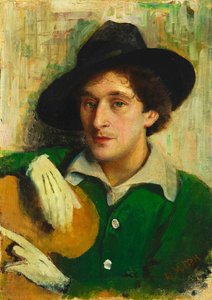
マルク・シャガール
1887 - 1985 , ベラルーシ
略歴
- フルネーム: マルク・シャガール
- 主な作品:
- 私と村
- 白十字架
- イェルサレムの窓
- 出生地: リヴォナ(ベラルーシ)
- 国籍: ロシア、フランス、ユダヤ系
- 影響を与えたアーティスト:
- パブロ・ピカソ
- ジョアン・ミロ
- 影響を受けたアーティスト:
- レオン・バクスト
- ロベルト・デラunay
- 死亡年月日: 1985年3月28日
- 生年月日: 1887年7月6日
- 芸術運動・スタイル: モダニズム、キュビスム、象徴主義