

 プレビュー
プレビュー
 シェアする
シェアする シェアする
シェアする
 詳細を見る
詳細を見る

 ダウンロード
 似ている作品
 X線調査
X線調査 スライドショー
 統計情報
統計情報Paradise
 Acrylic On Canvas
- WallArt
- Surrealist Painting
 1960
1960 52.0 x 38.0 cm
 詳細を見る
詳細を見る
ジークレー/アートプリント
迅速な制作と多彩な仕上げオプションを備えた、ミュージアムクオリティのジークレーまたはキャンバスプリント。 ( 手描きの絵画を購入 デジタル画像販売へ切り替え)




P118B $10

P118H $10

P118W $10

P438Z $10

P508JH $12

P508YH $12

P805H $10

P805Z $10

P919BZ $10

P919G $10

P919XJ $10

P959ZH $10

P968JZ $12

W106C $8

W218G $10

W218JH $8

W218Y $10

W307PJ $10

W316G $10

W316PJ $8

W316Y $10

W398PJ $8

W4111J $10

W500HY $15

W500JH $15

W692G $12

W849H $8

W940BG $15

W953PJ $8




作品のオリジナル比率に合わせた、当店の規定サイズからお選びください。

特定のフレームやスペースに合わせて、ご自身でサイズを指定することも可能です。選択されたサイズが元の画像の比率と一致しない場合、作品をトリミングするか、鏡面反射または単色での塗りつぶしによって画像を拡張いたします。制作を開始する前に、ご確認用のデジタルモックアップをお送りいたします。
画面上のプレビューには、実際のトリミングや拡張は反映されませんのでご注意ください。最終的な構図を正確に確認できるのは、モックアップのみとなります。
カスタムサイズも承っておりますが、元の比率を維持するためには、あらかじめ用意されたリストからサイズを選択することをお勧めいたします。


 ガラスオプションは、110cm未満のサイズでのみご利用いただけます。

Paradise
ジークレー/アートプリント
複製画のサイズ
-


合計金額
$ 80
The Enchanted Orchard: A Window into Chagall's Inner World
Marc Chagall’s “Paradise,” painted in 1961, isn’t merely a depiction of a fruit tree; it’s an immersion into the artist’s deeply personal and profoundly symbolic universe. This vibrant canvas, measuring just 52 x 38 cm, immediately draws the viewer into a world brimming with childlike wonder and a poignant sense of nostalgia. The scene unfolds within a hazy, dreamlike atmosphere – a testament to Chagall's signature style, which seamlessly blends elements of Russian folklore, Jewish tradition, and his own intensely felt memories. The composition is deceptively simple: a woman, her face partially obscured, rests her head against the trunk of an apple tree laden with ripe fruit. Scattered amongst the branches are not just apples, but also figures – some standing, others reclining – creating a tableau that feels both intimate and slightly surreal.
Naive Art and the Language of Emotion
“Paradise” is firmly rooted in the style of naive art, or *art populaire*, a movement characterized by its directness, lack of academic training, and emphasis on emotional expression. Chagall’s use of bold colors – rich greens, vibrant reds, sunny yellows, and deep blues – contributes significantly to this effect. The brushstrokes are loose and expressive, avoiding meticulous detail in favor of conveying feeling. This deliberate simplicity allows the viewer to connect with the painting on a visceral level, bypassing intellectual analysis and tapping directly into the emotional core of the scene. The figures themselves appear almost abstracted, their forms simplified and imbued with an inherent humanity. It’s as if Chagall is inviting us to step inside his memories and experience them alongside him.
Symbolism Within a Personal Landscape
Beyond its surface beauty, “Paradise” is rich in symbolic meaning. The apple tree itself holds profound significance within both Jewish and Christian iconography – representing knowledge, temptation, and the fall of man. However, Chagall subverts this traditional interpretation, presenting it as a source of abundance and joy. The scattered apples are not emblems of sin but rather symbols of fertility, life, and the simple pleasures of existence. The woman resting against the tree is often interpreted as a representation of Chagall’s wife, Valentina Kulikova, or perhaps even a self-portrait reflecting his own longing for home and connection to his roots. The presence of other figures in the background suggests a community, a gathering of souls within this idyllic space – hinting at Chagall's enduring fascination with themes of family, faith, and belonging.
A Legacy of Dreams: Chagall’s Enduring Vision
Painted in 1961, towards the end of his illustrious career, “Paradise” embodies the culmination of Chagall's artistic journey. It reflects a lifetime spent exploring the boundaries between reality and imagination, drawing inspiration from his Jewish heritage and the landscapes of Vitebsk – the town that shaped his entire worldview. The painting’s enduring appeal lies in its ability to transport us to a realm where dreams and memories intertwine, creating a space of profound beauty and emotional resonance. Today, reproductions of “Paradise” offer a remarkable opportunity to bring this captivating vision into any home or art collection, allowing viewers to experience the magic and wonder that defined Marc Chagall’s extraordinary artistic legacy. OriginalUniqueArt offers meticulously hand-painted reproductions that faithfully capture the spirit and vibrancy of this iconic masterpiece.
アーティストの略歴
夢と色彩の詩人:マルク・シャガールの生涯
マルク・シャガール。その名は、鮮やかな色彩と幻想的なイメージが瞬時に浮かび上がるでしょう。1887年、ベラルーシのヴィテブスク近郊リオーズネ村にモーシェ・シャガルとして生まれた彼は、20世紀を代表する芸術家の一人として、絵画を通して独自の詩の世界を創造しました。彼の作品は、幼少期に育まれたユダヤ教の伝統や民話、そして故郷ヴィテブスクへの深い愛情が色濃く反映されており、現実と夢、記憶と感情が織りなす独特の美学を確立しました。「私は絵を描き終えるとき、自然が作り出したものをそれに当てはめてみます—岩、花、木の枝、あるいは自分の手です。もしその絵が人間の手で作りえないものとならぶことができれば、その絵は本物です。もし二つが衝突すれば、それは悪い芸術です。」シャガール自身の言葉が示すように、彼の作品は、内なる感情と精神性を追求したものであり、単なる現実の模倣を超越した表現を試みたのです。ヴィテブスクとパリ:芸術的探求の旅
幼少期を故郷ヴィテブスクで過ごしたシャガールにとって、その町は単なる生まれ故郷以上の意味を持ちました。それは彼の芸術的な宇宙の中心であり、空中に浮かぶ人物や奇妙な動物たちが住む、記憶に彩られた風景でした。ロシア正教の教会と賑やかなユダヤ人市場が共存するヴィテブスクの多様な文化は、彼独自の美意識を育み、その後の彼の芸術的探求に大きな影響を与えました。サンクトペテルブルクで地元のサイン画家から絵画を学び、その後レオン・バクストの下で研鑽を積んだシャガールは、パリへと旅立ちます。そこで彼は、キュビスムや象徴主義といった当時の最先端の芸術運動に触発されながらも、自身の内なる世界と故郷への想いを融合させた独自のスタイルを確立していきます。初期作品である『私と村』(1911年)は、場所の描写を超え、自己、記憶、そして個人と共同体の関係を探求する試みとして、彼の芸術的才能を示唆しています。革命と流浪:苦難の中で開花する創造性
第一次世界大戦が勃発すると、シャガールは一時的にロシアに留まり、ヴィテブスクで芸術学校を設立するなど、文化的な活動に積極的に参加しました。しかし、ロシア革命後の混乱期には、政治的な抑圧と経済的な困難に直面し、その創造性は試練にさらされます。1923年、彼は再びパリへと旅立ち、国際的な評価を得るようになります。『ヴィテブスクの上空』(1920-1922年)は、故郷への想いが色濃く反映された作品であり、彼の芸術的成熟度を示しています。第二次世界大戦の勃発により、ナチス占領下のフランスからアメリカへと逃れ、7年間をニューヨークで過ごすことになります。この時期は、精神的な苦悩と芸術的な実験が交錯するものであり、『白い十字架』(1938年)に見られるように、彼の作品に深い悲しみと不安の色合いが加わりました。戦後、彼はフランスに戻り、生涯をかけて絵筆を握り続けました。遺産:色彩と夢の普遍的なメッセージ
晩年は、パリ歌劇場天井画(1964年)やエルサレムのハダッサ・ヘブライ大学医学部病院のシナゴーグステンドグラスなど、数々の重要なプロジェクトを完成させます。これらの大規模な作品は、彼の芸術的ビジョンを建築空間に具現化し、見る者を魅了する没入型の環境を作り出しました。シャガールの影響は、シュルレアリスムを含む後世の多くの芸術家に及んでいます。彼は、ヨーロッパの近代主義とユダヤ文化のアイデンティティを結びつけ、「20世紀における最も重要なユダヤ人芸術家」として称賛されています。彼の作品は、愛、記憶、そして人間の想像力の無限の可能性を祝福するものであり、世界中の観客に普遍的なメッセージを伝えています。ヴィースバイエルン州のニースにあるマルク・シャガール美術館は、彼の遺産を称え、彼の作品群を展示しています。彼の鮮やかな色彩と夢のようなイメージは、これからも人々の心に深く刻まれ続けるでしょう。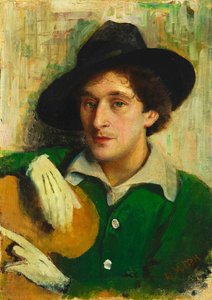
マルク・シャガール
1887 - 1985 , ベラルーシ
基本情報
- フルネーム: マルク・シャガール
- 主な作品:
- 私と村
- 白十字架
- イェルサレムの窓
- 出生地: リヴォナ(ベラルーシ)
- 国籍: ロシア、フランス、ユダヤ系
- 影響を与えたアーティスト:
- パブロ・ピカソ
- ジョアン・ミロ
- 影響を受けたアーティスト:
- レオン・バクスト
- ロベルト・デラunay
- 死亡年月日: 1985年3月28日
- 生年月日: 1887年7月6日
- 芸術運動・スタイル: モダニズム、キュビスム、象徴主義
関連記事
The Essence of Naïve Art: A Professional Guide to Unfiltered Creativity and Aesthetic Sincerity
Explore the profound beauty of Naïve Art. Discover its unique characteristics, historical significance, and how this unfiltered, sincere aesthetic can elevate professional interior design through high-quality, hand-painted reproductions.

The Pure Charm of Naïve Art: Finding Beauty in Simplicity, Soul, and the Unfiltered Vision
Discover the profound beauty of Naïve Art. Explore how self-taught masters bypass academic tradition to capture raw emotional truth through vibrant color and soulful simplicity. A cultural journey for the true art lover seeking depth beyond convention.
The Unconventional Vision: Exploring the Characteristics, History & Enduring Appeal of Naïve Art
Explore the captivating world of naïve art! Discover its history, characteristics, key artists & collecting tips from OriginalUniqueArt's experts. Find your perfect piece today.

Raw & Unfiltered: Why Naive Art and Primitivism are Dominating Modern Street Style
Explore why Naive Art and Primitivism are redefining modern street style. Discover how the raw, unfiltered energy of self-taught masters is driving today's boldest urban fashion and design trends through high-impact visual rebellion.
Raw, Bold, Unfiltered: Why Naive Art is the Ultimate Vibe for Your Space
Ditch the boring decor. Discover why Naive Art's raw, bold, and unfiltered aesthetic is the ultimate trend for modern urban spaces. Learn how to use vibrant colors and unstudied sincerity to create a high-impact, authentic vibe in your home or studio.


