
 設置イメージを表示
 シェアする
シェアする シェアする
シェアする
 詳細を見る
詳細を見る ガイドを表示

 ダウンロード
 似ている作品
 X線調査
X線調査 スライドショーを表示
 Q&A
Q&A 統計情報
統計情報Apparition at the Circus

- 32.0 x 24.0 cm


 詳細を表示
詳細を表示
ウェブ上のプレビューを遥かに凌駕する、印刷に最適なファイルをご提供します。当サイトで販売しているすべてのデジタル画像は、弊社のデータベース内にある高解像度のマスターデータ(通常、幅5,000〜15,000ピクセル)から作成されています。そのため、大判印刷や大胆なクロップ、細部まで緻密な再現も、安心してお楽しみいただけます。
当スタジオから送り出される画像は、すべて丁寧に加工されています。デジタルエキスパートが原画と照らし合わせて色調を精査し、必要に応じて補正を行った上で、プロ仕様のリタッチツールを用いて鮮明さと細部を向上させます。その際、アーティストの筆致やスタイルに忠実であることを常に追求しています。その結果、単なるスキャン画像にフィルターをかけたようなものではなく、まるで本物の絵画を見ているかのような仕上がりを実現しています。
仕上がりをご確認いただいてから完了となります。専門スタッフが、ご確認用の画像を72時間以内にメールでお送りいたします。もしご満足いただけない場合は、修正や改善のご要望を承るほか、品質が基準に満たない場合には返金も可能です。
出版社、デザインスタジオ、ギャラリー、そして印刷所から信頼される品質です。
デジタルアート
個人での鑑賞、印刷、クリエイティブなプロジェクトにご利用いただける高解像度ファイルをダウンロードできます。 ( プリント版に切り替え 手描き複製画を注文する)
デジタル画像のご注文に付随する特典
確かな品質による、プロフェッショナルなデジタル配信
OriginalUniqueArt.com を選ぶことは、単に画像を手に入れることではありません。プロの手によって精密に仕上げられ、満足保証が付いた高品質なデジタルアートワークを受け取ることを意味します。ご注文いただいた際に自動的に付随する内容は、以下の通りです:

メールですぐにお届け
ご注文から72時間以内に、高解像度のデジタル画像ファイルをメールでお送りいたします。お手元に届き次第、すぐにご利用いただけます。

AI技術で最適化されたデジタルファイル
お客様の作品は、高度なAI技術と専門家による手作業を組み合わせてプロフェッショナルに最適化されており、細部のディテール、鮮明さ、そして正確な色再現性を最大限に引き出しています。

生涯無料の再送サービス
ファイルを誤って削除したり、紛失してしまったりしましたか?ご安心ください。いつでも無料で再送いたします。

輸入手数料は、いつでも一切かかりません
関税や手数料、配送料を気にすることなく、お気に入りのアートワークをすぐにお楽しみいただけます。デジタルダウンロードは常に免税です。

正確な色彩の保証
プロ仕様のツールとカラーマネジメント技術を用いることで、デジタル画像が元の色を最大限に忠実に再現することを保証いたします。

100日間満足保証
ご購入いただいたデジタル画像にご満足いただけない場合は、100日以内であれば、理由を問わず修正または100%の返金対応をさせていただきます。

100% 返金保証
ご満足いただけない場合は、デジタルファイルを受け取ってから100日以内であれば、理由を問わず全額返金いたします。

まとめ買い割引
3枚購入で10%OFF、5枚購入で15%OFF、10枚以上のご購入で20%OFF。クリエイティブなプロジェクトやギャラリー、エージェンシーに最適です。
Marc Chagall’s Dreamscape: Unveiling “Apparition at the Circus”
Marc Chagall's "Apparition at the Circus," created in 1963, isn’t merely a depiction of a festive spectacle; it’s an immersive journey into the artist’s deeply personal and often surreal world. This lithograph, executed with the precision of printmaking yet imbued with the raw emotion characteristic of Chagall's style, offers a glimpse into his unique vision—a blend of Naïve Art, Cubist influences, and profound symbolism rooted in Jewish folklore and childhood memories. The work transcends its subject matter to become a meditation on transformation, freedom, and the elusive nature of reality itself.
Born Moishe Shagal in 1887 in Vitebsk, Belarus—a region steeped in both vibrant cultural traditions and profound hardship—Chagall’s artistic development was profoundly shaped by his upbringing. His early years were spent within a close-knit Hasidic Jewish community, an experience that would later permeate his art with recurring motifs of family, faith, and the timeless rhythms of rural life. This foundation, combined with exposure to European avant-garde movements during his time in Paris and Berlin, fueled his distinctive style—a captivating synthesis of seemingly disparate influences.
The Language of Naïve Art: Simplicity and Symbolism
“Apparition at the Circus” firmly establishes itself within the realm of Naïve Art (or Primitivism), a movement that emerged in the late 19th century, challenging traditional academic art. Characterized by its directness, lack of formal training, and often dreamlike imagery, Naïve Art sought to capture the essence of experience rather than meticulously replicating reality. Chagall’s work exemplifies this approach perfectly; his figures are rendered with a deliberate simplicity, their features exaggerated and distorted, conveying emotion through bold color and dynamic composition. The absence of precise detail invites viewers to engage actively with the painting, interpreting its meaning through intuition and personal association.
The lithograph itself is a testament to Chagall’s mastery of printmaking. Lithography, involving drawing on stone or metal plates, allows for intricate details while retaining a sense of spontaneity and texture. In “Apparition at the Circus,” this technique is brilliantly employed to create a rich tapestry of color and form—the vibrant reds and blues of the circus tent contrast sharply with the muted tones of the background, drawing the eye towards the central figure.
A Scene of Transformation: Figures and Their Meanings
At the heart of the composition is a woman whose face appears to be dissolving or melting – a recurring motif in Chagall’s work. This isn't simply a depiction of physical decay; it symbolizes transformation, fluidity, and perhaps even loss. Her elongated hair cascades around her like a waterfall, further emphasizing this sense of movement and change. Beside her stands a horse, seemingly emerging from the background as if part of an artistic scene—a potent symbol of freedom, creativity, and the wildness of nature.
Several smaller figures populate the periphery of the painting, adding depth and complexity to the narrative. These individuals, rendered with varying degrees of detail, could represent fragments of Chagall’s memories, echoes of his past, or perhaps even symbolic representations of different aspects of human experience. The overall scene is imbued with a dreamlike quality, inviting viewers to contemplate its hidden meanings and personal associations.
Chagall's Legacy: A Window into the Soul
Marc Chagall’s artistic journey spanned decades and encompassed a remarkable range of styles and mediums. From his early paintings in Vitebsk to his later works created during his time in Paris and America, Chagall consistently explored themes of faith, family, love, and loss—often blending them with elements of Jewish folklore and personal mythology. “Apparition at the Circus” stands as a powerful example of his unique artistic vision, demonstrating his ability to capture both the beauty and the melancholy of the human condition. Today, reproductions like this one offer a remarkable opportunity to bring Chagall’s evocative world into your own space, allowing you to experience the magic and mystery of his art firsthand.
For those seeking to acquire a high-quality reproduction of “Apparition at the Circus,” or to explore other works by Marc Chagall, visit OriginalUniqueArt.com. You can also find further information about Chagall’s life and work on Wikipedia.org.
Q&A
「Apparition at the Circus」にはどのような色使いがなされていますか?
マルク・シャガール作「Apparition at the Circus」は、ニュートラルカラーなカラーパレットを使用しています。この配色は、作品全体の色彩的特徴を象徴しています。
1963年に「Apparition at the Circus」を制作した際、マルク・シャガールは何歳でしたか?
1963年に「Apparition at the Circus」が制作された際、1887年生まれのマルク・シャガールは76歳でした。
マルク・シャガール作「Apparition at the Circus」の制作年はいつですか?
「Apparition at the Circus」は1963年の作品です。この制作年は、マルク・シャガールのキャリアおよび当時の時代背景において、本作を位置づけるものです。
作家略歴
夢と色彩の詩人:マルク・シャガールの生涯
マルク・シャガール。その名は、鮮やかな色彩と幻想的なイメージが瞬時に浮かび上がるでしょう。1887年、ベラルーシのヴィテブスク近郊リオーズネ村にモーシェ・シャガルとして生まれた彼は、20世紀を代表する芸術家の一人として、絵画を通して独自の詩の世界を創造しました。彼の作品は、幼少期に育まれたユダヤ教の伝統や民話、そして故郷ヴィテブスクへの深い愛情が色濃く反映されており、現実と夢、記憶と感情が織りなす独特の美学を確立しました。「私は絵を描き終えるとき、自然が作り出したものをそれに当てはめてみます—岩、花、木の枝、あるいは自分の手です。もしその絵が人間の手で作りえないものとならぶことができれば、その絵は本物です。もし二つが衝突すれば、それは悪い芸術です。」シャガール自身の言葉が示すように、彼の作品は、内なる感情と精神性を追求したものであり、単なる現実の模倣を超越した表現を試みたのです。ヴィテブスクとパリ:芸術的探求の旅
幼少期を故郷ヴィテブスクで過ごしたシャガールにとって、その町は単なる生まれ故郷以上の意味を持ちました。それは彼の芸術的な宇宙の中心であり、空中に浮かぶ人物や奇妙な動物たちが住む、記憶に彩られた風景でした。ロシア正教の教会と賑やかなユダヤ人市場が共存するヴィテブスクの多様な文化は、彼独自の美意識を育み、その後の彼の芸術的探求に大きな影響を与えました。サンクトペテルブルクで地元のサイン画家から絵画を学び、その後レオン・バクストの下で研鑽を積んだシャガールは、パリへと旅立ちます。そこで彼は、キュビスムや象徴主義といった当時の最先端の芸術運動に触発されながらも、自身の内なる世界と故郷への想いを融合させた独自のスタイルを確立していきます。初期作品である『私と村』(1911年)は、場所の描写を超え、自己、記憶、そして個人と共同体の関係を探求する試みとして、彼の芸術的才能を示唆しています。革命と流浪:苦難の中で開花する創造性
第一次世界大戦が勃発すると、シャガールは一時的にロシアに留まり、ヴィテブスクで芸術学校を設立するなど、文化的な活動に積極的に参加しました。しかし、ロシア革命後の混乱期には、政治的な抑圧と経済的な困難に直面し、その創造性は試練にさらされます。1923年、彼は再びパリへと旅立ち、国際的な評価を得るようになります。『ヴィテブスクの上空』(1920-1922年)は、故郷への想いが色濃く反映された作品であり、彼の芸術的成熟度を示しています。第二次世界大戦の勃発により、ナチス占領下のフランスからアメリカへと逃れ、7年間をニューヨークで過ごすことになります。この時期は、精神的な苦悩と芸術的な実験が交錯するものであり、『白い十字架』(1938年)に見られるように、彼の作品に深い悲しみと不安の色合いが加わりました。戦後、彼はフランスに戻り、生涯をかけて絵筆を握り続けました。遺産:色彩と夢の普遍的なメッセージ
晩年は、パリ歌劇場天井画(1964年)やエルサレムのハダッサ・ヘブライ大学医学部病院のシナゴーグステンドグラスなど、数々の重要なプロジェクトを完成させます。これらの大規模な作品は、彼の芸術的ビジョンを建築空間に具現化し、見る者を魅了する没入型の環境を作り出しました。シャガールの影響は、シュルレアリスムを含む後世の多くの芸術家に及んでいます。彼は、ヨーロッパの近代主義とユダヤ文化のアイデンティティを結びつけ、「20世紀における最も重要なユダヤ人芸術家」として称賛されています。彼の作品は、愛、記憶、そして人間の想像力の無限の可能性を祝福するものであり、世界中の観客に普遍的なメッセージを伝えています。ヴィースバイエルン州のニースにあるマルク・シャガール美術館は、彼の遺産を称え、彼の作品群を展示しています。彼の鮮やかな色彩と夢のようなイメージは、これからも人々の心に深く刻まれ続けるでしょう。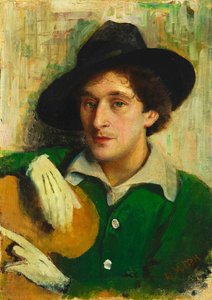
マルク・シャガール
1887 - 1985 , ベラルーシ
プロフィール概要
- フルネーム: マルク・シャガール
- 主な作品:
- 私と村
- 白十字架
- イェルサレムの窓
- 出生地: リヴォナ(ベラルーシ)
- 国籍: ロシア、フランス、ユダヤ系
- 影響を与えたアーティスト:
- パブロ・ピカソ
- ジョアン・ミロ
- 影響を受けたアーティスト:
- レオン・バクスト
- ロベルト・デラunay
- 死亡年月日: 1985年3月28日
- 生年月日: 1887年7月6日
- 芸術運動・スタイル: モダニズム、キュビスム、象徴主義