Surrealism
Self-Portrait (マン・レイ)
マン・レイ (1890–1976)による作品『Self-Portrait』 Surrealism運動に属しています。 Black and White Photographyで制作されています。
- Black and White Photography

 手描き油彩画
 シェアする
 シェアする
 解説シート


 ダウンロード
 似ている作品
 スライドショーを表示
 Q&A

 統計情報
Self-Portraitの概要
Self-Portraitには何が描かれていますか?
Identification of the Self-Portrait by Man Ray
In this black and white photograph, titled Self-Portrait, the artist Man Ray presents a deliberate act of self-representation. Rather than a conventional likeness, the image captures a moment of visual playfulness and absurdity. It is a work that explores the boundaries of identity through a surrealist lens, moving beyond simple documentation to offer something far more complex.
The subject is Man Ray himself, positioned in an unconventional arrangement alongside a double bass. This composition creates a dreamlike effect, where the instrument appears to emerge directly from his head. The monochromatic palette relies on a range of gray tones, from deep blacks to bright whites, to define the forms of the artist and the instrument. It is a quiet, unsettling encounter with the artist's own image.
Composition and Visual Elements
The composition centers on the artist's face and upper torso, creating an immediate and intimate encounter. This central focus is disrupted by the verticality of a double bass, which is juxtaposed with the figure in an unexpected manner. The instrument appears to be emerging directly from his head, a visual choice that introduces a sense of absurdity and playfulness to the arrangement. This unexpected connection between the human form and the musical object challenges the viewer's expectations of a traditional portrait.
A monochromatic color palette defines the visual field, relying entirely on a range of gray tones from deep blacks to bright whites. This limited spectrum emphasizes the interplay of textures and the structural lines present in the frame. The sharp edges of the double bass and the contours of the face provide a sense of geometric order, while the slightly angled perspective lends a dynamic quality to the scene. The layering of the subject in the foreground against a receding, plain background creates a subtle sense of depth within this surreal arrangement.
Technique and Artistic Medium
This work is a photographic study, executed as a silver gelatin print on paper. The process relies on the precise application of photographic chemicals to develop the image captured on film. Through the use of a camera, the artist has moved beyond simple documentation to embrace a style that is distinctly photographic, yet deeply experimental. The monochromatic palette relies on a controlled range of gray tones, from deep blacks to bright whites, to define the forms of the subject and the instrument.
The technical approach here is rooted in the radical experimentation characteristic of the Dada and Surrealist movements. Rather than adhering to the traditional constraints of the medium, the artist employs methods that challenge the viewer's perception of reality. The interplay of light and shadow is used to create a sense of the uncanny, blurring the lines between the tangible object and the dreamlike composition. This specific use of the medium allows for a structural clarity that emphasizes the sharp edges of the double bass against the softer contours of the human form.
Interpretations and Symbolic Meanings
This work functions as a visual representation of an evolving identity. By presenting himself in such an unconventional manner, the artist uses the image to signal a departure from his original name and origins. It is a deliberate act of self-fashioning, where the subject matter moves beyond a simple likeness to explore themes of transformation. The presence of the double bass emerging from the head suggests a blurring of the boundaries between the human form and the inanimate object, inviting an exploration of the subconscious mind.
There is a profound sense of experimentation here, signaling a commitment to artistic freedom. The composition rejects the traditional constraints of portraiture to favor a more dreamlike, irrational state of being. The direct gaze of the subject is particularly striking; it challenges the viewer's role in the act of observation, forcing a confrontation with one's own perceptions. Rather than merely being seen, the subject actively engages with the observer, suggesting that identity is a fluid construct shaped by experience and self-awareness rather than a fixed entity.
Artistic Movements and Styles
This photographic portrait is deeply rooted in the aesthetics of early Modernism. It reflects a period of intense experimentation where the boundaries of traditional representation began to dissolve. By moving away from the rigid constraints of academic realism, the work embraces a more fluid approach to the human form and its relationship to objects. The composition suggests a departure from the expected, favoring a visual language that prioritizes the psychological over the purely literal.
The work is closely associated with the Dada movement, characterized by its rebellious spirit and its tendency to challenge established artistic norms. There is a sense of playfulness and absurdity here, a hallmark of the Dadaist impulse to disrupt conventional perception. This irreverence allows for the unexpected juxtaposition of the artist and the double bass, creating a scene that feels both structured and nonsensical. It is a quiet defiance of the logic one might expect from a standard portrait.
Furthermore, the image belongs to the Surrealist movement. It leans into the exploration of the subconscious and the irrational, presenting a vision that feels more like a dream than a documented reality. The way the instrument appears to emerge from the subject's head speaks to the Surrealist interest in transformation and the uncanny. It captures a moment of psychological depth, where the internal state of the individual is projected outward through a distorted, dreamlike lens.
Self-Portraitの高解像度画像
Protected by copyright: these files are for personal reference, not a licence to republish.
マン・レイ, Self-Portrait.
Self-Portraitに関するよくあるご質問
マン・レイ作「Self-Portrait」にはどのような技法が用いられていますか?
マン・レイ作「Self-Portrait」の技法はBlack and White Photographyです。複製画は、この技法の質感や風合いを再現することを目指しています。
マン・レイ作「Self-Portrait」には何が描かれていますか?
マン・レイ作「Self-Portrait」の描画内容:man, double bass, musical instrument, face, torso, black and white, monochrome
マン・レイ作「Self-Portrait」はパブリックドメインですか?
マン・レイ作「Self-Portrait」は著作権の保護対象ですです。このステータスは、作品画像の複製に関する規定を定めたものです。
「Self-Portrait」の作者は誰ですか?
「Self-Portrait」の作者はマン・レイです。この作品はマン・レイの名でカタログに登録されています。
マン・レイ作「Self-Portrait」は、どの芸術運動に属していますか?
「Self-Portrait」は、Surrealismの作品です。この様式は、その作品が属する芸術的伝統を示しています。
マン・レイ作「Self-Portrait」 の著作権状況の根拠を教えてください。
マン・レイによる「Self-Portrait」は著作権の保護対象ですです。著作権の保護期間は作者の没年から起算されますが、マン・レイは1976年に亡くなっています。
「Self-Portrait」には、マン・レイの他の作品群とどのような共通点が見られますか?
「Self-Portrait」は、マン・レイの他の作品と同様に、Surrealism様式と、一貫して描かれてきたテーマであるdada and surrealism, identity and transformation, experimental photography, avant-garde movementを共有しています。
「Self-Portrait」は、マン・レイのこれまでの作風を象徴するものと言えるでしょうか?
マン・レイの作品に繰り返し現れるテーマにはdada and surrealism, identity and transformation, experimental photography, avant-garde movementがありますが、「Self-Portrait」ではman, double bass, musical instrument, face, torso, black and white, monochromeに焦点を当てています。
アーティスト マン・レイ について

1890–1976, アメリカ合衆国
マン・レイ
影に照らされた生涯 エマニュエル・ラドニツキー、世界ではマン・レイとして知られる彼は、容易な分類を拒否する落ち着きのない精神でした。1890年にロシア系ユダヤ人の移民の両親のもとペンシルベニア州フィラデルフィアで生まれ、画家志望から先駆的な写真家、映画製作者へと歩んだ彼の道のりは、20世紀初頭の過激な芸術的発酵を体現しています。 “マニー”・ラドニツキーから謎めいた“マン・レイ”への変化そのものが、慣習にとらわれない新しいアイデンティティを確立しようとするアーティストの決意を示唆しています。家族がニューヨーク市に移住したことは画期的な出来事となり、彼を勃興するモダニズムシーンに触れさせ、実験への生涯の関心を育みました。初期の影響には、アルフレッド・スティグリッツの291ギャラリーで展示されたヨーロッパのアバンギャルドや、アッシュカン派の生々しいリアリズムが含まれており、これらが彼の後の作品に微妙に影響を与えました。当初は絵画に専念していましたが、写真が最終的に知覚と現実の境界を探求するための最も強力な媒体となりました。彼は単にイメージを捉えているのではなく、*見る*新しい方法を発明していたのです。 彼の初期の芸術的試みは、ヨーロッパのモダニズムやニューヨーク市での活気に満ちたエネルギーへの触れ込みによって、伝統的なスタイルからの脱却を望むものでした。この時期、特に形成力があったのはフェラーセンターで、その無政府主義的な傾向と自由な表現への重点が、実験が奨励されるだけでなく期待される環境を育みました。 ダダイスム、シュルレアリスム、そして不可能の追求 マン・レイの芸術的軌跡は、1915年頃にニューヨークでマルセル・デュシャンに出会ったことで劇的な転換を遂げました。この出会いは、伝統的な芸術概念に挑戦するという共通の関心を呼び起こし、“既製品”—つまり、日常的な製造品が芸術作品の地位を高める—という探求につながりました。 この反逆精神はレイを第一次世界大戦の幻滅から生まれた反芸術抗議運動であるダダイスムの中心へと突き動かしました。 1921年、彼はパリに移住することを決意し、そこでダダイズムとシュルレアリスムの両方のサークルで中心的な人物となりました。 レイは決して厳格な芸術的教義に完全に沿ったわけではありませんでしたが、シュルレアリストの無意識の心、夢、そして非合理性の探求を受け入れました。 この時期の彼の作品は夢のような質が特徴であり、しばしば不安を覚えさせながらも紛れもなく魅惑的です。 彼は現実を*あるとおりに*描写することには興味がなく、むしろそれが*どのように感じられるか*—断片的で歪んでおり、隠された意味合いを含んでいるか—に関心がありました。 この無意識の受容により、彼は単なる表現を超えて、彼の芸術の中で心理状態と感情的な共鳴を探求することができました。 サルバドール・ダリのような他のシュルレアリストアーティストとのコラボレーションは、彼がこの運動における地位をさらに確固たるものにしましたが、彼は常に芸術的ビジョンにおいてある程度の独立性を維持していました。 レイグラフと光の錬金術 マン・レイはおそらく“レイグラフ”の発明で最も称賛されています。これは、彼がほとんど偶然に発見したカメラレス写真技術です。 光感紙の上に物体を直接置き、光にさらすことで作られたこれらのイメージは、従来の表現を超越する幽玄で幻想的な構成を生み出しました。 レイグラフは単なる代替手段ではありませんでした。それは写真の本質についての哲学的な声明でした。 カメラレンズを排除することで、レイは客観性の幻想を取り除き、媒体の固有の主観性を明らかにしました。 これらは物*の*表現ではなく、それらからの直接的な印象であり、神秘性と異世界感に満ちています。 レイグラフ以外にも、彼の写真ポートレート—特にリー・ミラー(彼女は彼のミューズ兼共同制作者となる)のようなアーティストのもの—は、その鮮やかな構成と心理的深みで知られています。 彼は太陽化、多重露光、暗室での操作を容赦なく実験し、写真が達成できる限界を押し広げました。 特に太陽化は彼のシグネチャーテクニックとなり、ポートレートに不気味な要素を加える劇的なトーンの反転を生み出しました。 静止画を超えて:映画と永続的な遺産 マン・レイの芸術的探求心は静止画像を超え、映画界にも及びました。 彼の実験的な映画『Le Retour à la Raison』(1923年)や『L'Étoile de Mer』(1928年)は、シュルレアリスム的なイメージ、型破りな編集技術、そして物語の慣習からの逸脱を特徴としていました。 これらは伝統的な意味で語られたストーリーではありませんでした。 それらは視覚的な詩であり、形式、リズム、そして無意識を探求するものでした。 彼はストップモーションアニメーションやスーパーインポジションのような革新的なテクニックを使用して、混乱と夢のような効果を生み出しました。 彼の映画作品の量は比較的少なかったものの、それはその後の世代のアバンギャルドな映画製作者に大きな影響を与えました。 長いキャリアを通じて、マン・レイは常に芸術的規範に挑戦し、ラベルや期待にとらわれることを拒否しました。 彼は1976年にパリで亡くなり、技術的な革新だけでなく、芸術的自由への揺るぎないコミットメントと不可能の絶え間ない追求—真の先駆者であり、永遠に私たちの芸術と現実に対する認識を変えた人物—という遺産を残しました。 彼の影響は様々な分野に及びます。現代写真や映画からファッションやデザインまで、彼のビジョンの永続的な力を示しています。 継続的な影響 Photography: マン・レイのテクニック、特にレイグラフと太陽化は、現代の写真家によって探求され続けています。 Surrealism: 彼の貢献は運動の視覚言語を確固たるものにし、様々な分野の無数のアーティストにインスピレーションを与えました。 Experimental Film: 彼のアバンギャルドな映画における先駆的な業績は、将来の世代の実験的な映画製作者のための基礎を築きました。 Fashion Photography: レイがポートレートと構成法に革新的なアプローチを取り入れたことは、現代ファッション写真の開発に影響を与えました。 マン・レイの影響は彼の生涯を超えて広がり、今日でもアーティストや観客に共鳴し続けています。 実験への意欲、慣習の拒否、そして芸術的自由への揺るぎないコミットメントは、創造的な表現の限界を押し広げようとする人々にとって強力なインスピレーションとなっています。 彼は20世紀の芸術における重要な人物であり、彼の作品は挑戦し、刺激を与え、そして喜ばせ続けています。
マン・レイのその他の作品
 La Galerie Surréaliste, rue Jacques Callot
 Pisces1938
 Rayograph (The Kiss)1922
 Solarisation1931
Self-Portraitに関するエッセイ
 The Echo of Self: Reflectivity as a Core Theme in Art History & Contemporary PracticeExplore the rich history of self-representation in art, from Renaissance masters to modern innovators. Discover how artists use portraiture…
 エゴン・シーレ傑作25選:魂を揺さぶる表現主義の世界 | OriginalUniqueArtエゴン・シーレの傑作25選。表現主義を代表するオーストリアの画家、その魂を揺さぶる人物画や自画像の世界へ。OriginalUniqueArtで名画の複製画とインテリアアートをお楽しみください。コレクションを見る▶
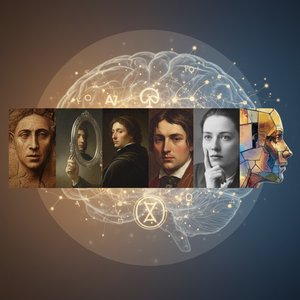 Reflecting the Self: A History of Portraiture & Psychological InsightExplore the fascinating history of self-portraiture from Renaissance masters like Dürer & Rembrandt to modern interpretations. Discover the…