![Nuit De Noël [christimas Night] — マリク・シディベ](/media/artworks/images-full/3a/6b/3a6b907972fa2c0e72a1d0a6d3b6bb6b.jpg)
 設置イメージを表示
 シェアする
シェアする シェアする
シェアする
 詳細を見る
詳細を見る ガイドを表示

 ダウンロード
 似ている作品
 X線調査
X線調査 スライドショーを表示
 Q&A
Q&A 統計情報
統計情報Nuit de Noël [Christimas Night]

- 46.0 x 43.0 cm


 詳細を表示
詳細を表示
このページに掲載されている作品は著作権法によって保護されており、当社の許可なく同一の複製物を制作または販売することは法律で禁じられています。この保護は、以下のような国際条約に基づき執行されます。 ベルヌ条約 および、以下の条項に定められたものを含む各国の法律により、 米国著作権法 第17編。
この手法は、著作権で保護された作品の複製や複写を伴わないため、著作権法に完全に準拠しています。これは単なる模倣ではなく、創造的な再解釈です。元の作品からインスピレーションを受けつつも、それとは異なる、全く新しい絵画を生み出すものです。
ジークレー/アートプリント
スピーディーな制作と多彩な仕上げオプションが魅力の、ミュージアムクオリティなジークレー・キャンバスプリント。 ( 手描き複製画を注文する デジタル画像販売へ切り替え)




P118B ¥10

P118H ¥10

P118W ¥10

P438Z ¥10

P508JH ¥12

P508YH ¥12

P805H ¥10

P805Z ¥10

P919BZ ¥10

P919G ¥10

P919XJ ¥10

P959ZH ¥10

P968JZ ¥12

W106C ¥8

W218G ¥10

W218JH ¥8

W218Y ¥10

W307PJ ¥10

W316G ¥10

W316PJ ¥8

W316Y ¥10

W398PJ ¥8

W4111J ¥10

W500HY ¥15

W500JH ¥15

W692G ¥12

W849H ¥8

W940BG ¥15

W953PJ ¥8




作品のオリジナル比率に合わせた、当店の規定サイズからお選びください。

額縁や壁のスペースに合わせて、ご希望の幅と高さを入力してください。プリントはカットすることは可能ですが、元の画像より大きくすることはできないため、異なる比率のサイズを選択された場合は、画像の一部が欠けることになります。印刷を開始する前に、内容を確認していただくためのデジタルモックアップをお送りいたします。このページに表示されている画像は、実際のカット後の状態を示すものではありません。実際の仕上がりはモックアップにてご確認ください。


 ガラスオプションは、110cm未満のサイズでのみご利用いただけます。
![Nuit de Noël [Christimas Night]](/static/images/originaluniqueart/artworks/painting.a1e74a1cb7dc.png)
Nuit de Noël [Christimas Night]
ジークレー/アートプリント
複製画サイズ一覧
-


合計金額
¥ 12821
Malick Sidibé: A Chronicle of Joy
Malick Sidibé’s work transcends mere documentation; it's an embodiment of Bamako’s vibrant spirit during the 1960s, a period marked by burgeoning independence and youthful exuberance. Born in Sologo, Mali, in 1936, Sidibé’s formative years instilled within him a profound connection to his cultural heritage—a sensitivity that would become the cornerstone of his artistic vision. His early education, facilitated by the generosity of the village chief, opened doors to formal schooling and ignited an initial fascination with drawing, setting the stage for his remarkable career as a photographer. Recognizing his talent, Guillat invited him into Yanfolila’s Institut National des Arts de Bamako, where he honed his craft alongside fellow artists and embraced the transformative influence of modern art movements. This pivotal encounter cemented Sidibé's commitment to capturing the essence of African culture through a distinctly humanist lens.- Subject Matter: Sidibé’s photographs depict scenes from Bamako nightlife—dancing couples, lively gatherings, and celebrations of youthful freedom. These images aren’t simply snapshots; they are portraits of individuals brimming with energy and optimism, reflecting the aspirations of a nation striving for progress.
- Style & Technique: Sidibé's signature style is characterized by its uncompromising simplicity—black and white gelatin silver prints executed with meticulous attention to detail. He favored tungsten lighting in his studio sessions, prioritizing natural light when possible. The grainy texture of the film captures the immediacy of the moment, conveying a palpable sense of spontaneity and authenticity.
- Historical Context: Sidibé’s work emerged during Mali's post-colonial era, coinciding with significant social and cultural shifts. His images powerfully communicate the optimism and dynamism of this transformative period, documenting the emergence of new forms of expression and celebrating the spirit of youthful rebellion against traditional constraints.
- Symbolism: Dancing itself symbolizes liberation, connection, and shared experience—themes that resonate deeply within Sidibé’s oeuvre. The figures in his photographs are often posed with a deliberate grace, conveying both vulnerability and confidence, embodying the hopes and dreams of an entire generation.
Nuit de Noël (Christmas Eve): A Celebration of Connection
“Nuit de Noël” – Christmas Eve – encapsulates Sidibé’s artistic ethos: capturing fleeting moments of joy and connection amidst the backdrop of urban life. The photograph depicts a couple dancing passionately on a street at night, illuminated by flickering street lamps. The composition is subtly tilted, adding to the sense of dynamism and spontaneity. Blurred elements in the background underscore the energy of the scene, emphasizing the movement of the dancers and creating depth within the frame. Sidibé’s masterful use of light and shadow sculpts the figures' forms, highlighting their contours and conveying a profound emotional resonance. The photograph serves as a testament to Sidibé’s ability to distill complex emotions into simple visual elements—a celebration of love, companionship, and the transformative power of music.Material & Craftsmanship: The Legacy of Film Photography
Sidibé's artistic process relied on traditional photographic techniques honed over decades of experience. He utilized an Agfa 6 × 6 camera with bellows to achieve precise framing and ensure optimal image quality. Careful calibration was paramount, reflecting Sidibé’s dedication to mastering his craft. The resulting prints were executed on photographic paper—a medium known for its archival stability and ability to reproduce tonal nuances faithfully. This deliberate choice underscores Sidibé's commitment to preserving the essence of his vision—a timeless portrayal of human emotion captured through the enduring legacy of film photography.Beyond Image: The Artist’s Vision
Malick Sidibé wasn’t merely documenting reality; he was crafting narratives—visual poems that conveyed profound truths about human experience. His work stands as a beacon of artistic integrity, demonstrating how observation and empathy can coalesce into powerful expressions of cultural identity. Sidibé's enduring influence stems from his unwavering belief in the transformative potential of art—a conviction that continues to inspire artists and collectors alike.Q&A
「Nuit de Noël [Christimas Night]」は、マリク・シディベの画業におけるどの時期の作品にあたりますか?
「Nuit de Noël [Christimas Night]」は、マリク・シディベのLate Medievalを象徴する作品です。
マリク・シディベ作「Nuit de Noël [Christimas Night]」はパブリックドメインですか?
マリク・シディベ作「Nuit de Noël [Christimas Night]」は著作権の保護対象ですです。このステータスは、作品画像の複製に関する規定を定めたものです。
マリク・シディベ作「Nuit de Noël [Christimas Night]」をスライドショーで閲覧するには、どうすればよいですか?
マリク・シディベ作「Nuit de Noël [Christimas Night]」は、作品のスライドショーページにてスライドショーとしてご覧いただけます。
作家プロフィール
喜びの記録者:マリク・シディベの生涯と遺産
マリク・シディベは、マリの田園地帯から生まれ、アフリカで最も称賛される写真家の一人となりました。彼は、移行期にあった国家を、親密さと躍動性に対する比類なき眼差しをもって捉えた視覚の詩人でした。1936年にソロゴで生まれた彼の幼少期は、動物の放牧や土地での労働といった伝統的なマリの生活に深く根ざしていました。そこは、活気あふれる都市の中心地バマコからは遠く離れた場所でした。この形成期の経験が、彼の中に文化的なルーツへの深い繋がりを植え付け、それが彼の芸術的ビジョンを形作る上で決定的な感性となりました。転機となったのは、村の長老に選ばれ、ヤンフォリラで学校に通う機会を得た時でした。この機会は教育への扉を開き、芸術に対する芽生えた情熱に火をつけました。彼の絵画の才能はすぐに明らかになり、公式行事の依頼へと繋がり、最終的にはバマコ国立芸術学院への入学という形で実を結びます。そこで彼は、指導者となったフランス人写真家ジェラール・ギヤール=ギニャルと出会います。彼はシディベを形式的な指導ではなく、観察と実践経験を通して、この媒体の技術的な複雑さへと導いてくれました。この徒弟制度が、シディベ特有のアプローチの基礎を築いたのです。それは、作り込まれた場面を演出するのではなく、人生が展開するその瞬間を捉えることを優先するものでした。花開くバマコ:一つの世代を記録する
1952年、シディベはエネルギーに満ち、マリが独立を目前にして急速な変貌を遂げていた都市、バマコへと移住しました。彼は1955年にギヤール=ギニャルのもとでゲゲ・ラ・ペリキュール写真サービスブティックで正式な写真の訓練を始め、スキルを磨き上げました。そして1956年には初めてのカメラ、ブラウンビー・フラッシュを手に入れます。1957年までには、「スタジオ・マリク」を開業し、バマコの社会的な風景の一部となりました。シディベは単に街を記録したわけではありません。彼はその中に自らを没入させました。植民地支配の後に花開いた活気ある若者文化に惹かれたのです。彼のレンズは、スポーツイベント、賑やかなビーチでの集まり、脈打つナイトクラブ、そして親密な求愛の瞬間といったものに焦点を当てました。これらは、一つの世代が手に入れた新たな自由と抱負を凝縮した光景でした。彼は伝統的なスタジオポートレートの形式張った作風を避け、むしろバマコの社会生活というエネルギッシュな背景の中で、被写体を自然な瞬間に捉えることを好みました。このアプローチは、マリ社会に深く響き渡り、やがて世界中の観客を魅了するような、即時性と信憑性に満ちた印象的な白黒写真を生み出しました。彼の作品は、単に「何」が撮影されたかということではなく、「この高揚する変化の時代を生きていることがどう感じられるか」という感覚そのものだったのです。様式と本質:唯一無二の写真的視点
シディベの芸術的スタイルは、技術的な熟練さと共感的な観察眼が見事に融合したものです。絵画の背景が彼の肖像写真のアプローチに深く影響を与えました。彼は構図を注意深く考慮し、被写体を静的な表現のためではなく、生命と動きの感覚を伝えるためにポーズさせました。彼には被写体と繋がる生来の能力があり、リラックスした雰囲気を作り出し、その人々の個性が輝きを放たせることを可能にしました。この親密さは彼の写真に触れるだけで感じ取れ、鑑賞者と描かれた人物との間に力強い繋がりを生み出しています。彼の作品全体を通して繰り返されるテーマは、1960年代から70年代にかけてのマリのポストコロニアルな喜びと芽生え始めた若者文化の祝祭です。音楽はこの時代に不可欠な役割を果たし、シディベのイメージにはダンスや歓待の場面が頻繁に描かれ、新たな自由を受け入れる世代の解放的な精神を捉えています。彼の写真は音楽と切り離せない関係にあります。それは単なる背景ではなく、人々を結びつけ、彼らの集合的なアイデンティティを表現する原動力なのです。ノワ・ド・ノエル(クリスマスイブ)は、おそらく最も象徴的な作品であり、これを完璧に体現しています。踊りに夢中な笑顔のカップルが、文化の境界を超える伝染性のエネルギーを放っているのです。国際的な称賛と永続する影響
当初はマリ国内で賞賛されていたシディベの作品は、1990年代に入り、コレクターのジャン・ピゴッツィによって西アフリカ美術を探求するために派遣された写真家のフランソワーズ・アギエやキュレーターのアンドレ・マニンの尽力により、国際的な認知を得ました。彼の写真は世界中の展覧会に登場し始め、批評的な絶賛を集め、彼を現代写真の主要な人物として確立させました。彼はキャリアを通じて数々の権威ある賞を受賞し、クライマックスは2007年のヴェネツィア・ビエンナーレでの功労金獅子賞でした。これは、彼がこの栄誉を受けた最初の写真家であり、アフリカ人としても初めてという歴史的な瞬間でした。その他の栄誉には、ハッセルブラント賞、国際写真センターのインフィニティ賞、世界報道写真賞などがあります。彼の作品は現在、現代アフリカ美術コレクション(CAAC)、J.ポール・ゲティ美術館、ニューヨーク近代美術館など、世界の著名なコレクションに所蔵されています。シディベの影響力は芸術の世界を超えています。彼の独特なスタイルはポピュラーカルチャーにおいても認められており、特にジャネット・ジャクソンの1997年のミュージックビデオ「Got 'Til It's Gone」や、スタジオ・マリク内で撮影されたインナ・モジャの2015年の「Tombouctou」のビデオに触発されました。文化保存の遺産
マリク・シディベは2016年に亡くなり、マリで最も重要な写真家の一人であり、アフリカ美術史における中心的な人物として、深遠な遺産を残しました。彼の作品は、ポストコロニアル期のマリ社会の貴重な視覚的記録を提供し、急速な社会的・文化的な変化の時代に対する独自の視点を与えてくれます。彼は単に写真を撮っていたのではありません。記憶を保存し、生命を祝い、国家の進化を記録していたのです。彼の写真は、マリの人々の回復力、喜び、創造性の証として機能し、彼らの物語が未来の世代に語られ、記憶されることを保証しています。シディベの永続的な影響は現代の芸術家や写真家にインスピレーションを与え続け、彼をマリ文化の熟練した記録者であり、世界の芸術界における著名な人物としての地位を確固たるものにしているのです。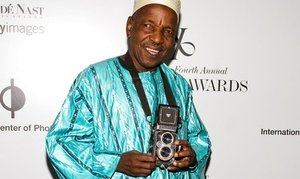
マリク・シディベ
1936 - 2016 , マリ
プロフィール概要
- Artistic Movement Or Style: ドキュメンタリー写真
- Artists Or Movements Influenced By This Artist:
- インナ・モジャ
- ジャネット・ジャクソン
- Artists Who Influenced This Artist: ['ジェラール・ギヤ=ギニャル']
- Date Of Birth: 1936年
- Date Of Death: 2016年
- Full Name: マリク・シディベ
- Nationality: マリ出身
- Notable Artworks:
- ジェームス・ブラウンのファン
- ロシタ - クラブ
- クリスマスイブ
- Place Of Birth: ソロゴ、マリ
関連記事

White on Canvas: 10 Masterpieces & Timeless Elegance for Your Home Decor
Explore 10 iconic white paintings by Monet, Whistler & Rothko! Discover the stories behind these serene masterpieces and their impact on art history. Find museum-quality reproductions for your home decor at .

Dark Masterpieces: 10 Iconic Paintings Dominated by Black Tones |
Explore 10 iconic paintings dominated by black tones, from Rembrandt’s chiaroscuro to Goya's dark expressions. Discover the stories behind these masterpieces & find museum-quality art reproductions for your home at .

Shadow & Soul: Why Black & White Photography Remains the Ultimate Power Move in Modern Art
Discover why black & white photography remains a powerful force in contemporary art. Explore the impact of light, shadow, and texture through a visual journey of monochrome mastery and learn how to elevate your space with timeless grayscale aesthetics.

Timeless & Chic: Elevating Your New Home with the Sophistication of Black and White Photography
Transform your new home with the timeless allure of black and white photography. OriginalUniqueArt.com specializes in elegant monochrome decor and custom hand-painted wedding portraits that turn cherished milestones into lasting, soulful masterpieces. Elevate your space with ease.

Monochrome Visions: Exploring the Aesthetic & Historical Significance of Black & White Photography
Explore the rich history & artistic power of black and white photography. From early techniques to iconic masters like Ansel Adams, discover why monochrome continues to captivate art lovers today. Expert insights for collectors.