

 設置イメージを確認
 送る
送る シェア
シェア
 詳細情報
詳細情報 ガイドを表示

 画像をダウンロード
 似ている作品
 X線調査
X線調査 スライドショー
 統計情報
統計情報Brompton Oratory
 Post-Impressionism
 1912
1912 53.0 x 20.0 cm
 Arts Council Collection
 続きを読む
続きを読む
ジークレー/アートプリント
スピーディーな制作と多彩な仕上げオプションが魅力の、ミュージアムクオリティなジークレー・キャンバスプリント。 ( 手描きの複製画を注文する デジタル画像販売へ切り替え)




P118B ¥10

P118H ¥10

P118W ¥10

P438Z ¥10

P508JH ¥12

P508YH ¥12

P805H ¥10

P805Z ¥10

P919BZ ¥10

P919G ¥10

P919XJ ¥10

P959ZH ¥10

P968JZ ¥12

W106C ¥8

W218G ¥10

W218JH ¥8

W218Y ¥10

W307PJ ¥10

W316G ¥10

W316PJ ¥8

W316Y ¥10

W398PJ ¥8

W4111J ¥10

W500HY ¥15

W500JH ¥15

W692G ¥12

W849H ¥8

W940BG ¥15

W953PJ ¥8




作品のオリジナル比率に合わせた、当店の規定サイズからお選びください。

額縁や壁のスペースに合わせて、ご希望の幅と高さを入力してください。プリントはカットすることは可能ですが、元の画像より大きくすることはできないため、異なる比率のサイズを選択された場合は、画像の一部が欠けることになります。印刷を開始する前に、内容を確認していただくためのデジタルモックアップをお送りいたします。このページに表示されている画像は、実際のカット後の状態を示すものではありません。実際の仕上がりはモックアップにてご確認ください。


 ガラスオプションは、110cm未満のサイズでのみご利用いただけます。

Brompton Oratory
ジークレー/アートプリント
複製画サイズ一覧
-


合計金額
¥ 12650
アーティストについて
Malcolm Drummond: Capturing the Soul of London
Malcolm Cyril Drummond (1880-1945) was more than just a painter; he was a keen observer, an astute chronicler of his time, and a pivotal figure in the development of British modernism. Born into a family steeped in Scottish history – his father a clergyman with strong Highland roots – Drummond’s artistic journey began far from the rolling hills of his ancestry, leading him to the vibrant, often gritty, streets of London. His work, characterized by its intimate interiors, evocative cityscapes, and a subtle yet powerful emotional resonance, firmly establishes him as a key member of both the Camden Town Group and the London Group, movements that profoundly shaped the course of 20th-century British art.
Drummond’s early life provided a unique foundation for his artistic sensibilities. Educated at the Oratory School in Birmingham and Christ Church, Oxford, he initially pursued a path in history before finding his true calling in art. His studies at the Slade School of Art and later under Walter Sickert at the Westminster School of Art exposed him to the burgeoning currents of post-impressionism and the innovative techniques championed by Sickert himself – a loose brushstroke, an emphasis on capturing fleeting moments, and a willingness to depict the darker aspects of urban life. This influence is immediately apparent in his early works, particularly those depicting scenes from Camden Town, a bohemian enclave known for its artistic community and vibrant nightlife.
The Camden Town Group: A Collective Vision
Drummond’s association with the Camden Town Group (1911-1913) proved to be a formative experience. This collective of artists – including Spencer Gore, Harold Gillman, and Walter Sickert – sought to break away from academic traditions and explore new ways of representing the world around them. The group met weekly, sharing their work and offering critical feedback in a spirit of collaboration and mutual encouragement. The tensions within the group, particularly surrounding Sickert’s relationships, ultimately led to its dissolution, but it served as a crucial incubator for artistic experimentation and innovation. Drummond's contribution was significant; he brought a meticulous eye for detail and a sensitivity to light and shadow that elevated the group’s overall aesthetic.
The Group’s focus on contemporary subjects – urban life, working-class communities, and the changing landscape of London – aligned perfectly with Drummond’s artistic interests. He wasn't interested in grand historical narratives or idealized landscapes; instead, he sought to capture the essence of everyday experience, often focusing on the overlooked corners and hidden spaces of the city. His paintings of interiors—densely packed rooms filled with furniture, figures, and a palpable sense of atmosphere—are particularly compelling, offering glimpses into the lives of ordinary Londoners.
Sickert’s Influence and Artistic Evolution
Walter Sickert was undoubtedly Drummond's most significant artistic influence. Drummond’s time studying under Sickert at the Westminster School of Art allowed him to absorb the master’s distinctive style – a blend of realism, impressionism, and a fascination with the darker side of human nature. However, Drummond didn’t simply imitate Sickert; he developed his own unique voice, incorporating elements of post-impressionism, particularly the use of color and brushwork, while retaining a distinctly British sensibility. The Fitzroy Street Group, formed in 1907, further solidified this connection, providing a space for artists to experiment and challenge conventional artistic norms.
Following the dissolution of the Camden Town Group, Drummond joined the London Group (1914-1932), continuing to explore urban themes and experimenting with new techniques. During this period, he produced some of his most memorable works, including depictions of the Hammersmith Palais de Danse and the London Law Courts – scenes that capture the energy and dynamism of early 20th-century London. His later work reflects a growing interest in abstraction and a willingness to embrace bolder colors and more expressive brushstrokes.
Key Works and Legacy
Drummond’s oeuvre is characterized by a remarkable range of subjects and styles. His paintings of interiors—such as “Backs of Houses, Chelsea” (1914)—are particularly notable for their atmospheric quality and psychological depth. The use of light and shadow to create mood and atmosphere is masterful, while the figures depicted are often rendered with a quiet dignity and vulnerability. Works like "Seated Nude" demonstrate his ability to capture the intimacy and sensuality of the human form. “Near Beaconsfield, Buckinghamshire” showcases his talent for capturing the beauty of the English countryside.
Despite facing significant personal challenges in later life – including the loss of his sight – Drummond continued to paint until his death in 1945. His work remains a valuable contribution to British art history, offering a unique and insightful perspective on the social and cultural landscape of London at the turn of the century. His legacy endures through his evocative paintings, which continue to resonate with viewers today, reminding us of the power of art to capture the soul of a city and the complexities of human experience.

Malcolm Drummond
1880 - 1945
アーティスト情報
- Full Name: Malcolm Cyril Drummond
- Nationality: British
- Date Of Birth: 1880
- Date Of Death: 1945
- Place Of Birth: Boyne Hill, Berkshire, UK
- Notable Artworks:
- Near Beaconsfield
- Seated Nude
- Backs of Houses, Chelsea
- Artistic Movement Or Style: Post-Impressionism, Camden Town Group
- Artists Who Influenced This Artist:
- Walter Sickert
- Post-Impressionists
- Artists Or Movements Influenced By This Artist:
- Camden Town Group
- London Group
関連記事
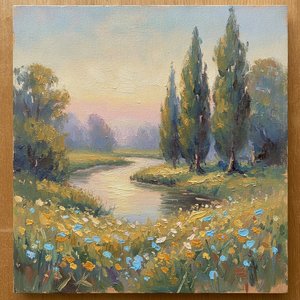
The Timeless Charm of Oil on Board: Reimagining Texture and Light through the Impressionist Lens
Discover the profound intimacy of oil on panel. Explore how Impressionist masters used rigid supports to capture light, texture, and impasto depth through exquisite, handmade oil reproductions for discerning collectors.

The Enduring Power of Painting: A Historical & Contemporary Exploration of Form and Emotion
Explore the rich history & enduring techniques of oil painting with OriginalUniqueArt. Discover masterpieces, learn about art collecting, and find authentic handmade reproductions crafted by skilled artists.

油彩のキャンバス:技法、歴史、そして現代の実践 - 古典美術愛好家へ
油彩の技法、歴史、巨匠たちの秘密を徹底解説。古典美術愛好家向けに、初期フランドル絵画から現代の実践まで深く掘り下げます。OriginalUniqueArtで高品質な複製画やカスタムオーダーも承ります。

The Enduring Legacy of Oil on Canvas: Technique, History & Aesthetic Impact
Explore the rich history & techniques of oil painting – from Renaissance masters to Impressionism. Discover pigments, layering methods, and why this timeless medium endures. Expert insights for artists & art enthusiasts.

Oil on Canvas: A Historical & Technical Exploration of a Timeless Artistic Medium
Explore the rich history & enduring techniques of oil painting on canvas. Discover the science behind its longevity, conservation practices, and contemporary relevance. Expert insights for art enthusiasts.