

 設置イメージを確認
 送る
送る シェア
シェア
 詳細情報
詳細情報 ガイドを表示

 画像をダウンロード
 似ている作品
 X線調査
X線調査 スライドショー
 統計情報
統計情報Deafness letter
 Manuscript
 1801
1801- 19th Century
 23.0 x 18.0 cm
 Beethoven-Haus Bonn
 続きを読む
続きを読む
ジークレー/アートプリント
スピーディーな制作と多彩な仕上げオプションが魅力の、ミュージアムクオリティなジークレー・キャンバスプリント。 ( 手描きの複製画を注文する デジタル画像販売へ切り替え)




P118B ¥10

P118H ¥10

P118W ¥10

P438Z ¥10

P508JH ¥12

P508YH ¥12

P805H ¥10

P805Z ¥10

P919BZ ¥10

P919G ¥10

P919XJ ¥10

P959ZH ¥10

P968JZ ¥12

W106C ¥8

W218G ¥10

W218JH ¥8

W218Y ¥10

W307PJ ¥10

W316G ¥10

W316PJ ¥8

W316Y ¥10

W398PJ ¥8

W4111J ¥10

W500HY ¥15

W500JH ¥15

W692G ¥12

W849H ¥8

W940BG ¥15

W953PJ ¥8




作品のオリジナル比率に合わせた、当店の規定サイズからお選びください。

額縁や壁のスペースに合わせて、ご希望の幅と高さを入力してください。プリントはカットすることは可能ですが、元の画像より大きくすることはできないため、異なる比率のサイズを選択された場合は、画像の一部が欠けることになります。印刷を開始する前に、内容を確認していただくためのデジタルモックアップをお送りいたします。このページに表示されている画像は、実際のカット後の状態を示すものではありません。実際の仕上がりはモックアップにてご確認ください。


 ガラスオプションは、110cm未満のサイズでのみご利用いただけます。

Deafness letter
ジークレー/アートプリント
複製画サイズ一覧
-


合計金額
¥ 12604
A Window into the Soul of a Genius
In the quiet intimacy of a single sheet of paper, we find one of the most profound intersections of human suffering and artistic resilience. The Deafness Letter, penned by Ludwig van Beethoven in 1801, is far more than a mere historical artifact; it is a visceral, handwritten fragment of a soul in crisis. This piece captures the moment when the composer, facing the terrifying onset of auditory loss, reached out to his brothers, Caspar Carl and Karl. The painting of this letter does not merely replicate ink on parchment; it breathes life into the frantic, cursive script that serves as a testament to a man grappling with the potential end of his musical world. To behold this work is to witness the raw, unvarnished vulnerability of a titan of the Classical era.
The visual composition of the piece draws the eye through the rhythmic flow of old-fashioned German handwriting, where certain words emerge with greater weight and urgency than others. The technique employed in this reproduction masterfully captures the texture of aged paper, evoking the tactile sensation of 19th-century correspondence. There is a haunting beauty in the way the light interacts with the simulated grain of the page, highlighting the delicate strokes of the quill. For the collector or the lover of history, the painting serves as a bridge to the past, offering a stylistic window into the transition from the structured elegance of the Classical period to the turbulent, emotional depths of the Romantic era.
The Weight of Silence and Symbolism
Beyond its historical significance, the Deafness Letter carries a profound symbolic weight that resonates with anyone who has faced insurmountable odds. The script itself becomes a metaphor for Beethoven’s struggle; the flowing lines represent the continuity of his creative spirit, even as the physical sensation of sound began to fade. There is a poignant tension held within the ink—a struggle between the silence encroaching upon his life and the enduring power of his musical voice. For interior designers seeking to add depth to a space, this piece offers an intellectual and emotional anchor, providing a conversation starter that speaks to themes of perseverance, legacy, and the indomitable human will.
Integrating such a piece into a curated collection or a sophisticated living space allows for a contemplative atmosphere. It is not merely a decoration but an invitation to reflect on the triumphs that emerge from tragedy. As a high-quality reproduction, it brings the gravity of Beethoven’s personal history into the modern home, wrapped in an aesthetic of timelessness. Whether placed in a study filled with books or as a focal point in a gallery-style room, the Deafness Letter commands attention through its quiet, melancholic dignity, reminding us that even in the face of profound loss, the music of the human spirit never truly ceases.
よくあるご質問
学生向けのルートヴィヒ・ヴァン・ベートーヴェン作「Deafness letter」に関するファクトシートはありますか?
「Deafness letter」のガイドは、作品のガイドページです。このページは印刷可能なファクトシートとなっており、作品のキャプション、クレジット、および詳細情報(作家名、制作年、技法、原寸大、所蔵)をまとめてご確認いただけます。
ルートヴィヒ・ヴァン・ベートーヴェン作「Deafness letter」が醸し出す感情的なトーンはどのようなものでしょうか?
「Deafness letter」は、Melancholicな感情を呼び起こします。この情緒的なトーンは、作品が与える印象を表しています。
その色彩から、ルートヴィヒ・ヴァン・ベートーヴェン作「Deafness letter」 はどの部屋に飾るのがおすすめですか?
ルートヴィヒ・ヴァン・ベートーヴェン作「Deafness letter」のNeutralsな色彩は、おすすめの空間であるOfficeに調和します。
アーティストについて
幼少期と音楽の黎明期
ルートヴィヒ・ヴァン・ベートーヴェン、ドイツが生んだ偉大なる作曲家でありピアニストである彼は、1770年にドイツのボンで産声を上げました。幼い頃から類まれな音楽的才能を見せていた彼は、数々の師に師事して研鑽を積み、その後、その生涯の大部分を過ごすことになるウィーンへと舞台を移しました。音楽的革新と、静寂の中での闘い
キャリアの大部分において聴覚障害という過酷な運命に見舞われながらも、ベートーヴェンは決して屈することはありませんでした。交響曲第9番や月光ソナタといった、クラシック音楽史上最も象徴的な傑作を次々と生み出し続けたのです。彼の革新的な楽曲は、声楽と器楽を融合させ、何世紀にもわたって数え切れないほどの音楽家たちに影響を与え続けている唯一無二の響きを創り上げました。主要な作品とその遺産
ベートーヴェンの輝かしい名作には、以下のようなものがあります:- ピアノとチェロのためのソナタ(イ長調)作品69 第1楽章(OriginalUniqueArt.comにて閲覧可能)
- ベートーヴェンのミサ・ソレムニスの手稿(Wikipediaにて閲覧可能)
- リヒノフスキー公カール・アロイスの庇護を受けた、3つの作品Op.1 ピアノ・ソナタ
影響力と不朽の名声
ベートーヴェンの最大の功績は、それまで声楽に劣ると見なされていた器楽を、芸術の最高到達点へと引き上げたことにあります。クラシック音楽における彼の存在感は計り知れず、彼の作品は今日でもレパートリーの中で最も頻繁に演奏されるものの一つとして君臨しています。 OriginalUniqueArt.comでベートーヴェンのさらなる作品を探求する: ルートヴィヒ・ヴァン・ベートーヴェン | 30の芸術作品 Wikipediaでベートーヴェンの生涯と音楽について詳しく学ぶ: ルートヴィヒ・ヴァン・ベートーヴェン - Wikipedia
ルートヴィヒ・ヴァン・ベートーヴェン
1770 - 1827 , ドイツ
アーティスト情報
- Artistic Movement Or Style: 古典派・ロマン派
- Artists Or Movements Influenced By This Artist:
- ヨハネス・ブラームス
- ロベルト・シューマン
- Artists Who Influenced This Artist:
- フランツ・ヨーゼフ・ハイドン
- クリスティアン・ゴットロープ・シュルツ
- Date Of Birth: 1770年 ドイツ、ボン
- Date Of Death: 1827年 オーストリア、ウィーン
- Full Name: ルートヴィヒ・ヴァン・ベートーヴェン
- Nationality: ドイツ
- Notable Artworks:
- 月光ソナタ
- 交響曲第9番
- Place Of Birth: ドイツ、ボン
関連記事
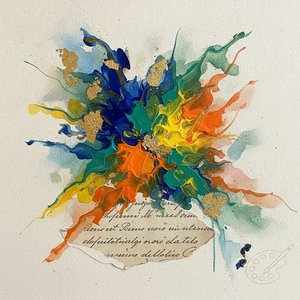
Mastering Acrylic on Paper: An Expert Guide to Texture, Color Theory, and Modern Techniques
Elevate your artistry with our expert guide to acrylic on paper. Master advanced techniques in texture, color theory, and layering to create professional-grade modern masterpieces. Perfect for art students seeking technical depth and creative excellence.
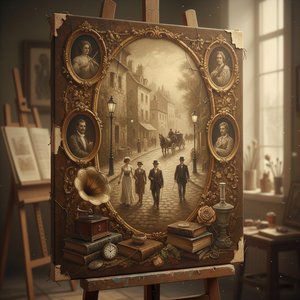
Echoes of Time: Nostalgia, Technique & Cultural Significance in Vintage Paintings
Explore the captivating world of vintage paintings! Discover key styles, cultural significance & collecting tips from art experts at OriginalUniqueArt. Find authentic reproductions and elevate your home décor.

Mastering Ink on Paper: The Timeless Art of Precision, Flow, and Calligraphic Heritage
Explore the profound mastery of ink on paper. From Japanese haiku traditions to Ming Dynasty calligraphy, discover the delicate balance of precision and flow that defines this timeless art form through an expert historical lens.

German Expressionism's 10 Defining Masterpieces | Art for Your Home
Explore 10 defining German Expressionism masterpieces – from Munch's 'The Scream' to Kandinsky’s abstracts. Discover the artists, stories & bold colors behind this powerful art movement. Find museum-quality reproductions at OriginalUniqueArt.com.
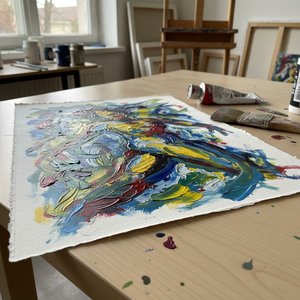
Acrylic on Paper: A Modern Canvas for Contemporary Expression
Explore the versatility of acrylic painting on paper! Discover expert techniques, artist insights & archival practices for creating stunning contemporary art. Learn more at OriginalUniqueArt.