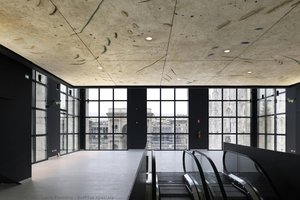
設置イメージを確認
 送る
送る シェア
シェア
 詳細情報
詳細情報 ガイドを表示

 画像をダウンロード
 似ている作品
 X線調査
X線調査 スライドショー
 統計情報
統計情報Spatial concept


 続きを読む
続きを読む
このページに掲載されている作品は著作権法によって保護されており、当社の許可なく同一の複製物を制作または販売することは法律で禁じられています。この保護は、以下のような国際条約に基づき執行されます。 ベルヌ条約 および、以下の条項に定められたものを含む各国の法律により、 米国著作権法 第17編。
この手法は、著作権で保護された作品の複製や複写を伴わないため、著作権法に完全に準拠しています。これは単なる模倣ではなく、創造的な再解釈です。元の作品からインスピレーションを受けつつも、それとは異なる、全く新しい絵画を生み出すものです。
ジークレー/アートプリント
スピーディーな制作と多彩な仕上げオプションが魅力の、ミュージアムクオリティなジークレー・キャンバスプリント。 ( 手描きの複製画を注文する デジタル画像販売へ切り替え)




P118B ¥10

P118H ¥10

P118W ¥10

P438Z ¥10

P508JH ¥12

P508YH ¥12

P805H ¥10

P805Z ¥10

P919BZ ¥10

P919G ¥10

P919XJ ¥10

P959ZH ¥10

P968JZ ¥12

W106C ¥8

W218G ¥10

W218JH ¥8

W218Y ¥10

W307PJ ¥10

W316G ¥10

W316PJ ¥8

W316Y ¥10

W398PJ ¥8

W4111J ¥10

W500HY ¥15

W500JH ¥15

W692G ¥12

W849H ¥8

W940BG ¥15

W953PJ ¥8




作品のオリジナル比率に合わせた、当店の規定サイズからお選びください。

額縁や壁のスペースに合わせて、ご希望の幅と高さを入力してください。プリントはカットすることは可能ですが、元の画像より大きくすることはできないため、異なる比率のサイズを選択された場合は、画像の一部が欠けることになります。印刷を開始する前に、内容を確認していただくためのデジタルモックアップをお送りいたします。このページに表示されている画像は、実際のカット後の状態を示すものではありません。実際の仕上がりはモックアップにてご確認ください。


 ガラスオプションは、110cm未満のサイズでのみご利用いただけます。

Spatial concept
ジークレー/アートプリント
複製画サイズ一覧
-


合計金額
¥ 12582
Exploring Spatial Depth: Lucio Fontana’s “Spatial Concept”
Lucio Fontana's "Spatial Concept," a deceptively simple image of a heart pierced with a hole, encapsulates the core tenets of Fontana’s groundbreaking spatialist philosophy. More than just a depiction of an anatomical symbol—the heart representing love and vulnerability—this artwork speaks to a profound reconsideration of artistic representation itself. It marks a pivotal moment in postwar art, rejecting illusionistic painting for a radical embrace of materiality and conceptual exploration.- The Visual Language of Spatialism: Fontana’s approach stemmed from his fascination with the mathematics of space—specifically, projective geometry—which challenged traditional perspective systems. He sought to dismantle the conventions of Western art by questioning how we perceive reality, arguing that painting should not merely imitate what is seen but actively engage with its underlying structure.
- Material Innovation: The artwork’s execution utilizes a technique Fontana termed “Concetti Spaziali,” or Spatial Concepts. He achieved this effect by perforating thin sheets of metal or cardboard—often painted—creating incisions that disrupt the surface and invite viewers to contemplate the emptiness beyond. This deliberate act of intervention is crucial; it isn't about filling space but rather exposing its inherent potential for expansion.
- Symbolic Resonance: The heart itself carries significant symbolic weight, representing compassion, emotion, and connection—themes central to Fontana’s humanist worldview. However, the hole transcends mere representation, functioning as a visual metaphor for openness, transformation, and the infinite possibilities inherent in existence. It suggests that true beauty lies not in completeness but in acknowledging the void.
Historical Context: Challenging Artistic Tradition
Fontana’s work emerged during a period of intense artistic experimentation following World War II. Artists across Europe were grappling with the trauma and disillusionment of the conflict, rejecting sentimental narratives for more intellectually stimulating forms of expression. Fontana's Spatial Concepts directly confronted the dominance of Cubism and Surrealism, offering an alternative path toward artistic innovation. He positioned himself as a rebel against established conventions, asserting that art should strive to transcend mere visual imitation.- Influence on Minimalism: “Spatial Concept” profoundly influenced the burgeoning minimalist movement, demonstrating the power of reductive forms and materials to convey complex ideas. Artists like Donald Judd embraced Fontana’s approach, prioritizing geometric precision and rejecting ornamentation—a deliberate rejection of the excesses of preceding artistic styles.
- A Dialogue with Eastern Philosophy: Fontana's explorations extended beyond Western art history, drawing inspiration from Zen Buddhism and Taoism. These philosophies emphasized emptiness and interconnectedness—concepts that resonated deeply with Fontana’s desire to represent the universe not as a static object but as an active process of becoming.
Emotional Impact: Contemplation and Revelation
Ultimately, “Spatial Concept” compels viewers to confront questions about perception and reality. The simple image—a heart pierced with a hole—provokes contemplation on themes of vulnerability, transformation, and the boundless expanse of existence. Fontana’s intention wasn't merely to depict something beautiful; he sought to elicit an emotional response—one that acknowledges the inherent limitations of human understanding while simultaneously embracing the possibility of revelation. The artwork invites us to consider what lies beyond our immediate grasp, prompting a deeper engagement with both art and life itself.よくあるご質問
ルチオ・フォンタナ作「Spatial concept」は、どの芸術運動に属していますか?
ルチオ・フォンタナ作「Spatial concept」はSpatialismに属しています。このムーブメントは、本作の様式的な背景を形作るものです。
注文前にルチオ・フォンタナ作「Spatial concept」をプレビューすることはできますか?
ルチオ・フォンタナ作「Spatial concept」のプレビューは、作品のプレビューページでご確認いただけます。
「Spatial concept」のファインアートプリントは販売されていますか?
ルチオ・フォンタナ作「Spatial concept」のプリントは、こちらのファインアートプリントページから直接ご注文いただけます:コットンキャンバスまたはアーカイブ品質のキャンバスペーパーに施されたファインアートプリント
アーティストについて
ルチオ・フォンタナ:空間の概念を切り開いた革新者
ルチオ・フォンタナは、20世紀美術における革命的な革新者として、その名を歴史に刻んでいます。1899年、アルゼンチン・ロサリオにイタリア人両親のもとに生まれ、彫刻家である父ルイジ・フォンタナの影響を受けながら芸術的才能を育みました。幼少期を過ごした後、ヨーロッパへと渡り、ミラノのブレラ美術アカデミーで学び、当時の最先端のアバンギャルド運動に没頭しました。しかし、彼のキャリアは常に故郷アルゼンチンとの繋がりを持ち続け、その帰国と経験が彼の芸術的視点に深みを与え、既存の芸術的境界線を打ち破る決意を固めました。初期の作品には彫刻や絵画における写実的な要素が見られますが、徐々に抽象へと移行し、彼自身が切り開くであろう革新的な道筋を示唆していました。戦後の混乱と空間主義の誕生
第二次世界大戦の激しい破壊と混乱は、フォンタナにとって芸術の目的を再定義する必要性を強く認識させる転換点となりました。彼は伝統的な絵画が二次元性に縛られ、芸術を静的な平面に閉じ込めていると考えました。そこで彼は、無限の深さと可能性を持つ空間を取り込み、芸術作品そのものとして統合する新たな表現形式を構想しました。1940年代後半から始まった彼の最も象徴的なシリーズは、キャンバスに切り込みや穴を開けるという大胆な試みでした。これは破壊行為ではなく、むしろ意図的な介入であり、無限の宇宙を象徴する虚空を露わにするものでした。鋭利な刃で施された切り込みは正確かつ目的を持っており、キャンバスを別の次元への窓へと変貌させました。フォンタナは絵画を破壊しているのではなく、その限界から解放していたのです。この試みを通して、彼は空間主義(Spatialism)という運動を提唱し、物質、色彩、そして音の動きが同時に発展することで新しい芸術が生み出されると主張しました。影響と芸術的親和性
フォンタナの芸術的探求は孤立したものではなく、多様な影響を受けながら独自の視覚言語へと昇華していきました。フィンセント・ファン・ゴッホの表現力豊かな筆致から感情の強さを深く感銘を受け、ピーテル・ブリューゲルを老練の巨匠として高く評価し、社会批判的な視点に触発されました。しかし、ポーランド人芸術家ヤン・グレゴシュ・スタニスワスキとの出会いが、彼の芸術的進歩に決定的な影響を与えました。「マリー」シリーズにおける光と色彩の探求は、フォンタナの抽象表現に対するアプローチを深く変革しました。さらに、パリのアブラクション・クレアシオンへの参加を通じて、最先端のアバンギャルドアーティストとの交流を深め、実験精神を刺激しました。ゼロやヌーヴォー・レアルスムなど、戦後の他の芸術運動とも共通点を見出しますが、フォンタナの作品は独自の革新性によって際立っています。切り込みを超えて:次元への探求
切り込みが入ったキャンバスが彼の最も有名な業績として広く知られていますが、フォンタナの空間に対する探求はそれだけに留まりませんでした。彼は穴あき絵画を制作し、キャンバス表面に実際の開口部を作り出すことで、空間的な深みをさらに強調しました。また、彫刻にも取り組み、二次元作品に見られるボリュームと虚空のテーマを反映した作品を生み出しました。特に大規模な天井インスタレーションである「空間的天井」は野心的であり、環境全体を変容させ、無限の空間を感じさせる没入型の体験を作り出しました。これらの大規模な創造物は、鑑賞者を芸術と建築の境界線を曖昧にし、絵画と彫刻を融合させた世界へと誘いました。フォンタナの影響は、ミニマリズムなど、後世代のアーティストに計り知れないほど及んでいます。彼は形式と素材性に焦点を当てた還元主義的な美学を奨励し、芸術的価値に関する従来の概念に挑戦しました。永続する共鳴
1968年、イタリア・コマビオでフォンタナが亡くなったことは、目覚ましいキャリアの終焉を告げると同時に、彼の影響力の衰退を意味しませんでした。今日、彼の作品は世界中の著名な美術館に収蔵されており、その永続的な遺産を物語っています。ニューヨーク近代美術館からオーストラリアのバラレート美術館まで、彼の作品は高く評価され、後世に受け継がれています。フォンタナは、単にキャンバスに絵を描いたのではなく、空間そのものと関わり合い、無限の可能性を秘めた世界への考察を促す作品を生み出しました。彼の遺産は、切り込みが入ったキャンバスのコレクションにとどまらず、現実を新たな視点から認識するための深遠な招待状なのです。彼は芸術が表現を超え、存在そのものを探求できることを示しました。
ルチオ・フォンタナ
1899 - 1968 , アルゼンチン
アーティスト情報
- フルネーム: ルチオ・フォンタナ
- 主な作品:
- Concetto Spaziale, Attese
- 空間的概念
- 切り裂かれたキャンバス
- 出生地: ロサリオ、アルゼンチン
- 国籍: アルゼンチン系イタリア人
- 影響を与えた芸術家または運動:
- ゼロ
- ヌーヴォーレアリズム
- ミニマリズム
- 影響を受けたアーティスト:
- ヴァン・ゴッホ
- ブリューゲル
- スタニスワフスキー
- 死亡年月日: 1968年9月21日
- 生年月日: 1899年2月19日
- 芸術運動またはスタイル: 空間主義(Spazialismo)