

 設置イメージを確認
 送る
送る シェア
シェア
 詳細情報
詳細情報 ガイドを表示

 画像をダウンロード
 似ている作品
 X線調査
X線調査 スライドショー
 Q&A
Q&A 統計情報
統計情報Resurrection
 Acrylic On Canvas
- WallArt
- Baroque
 114.0 x 116.0 cm
 Residenzgalerie
 続きを読む
続きを読む
ジークレー/アートプリント
スピーディーな制作と多彩な仕上げオプションが魅力の、ミュージアムクオリティなジークレー・キャンバスプリント。 ( 手描きの複製画を注文する デジタル画像販売へ切り替え)




P118B ¥10

P118H ¥10

P118W ¥10

P438Z ¥10

P508JH ¥12

P508YH ¥12

P805H ¥10

P805Z ¥10

P919BZ ¥10

P919G ¥10

P919XJ ¥10

P959ZH ¥10

P968JZ ¥12

W106C ¥8

W218G ¥10

W218JH ¥8

W218Y ¥10

W307PJ ¥10

W316G ¥10

W316PJ ¥8

W316Y ¥10

W398PJ ¥8

W4111J ¥10

W500HY ¥15

W500JH ¥15

W692G ¥12

W849H ¥8

W940BG ¥15

W953PJ ¥8




作品のオリジナル比率に合わせた、当店の規定サイズからお選びください。

額縁や壁のスペースに合わせて、ご希望の幅と高さを入力してください。プリントはカットすることは可能ですが、元の画像より大きくすることはできないため、異なる比率のサイズを選択された場合は、画像の一部が欠けることになります。印刷を開始する前に、内容を確認していただくためのデジタルモックアップをお送りいたします。このページに表示されている画像は、実際のカット後の状態を示すものではありません。実際の仕上がりはモックアップにてご確認ください。


 ガラスオプションは、110cm未満のサイズでのみご利用いただけます。

Resurrection
ジークレー/アートプリント
複製画サイズ一覧
-


合計金額
¥ 12633
Luca Giordano’s “Resurrection”: A Symphony of Light and Divine Awakening
Luca Giordano's "Resurrection," painted circa 1665 in the heart of Naples, isn’t merely a depiction of a biblical event; it’s an immersive experience—a vibrant testament to the artist’s revolutionary approach to Baroque painting. More than just a religious scene, it embodies a profound sense of movement, luminosity, and emotional intensity that immediately captivates the viewer. Giordano, nicknamed “Luca fa presto” for his prodigious speed and versatility, had already established himself as a master of capturing dramatic action and realistic figures, but this work represents a pivotal shift in his style—a conscious embrace of light and color that would define his legacy.
The painting immediately draws the eye to Christ’s resurrected form. He is not depicted as a static, ethereal figure, but rather as a dynamic force being lifted heavenward by a multitude of angels. The composition is carefully orchestrated: the dark foreground, dominated by startled Roman soldiers, serves as a dramatic counterpoint to the radiant light emanating from Christ and his ascent. Giordano masterfully employs chiaroscuro—the interplay of light and shadow—to heighten the sense of drama and create an almost theatrical effect. Notice how the shadows cling to the figures in the foreground, emphasizing their astonishment and vulnerability, while the light washes over Christ’s body, highlighting its physicality and conveying a powerful message of rebirth.
The Neapolitan Baroque: Giordano's Innovative Palette
Giordano’s style was deeply rooted in the artistic traditions of Naples, yet he boldly pushed beyond the somber palette favored by his predecessor, Jusepe de Ribera. While influenced by Ribera’s dramatic realism and anatomical precision—evident in the muscularity of Christ’s body and the detailed rendering of the soldiers—Giordano infused his work with a newfound vibrancy and luminosity. He drew inspiration from Venetian masters like Titian and Veronese, incorporating their techniques for creating rich color harmonies and dynamic compositions. The use of ochre, crimson, and gold creates an opulent atmosphere, suggesting not just resurrection but also divine grace and power.
The artist’s technique is particularly noteworthy. Giordano employed a rapid, almost frenetic brushstroke—a characteristic that earned him his nickname “Luca fa presto.” This technique allowed him to capture the fleeting expressions of emotion on the faces of the soldiers and create a sense of movement within the composition. He also utilized a layering technique, applying thin glazes of color over previous layers to build up depth and luminosity. The result is a surface that seems to shimmer with light—a testament to Giordano’s mastery of color and his innovative approach to painting.
Symbolism and Spiritual Resonance
Beyond its technical brilliance, “Resurrection” is rich in symbolic meaning. The soldiers, initially frozen in terror, represent the human condition—our vulnerability and our need for salvation. Their awakening signifies a shift from darkness to light, fear to faith. Christ’s outstretched arms symbolize his sacrifice and his triumph over death. The angels, depicted with dynamic gestures, embody divine intervention and the promise of eternal life. The sword at the bottom left corner, often interpreted as representing the power of judgment, subtly underscores the gravity of the event while simultaneously hinting at the possibility of redemption.
Furthermore, the scene’s setting—a humble Roman house—adds another layer of meaning. It suggests that salvation is not confined to a grand cathedral or a sacred temple but can be found in everyday life. Giordano's choice to depict this pivotal moment within a domestic space elevates it from a purely religious narrative to a universal story of hope and renewal. The painting invites contemplation on themes of faith, sacrifice, and the enduring power of the human spirit.
A Legacy of Light: Reproductions and Artistic Inspiration
“Resurrection” remains one of Luca Giordano’s most celebrated works, admired for its dramatic intensity, vibrant color palette, and innovative technique. Today, high-quality reproductions offer a remarkable opportunity to experience this masterpiece firsthand. Whether adorning a grand salon or a smaller interior space, a reproduction of “Resurrection” can infuse any room with a sense of drama, spirituality, and timeless beauty. It’s a powerful reminder of Giordano's revolutionary contribution to the Baroque era—a testament to his ability to capture not just the likeness of his subjects but also their very souls.
よくあるご質問
ルカ・ジョルダーニ作「Resurrection」は、どのような色彩の調和を見せていますか?
「Resurrection」の色彩の調和は、Balanced Harmonyと表現されます。
ルカ・ジョルダーニ作「Resurrection」には何が描かれており、どのような情緒が漂っていますか?
「Resurrection」にはresurrection, christ, mary, angels, biblical, figures, dramatic, lightが描かれており、その情緒はDramaticと表現されています。
原画の"Resurrection"のサイズはどのくらいですか?
原画のルカ・ジョルダーニ作「Resurrection」のサイズは114 x 116 cmです。
アーティストについて
ナポリのダイナモ:ルカ・ジョルダーノの生涯と芸術
1634年にナポリで生まれたルカ・ジョルダーノという名は、瞬く間にバロック後期の溢れんばかりの精神を象徴する代名詞となりました。彼は単なる画家ではありませんでした。それは自然界の力そのものであり、その多作な作品群はキャンバスのみならず、イタリアからスペインに至るまで、数々の建築空間をも変貌させた創造性の旋風でした。父アントニウム・ジョルダーノが彼の芸術的訓練の基礎を築きましたが、若きルカが真に独自の道を切り拓き始めたのは、厳格ながらも卓越した師、ジュセッペ・デ・リベラの指導の下でのことでした。この初期の修行は彼に消し去ることのできない足跡を残し、初期作品に見られる劇的な緊張感や人物の写実的な描写に色濃く反映されています。しかし、リベラのしばしば陰鬱なパレットとは対照的に、ジョルダーノは光輝と動きに対して天性の傾向を持っていました。この性質こそが、最終的に彼の唯一無二のスタイルを定義することになります。当時から、彼はその驚異的なスピードと底知れぬエネルギーの証として、「ルカ・ファ・プレスト(速いルカ)」という愛称で呼ばれていました。彼は単に技術に長けていただけでなく、同時代の芸術家たちを驚愕させるほどの容易さで、深い感情や目も眩むようなスペクタクルを捉えることができたのです。ナポリからスペインへ:絶え間なき躍動のキャリア
ジョルダーノの芸術的な旅路は、決して停滞することのないものでした。それは依頼と旅によって推進されるダイナミックな進展であり、イタリア半島からその遥か彼方へと彼を導きました。ナポリで新星としての地位を確立した後、彼はローマ、フィレンツェ、ヴェネツィアへと向かい、それぞれの都市の多様な影響をスポンジのように吸収していきました。ヴェネツィアではティツィアンやヴェロネーゼの作品を学び、初期の修行で培ったテネブリズム(明暗法)とは対照的な、鮮やかな色彩パレットとダイナミックな構図を取り入れました。フィレンツェでは重要なフレスコ画のサイクルを手掛け、特にカルミネ教会のコルシーニ礼拝堂のドームに見られる作品は、錯視的な空間構成と物語的な表現における彼の成熟しつつある技量を示しています。しかし、彼の国際的な名声を決定づけたのは、スペインでの10年間にわたる滞在(1682年〜1692年)でした。チャールズ2世の宮廷画家へと任命されたジョルダーノは、豪華なフレスコ画によってスペインの室内空間を一変させ、より抑制的であったスペインの芸術伝統に、イタリア特有の奔放なエネルギーを注入したのです。神聖な知恵を讃える寓意的なフレスコ画で彩られたフィレンツェのリカルディアナ図書館は、この時期の証として、知的な深みと視覚的な華麗さを融合させる彼の能力を今に伝えています。様式の統合:ジョルダーノの芸術的署名
ジョルダーノの天才性は、全く新しい技法を編み出したことではなく、既存の技法を極めて流動的で装飾的なスタイルへと統合した点にありました。彼はリベラから受け継いだ劇的な写実主義、ヴェネツィア派の画家たちに触発された光り輝く色彩主義、そしてピエトロ・ダ・コルトーナを彷彿とさせるダイナミックな構図を見事に融合させたのです。その筆致は自由で自発性に満ち、あたかも努力を要さないかのような優雅さを醸し出していました。彼は装飾を取り入れることを恐れず、キャンバスを複雑なディテールや渦巻く衣襞(いへき)で埋め尽くしました。これこそが彼の成熟したスタイルの真骨頂です。このアプローチにより、宗教的な場面から神話の物語、肖像画、そして装飾的な計画に至るまで、あらゆる主題に対して等しく見事な手腕で取り組むことができました。ベルリン美術館に収蔵されているパリスの審判は、この統合を見事に体現しています。それは、紛れもないバロック的な情緒をもって描かれた、古典神話の鮮烈な展示なのです。ナポリ大聖堂や様々なナポリの宮殿に見られる彼のフレスコ画は、記念碑的な業績であり、建築空間を、観る者を色彩とドラマの世界へと包み込む没入型の視覚体験へと変貌させました。遺産と影響:巨匠が残した不朽のインパクト
ルカ・ジョトムノの影響は、彼自身の生涯を遥かに超えて広がりました。彼はパオロ・デ・マッテイスをはじめとする多くの弟子を育て上げ、彼らは自らも成功した芸術家として、その様式的な革新をイタリア全土、そして国外へと広めていきました。彼の作品は盛期バロックとロココ期の架け橋となり、18世紀の芸術を特徴づける、より軽やかで遊び心のある美学への道を開いたのです。600点を超える絵画と数多くのフレスコ画サイクルと推定されるその多作な遺産は、今日でも人々を魅了し続けています。ナポリのカポディモンテ宮殿には彼の作品の宝庫が今も残されており、彼の芸術的進化を包括的に辿ることができます。技術的な熟練度と感情的な深みをシームレスに融合させるジョルダーノの能力は、イタリア・バロックにおける最も重要で愛すべき人物の一人としての地位を確固たるものにしています。彼は1705年、故郷ナポリでその生涯を閉じましたが、彼が残した遺産は、今もなお芸術家や美術愛好家たちにインスピレーションを与え続けています。主要作品と芸術的つながり
以下は、注目すべき作品と芸術的なつながりの一部です:- パリスの審判(ベルリン美術館):ジョルダーノの神話画の代表例であり、鮮やかな色彩とダイナミックな構図を示しています。
- 神殿での医者たちとキリスト(ローマ、コルシーニ・ギャラリー):宗教的な物語における彼の技量と、光と影の習熟を証明しています。
- フィレンツェおよびナポリのフレスコ画:建築空間を没入型の視覚体験へと変貌させた記念碑的な作品群。
- 影響を与えた画家:ジュセッペ・デ・リベラ、ティツィアン、ヴェロネーゼ、ピエトロ・ダ・コルトーナ
- 影響を受けた芸術家:パオロ・デ・マッテイス、および次世代のナポリ派の画家たち。
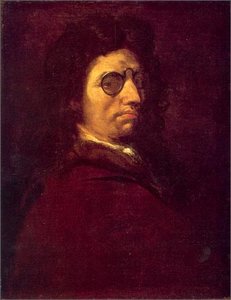
ルカ・ジョルダーニ
1634 - 1705 , イタリア
アーティスト情報
- Artistic Movement Or Style: 後期バロック
- Artists Who Influenced This Artist:
- ヨセペ・デ・リベラ
- ティツィアノ
- ヴェロネーゼ
- ピエトロ・ダ・コルトナ
- Date Of Birth: 1634年10月18日
- Date Of Death: 1705年1月3日
- Full Name: Luca Giordano
- Nationality: イタリア人
- Notable Artworks:
- パリス審判
- キリストと医師たち
- ナポリ大聖堂のフレスコ
- Place Of Birth: ナポリ、イタリア
関連記事

The Dramatic Flourish: Exploring the Baroque Movement's Enduring Legacy in Art History
Explore the dramatic world of Baroque art! Discover iconic artists like Caravaggio & Rubens, defining techniques, and its lasting impact on art history. Expert insights for collectors & enthusiasts at OriginalUniqueArt.

The Visceral Stage: Exploring Dramatic Narratives & Emotional Intensity in Baroque Art
Explore the dramatic world of Baroque art! Discover iconic masters like Caravaggio & Rembrandt, their techniques, and the movement's lasting impact. Expert insights for collectors & enthusiasts at OriginalUniqueArt.

バロック美術を極めた至宝:時代を彩る10大名作の世界
バロック美術の華!カラヴァッジョ、ベルニーニら巨匠が創り上げた10大名作を徹底解剖。ドラマチックな色彩と豪華絢爛の世界観に触れ、至宝のアートプリントで空間を彩ろう。OriginalUniqueArt.comで美術館品質の複製と洗練されたインテリアを見つけましょう!
Luca Giordano: Neapolitan Baroque Master & His European Influence
Explore the life & works of Luca Giordano, the celebrated Neapolitan Baroque master. Discover his prolific fresco cycles, Roman commissions, and lasting influence on European art history. Learn more at OriginalUniqueArt.

Drama and Light: A Definitive Guide to the Italian Baroque Masterpieces and the Revolution of Chiaroscuro
Explore the dramatic world of Italian Baroque art. Discover how masters like Caravaggio used chiaroscuro and tenebrism to revolutionize painting through light, shadow, and profound realism. A definitive guide for history lovers and art collectors.