

 送る
送る シェア
シェア
 詳細情報
詳細情報 ガイドを表示

 画像をダウンロード
 似ている作品
 スライドショー
 統計情報
統計情報Madonna and Child between Two Angels
 Ceramic
- Sculpture
- Renaissance
 1450
1450 100.0 x 100.0 cm
 プラド美術館
 続きを読む
続きを読む
手描き油彩複製画
当社のアーティストが、お客様のご希望のサイズと額縁に合わせて、キャンバスに手描きで制作する油彩画です。 ( プリント版に切り替え デジタル画像販売へ切り替え)




































作品のオリジナル比率に合わせた、当店の規定サイズからお選びください。

特定のフレームやスペースに合わせて、ご希望のサイズをご入力いただけます。選択されたサイズが元の画像の比率と異なる場合、アートワークをトリミングするか、手描きで要素を追加して絵画を拡張いたします。デジタルモックアップ を制作し、制作開始前にご確認(承認)をいただきます。
画面上のプレビューは、実際のトリミングや拡張を正確に反映しているものではありません。最終的な構図は、モックアップによってのみ正確にご確認いただけます。
カスタムサイズもご利用いただけますが、元の比率を維持するためには、あらかじめ用意されたリストからサイズを選択することをお勧めいたします。
ご注文後、OriginalUniqueArt.com チームより詳細な指示をお送りするとともに、仕上がりイメージ(モックアップ)をご提供いたします。


 ガラスオプションは、110cm未満のサイズでのみご利用いただけます。

Madonna and Child between Two Angels
再現技法
複製画サイズ一覧
-


合計金額
$ 350
A Serene Vision of Divine Grace
Luca della Robbia’s “Madonna and Child between Two Angels,” crafted around 1450, isn't merely a depiction of the Virgin Mary cradling her infant son; it’s an immersion into the heart of Renaissance piety and artistic innovation. This circular ceramic relief, measuring a generous 100 x 100 centimeters, radiates a quiet serenity that speaks volumes about the era’s fascination with idealized beauty, spiritual contemplation, and the mastery of new materials. The piece immediately draws the eye with its luminous turquoise background – a daring choice for the period – which provides a striking contrast to the creamy white figures at its center. It's a testament to della Robbia’s pioneering spirit, as he was one of the first artists to truly embrace terracotta as a medium capable of achieving both delicate detail and vibrant color through the application of glazes.
The composition itself is remarkably balanced. The Virgin Mary, rendered with a gentle grace that borders on ethereal, holds her son close, their bodies subtly intertwined in a gesture of profound love and protection. Two angels flank them, not as imposing figures of judgment or power, but rather as serene attendants, offering a sense of guardianship and divine presence. Notice the subtle details: Mary’s flowing veil, the delicate folds of her robe, the gentle curve of the infant Jesus's cheek – all executed with an exquisite attention to anatomical accuracy and expressive nuance that was revolutionary for its time. The placement of the angels is key; they aren’t simply positioned on either side but actively participate in the narrative, their hands raised in a gesture of blessing and adoration.
The Art of Terracotta: Innovation and Legacy
Luca della Robbia's genius lay not just in his artistic skill but also in his mastery of terracotta sculpture. He essentially invented a new technique – the use of tin-glazed terracotta – that allowed for both intricate detail and vibrant, enduring color. This wasn’t simply painting on clay; it involved layering multiple glazes to achieve a depth and luminosity previously unseen in ceramic art. The process was painstaking, requiring immense patience and technical expertise. The resulting surface is tactile and remarkably durable, a testament to della Robbia's innovative approach. His workshop produced not just individual masterpieces but also casts of his works, making them accessible to a wider audience – a significant development in the dissemination of Renaissance art.
Consider the historical context: Florence during the 15th century was a crucible of artistic innovation, fueled by the patronage of powerful families like the Medici. Della Robbia’s work reflects this spirit of experimentation and ambition. He drew inspiration from classical sculpture but infused it with his own unique vision – a blend of realism, idealism, and spiritual depth. The influence of Donatello is palpable in the figures' naturalism and expressive gestures, while the elegance of Botticelli can be seen in the composition’s harmonious balance and graceful lines.
Symbolism and Spiritual Resonance
Beyond its aesthetic beauty, “Madonna and Child” is rich in symbolic meaning. The pomegranate, held by Mary, is a potent symbol of fertility, abundance, and divine grace – echoing the biblical story of Eve and the serpent. The halos surrounding the figures signify their holiness and connection to the divine realm. The angels themselves represent guardianship, protection, and the presence of God’s messengers. The circular form further emphasizes unity and completeness, reflecting the concept of a perfect, unbroken circle of love and devotion.
Furthermore, the piece embodies the core tenets of Renaissance humanism – a renewed interest in classical ideals, a celebration of beauty, and a belief in the potential for human achievement. It’s not simply a religious image; it's an exploration of human emotions, relationships, and the spiritual realm. The serene expression on Mary’s face, combined with the gentle tenderness of her embrace of the child, evokes feelings of peace, reverence, and maternal love – qualities that continue to resonate deeply with viewers today.
A Timeless Masterpiece
Luca della Robbia's “Madonna and Child between Two Angels” stands as a testament to the enduring power of Renaissance art. Its exquisite craftsmanship, profound symbolism, and serene beauty have captivated audiences for centuries. Whether admired in its original form or reproduced in high-quality prints, this masterpiece continues to offer a glimpse into the heart of human experience – a timeless celebration of divine grace, maternal love, and artistic genius.
アーティストについて
釉薬を纏った土の巨匠:ルカ・デッラ・ロッビアの生涯と遺産
古典的な理想の再生と解剖学的な完璧さの追求によって定義された、フィレンツェ・ルネサンスの核心部において、ルカ・デッラ・ロッビアは彫刻という媒体そのものを変貌させた先見的な芸術家として現れました。同時代の芸術家たちが、大理石の重厚な永続性やブロンズの煌びやかな威信の中に栄光を求めた一方で、ルカは謙虚な「土」の中に、深く、光り輝く美しさを見出したのです。1399年から1忘82年にわたる彼の生涯は、錫釉テラコッタ技法の完成に捧げられました。この技法は、彼個人の遺産を決定づけただけでなく、イタリアの宗教的・市民的な景観に、鮮やかで色彩豊かな声を与えることとなったのです。
フィレンツェの熟練した職人の家系に生まれたルカの若き日は、フィレンツェの工房における厳格な伝統に深く浸っていました。彼の形成期の多くは歴史の霧の中に隠されていますが、その芸術的なDNAが、当時の巨匠たちによって紛れもなく形作られたことは間違いありません。彼はドナテッロやギベルティと同じ知的・創造的なサークルの中で活動し、キリスト教への信心と古典古代の優雅さを融合させようとする、当時芽生えつつあったヒューマニズム(人文主義)の精神を吸収していきました。特にフィレンツェ洗礼堂の記念碑的なプロジェクトに携わった初期の経験は、人間の感情の微細なニュアンスや生命の繊細な質感を捉えようとする「自然主義」の進化を、彼が目の当たりにする機会となったのです。
色彩と粘土における革新
ルカ・デッラ・ロッビアの真の天才性は、それまで石彫に次ぐ二次的なものと考えられていた媒体において、革新をもたらした点にあります。独自の錫釉を開発することで、彼は白と青の鮮烈なパレットを可能にする、美しく耐候性に優れた仕上げを実現しました。デッラ・ロッビア様式としばしば呼ばれるこの技法は、彫刻的な浮彫(レリーフ)に、かつてないほどの輝きをもたらしました。大理石の単色で禁欲的な厳かさとは対照的に、ルカの作品は天上の光のような輝きを放ち、光が精神的な瞑想において極めて重要な役割を果たす教会の祭壇や回廊にとって、理想的な存在となったのです。
彼の技術的な習熟は、純粋芸術と装飾的な卓越性の間の溝を埋めることとなりました。その工程には、釉薬がひび割れたり輝きを失ったりすることなく粘土に完璧に密着するように、化学的知識や窯の温度に関する深い理解が求められました。この革新は、芸術の親しみやすさに多大な影響を与えました。大理石が最もエリートな依頼のためのものだった時代において、ルカの釉薬テラコッタはある程度の再現性を持って制作することが可能であり、彼の美学は大聖堂からより小規模で親密な礼拝空間に至るまで、広く浸透していくこととなったのです。
信心深いヴィジョン:主題と業績
ルカの作品群の主題は、クアトロチェント(15世紀)の宗教的情熱に深く根ざしていました。彼の彫刻は「視覚的な説教」として機能し、慈しみ、敬虔さ、そして畏敬の念を呼び起こすように設計されていました。彼の手を通じて、キリスト教の伝統における最も神聖な人物たちは、信徒たちの心に深く響くような、人間味のある温かみをもって描き出されたのです。
彼のキャリアにおける特筆すべきハイライトには、以下のようなものがあります:
- 降誕:1460年頃に完成した傑作であり、ルネサントスの構図が持つ記念碑的なスケールと、聖家族の親密で優しい描写を融合させる彼の手腕を示しています。
- 聖母子像:この主題における様々なバリエーションは、「甘美な」様式の習熟を証明しており、柔らかな顔立ちと優雅に流れるような衣の表現によって、神聖な存在を親しみやすいものへと変えています。
- 浮彫パネル:テラコッタの平らな表面を利用して奥行きと物語的な動きを生み出す能力は、しばしば果物や葉の複雑なガーランド(花綱)によって縁取られ、それが彼の工房のスタイルを象徴する特徴となりました。
個々の技術的な勝利を超えて、ルカ・デッラ・ロッビアの歴史的な重要性は、永続的な芸術王朝を確立したことにあります。彼の工房はフィレンツェの職人技の灯台となり、ヨーロッパ全土の何世代もの彫刻家や装飾家に影響を与えました。テラコッタを実用的な媒体から高尚な芸術形態へと昇華させることで、彼はルネサンスの語彙を拡張し、彼の「釉薬を纏った土」の輝きが、巨匠たちの時代が過ぎ去った後も長く輝き続けることを確かなものにしたのです。

ルカ・デッラ・ロッビア
1399 - 1482 , イタリア
アーティスト情報
- Artistic Movement Or Style: ルネサンス彫刻
- Artists Or Movements Influenced By This Artist:
- アンドレア・デッラ・ロッビア
- ジョヴァンニ・デッラ・ロッビア
- Artists Who Influenced This Artist:
- ドナテッロ
- ギベルティ
- Date Of Birth: イタリア、フィレンツェ (1399年)
- Date Of Death: 1482年
- Full Name: ルカ・デッラ・ロッビア
- Nationality: イタリア人
- Notable Artworks:
- 降誕
- 聖母子
- Place Of Birth: フィレンツェ
関連記事

Bronze Sculptures That Defined Art History | OriginalUniqueArt
Journey through art history with our Top 10 bronze sculptures! Explore masterpieces by Rodin, Michelangelo & more. Discover stories behind iconic statues and find museum-quality reproductions for your home decor at OriginalUniqueArt.com.

The Enduring Form: Exploring Themes & Techniques in Sculpture Across Historical Periods
Explore the rich history of sculpture from ancient masterpieces to contemporary innovations. Discover key techniques, influential artists & investment potential for discerning art collectors.

Bronze Age to Modern Masters: 10 Sculptures That Redefined Art | OriginalUniqueArt
Journey through art history with 10 legendary bronze sculptures – from Michelangelo's David to Rodin’s Thinker. Explore the stories, techniques & timeless beauty of these masterpieces. Find museum-quality reproductions & elevate your home decor on OriginalUniqueArt.com.
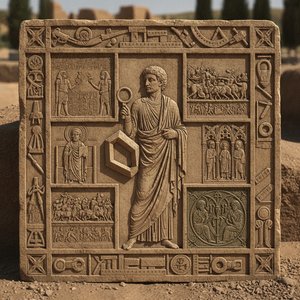
Mastering Dimension: An Art Historian's Guide to the Elegance of Sculptural Relief Art
Explore the profound beauty of sculptural relief art. From classical bas-relief to modern geometric textures, discover how depth and light transform spaces through an expert guide on art history and sophisticated curation for discerning collectors.

Luca della Robbia: Renaissance Sculpture & the Innovation of Terracotta Glazing
Discover the innovative terracotta glazing techniques of Luca della Robbia, a Renaissance master sculptor. Explore his iconic works, legacy, and collecting tips with OriginalUniqueArt.