

 プレビュー
プレビュー
 プリントを購入
 シェアする
シェアする シェアする
シェアする
 詳細を見る
詳細を見る

 ダウンロード
 似ている作品
 X線調査
X線調査 スライドショー
Clara Pater
 Oil On Canvas
- WallArt
- Academic Realism
 1860
1860 80.0 x 62.0 cm
 Somerville College
 詳細を見る
詳細を見る
オンラインプレビューをはるかに凌ぐ、高解像度で鮮明なデジタル画像をご購入いただけます。
各ファイルは、社内の専門家が高度なツールと熟練した手作業によるレタッチを用いて、細心の注意を払って準備されています。すべての画像において、卓越した鮮明度、正確な色彩再現性、そして繊細なディテールを保証いたします。
最終ファイルは、プロフェッショナルな編集・印刷環境ですぐにご利用いただけるよう最適化された状態で、72時間以内にメールにてお届けいたします。これは、一流のデザインスタジオ、出版社、ギャラリーから信頼されているものと同等の品質です。
デジタル画像のご注文に付随する特典
高品質なデジタル画像配信を、確かな品質で。
OriginalUniqueArt.com を選ぶことは、単に画像を手に入れることではありません。それは、プロの手によって精密に仕上げられ、満足保証が付いた高品質なデジタルアートワークを受け取ることを意味します。ご注文いただいた際に自動的に付随する内容は、以下の通りです:

メールですぐにお届け
ご注文から72時間以内に、高解像度のデジタル画像ファイルがメールでお手元に届きます。すぐにそのままご利用いただけます。

AI技術で最適化されたデジタルファイル
お客様の作品は、高度なAIツールと専門家による手作業の編集を組み合わせてプロフェッショナルに最適化されており、細部のディテール、鮮明さ、そして正確な色再現性を最大限に引き出しています。

一生涯無料の再送サービス
ファイルを誤って削除したり、紛失してしまったりしましたか?ご安心ください。いつでも無料で再送いたします。

輸入手数料は一切かかりません
関税や手数料、配送料を気にすることなく、お気に入りのアートワークをすぐにお楽しみいただけます。デジタルダウンロードは常に免税です。

色彩再現の保証
プロ仕様のツールとカラーマネジメント技術を用いることで、デジタル画像が元の色を最大限に忠実に再現することを保証いたします。

60日間満足保証
ご購入いただいたデジタル画像にご満足いただけない場合は、60日以内であれば、修正または100%の返金(理由を問う必要はありません)をさせていただきます。

100% 返金保証
ご満足いただけない場合は、デジタルファイルを受け取ってから60日以内であれば、理由を問わず全額返金いたします。

まとめ買い割引
3枚購入で10%OFF - 5枚購入で15%OFF - 10枚以上購入で20%OFF。クリエイティブなプロジェクト、ギャラリー、エージェンシーに最適です。
作品の詳細
Clara Pater: A Study in Victorian Dignity
Lowes Cato Dickinson’s portrait of Clara Pater stands as a quintessential emblem of late 19th-century artistic sensibility—a testament to the Pre-Raphaelites' fascination with capturing inner life and conveying moral seriousness. Painted in 1860, this oil on canvas masterpiece resides within Somerville College, Oxford, offering viewers an intimate glimpse into a period defined by intellectual debate and burgeoning feminist aspirations. Dickinson’s meticulous approach to composition and execution speaks volumes about his commitment to academic realism, prioritizing accuracy of form and subtle tonal gradations over flamboyant embellishment.- Composition: The portrait is centered around Clara Pater's face and upper body, seated posture immediately establishing a formal demeanor indicative of Victorian social conventions. Dickinson skillfully employs lines—defining the folds of her gown and delineating contours of her visage—to sculpt volume and texture, guiding the eye towards the subject’s gaze.
- Style: Dickinson adheres to the tenets of academic realism, mirroring the stylistic preferences championed by luminaries like Ruskin and Rossetti. The artist's aim was not merely to depict Clara Pater visually but to convey her character—her quiet dignity and contemplative spirit—through careful observation and artistic rendering.
- Technique: Dickinson’s technique involves layering paint in thin glazes, building up texture and form with painstaking detail. This method allows for nuanced tonal variations that imbue the canvas with depth and luminosity, capturing the soft diffused light that illuminates Clara Pater's features. The artist’s brushwork is particularly evident in the fabric of her gown—a rich tapestry of color and sheen—demonstrating a mastery of pigment manipulation.
Symbolism: Jewelry and Remembrance
Beyond its formal aesthetic qualities, Clara Pater embodies symbolic elements characteristic of Victorian art. The necklace adorning Clara’s neck represents wealth and status—a visible marker of her familial background and social standing—reflecting the societal pressures surrounding women's roles during this era. Simultaneously, the floral arrangement positioned behind Clara serves as a poignant gesture of remembrance, hinting at themes of beauty and mourning—perhaps referencing memories of loved ones or reflecting upon the passage of time. Dickinson’s deliberate inclusion of these symbolic motifs underscores his belief that art possesses the capacity to communicate profound emotional truths beyond mere visual representation.Historical Context: The Pre-Raphaelite Ideal
Dickinson's Clara Pater is firmly rooted in the artistic landscape of the Pre-Raphaelites, a movement dedicated to reviving medieval artistic ideals and rejecting the perceived artificiality of academic art. Influenced by Ruskin’s moral philosophy—particularly his critique of Victorian materialism—the Pre-Raphaelites sought to infuse their paintings with spiritual depth and psychological insight. Dickinson's stylistic choices—his emphasis on tonal subtlety, meticulous detail, and symbolic resonance—align seamlessly with this broader artistic ethos, reflecting a desire to elevate art beyond mere decorative function into a vehicle for conveying moral contemplation and aesthetic beauty.Emotional Impact: Quiet Dignity and Restrained Emotion
Ultimately, Clara Pater resonates with an enduring emotional tone—one of quiet dignity and restrained emotion—a hallmark of Victorian portraiture. Dickinson’s masterful depiction captures the essence of his subject's inner life—her contemplative gaze and serene composure—suggesting a profound awareness of beauty and moral responsibility. The painting invites viewers to contemplate themes of femininity, intellectuality, and remembrance, prompting reflection on the values cherished by Victorian society and celebrating the enduring power of art to communicate timeless truths about human experience.作家の略歴
ロウェズ・ケイト・ディッキンソンの生涯:ヴィクトリア朝の肖像画の世界
ロウェズ・ケイト・ディッキンソンは、1819年にロンドンのキルバーンで生まれました。彼の家族は芸術界と深く繋がりを持っており、父ジョセフ・ディッキンソンはボンドストリートで尊敬される版画家であり出版者でした。ディッキンソンの道は予め定められたようにも見えましたが、彼の旅は単なる世襲ではなく、時代の進化する美的感覚や進歩的な社会運動への積極的な関与でした。11人の兄弟姉妹の一人として、彼はトップスハム・スクールとドクター・ロードの学校で初期教育を受け、父親が1849年に亡くなった後、家族経営に参加する前に確固たる基礎を築きました。その後、彼は兄弟であるギルバート・ベル・ディッキンソンとウィリアム・ロバート・ディッキンソンと共に、ボンドストリートのディッキンソン・ブラザーズの遺産を受け継ぎました。この会社はすぐに質の高い芸術出版と写真の代名詞となり、その初期の経験は単なる商業的なものではなく、視覚文化への見習いであり、後の肖像画家としての彼の仕事の特徴となる詳細への目や構成力を養いました。プレラファエライト・サークルと社会改革への呼びかけ
ディッキンソンの芸術的発展は、1850年頃のイタリアでの3年間の滞在によって大きな転換を遂げました。この時期は彼にとって重要な経験となり、ルネッサンスの傑作に触れ、彼の進化するスタイルに影響を与えました。イングランドに戻った彼は、プレラファエライト・ブラザーフッドの軌道に入りました。正会員ではありませんでしたが、ダンテ・ゲイブリエル・ロセッティやジョン・ラスキンといった主要な人物と書簡を交わし、共同作業を行い、彼らの自然への真実性と感情的な強度を吸収しました。彼は彼らと共に講演も行い、この影響力のある芸術的環境における彼の地位を確立しました。この交流は純粋に美的ものではなく、芽生え始めた社会責任と結びついていました。ディッキンソンはキリスト教社会主義運動に深く関わり、信仰のレンズを通して社会正義を提唱するグループでした。彼の献身は、1854年にロンドンでワーキング・メンズ・カレッジを共同設立することによって最も具体的に現れました。知識の変革力を信じ、社会的な隔たりを埋めたいという願望の表れであり、この機関は労働者階級の人々にアクセス可能な教育を提供することに専念していました。フォード・マドックス・ブラウンがディッキンソン・ブラザーズのために働いていたことも、彼と活気に満ちた芸術的・知的ネットワークとの繋がりをさらに強調しています。ヴィクトリア朝社会の肖像画家
ロウェズ・ケイト・ディッキンソンは、ヴィクトリア朝時代に非常に人気のある肖像画家としての地位を確立しました。彼の才能は壮大な歴史的物語や劇的な寓話ではなく、被写体の本質をとらえること、つまりイギリス社会を形作った著名な人物を描くことにありました。彼は自身であるクイーン・ヴィクトリア、国会議員、アーサー・ケイリーやジェームズ・クラーク・マクスウェルといった主要な科学者、そしてチャールズ・キングスレーやトーマス・ヒューズのような熱心なキリスト教社会主義者を肖像画にしました。彼は卓越した技術を開発し、しばしば顔の描写のみに焦点を当て、細部にまでこだわりました。衣服やアクセサリーの描写は他の芸術家に任せていました。この共同アプローチにより、彼は微妙な表情や繊細な陰影を通して個性と性格を伝えることに集中することができました。彼の最も有名な業績の一つは、1868年のグラッドストーン氏のキャビネット肖像画で、ダウニング街10番地の象徴的なキャビネットルーム内で撮影され、イギリス政治の内情を垣間見ることができます。また、彼は写真や説明から似姿を巧みに再構築し、肉体的な存在を超えて記憶を持続させるユニークな能力でも知られるようになりました。遺産と永続する影響
ロウェズ・ケイト・ディッキンソンの影響は、彼が描いた顔のキャンバスをはるかに超えています。彼の作品は、ナショナル・ポートレート・ギャラリー(ロンドン)に展示されており、イギリス肖像画への重要な貢献を示しています。ワーキング・メンズ・カレッジは、毎年開催されるローウェズ・ディッキンソン賞を通じて彼の記憶を称え、学生の優秀さを認める芸術賞です。さらに、彼の子供たちは彼の名前を冠した旅行賞を設立し、芸術的な探求と成長のための機会を促進しました。彼の論文は、プリンストン大学、オックスフォード大学、ケンブリッジ大学に細心の注意を払って保存されており、ヴィクトリア朝の芸術、社会史、信仰と改革の交差について研究する学者にとって貴重なリソースとなっています。ディッキンソンの人生は、芸術的才能、社会的良心、知的探求が魅力的に融合したものです。彼は単なる肖像画家ではなく、彼の時代を記録した人物であり、進歩と深刻な社会的な課題の両方によって定義された時代の精神をとらえた視覚的な歴史家でした。彼の遺産は彼が創造したイメージだけでなく、教育、社会正義、芸術の力への献身を体現する機関にも受け継がれています。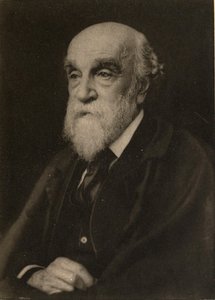
ローウェス・カトー・ディキンソン
1819 - 1908 , イギリス
プロフィール概要
- Artistic Movement Or Style: プレラファエライト, 写実主義
- Artists Or Movements Influenced By This Artist: ['キリスト教社会主義']
- Artists Who Influenced This Artist:
- ジョン・ラスキン
- ダンテ・ゲイブリエル・ロセッティ
- Date Of Birth: 1819年11月27日
- Date Of Death: 1908年
- Full Name: ロウズ・カトー・ディキンソン
- Nationality: イギリス人
- Notable Artworks:
- グラッドストーン内閣(1868)
- ロウズ・カトー・ディキンソン
- Place Of Birth (City And Country): イギリス、キルバーン

