

 設置イメージを確認
 送る
送る シェア
シェア
 詳細情報
詳細情報 ガイドを表示

 画像をダウンロード
 似ている作品
 X線調査
X線調査 スライドショー
 統計情報
統計情報Larkspur
 Acrylic On Canvas
- WallArt
- Impressionism & Expressionism
 1924
1924- 19th Century
 100.0 x 80.0 cm
 バイエリッシュェ・シュターツガマルデザムルンゲン
 続きを読む
続きを読む
ジークレー/アートプリント
スピーディーな制作と多彩な仕上げオプションが魅力の、ミュージアムクオリティなジークレー・キャンバスプリント。 ( 手描きの複製画を注文する デジタル画像販売へ切り替え)




P118B ¥10

P118H ¥10

P118W ¥10

P438Z ¥10

P508JH ¥12

P508YH ¥12

P805H ¥10

P805Z ¥10

P919BZ ¥10

P919G ¥10

P919XJ ¥10

P959ZH ¥10

P968JZ ¥12

W106C ¥8

W218G ¥10

W218JH ¥8

W218Y ¥10

W307PJ ¥10

W316G ¥10

W316PJ ¥8

W316Y ¥10

W398PJ ¥8

W4111J ¥10

W500HY ¥15

W500JH ¥15

W692G ¥12

W849H ¥8

W940BG ¥15

W953PJ ¥8




作品のオリジナル比率に合わせた、当店の規定サイズからお選びください。

額縁や壁のスペースに合わせて、ご希望の幅と高さを入力してください。プリントはカットすることは可能ですが、元の画像より大きくすることはできないため、異なる比率のサイズを選択された場合は、画像の一部が欠けることになります。印刷を開始する前に、内容を確認していただくためのデジタルモックアップをお送りいたします。このページに表示されている画像は、実際のカット後の状態を示すものではありません。実際の仕上がりはモックアップにてご確認ください。


 ガラスオプションは、110cm未満のサイズでのみご利用いただけます。

Larkspur
ジークレー/アートプリント
複製画サイズ一覧
-


合計金額
¥ 12591
Lovis Corinth: Bridging Impressionism & Expressionism – A Study of Artistic Evolution
Lovis Corinth (1858-1925) stands as a pivotal figure in the transition from Impressionism to Expressionism, an artist who skillfully synthesized these influential movements into a uniquely personal style. His journey began in rural East Prussia, where his upbringing instilled a deep appreciation for nature’s raw beauty – a sensibility that would resonate throughout his oeuvre. Initially drawn to academic painting, Corinth swiftly recognized its limitations and embarked on a transformative path of exploration fueled by diverse influences and tragically punctuated by personal hardship.
- Early Influences: Corinth's formative years were shaped by the teachings of Ludwig von Löfftz at Munich’s Academy of Fine Arts, emphasizing meticulous observation and capturing subtle tonal variations. He absorbed lessons from Courbet and the Barbizon school, artists who championed realism rooted in direct experience.
- Parisian Exploration: Corinth's relocation to Paris proved crucial for broadening his artistic horizons. Studying under Bouguereau and Robert-Fleury honed his draftsmanship skills and exposed him to classical ideals alongside burgeoning modernist tendencies.
The Secession Movement & Artistic Innovation
Joining the Munich Secession in 1894 marked a decisive moment, propelling Corinth into the vanguard of artistic experimentation. Alongside Max Liebermann, he championed a radical departure from academic conventions, advocating for freedom of expression and embracing bold color palettes. This affiliation fostered collaboration with fellow artists who challenged established norms and pushed boundaries.
- Bold Color Palette: Corinth’s distinctive style is characterized by vibrant hues—a hallmark of Expressionism—that convey emotion and dynamism rather than merely representing visual reality.
- Dynamic Brushstrokes: His technique involved energetic brushstrokes that captured movement and texture, mirroring the turbulent spirit of his time.
“Larkspur”: A Still Life Embodied
"Larkspur," painted in 1924, exemplifies Corinth’s masterful ability to distill complex emotions into deceptively simple compositions. This stunning piece at the Bayerische Staatsgemaldesammlungen captures the essence of Impressionistic beauty while simultaneously hinting at Expressionist fervor. The painting depicts a vase brimming with colorful blooms—primarily striking blue larkspurs—placed upon a checkered tablecloth against a backdrop of a window and curtains.
- Composition & Light: Corinth skillfully utilizes light to illuminate the flowers, creating depth and enhancing their visual impact. The arrangement is carefully considered, guiding the viewer’s gaze across the canvas.
- Symbolism: Larkspurs themselves carry symbolic significance—representing purity, devotion, and remembrance—reflecting Corinth's preoccupation with themes of spirituality and human experience.
A Legacy of Emotional Intensity
"Larkspur" stands as a testament to Corinth’s unwavering commitment to conveying emotion through art. Like his other celebrated works – “Wilhelmine in a Yellow Hat” and “Thomas and Wilhelmine” – it embodies the artist's profound engagement with the human condition. For those seeking inspiration or contemplating acquiring a reproduction of this iconic masterpiece, Bavarian State Painting Collections offer unparalleled access to Corinth’s artistic vision. Explore more at OriginalUniqueArt.
アーティストについて
絵具に刻まれた生涯:ローヴィス・コリンスの世界
1858年7月21日、プロイセン東プロイセン州にてフランツ・ハインリヒ・ルイスとして生を受けたローヴィス・コリンスは、19世紀から20世紀初頭へと移り変わる激動の芸術界を象徴する存在でした。彼の歩みは、決して最初から喝采を浴びたものではありません。それは絶え間ない研鑽、多様な影響、そして最終的には個人的な悲劇によって突き動かされた、緩やかな進化のプロセスでした。コリンスの原点は、父がなめし革職人として働いていた故郷タピアウの田園風景にあります。労働の肉体的な質感や自然のありのままの美しさに触れた幼少期の経験は、後に彼がより洗練された様式を探求する過程においても、その作品の奥底に静かに浸透していくことになります。1876年にケーニヒスベルク・アカデミーでの学びを始めましたが、彼はすぐに学問的な伝統だけでは自らの芸術的野心を充足させられないことに気づきました。その後、ミュンヘン、アントワープ、そしてパリへと続く旅が、彼の成長における重要な足掛かりとなりました。ミュンヘンではルートヴィヒ・フォン・レフツが提唱した緻密なリアリズムを吸収して観察眼と技術を磨き、アントワープではルーベンスの劇的なバロック様式の力強さに触れ、そしてパリでは、当時はまだ慎重な観察者として向き合っていたものの、勃興しつつあった印象派の動きに身を投じることとなったのです。自然主義から様式の融合へ
コリンスの芸術的発展は、劇的な革命というよりも、多様な影響を徐々に同化させ、統合していく過程でした。初期の作品は当時のアカデミックな基準を反映し、自然主義に強く傾倒していました。例えば『屠殺場にて』(1878年)に見られる、動物の死骸を容赦なく描き出す手法は、写実的な表現への強いこだわりを示していますが、そこにはすでに、萌芽的な感情の強さが立ち現れ始めています。凄惨で生々しい主題そのものが、不都合な真実と向き合おうとする彼の意志を暗示しており、その特質は後の作品においてまする顕著なものとなっていきます。ルーベンスをはじめとする巨匠たちの研究を通じて、彼はダイナミックな構図と表現力豊かな筆致への愛着を深めました。しかし、最終的に彼を決定的に変容させたのは、当初は懐疑的な目で見つめていた印象派との出会いでした。彼は単にモネやルノワールの分割された色彩や移ろいゆく光の効果を取り入れたのではありません。むしろ、それらの要素を自身の独自のビジョンへと統合し、印象派の鮮やかさとドイツ特有の感性を融合させた独自のスタイルを築き上げたのです。この昇華こそが、20世紀初頭の芸術界を定義する二つの潮流、すなわち印象派と表現主義を繋ぐ架け橋として、彼を位置づけることとなりました。肖像画と風景画の巨匠
コリンスはそのキャリアを通じて、聖書の一場面や神話的な主題など様々なジャンルを探求しましたが、今日において最も記憶されているのは、彼の肖像画と風景画でしょう。彼の肖像画は、単に外見を写し取るためのものではありませんでした。それは、微細な仕草や表情豊かな瞳、緻密に計算された構図を通じて、描かれた人物の心理的深淵へと踏み込み、その内面的な生を明らかにしようとする試みでした。彼は驚くほど最小限の手法を用いながら、人物の性格や感情を伝える類まれな能力を備えていました。同様に、彼の風景画も単なる景色の描写にとどまらず、自然に対する情緒的な応答でした。バイエルン・アルプスのヴァルヘンゼー地方は彼にとって特別なインスピりととなり、晩年に至るまで繰り返し探求される豊かなモチーフを提供しました。これらの作品は、大胆な色彩、ダイナミックな筆致、そして自然界との情熱的な関わりを反映した剥き出しのエネルギーに満ちています。彼は牧歌的な表現には関心がなく、むしろ風景が持つ手つかずの力強さや、内在するドラマを捉えようと努めたのです。悲劇、不屈の精神、そして永遠の遺産
コリンスの人生、そしておそらくは彼の芸術的発展における決定的な瞬間は、1911年12月に彼が襲われた脳卒中でした。それによって左半身に麻痺が生じ、彼のキャリアは完全に断たれる危機に瀕しました。しかし、揺るぎない決意と妻シャルロッテ・ベレン=コリンスの支えにより、彼は再び絵を描く術を学び、身体的な制限に適応しながら、さらに表現力豊かなスタイルへと進化を遂げたのです。この時期は彼の作品における転換点となり、描かれたものはますます大胆で、身振り豊かで、感情に満ち溢れたものとなりました。死の予感や肉体的な脆弱性と向き合った経験は、彼の芸術に新たな切迫感と真実味を吹き込みました。彼はより自由な筆致と強烈な色彩パレットを採用し、後の表現主義を定義することになる様式の革新を先取りしていました。コリンスの影響は自身の絵画のみならず、尊敬される教師や美術評論家としての活動にも及び、1908年には「絵画の学びについて」といったエッセイを発表し、自らの芸術哲学や技術的アプローチについての洞察を提示しました。また、1915年から1925年の逝去までベルリン分離派の会長を務め、進歩的な芸術思想を擁護し、活気ある創造的コミュニティを育みました。ローヴィス・コリンスの遺産は、その驚異的な作品群のみならず、芸術的誠実さへの揺るぎない献身、そして個人的な悲劇を深い芸術的表現へと昇華させたその力に宿っています。彼はドイツ美術史における極めて重要な人物であり、二つの時代を繋ぎ、後世のアーティストたちに消えることのない足跡を残した巨匠なのです。主要作品とその意義
- 『屠殺場にて』(1878年): 動物の死骸を極めて写実的に描き出し、初期の技術的な習熟と、不穏な主題に立ち向かう彼の意志を示した作品。
- 自画像(各年): 自身の誕生日に毎年描かれた一連の自画像群。芸術家の変遷する自己認識と様式の進化を辿る魅力的な記録であり、深い内省とアイデンティティへの恐れなき探求が示されている。
- 『帽子を被った半裸の女性』(1906年): 古典的なモチーフと印象派的な技法を融合させ、官能的かつ心理的に惹きつけられる肖像を生み出した傑作。
- ヴァルヘンゼー・シリーズ(各年): バイエルンのヴァルヘンゼー地方を描いた風景画のコレクション。鮮やかな色彩、ダイナミックな筆致、そして感情的な強烈さを特徴とし、コリンスの成熟した様式が最も力強く表現されている。
- 『最後の自画像』(1924年): 死の直前に描かれたこの作品は、身体的な逆境に直面しながらも屈することのない、芸術家の不屈の精神と回復力を物語る痛切な証左である。彼の芸術的旅路の集大成であり、人間の忍耐強さの強力な象徴となっている。

ロービス・コリンス
1858 - 1925 , オランダ
アーティスト情報
- Artistic Movement Or Style: 印象主義と表現主義
- Artists Or Movements Influenced By This Artist: ['表現主義']
- Artists Who Influenced This Artist:
- コウベール
- ルーブス
- Date Of Birth: 7月21日、1858年
- Date Of Death: 7月17日、1925年
- Full Name: Franz Heinrich Louis Corinth
- Nationality: ドイツ
- Notable Artworks:
- 屠殺場
- セルフポートレート
- 帽子をかぶった女性セミヌード
- Place Of Birth: テアウーデ、オランダ
関連記事

Lovis Corinth: Bridging Impressionism & Expressionism – A Study of Artistic Evolution
Explore the fascinating artistic journey of Lovis Corinth, a pivotal figure bridging Impressionism & Expressionism. Discover his evolution, key works, and lasting impact on modern art with OriginalUniqueArt.

Blossoms of Time: A Historical Journey Through Flower Painting
Explore the captivating history of flower painting! Discover Dutch masters, symbolic meanings, & botanical art. Expert insights & high-quality reproductions at OriginalUniqueArt.
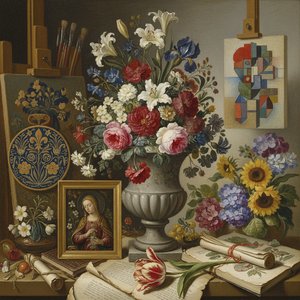
Blossoming Symbolism: A Historical Journey Through Flowers in Western Painting
Explore the rich history of flower symbolism in Western painting! Discover how artists from the Renaissance to Modernism used blossoms to convey meaning, emotion & beauty. Learn about iconic artworks and movements.

Blossoms of Time: A Historical & Aesthetic Exploration of Floral Painting Across Cultures
Explore the rich history of floral painting! Discover symbolism, techniques & masterpieces from Van Huysum to O'Keeffe. Expert insights for art lovers & collectors at OriginalUniqueArt.

Impressionism's Masterpieces: 10 Paintings That Defined a Movement | OriginalUniqueArt
Journey through Impressionism's heart with 10 iconic paintings by Monet, Renoir & Degas. Explore light, color & the stories behind these masterpieces. Find museum-quality art reproductions and elevate your home decor on OriginalUniqueArt.com.
