
 設置イメージを表示
 シェアする
シェアする シェアする
シェアする
 詳細を見る
詳細を見る ガイドを表示

 ダウンロード
 似ている作品
 X線調査
X線調査 スライドショーを表示
 Q&A
Q&A 統計情報
統計情報Cain and Abel

- 79.0 x 79.0 cm


 詳細を表示
詳細を表示
ウェブ上のプレビューを遥かに凌駕する、印刷に最適なファイルをご提供します。当サイトで販売しているすべてのデジタル画像は、弊社のデータベース内にある高解像度のマスターデータ(通常、幅5,000〜15,000ピクセル)から作成されています。そのため、大判印刷や大胆なクロップ、細部まで緻密な再現も、安心してお楽しみいただけます。
当スタジオから送り出される画像は、すべて丁寧に加工されています。デジタルエキスパートが原画と照らし合わせて色調を精査し、必要に応じて補正を行った上で、プロ仕様のリタッチツールを用いて鮮明さと細部を向上させます。その際、アーティストの筆致やスタイルに忠実であることを常に追求しています。その結果、単なるスキャン画像にフィルターをかけたようなものではなく、まるで本物の絵画を見ているかのような仕上がりを実現しています。
仕上がりをご確認いただいてから完了となります。専門スタッフが、ご確認用の画像を72時間以内にメールでお送りいたします。もしご満足いただけない場合は、修正や改善のご要望を承るほか、品質が基準に満たない場合には返金も可能です。
出版社、デザインスタジオ、ギャラリー、そして印刷所から信頼される品質です。
デジタルアート
個人での鑑賞、印刷、クリエイティブなプロジェクトにご利用いただける高解像度ファイルをダウンロードできます。 ( プリント版に切り替え 手描き複製画を注文する)
デジタル画像のご注文に付随する特典
確かな品質による、プロフェッショナルなデジタル配信
OriginalUniqueArt.com を選ぶことは、単に画像を手に入れることではありません。プロの手によって精密に仕上げられ、満足保証が付いた高品質なデジタルアートワークを受け取ることを意味します。ご注文いただいた際に自動的に付随する内容は、以下の通りです:

メールですぐにお届け
ご注文から72時間以内に、高解像度のデジタル画像ファイルをメールでお送りいたします。お手元に届き次第、すぐにご利用いただけます。

AI技術で最適化されたデジタルファイル
お客様の作品は、高度なAI技術と専門家による手作業を組み合わせてプロフェッショナルに最適化されており、細部のディテール、鮮明さ、そして正確な色再現性を最大限に引き出しています。

生涯無料の再送サービス
ファイルを誤って削除したり、紛失してしまったりしましたか?ご安心ください。いつでも無料で再送いたします。

輸入手数料は、いつでも一切かかりません
関税や手数料、配送料を気にすることなく、お気に入りのアートワークをすぐにお楽しみいただけます。デジタルダウンロードは常に免税です。

正確な色彩の保証
プロ仕様のツールとカラーマネジメント技術を用いることで、デジタル画像が元の色を最大限に忠実に再現することを保証いたします。

100日間満足保証
ご購入いただいたデジタル画像にご満足いただけない場合は、100日以内であれば、理由を問わず修正または100%の返金対応をさせていただきます。

100% 返金保証
ご満足いただけない場合は、デジタルファイルを受け取ってから100日以内であれば、理由を問わず全額返金いたします。

まとめ買い割引
3枚購入で10%OFF、5枚購入で15%OFF、10枚以上のご購入で20%OFF。クリエイティブなプロジェクトやギャラリー、エージェンシーに最適です。
Lorenzo Ghiberti’s Gates of Paradise: A Symphony in Bronze
The Florence Baptistery’s Gates of Paradise—officially known as Porta Nuova—stand as an unparalleled testament to Renaissance artistic genius, spearheaded by Lorenzo Ghiberti. Completed between 1425 and 1452, these monumental bronze doors represent more than just architectural embellishment; they embody the humanist ideals that defined Florence during its golden age and continue to inspire awe centuries later. Commissioned by Archbishop Giovanni Pier Paolo Carafa, Cardinal Domenico Giuliano della Pergola, and Pope Nicholas V, Ghiberti’s undertaking was ambitious in scope—a collaborative effort involving numerous artisans—yet he alone conceived and executed the overarching vision for this iconic masterpiece.- Style: The Gates exemplify Early Renaissance sculpture, characterized by a renewed interest in classical ideals of proportion and harmony. However, Ghiberti’s approach transcends mere imitation; he infused his work with profound psychological depth and emotional resonance—a hallmark of humanist art.
- Technique: Ghiberti pioneered innovative casting methods utilizing the lost wax technique, pushing the boundaries of metallurgical craftsmanship. This meticulous process ensured exceptional detail and surface finish, capturing the textures and nuances of human anatomy and drapery with breathtaking accuracy.
- Historical Context: Constructed during a period of fervent artistic patronage—fueled by papal ambition and civic pride—the Gates stand as a symbol of Florence’s cultural ascendancy. They reflect the humanist spirit prevalent at the time, emphasizing human dignity and intellectual curiosity alongside religious piety.
Panel No. 2: Cain and Abel – A Narrative of Jealousy and Divine Justice
The second panel depicting Cain and Abel is arguably the most emotionally charged segment of the Gates’ narrative cycle. Ghiberti skillfully captures the pivotal moment of fratricide—the brutal slaying of Abel by his brother Cain—transforming it into a powerful visual allegory. The composition emphasizes the stark contrast between the righteous Abel, depicted in serene repose with his flock, and Cain, consumed by rage and driven to violence.- Symbolism: Ghiberti’s depiction utilizes symbolic gestures and facial expressions to convey profound psychological states—jealousy, remorse, and despair. The knife held aloft by Cain represents the destructive impulse of envy, while Abel's gaze conveys unwavering faith and moral integrity.
- Composition: The artist employs a pyramidal structure to create visual stability and heighten dramatic tension. Careful attention to detail—particularly in rendering Abel’s face—underscores Ghiberti’s mastery of anatomical realism and expressive portraiture.
Beyond Imitation: Ghiberti's Innovation and Legacy
While deeply rooted in classical tradition, Ghiberti’s Gates transcend mere stylistic homage. He achieved a breakthrough in perspective—a technique previously unexplored in sculpture—creating an illusion of depth that dramatically enhances the visual impact of the panels. This pioneering innovation demonstrates Ghiberti’s intellectual curiosity and his commitment to advancing artistic boundaries.- Influence: The Gates of Paradise profoundly influenced subsequent generations of sculptors, establishing a new standard for realism and expressive power. Michelangelo himself famously declared that Ghiberti had “made the stone speak.”
- Enduring Relevance: Today, reproductions of Ghiberti’s masterpiece continue to captivate audiences worldwide—serving as reminders of Florence's artistic heritage and inspiring contemplation on themes of morality, justice, and human vulnerability.
Exploring the Emotional Landscape
The Gates of Paradise are not merely aesthetically impressive; they evoke a visceral response in viewers—a confrontation with fundamental questions about human nature and divine providence. Ghiberti’s masterful portrayal of Cain and Abel compels us to grapple with the destructive consequences of envy and the importance of unwavering moral conviction. As you gaze upon this enduring symbol of Renaissance artistry, allow yourself to be transported back to Florence's vibrant cultural milieu—a testament to the transformative power of art and its ability to illuminate the human condition.Q&A
ロレンツォ・ギベルティ作「Cain and Abel」 のプリントを購入するにはどうすればよいですか?
ロレンツォ・ギベルティ作「Cain and Abel」のプリントをご希望の方は、こちらのファインアートプリントページよりご注文いただけます:コットンキャンバス、またはアーカイブ品質のキャンバスペーパーに施されたファインアートプリント。
「Cain and Abel」の作者は?
「Cain and Abel」の作者はロレンツォ・ギベルティです。この作品はロレンツォ・ギベルティの名でカタログに登録されています。
「Cain and Abel」の画像はダウンロードできますか?
ロレンツォ・ギベルティ作「Cain and Abel」の画像は、作品のデジタルイメージをダウンロードページからダウンロードいただけます:高解像度デジタル画像のダウンロード。
作家略歴
ブロンズに刻まれたフィレンツェ・ルネサンス:ロレンツォ・ギベルティの生涯と遺産
1378年、イタリア・フィレンツェ近郊に生まれたロレンツォ・ディ・バルトロ――後にロレンツォ・ギベルティとして芸術的革新の代名詞となる名は、彫刻の可能性を再定義する旅へと踏み出しました。彼の幼少期は、義父バルトロ・ディ・ミケーレの指導のもと、金細工師としての実用的な芸術技術に深く浸っていました。この基礎的な訓練が、彼の中に比類なき金属加工の習熟をもたらし、後に息を呑むような高みへと昇華させる技術の礎となったのです。しかし、ギベルティの野心は工房の枠組みに留まりませんでした。ゲラルド・スタルニーナから受けた本格的な絵画のレッスンは彼の芸術的視野を広げ、やがてフィレンツェの人々を魅了することになる多才な才能の土台を築きました。さらに1400年、ペストの流行下にあるリミニでカルロ1世・マラテスタのフレスコ画制作を支援した経験は、彼の感性をさらに研ぎ澄ませ、多様な芸術潮流に触れる機会を与えました。当時の彼はまだ知る由もありませんでしたが、これらの形成期における経験が、自らのキャリアを不滅のものとする、あの伝説的なコンペティションへの準備であったことを。洗礼堂の扉:技術とヴィジョンの勝利
1401年、フィレンツェでは街の洗礼堂に設置する新しいブロンズ製の扉となる芸術家を選出するためのコンテストが開催されました。これは当時、この地域で最も権威ある依頼とされていました。ギベルティは、あの畏怖すべきフィリッポ・ブルネレスキをはじめとする、時代を代表する輝かしい才能たちと共にこの舞台に挑みました。課せられた課題は、「イサクの犠牲」を高浮き彫り(レリーフ)で表現することでした。ギベル動のパネルは、単なる技術力の誇示に留まらず、一つの啓示とも言えるものでした。優美な人物像と洗練された遠近法の理解を特徴とする彼の革新的なアプローチは、見事な勝利を収めたのです。この勝利は、単に依頼を獲得したというだけでなく、新たな芸術的感性の宣言でもありました。彼はその後、北扉の制作に着手します。このプロジェクトは20年以上の歳月を要し、洗礼堂をルネレンサンス芸術の殿堂へと変貌させることになります。ギベルティの工房は新進気鋭の才能が集まる活気ある拠点となり、ドナテッロ、マゾリーノ、パオロ・ウッチェロといった後の巨匠たちを育みました。それは、師としての彼の寛大さと影響力を物語る証左でもありました。「楽園の門」:明かされた傑作
北扉の圧倒的な成功に続き、ギベルティにはさらに野心的な任務が託されました。洗礼堂の東側の入り口に設置する、第二の扉の制作です。1452年に完成したこれらの扉は、彼の最高傑作となり、あのミケランジェロ自身によって「楽園の門」という呼び名を与えられることになります。各パネルには旧約聖書の場面が、かつてないほどのリアリズム、細部へのこだわり、そして感情的な深みをもって描かれています。ブロンズ鋳造と浮き彫り彫刻におけるギベルティの熟練の技は、これらの作品において頂点に達しました。パネルは単なる聖書物語の再現ではありません。解剖学的な正確さ、衣襞(ドレーパリー)の表現、そして空間的関係への細心の注意を通じて、命を吹き込まれた没入感のある物語なのです。彼は遠近法を駆使して、当時の時代において革命的とも言える奥行きと写実性を創出する先駆者となりました。様式、影響、そして永劫なる響き
ギベルティの芸術様式は、ゴシック様式の優雅さと、芽生えつつあったルネサンス・ヒューマニズム(人文主義)の原理が見事に融合したものです。中世の職人技の伝統に根ざしながらも、彼は古典古代を慈しみ、ローマの美術や彫刻の要素を自らの作品に取り入れました。この融合は、洗練されていながらも感情に訴えかける独自の美学を生み出しました。彼は単に過去を模倣したのではなく、明確なルネサンスの視点を通して過去を再解釈したのです。芸術的な功績に加え、ギベルティは『コンメンタリイ(備忘録)』という貴重な知的遺産も残しました。これは美術史、理論、技法に関する自伝的な論文であり、芸術家によるこの種の著作としては極めて初期の例の一つです。1455年にフィレンツェで没した際、彼は後世の芸術家たちに深い影響を与える膨大な作品群を遺しました。彼の革新はレオナルド・ダ・ヴィンチやミケランジェロといった巨匠たちの道を切り開き、西洋美術史における極めて重要な人物としての地位を不動のものとしました。ギベルティの貢献は、ルネサンス期にフィレンツェが主要な芸術の中心地として確立される上で決定的な役割を果たし、「楽園の門」は今もなおフィレンツェの市民の誇りと芸術的達成の不朽の象徴であり続けています。ブロンズに刻まれた遺産
ロレンツォ・ギベルティの歴史的重要性は、その技術的な卓越性を遥かに超えたところにあります。彼は、知的好奇心、芸術的革新、そして古典的学問への再評価によって特徴づけられる「初期ルネサンス」の精神を体現していました。彼の作品はフィレンツェの美的景観を変貌させただけでなく、その後何世紀にもわたって西洋文化を形作ることになる人文主義的な理想を定義する一助となりました。主要作品:北扉および東扉(楽園の門)- フィレンツェ洗礼堂、オルサンミケーレのブロンズ像。 主な影響:ゴシック美術、古典古代、ルネサンス・ヒューマニズム。 芸術様式:ゴシックの優雅さと新興のルネサンス原理の融合。自然主義的な描写、革新的な遠近法の使用。
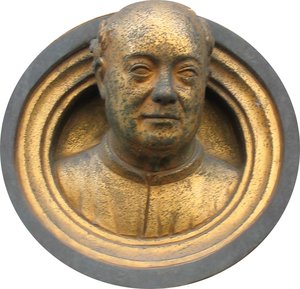
ロレンツォ・ギベルティ
1378 - 1455 , イタリア
プロフィール概要
- Artistic Movement Or Style: 初期ルネサンス
- Artists Or Movements Influenced By This Artist:
- ドナテッロ
- マゾリーノ
- パオロ・ウッチェロ
- ミケランジェロ
- Artists Who Influenced This Artist:
- ゲラルド・スタルニーナ
- バルトロ・ディ・ミケーレ
- Date Of Birth: 1378年
- Date Of Death: 1455年
- Full Name: ロレンツォ・ギベルティ
- Nationality: イタリア
- Notable Artworks:
- 天国への門
- イサクの犠牲
- 黄金の杯の発見
- キリストの洗礼
- Place Of Birth: イタリア、フィレンツェ