
 設置イメージを表示
 シェアする
シェアする シェアする
シェアする
 詳細を見る
詳細を見る ガイドを表示

 ダウンロード
 似ている作品
 X線調査
X線調査 スライドショーを表示
 Q&A
Q&A 統計情報
統計情報first lunette

 詳細を表示
詳細を表示
ジークレー/アートプリント
スピーディーな制作と多彩な仕上げオプションが魅力の、ミュージアムクオリティなジークレー・キャンバスプリント。 ( 手描き複製画を注文する デジタル画像販売へ切り替え)




































作品のオリジナル比率に合わせた、当店の規定サイズからお選びください。

額縁や壁のスペースに合わせて、ご希望の幅と高さを入力してください。プリントはカットすることは可能ですが、元の画像より大きくすることはできないため、異なる比率のサイズを選択された場合は、画像の一部が欠けることになります。印刷を開始する前に、内容を確認していただくためのデジタルモックアップをお送りいたします。このページに表示されている画像は、実際のカット後の状態を示すものではありません。実際の仕上がりはモックアップにてご確認ください。


 ガラスオプションは、110cm未満のサイズでのみご利用いただけます。

first lunette
ジークレー/アートプリント
複製画サイズ一覧
-


合計金額
¥ 12617
作家プロフィール
The Soul of Siena: The Life and Legacy of Lorenzo di Pietro
In the heart of the Italian Renaissance, where the golden light of Tuscany meets the profound spiritual devotion of the Sienese School, lived a master whose very name evokes the wisdom of age. Lorenzo di Pietro, known affectionately to history as Vecchietta—a diminutive meaning “old man”—was far more than a mere painter; he was a polymath of the Quattrocento. Born in Siena around 1410, Vecchietta emerged during a transformative era when the medieval traditions of his ancestors began to dance with the burgeoning humanism of the Renaissance. His life was an intricate tapestry woven from the threads of painting, sculpture, and architecture, making him a singular force in shaping the visual identity of Siena.
The foundations of Vecchiana’s genius were laid within the prestigious workshops of his contemporaries. He did not work in isolation but was nurtured by the intellectual and artistic currents flowing through Siena's elite circles. The influence of masters such as Sassetta, Taddeo di Bartolo, and the sculptor Jacopo della Quercia provided him with a diverse toolkit of styles. From Sassetta, he inherited a sense of lyrical grace and meticulous detail; from Taddeo di Bartolo, a profound mastery of the rich, local pigments that define Sienese color palettes; and from the sculptural brilliance of della Quercia, an understanding of three-dimensional form and architectural grandeur. This unique lineage allowed Vecchietta to bridge the gap between the flat, symbolic beauty of the Gothic past and the spatial depth of the new Renaissance era.
A Master of Form and Perspective
To observe a work by Vecchietta is to witness a masterful manipulation of space and emotion. His artistic evolution was marked by an adventurous embrace of linear perspective, a technique that allowed him to breathe life into two-dimensional surfaces, creating windows into divine realms. While his roots remained firmly planted in the traditional Sienese aesthetic—characterized by vibrant colors and intricate ornamentation—his hands were constantly reaching toward innovation. He possessed a rare ability to imbue religious subjects with a palpable, human weight, often utilizing his skills as a sculptor to inform the muscularity and presence of his painted figures.
His achievements are perhaps most breathtaking when viewed through his monumental frescoes. One such masterpiece, Christ in the Limbo, serves as a testament to his ability to command both scale and spiritual intensity. In these large-scale works, one can see the seamless integration of architectural precision and narrative drama. His use of light does not merely illuminate; it sculpts the figures, pulling them from the shadows of the wall into the viewer's reality. This synthesis of disciplines—the eye of a painter, the hand of a sculptor, and the mind of an architect—allowed him to create environments that were as structurally sound as they were spiritually evocative.
Historical Significance and Enduring Spirit
The historical significance of Lorenzo di Pietro lies in his role as a guardian of tradition and a pioneer of progress. He ensured that the Sienese School did not become a relic of the past, but rather a living, breathing participant in the Renaissance revolution. By blending the decorative elegance of his predecessors with the scientific advancements of his time, he helped define a period of unparalleled artistic fertility.
Though the biographical records of his life remain as elusive as a shadow in a fresco, his presence is felt in every corner of Sienese heritage. His legacy can be summarized through several key contributions:
- Interdisciplinary Mastery: The rare ability to unify the disciplines of painting, sculpture, and architecture into a cohesive artistic vision.
- Stylistic Synthesis: The successful marriage of traditional Sienese color and detail with the modern innovations of perspective and anatomical realism.
- Cultural Stewardship: Maintaining Siena's status as a premier center of European art during the transition from the Middle Ages to the Renaissance.
Today, when we gaze upon the works attributed to Vecchietta, we are not merely looking at historical artifacts; we are engaging with the very spirit of 15th-century Italy. His art remains a profound dialogue between the earthly and the divine, a testament to a man who, despite his nickname, possessed a vision that was eternally youthful and infinitely profound.
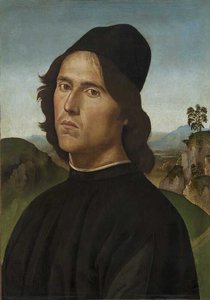
Lorenzo Di Pietro
1410 - 1480 , Italy
プロフィール概要
- Full Name: Lorenzo di Pietro
- Nationality: Italian
- Date Of Birth: 1410
- Date Of Death: 1480
- Place Of Birth: Siena, Italy
- Notable Artworks:
- Christ in the Limbo
- The Resurrection
- Artistic Movement Or Style: Renaissance
- Artists Who Influenced This Artist:
- sassetta
- taddeo di bartolo
- jacopo della quercia
- Artists Or Movements Influenced By This Artist: ['mannerism']