
 プレビュー
プレビュー
 プリントを購入
 シェアする
シェアする シェアする
シェアする
 詳細を見る
詳細を見る

 ダウンロード
 似ている作品
 X線調査
X線調査 スライドショー
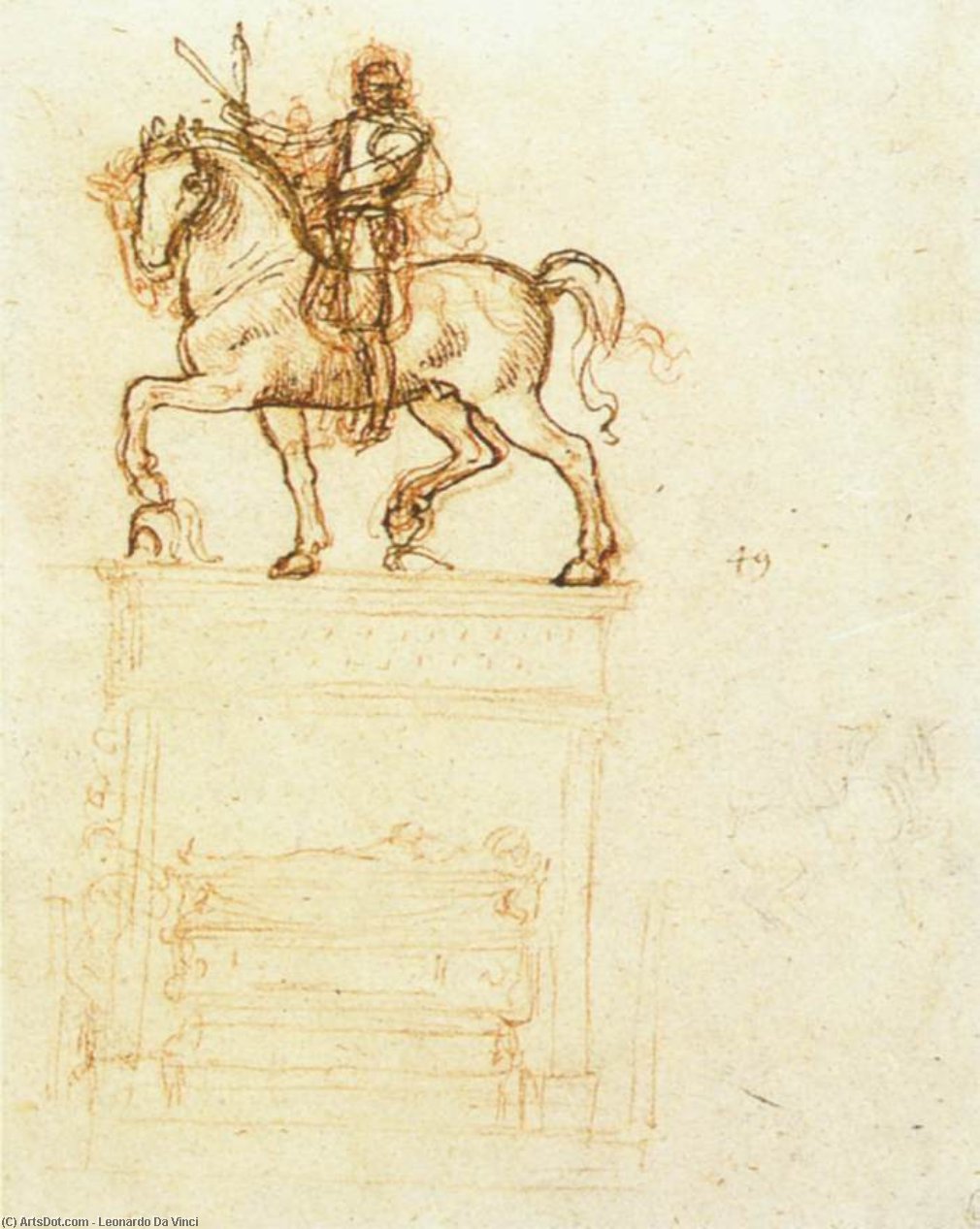
Study for the Trivulzio Monument
 キャンバスにアクリル絵具
- ウォールアート
- High Renaissance
 1510
1510- Renaissance
 21.0 x 21.0 cm
 詳細を見る
詳細を見る
オンラインプレビューをはるかに凌ぐ、高解像度で鮮明なデジタル画像をご購入いただけます。
各ファイルは、社内の専門家が高度なツールと熟練した手作業によるレタッチを用いて、細心の注意を払って準備されています。すべての画像において、卓越した鮮明度、正確な色彩再現性、そして繊細なディテールを保証いたします。
最終ファイルは、プロフェッショナルな編集・印刷環境ですぐにご利用いただけるよう最適化された状態で、72時間以内にメールにてお届けいたします。これは、一流のデザインスタジオ、出版社、ギャラリーから信頼されているものと同等の品質です。
デジタル画像のご注文に付随する特典
高品質なデジタル画像配信を、確かな品質で。
OriginalUniqueArt.com を選ぶことは、単に画像を手に入れることではありません。それは、プロの手によって精密に仕上げられ、満足保証が付いた高品質なデジタルアートワークを受け取ることを意味します。ご注文いただいた際に自動的に付随する内容は、以下の通りです:

メールですぐにお届け
ご注文から72時間以内に、高解像度のデジタル画像ファイルがメールでお手元に届きます。すぐにそのままご利用いただけます。

AI技術で最適化されたデジタルファイル
お客様の作品は、高度なAIツールと専門家による手作業の編集を組み合わせてプロフェッショナルに最適化されており、細部のディテール、鮮明さ、そして正確な色再現性を最大限に引き出しています。

一生涯無料の再送サービス
ファイルを誤って削除したり、紛失してしまったりしましたか?ご安心ください。いつでも無料で再送いたします。

輸入手数料は一切かかりません
関税や手数料、配送料を気にすることなく、お気に入りのアートワークをすぐにお楽しみいただけます。デジタルダウンロードは常に免税です。

色彩再現の保証
プロ仕様のツールとカラーマネジメント技術を用いることで、デジタル画像が元の色を最大限に忠実に再現することを保証いたします。

60日間満足保証
ご購入いただいたデジタル画像にご満足いただけない場合は、60日以内であれば、修正または100%の返金(理由を問う必要はありません)をさせていただきます。

100% 返金保証
ご満足いただけない場合は、デジタルファイルを受け取ってから60日以内であれば、理由を問わず全額返金いたします。

まとめ買い割引
3枚購入で10%OFF - 5枚購入で15%OFF - 10枚以上購入で20%OFF。クリエイティブなプロジェクト、ギャラリー、エージェンシーに最適です。
作品の詳細
Study for the Trivulzio Monument
The Study for the Trivulzio monument stands as a testament to Leonardo da Vinci’s unparalleled artistic vision—a preparatory sketch executed in 1510 that foreshadows the grandeur of his ambitious equestrian sculpture commission for Gian Giacomo Trivulzio. Measuring just 21 x 21 centimeters, this drawing transcends its modest dimensions through meticulous detail and masterful execution in chalk ink, firmly anchoring it within the stylistic currents of High Renaissance Italy. It’s more than merely a depiction; it's an embodiment of Leonardo’s relentless pursuit of realism and humanist ideals—a glimpse into his creative process at the apex of his artistic prowess.Context and Composition
Created during Leonardo’s time in Milan, serving as Duke Ludovico Sforza’s engineer and artist, this drawing captures a dynamic scene: a man astride a horse, rendered with remarkable precision. The figure wears armor—a symbol of nobility and military might—holding aloft a sword, conveying both power and vigilance. Leonardo skillfully portrays the horse's musculature and posture, capturing movement with subtle shading techniques characteristic of his era. Complementing this central figure are supporting elements – a bench on the right side offering stability, and two chairs positioned at the base – subtly grounding the composition within an architectural framework. Notably, a clock is prominently displayed in the upper left corner, hinting at Leonardo’s fascination with observation and measurement—a cornerstone of his scientific approach interwoven with artistic endeavor. The sketch's careful arrangement speaks to Leonardo’s methodical consideration of form and space, anticipating the monumental scale of the intended sculpture.Artistic Significance
The drawing exemplifies Leonardo’s mastery of chalk ink, a medium favored for its ability to achieve nuanced tonal gradations—essential for conveying depth and volume. Unlike oil paints, which require extended drying times, chalk ink allows for rapid sketching and layering, facilitating experimentation with compositional ideas. This technique aligns perfectly with Leonardo's humanist philosophy, prioritizing direct observation and capturing the essence of reality rather than idealized representations. The drawing’s meticulous detail—from the contours of armor to the musculature of the horse—demonstrates Leonardo’s unwavering commitment to anatomical accuracy, reflecting his groundbreaking studies in human anatomy undertaken during this period. It is a cornerstone of Renaissance art, showcasing the transformative impact of humanist thought on artistic expression.Leonardo da Vinci's Contributions
Leonardo da Vinci was arguably the quintessential Renaissance polymath—a painter whose iconic masterpieces like *Mona Lisa* and *The Last Supper*, alongside his inventive engineering designs and anatomical studies, irrevocably shaped Western culture. His notebooks—filled with sketches, diagrams, and observations spanning diverse fields—reveal a mind perpetually engaged in questioning and exploring the natural world. He wasn’t simply creating art; he was striving to understand how it functioned, pushing the boundaries of artistic convention while simultaneously advancing scientific knowledge. This dual pursuit exemplifies the Renaissance spirit—a fervent belief in human potential and an unwavering dedication to unlocking the secrets of existence.Relevance to OriginalUniqueArt.com
OriginalUniqueArt.com recognizes Leonardo da Vinci’s enduring legacy by offering exquisitely crafted oil painting reproductions of his celebrated artworks, including *The Last Supper* and *Vitruvian Man*. For discerning collectors and interior designers seeking inspiration rooted in artistic excellence and humanist ideals, exploring The High Renaissance Art Movement provides invaluable insight into the intellectual and aesthetic landscape of its time—illuminating the profound influence of Leonardo da Vinci’s groundbreaking achievements on subsequent generations of artists.Other Relevant Works
Consider exploring Raphael's *Portrait of a Cardinal*, showcasing similar stylistic refinements and humanist sensibilities, or delving into Michelangelo’s *David*, representing monumental sculpture at its finest. These artworks stand alongside the Study for the Trivulzio monument as emblems of Renaissance artistic brilliance—testaments to Leonardo da Vinci’s unparalleled genius and his transformative contribution to Western art history.作家の略歴
レオナルド・ダ・ヴィンチ:ルネサンスの至宝、芸術と科学の融合
1452年、トスカーナ地方のヴィンチ村近くで生まれたレオナルド・ダ・ヴィンチは、ルネサンス期を象徴するまさに「万能の天才」でした。画家、彫刻家、建築家、科学者、技術者、解剖学者…彼の好奇心と探求心は、芸術、科学、工学の分野に革命をもたらし、後世に計り知れない影響を与えました。非嫡出子として生まれたという出自にも関わらず、彼は卓越した才能を発揮し、その名は今もなお、創造性と革新性の代名詞となっています。
幼少期を過ごしたヴィンチで自然と触れ合いながら育ったレオナルドは、14歳でフィレンツェの芸術家アンドレア・デル・ヴェロッキオの工房に入門します。そこで彼は、絵画や彫刻だけでなく、金属加工、木工、製図といった幅広い技術を習得し、その基礎を築きました。ヴェロッキオの工房での経験は、彼の多才な才能を開花させるための土台となり、後に彼自身が師を凌駕するほどの才能を持つことを予感させました。当時から、彼の並外れた才能は評判となり、ヴェロッキオ自身もレオナルドの才能に圧倒され、絵筆を置いたという逸話も残されています。
ミラノでの活躍:芸術と技術の融合
1482年、レオナルドはルドヴィーコ・スフォルツァ公の宮廷に仕官し、ミラノへと移ります。これは単なる芸術家としての任命ではなく、軍事技術者、建築家、彫刻家、そして舞台デザイナーとしても活躍する機会となりました。彼は革新的な防御施設の設計、豪華な舞台装置のデザイン、さらには空を飛ぶ機械の構想など、多岐にわたるプロジェクトに取り組みました。この時期に着手された「最後の晩餐」は、彼の代表作の一つであり、サンタ・マリア・デッレ・グラツィエ修道院の食堂壁画として完成しました。この作品は、単なる食事の場面を描写するだけでなく、人間の感情と心理的なドラマを深く掘り下げており、その革新的な構図と遠近法は、西洋美術に多大な影響を与えました。また、スフォルツァ公のために様々な彫刻プロジェクトに取り組む一方で、レオナルドの探求心は科学分野にも向かい、解剖学の研究を開始します。
フィレンツェへの帰還と完璧を追求する姿勢
1499年のフランス軍によるミラノ攻略後、レオナルドはフィレンツェに戻り、芸術の中心地で新たな活動を展開しました。この時期に制作された「モナ・リザ(ジョコンダ)」は、彼の最も有名な作品の一つであり、その謎めいた微笑みと魅惑的な眼差しは、何世代にもわたって人々を魅了し続けています。レオナルドが開発したスフマート技法—光と影の微妙なグラデーションによって輪郭をぼかし、幻想的な雰囲気を生み出す技術—は、この作品の神秘性をさらに高めています。また、彼は人間の形態を科学的に理解しようと試み、解剖学の研究を重ねました。遺体の解剖を通して得られた知識をもとに、筋肉、骨格、臓器などを詳細に記録した図面は、当時としては画期的なものでした。
芸術と科学の融合:不朽の遺産
その後のレオナルドは、フィレンツェ、ミラノ、ローマなど、イタリア各地を転々としながら活動を続けました。1516年には、フランス王フランシス1世の招聘を受け、アンボワーズ城近くのクロ・リュセ城に住み込み、晩年を過ごしました。1519年に亡くなったレオナルドは、芸術史における彼の遺産は計り知れません。彼は芸術家を単なる熟練した職人から、科学的探求に基づいた知的存在へと高めました。彼の作品は、写実性、心理的な深み、革新的な技法によって高く評価されています。レオナルド・ダ・ヴィンチは、人間の好奇心、創造性、そして知識の絶え間ない追求を象徴する存在であり、その影響力は今日まで色褪せることなく、私たちに畏敬の念と感動を与え続けています。
主要な業績と永続的な影響
- 絵画: モナ・リザ, 最後の晩餐, 岩間の聖母, 告知
- 素描 & 製図: 広範な解剖学的研究, エンジニアリング設計(飛行機械、兵器), 植物のイラストレーション
- 科学 & 技術: 解剖学、光学、水力学、地質学、測量における先駆的な研究。当時としては画期的な発明の構想。
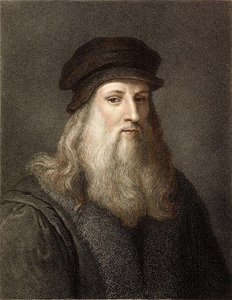
レオナルド・ダ・ヴィンチ
1452 - 1519 , イタリア
プロフィール概要
- フルネーム: レオナルド・ダ・ヴィンチ
- 主な作品:
- モナ・リザ
- 最後の晩餐
- 岩間の聖母
- 出生地: ヴィニチャ、イタリア
- 国籍: イタリア
- 影響を与えたアーティストまたは運動: ['ルネサンス美術']
- 影響を受けたアーティスト: ['アンドレア・デル・ヴェロッキオ']
- 死亡年月日: 1519年5月2日
- 生年月日: 1452年4月15日
- 芸術運動またはスタイル: ルネサンス美術

