
 設置イメージを確認
 送る
送る シェア
シェア
 詳細情報
詳細情報 ガイドを表示

 画像をダウンロード
 似ている作品
 X線調査
X線調査 スライドショー
 統計情報
統計情報Fragrance

 続きを読む
続きを読む
ジークレー/アートプリント
スピーディーな制作と多彩な仕上げオプションが魅力の、ミュージアムクオリティなジークレー・キャンバスプリント。 ( 手描きの複製画を注文する デジタル画像販売へ切り替え)




































作品のオリジナル比率に合わせた、当店の規定サイズからお選びください。

額縁や壁のスペースに合わせて、ご希望の幅と高さを入力してください。プリントはカットすることは可能ですが、元の画像より大きくすることはできないため、異なる比率のサイズを選択された場合は、画像の一部が欠けることになります。印刷を開始する前に、内容を確認していただくためのデジタルモックアップをお送りいたします。このページに表示されている画像は、実際のカット後の状態を示すものではありません。実際の仕上がりはモックアップにてご確認ください。


 ガラスオプションは、110cm未満のサイズでのみご利用いただけます。

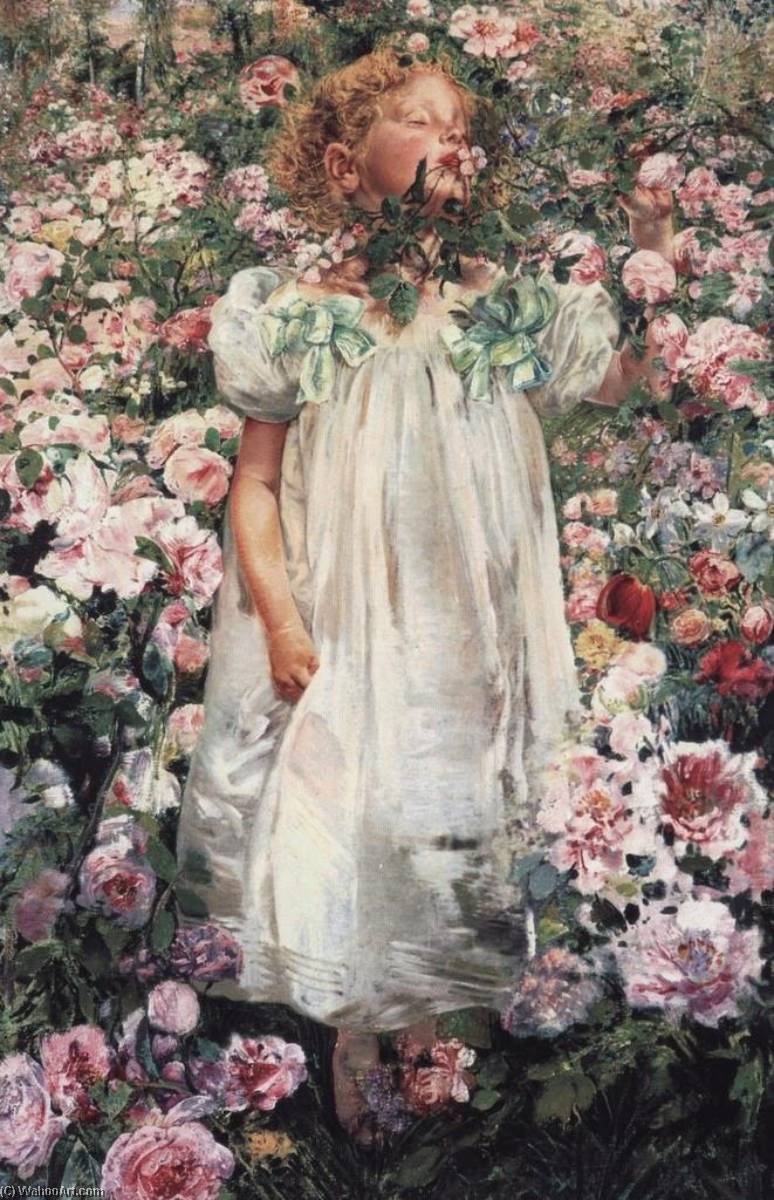
Fragrance
ジークレー/アートプリント
複製画サイズ一覧
-


合計金額
¥ 12650
アーティストについて
Léon Frédéric: Life and Legacy
Early Life and Education
Léon-Henri-Marie Frédéric (August 26, 1856 – January 27, 1940) was a Belgian Symbolist painter born in Brussels. His father was a prosperous jeweler, providing the means for a solid education. In 1871, he began an apprenticeship with architect and decorative painter Charle-Albert while simultaneously attending night courses at the Académie Royale des Beaux-Arts in Brussels. He formally joined Jean-François Portaels’ workshop in 1874, further honing his skills.
Italian Influences and Artistic Development
From 1876 to 1878, Frédéric undertook extensive travels in Italy – Venice, Florence, Naples, and Rome – studying with Belgian sculptor Julien Dillens. This period proved pivotal, exposing him to the works of Renaissance masters like Sandro Botticelli and Domenico Ghirlandaio. These artists profoundly influenced his developing linear technique and aesthetic sensibilities. Upon returning to Brussels in 1879, he debuted at the Brussels Salon and joined the artist group L'Essor.
Themes and Style
Frédéric’s work is characterized by a unique blend of styles and themes. His early paintings seamlessly integrated Christian mysticism with pantheistic elements, often depicting scenes imbued with spiritual symbolism. Later in his career, he increasingly addressed social concerns within his art, reflecting a growing awareness of societal issues. He was deeply influenced by 15th and 16th-century Flemish painting as well as Renaissance styles.
Major Works and Achievements
- The Four Seasons: Perhaps his most celebrated work, currently displayed at the Philadelphia Museum of Art.
- La Procession de Lisseweghe: A powerful depiction of rural life and religious procession.
- The Girls (Les fillettes): A charming family portrait showcasing his skill in capturing intimate moments.
- All Things Die, But All Will Be Resurrected through God: Demonstrates his exploration of spiritual themes.
Frédéric received a gold medal at the Exposition Universelle (1889) and continued to exhibit internationally, winning further accolades in Germany and the United States. He was appointed a member of the Académie Royale in 1904 and created a Baron by King Albert I in 1929.
Historical Significance
While achieving international recognition during his lifetime, Frédéric’s work wasn't fully appreciated in Belgium until later in his life. He represents a significant figure within the Symbolist movement, bridging the gap between religious and social themes. His paintings offer a compelling glimpse into the artistic and intellectual climate of late 19th and early 20th-century Europe. Today, his works are held in prominent museums like the Royal Museums of Fine Arts of Belgium, the Musée d'Orsay, and the Philadelphia Museum of Art, ensuring his lasting legacy.

Léon Frédéric
1856 - 1940 , Belgium
アーティスト情報
- Name: Léon Frédéric
- Movement: Symbolism
- Birth Date: 1856-08-26
- Death Date: 1940-01-27
- Birth Place: Brussels, Belgium
- Nationality: Belgian
- Date Of Birth: 1856
- Date Of Death: 1940
- Influenced By: Botticelli, Ghirlandaio
- Notable Works: The Four Seasons
- Place Of Birth: Brussels, Belgium
