
 プレビュー
プレビュー
 シェアする
シェアする シェアする
シェアする
 詳細を見る
詳細を見る

 ダウンロード
 似ている作品
 X線調査
X線調査 スライドショー
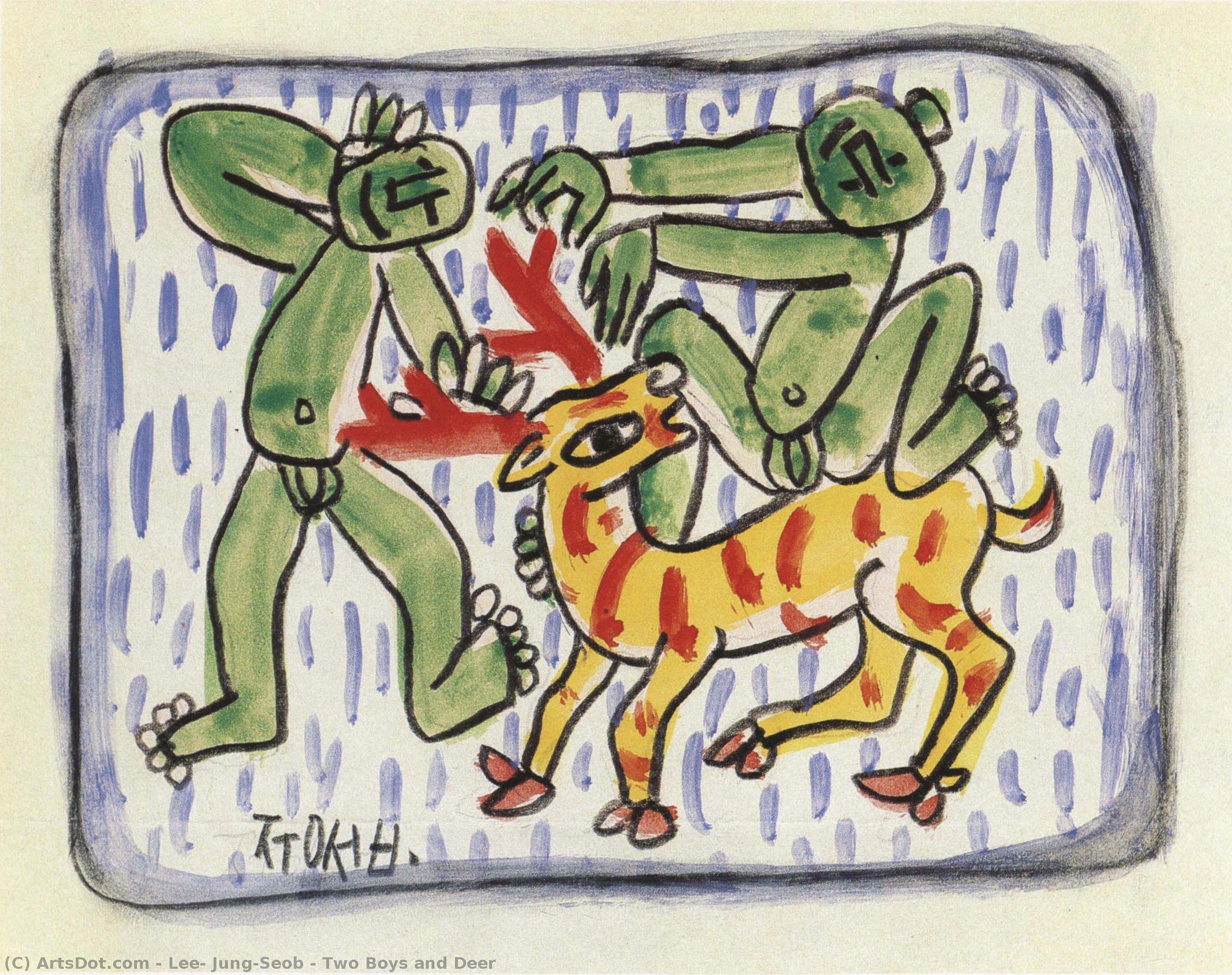
Two Boys and Deer
 Acrylic On Canvas
- WallArt
- Korean Modernism
 17.0 x 13.0 cm
 国立中央博物館
 詳細を見る
詳細を見る
ジークレー/アートプリント
迅速な制作と多彩な仕上げオプションを備えた、ミュージアムクオリティのジークレーまたはキャンバスプリント。 ( 手描きの絵画を購入 画像を購入)




P118B $10

P118H $10

P118W $10

P438Z $10

P508JH $12

P508YH $12

P805H $10

P805Z $10

P919BZ $10

P919G $10

P919XJ $10

P959ZH $10

P968JZ $12

W106C $8

W218G $10

W218JH $8

W218Y $10

W307PJ $10

W316G $10

W316PJ $8

W316Y $10

W398PJ $8

W4111J $10

W500HY $15

W500JH $15

W692G $12

W849H $8

W940BG $15

W953PJ $8




作品のオリジナル比率に合わせた、当店の規定サイズからお選びください。

特定のフレームやスペースに合わせて、ご自身でサイズを指定することも可能です。選択されたサイズが元の画像の比率と一致しない場合、作品をトリミングするか、鏡面反射または単色での塗りつぶしによって画像を拡張いたします。制作を開始する前に、ご確認用のデジタルモックアップをお送りいたします。
画面上のプレビューには、実際のトリミングや拡張は反映されませんのでご注意ください。最終的な構図を正確に確認できるのは、モックアップのみとなります。
カスタムサイズも承っておりますが、元の比率を維持するためには、あらかじめ用意されたリストからサイズを選択することをお勧めいたします。


 ガラスオプションは、110cm未満のサイズでのみご利用いただけます。

Two Boys and Deer
ジークレー/アートプリント
複製画のサイズ
-


合計金額
$ 80
作品詳細説明
A Moment Frozen in Time: Lee Jung-Seob’s “Two Boys and Deer”
Lee Jung-Seob's "Two Boys and Deer" isn’t merely a painting; it’s a poignant distillation of Korean life, memory, and the quiet dignity of rural existence. Completed in 1953, this watercolor captures a fleeting scene – two young men, likely brothers, engaged in a simple act of tending to a deer near a small stream. Yet, within this seemingly straightforward depiction lies a profound depth of emotion and a subtle commentary on the changing landscape of Korea during a turbulent era. The painting’s power resides not just in its subject matter but also in Lee's masterful use of color and light, creating an atmosphere both serene and subtly melancholic.
The scene unfolds within a meticulously rendered Korean countryside – rolling hills, dense foliage, and the reflective surface of a stream. The figures are dressed in muted greens and browns, blending seamlessly with their surroundings, suggesting a deep connection to the land. Lee’s technique is remarkably delicate; each brushstroke seems to capture the ephemeral quality of light filtering through the trees. Notice how he employs wet-on-wet watercolor techniques, allowing colors to bleed and blend naturally, creating an impressionistic effect that softens the edges and imbues the scene with a sense of hazy nostalgia. The deer itself, rendered with surprising detail despite its secondary role, embodies a quiet grace and vulnerability – a symbol often associated with innocence and connection to nature in Korean art.
The Artist’s Biography: A Life Shaped by Conflict
Lee Jung-Seob (1916-1956) was a pivotal figure in the development of Korean modernism, tragically cut short by his untimely death. Born in Pyeongannamdo during Japanese rule, he witnessed firsthand the struggles for independence and endured the devastation of the Korean War. His early life, marked by privilege and artistic training, abruptly shifted with the war’s arrival, forcing him to abandon his family home and relocate to Jeju Island. This displacement profoundly impacted his work, imbuing it with a sense of loss and longing – themes that resonate powerfully in “Two Boys and Deer.” Lee's artistic journey was fueled by a desire to capture the essence of Korean life, often focusing on rural scenes and everyday subjects, reflecting a deep respect for tradition and a yearning for a simpler existence.
His artistic influences were diverse, drawing from both traditional Korean painting styles and Western modernism. He studied at Teikoku Art School in Japan, where he experimented with Fauvist techniques before returning to Korea and developing his own distinctive style characterized by bold colors, expressive brushwork, and a focus on capturing the emotional resonance of his subjects. Lee’s work is often considered part of the “Korean School” movement, which sought to establish a uniquely Korean artistic identity in the aftermath of Japanese colonialism.
Symbolism and Emotional Resonance
Beyond its surface depiction, "Two Boys and Deer" carries layers of symbolic meaning. The deer itself represents purity, gentleness, and connection to nature – values deeply ingrained in Korean culture. The two boys, seemingly engaged in a quiet ritual, could symbolize the continuity of tradition or perhaps the anxieties surrounding the future as Korea navigated a period of immense social and political upheaval. Some art historians interpret their interaction as a subtle commentary on the changing roles of men within Korean society during this era.
The painting’s overall mood is one of quiet contemplation, tinged with melancholy. The muted colors, soft lighting, and understated details create an atmosphere of wistful remembrance – a feeling that echoes the sense of loss experienced by many Koreans following the war. Lee Jung-Seob masterfully uses these elements to evoke a powerful emotional response in the viewer, inviting us to reflect on themes of memory, identity, and the enduring beauty of the Korean landscape.
A Legacy Preserved: Reproductions and Artistic Significance
Today, “Two Boys and Deer” is held within the National Museum of Korea in Seoul, a testament to Lee Jung-Seob’s artistic legacy. High-quality reproductions are available, allowing art lovers worldwide to experience the beauty and emotional depth of this remarkable painting. When selecting a reproduction, consider the archival quality of the materials used – ensuring that the colors remain vibrant and true over time. This piece offers not only aesthetic pleasure but also a valuable window into Korean history and culture, reminding us of the resilience and enduring spirit of its people.
アーティストの略歴
油彩画の韓国の巨匠
李中燮(イ・ジュンスプ)は、その心を捉えて離さない油彩画によって、美術界に消えることのない足跡を残した韓国の著名な芸術家です。1916年に韓国の平安南道に生まれた彼の芸術的な旅路は、常に革新性に満ち、自らの伝統的な遺産との深い結びつきによって形作られていました。芸術的貢献
李中燮の名を世界に知らしめたのは、その象徴的な作品である'白牛'です。この傑作は、油彩画の巧みな技法を証明するものであり、韓国の伝統的な要素とモダンな技法を融合させた彼独自のスタイルを見事に描き出しています。- 主要作品:
- 作品を収蔵する美術館:
- 韓国国立中央博物館(韓国、ソウル)
遺産と影響
1956年にソウルで迎えた李中燮の死は、一つの時代の終焉を意味しましたが、同時に次世代の韓国人アーティストたちの道を切り拓くことにもなりました。彼の魂が宿る影響力は、現代の多くの韓国人画家たちの作品の中にも脈々と受け継がれています。李中燮の芸術をさらに探索する: https://OriginalUniqueArt.com/@/lee-jung-seob | OriginalUniqueArtにて、彼の膨大な絵画コレクションをご覧ください。他の著名な芸術家について学ぶ: /ja/art/list/ | OriginalUniqueArtで、偉大な芸術家たちのリストを閲覧してください。
李承燮
1916 - 1956 , 韓国
基本情報
- Artistic Movement Or Style: 韓国近代美術
- Artists Or Movements Influenced By This Artist: ['フォーヴィスム']
- Artists Who Influenced This Artist: ['高句麗古墳壁画']
- Date Of Birth: 1916年4月10日
- Date Of Death: 1956年9月6日
- Full Name: 李承燮 (イ・ジュンスプ)
- Nationality: 韓国
- Notable Artworks:
- 白牛
- 家族と鳩
- 子供、魚、蟹
- Place Of Birth: 朝鮮、平安南道
関連記事

Watercolor Wonders: 10 Masterpieces That Redefined Art History | OriginalUniqueArt
Journey through 10 legendary watercolor masterpieces by Sargent, Turner & Homer! Explore iconic landscapes, portraits & floral art that redefined history. Find museum-quality reproductions and curated decor ideas at OriginalUniqueArt.com.

Ephemeral Visions: Exploring the Artistic Legacy & Contemporary Practice of Watercolor Painting
Explore the captivating world of watercolor painting! Discover its rich history, essential techniques, influential artists & collecting tips. A comprehensive guide for art enthusiasts from OriginalUniqueArt.

Ephemeral Visions: Exploring the History & Emotional Resonance of Watercolor Painting
Explore the captivating history of watercolor painting, from ancient techniques to modern masters like Kandinsky & Blake. Discover essential artists, collecting tips & the emotional power of this luminous medium. Expert insights for art enthusiasts.

Ephemeral Visions: Exploring the Artistic Legacy & Nuances of Watercolor Painting
Explore the captivating world of watercolor painting! Discover its rich history, essential techniques, influential artists & collecting tips from art experts. A comprehensive guide for enthusiasts.

水彩の永続的な魅力:歴史、技法、そして現代の実践
水彩画の歴史、技法、現代の実践を深く探求。巨匠たちの名画から初心者向けテクニックまで解説。OriginalUniqueArt.comでは高品質な複製画やカスタムポートレートをご提供します。アートコンサルテーションも受付中。


