- ホーム

- デジタル画像一覧
- kushiro unsen
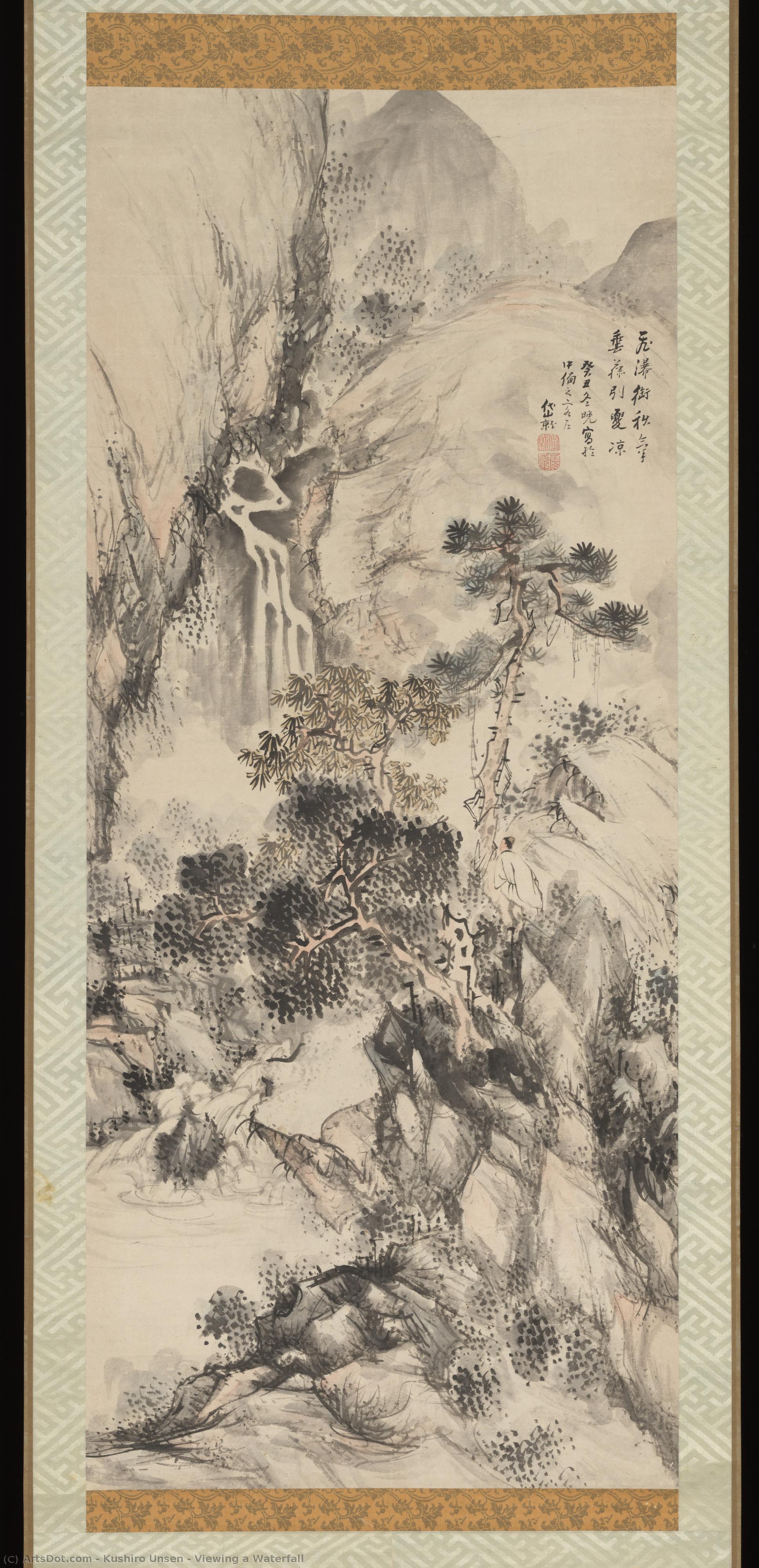
- Viewing a Waterfall
 プレビュー
プレビュー
 シェアする
シェアする シェアする
シェアする
 詳細を見る
詳細を見る

 ダウンロード
 似ている作品
 X線調査
X線調査 スライドショー
Viewing a Waterfall
 Literati School
 1793
1793 129.0 x 56.0 cm
 詳細を見る
詳細を見る
オンラインプレビューをはるかに凌ぐ、高解像度で鮮明なデジタル画像をご購入いただけます。
各ファイルは、社内の専門家が高度なツールと熟練した手作業によるレタッチを用いて、細心の注意を払って準備されています。すべての画像において、卓越した鮮明度、正確な色彩再現性、そして繊細なディテールを保証いたします。
最終ファイルは、プロフェッショナルな編集・印刷環境ですぐにご利用いただけるよう最適化された状態で、72時間以内にメールにてお届けいたします。これは、一流のデザインスタジオ、出版社、ギャラリーから信頼されているものと同等の品質です。
デジタルアート
個人での鑑賞、印刷、クリエイティブなプロジェクト用に、高解像度ファイルをダウンロードできます。 ( プリント版に切り替え 手描き画への切り替え)
デジタル画像のご注文に付随する特典
高品質なデジタル画像配信を、確かな品質で。
OriginalUniqueArt.com を選ぶことは、単に画像を手に入れることではありません。それは、プロの手によって精密に仕上げられ、満足保証が付いた高品質なデジタルアートワークを受け取ることを意味します。ご注文いただいた際に自動的に付随する内容は、以下の通りです:

メールですぐにお届け
ご注文から72時間以内に、高解像度のデジタル画像ファイルがメールでお手元に届きます。すぐにそのままご利用いただけます。

AI技術で最適化されたデジタルファイル
お客様の作品は、高度なAIツールと専門家による手作業の編集を組み合わせてプロフェッショナルに最適化されており、細部のディテール、鮮明さ、そして正確な色再現性を最大限に引き出しています。

一生涯無料の再送サービス
ファイルを誤って削除したり、紛失してしまったりしましたか?ご安心ください。いつでも無料で再送いたします。

輸入手数料は一切かかりません
関税や手数料、配送料を気にすることなく、お気に入りのアートワークをすぐにお楽しみいただけます。デジタルダウンロードは常に免税です。

色彩再現の保証
プロ仕様のツールとカラーマネジメント技術を用いることで、デジタル画像が元の色を最大限に忠実に再現することを保証いたします。

60日間満足保証
ご購入いただいたデジタル画像にご満足いただけない場合は、60日以内であれば、修正または100%の返金(理由を問う必要はありません)をさせていただきます。

100% 返金保証
ご満足いただけない場合は、デジタルファイルを受け取ってから60日以内であれば、理由を問わず全額返金いたします。

まとめ買い割引
3枚購入で10%OFF - 5枚購入で15%OFF - 10枚以上購入で20%OFF。クリエイティブなプロジェクト、ギャラリー、エージェンシーに最適です。
作品の詳細
作家の略歴
Kushiro Unsen: A Vision of Tranquility Amidst Turbulent Times
Kushiro Unsen (釧雲泉, 1759 – 1811) stands as a singular figure in Japanese landscape painting, embodying the aesthetic ideals of Edo-period Japan—a period marked by social stratification, political intrigue, and burgeoning commercial activity. Unlike many artists of his era who sought patronage from powerful clans or focused on grand historical narratives, Unsen cultivated a deeply personal style rooted in Zen Buddhism and characterized by an unparalleled sensitivity to atmospheric conditions.
Born in Nagasaki, Unsen’s early life remains shrouded in some mystery. He apprenticed under Chinese painters, absorbing techniques that emphasized subtle tonal gradations and meticulous brushwork—a hallmark of Ming Dynasty landscape art. However, he swiftly rejected the conventions of formal portraiture and historical painting, opting instead for a contemplative approach to capturing the beauty of the natural world.
- Early Influences: Unsen’s formative years coincided with Nagasaki's role as Japan’s gateway to Western trade. Exposure to European art and ideas undoubtedly broadened his artistic horizons, though he skillfully filtered these influences through his own Zen worldview.
- Zen Buddhism & Artistic Philosophy: Unsen’s unwavering devotion to Zen profoundly shaped his artistic sensibilities. He believed that true beauty resided in capturing the essence of nature—its impermanence and interconnectedness—rather than merely reproducing its outward appearance. This conviction fueled his relentless pursuit of achieving “wu wei,” or effortless action, mirroring the Buddhist ideal of aligning oneself with the natural flow of existence.
- Technique & Style: Unsen’s distinctive style is instantly recognizable by its masterful use of atmospheric perspective—particularly mist and haze—to create a sense of depth and luminosity. He employed delicate brushstrokes and subtle color palettes to convey mood and emotion, prioritizing tonal harmony over vibrant hues. His landscapes are renowned for their serene stillness and evocative beauty.
Unsen’s prolific output spanned several decades, producing approximately 300 paintings—a remarkable feat considering the constraints of his time. He primarily focused on depicting mountainous regions surrounding Nagasaki Prefecture, capturing scenes of misty valleys, snow-capped peaks, and tranquil lakes. Recurring motifs included pine trees, plum blossoms, and cranes—symbols laden with Buddhist significance representing longevity and aspiration.
- Notable Works: Among his most celebrated paintings are “Pine Trees Over Lake” (松林湖上), “Snowy Mount Fuji” (雪富士), and “Autumn Landscape” (秋景). These works exemplify Unsen’s mastery of atmospheric perspective and tonal harmony, transporting viewers to breathtaking vistas imbued with spiritual resonance.
- Legacy & Significance: Kushiro Unsen's influence extends far beyond his own lifetime. He is considered one of the foremost landscape painters of the Edo period and a pivotal figure in establishing Japanese landscape painting as an independent genre—distinct from portraiture or calligraphy. His unwavering commitment to Zen aesthetics continues to inspire artists today, reminding us that true beauty lies not merely in visual splendor but also in profound contemplation.
Unsen’s artistic legacy resides not only in his stunning paintings but also in his contribution to the philosophical underpinning of Japanese art. He championed a vision of nature as a source of spiritual enlightenment—a perspective that resonates powerfully with contemporary concerns about environmental stewardship and mindfulness. Kushiro Unsen remains an enduring testament to the transformative power of art and its capacity to elevate our understanding of the world around us.

kushiro unsen
1759 - 1811 , Japan
プロフィール概要
- Artistic Movement Or Style: Landscape Painting
- Artists Or Movements Influenced By This Artist: ['Romanticism']
- Artists Who Influenced This Artist: ['Chinese Painters']
- Date Of Birth: 1759
- Full Name: Kushiro Unsen
- Nationality: Japanese
- Notable Artworks: ['The Moonlit Landscape']
- Place Of Birth: Nagasaki, Japan

