
 プリントを購入
 シェアする
シェアする シェアする
シェアする
 詳細を見る
詳細を見る

 ダウンロード
 似ている作品
 スライドショー
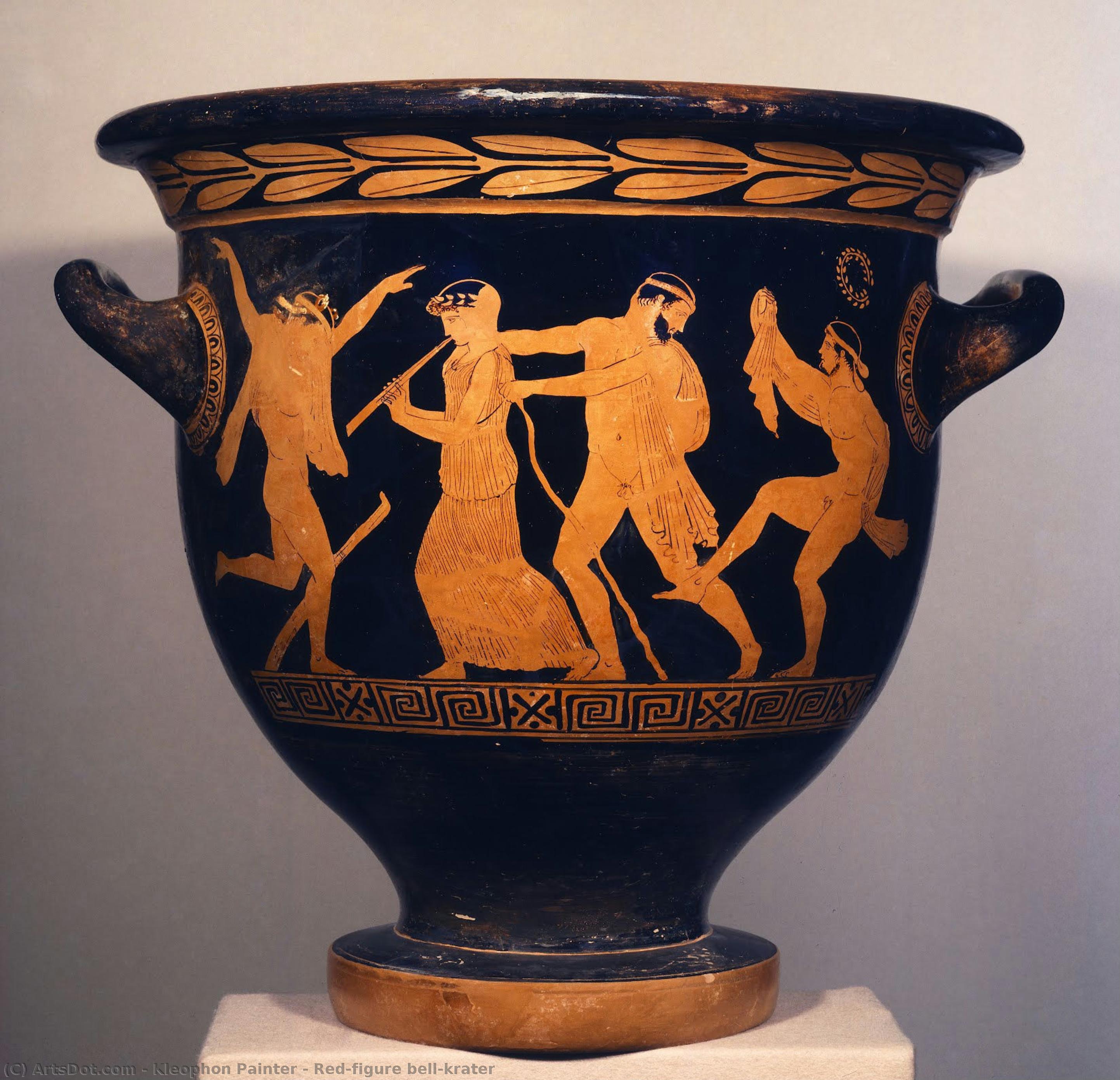
Red-figure bell-krater


 詳細を見る
詳細を見る




































作品のオリジナル比率に合わせた、当店の規定サイズからお選びください。

特定のフレームやスペースに合わせて、ご希望のサイズをご入力いただけます。選択されたサイズが元の画像の比率と異なる場合、アートワークをトリミングするか、手描きで要素を追加して絵画を拡張いたします。デジタルモックアップ を制作し、制作開始前にご確認(承認)をいただきます。
画面上のプレビューは、実際のトリミングや拡張を正確に反映しているものではありません。最終的な構図は、モックアップによってのみ正確にご確認いただけます。
カスタムサイズもご利用いただけますが、元の比率を維持するためには、あらかじめ用意されたリストからサイズを選択することをお勧めいたします。
ご注文後、OriginalUniqueArt.com チームより詳細な指示をお送りするとともに、仕上がりイメージ(モックアップ)をご提供いたします。


 ガラスオプションは、110cm未満のサイズでのみご利用いただけます。

Red-figure bell-krater
複製技法
複製画のサイズ
-


合計金額
$ 300
作品解説
アーティストの略歴
A Life Etched in Clay: The World of the Kleophon Painter
The fifth century BC in Athens was a crucible of artistic innovation, a period that birthed masterpieces in sculpture, architecture, and vase painting. Among the many talented hands shaping this golden age was that of the Kleophon Painter, an anonymous artist whose name—a testament to his skill rather than personal record—has resonated through millennia. Unlike celebrated sculptors with grand commissions or playwrights commanding public stages, the Kleophon Painter’s legacy is found in the fragments and surviving vessels that offer glimpses into Athenian life, mythology, and artistic sensibilities. He wasn't a solitary genius working in isolation; his career unfolded within a network of workshops and stylistic traditions, initially rooted in the influence of Polygnotos, a renowned painter of large-scale panels, before he established a distinctive voice of his own. The very fact that we know him by the inscription on one particular vase – praising a youth named Kleophon – speaks to the intimate connection between art, patronage, and daily life in ancient Greece.The Workshop and Early Influences
Our understanding of the Kleophon Painter’s development begins with acknowledging his origins within Polygnotos' workshop. While direct evidence is scarce, scholars believe he absorbed the principles of narrative clarity and dynamic composition that characterized Polygnotos’ work. This foundation manifested in a preference for red-figure technique—a method allowing for greater detail and expressive potential than its black-figure predecessor—and an inclination towards scenes populated with figures engaged in lively activities. He further honed his skills through collaboration, notably with the Achilles Painter, suggesting a shared aesthetic sensibility and exchange of ideas within the Athenian artistic community. This collaborative spirit wasn’t unusual; workshops often involved multiple hands, each contributing to the creation of a finished piece. The Kleophon Painter's early works demonstrate a careful study of anatomy and drapery, hallmarks of the Classical style that was reaching its zenith during his active period. He didn't simply replicate existing forms but began to infuse them with a personal touch—a subtle rounding of features, particularly in the eyes and chins of his figures, which would become a defining characteristic of his mature style.Themes and Techniques: A Window into Athenian Life
The Kleophon Painter’s oeuvre is remarkably diverse, encompassing scenes drawn from Greek mythology, domestic rituals, and depictions of warriors preparing for or engaged in combat. He wasn't focused on grand heroic narratives but rather on intimate moments—sacrifices performed by families, *komos* scenes depicting revelry after symposia (drinking parties), and the everyday lives of Athenian citizens. This focus provides invaluable insight into the social customs, religious beliefs, and aesthetic preferences of the time. His mastery of red-figure technique is evident in the delicate rendering of details—the folds of clothing, the expressions on faces, the intricate patterns adorning vessels. He favored larger vase forms, particularly kraters (mixing bowls), suggesting a clientele that valued impressive displays for communal gatherings. The rounded triangular eyes and bulbous chins mentioned by scholars aren’t merely stylistic quirks; they contribute to a sense of warmth and humanity in his figures, imbuing them with personality and emotional depth. He employed palmettes and tendrils as decorative elements, framing the narrative scenes and adding visual richness to his compositions.Style and Identification: The Challenges of Attribution
Identifying works definitively attributed to the Kleophon Painter presents a unique challenge. His style wasn’t radically distinct from that of his contemporaries, leading to ongoing scholarly debate regarding authorship. Vases are often classified as “in the manner of” or “compares to” Kleophon, highlighting the subtle nuances and overlaps in artistic practice during this period. However, certain characteristics consistently appear in works considered authentic: the aforementioned rounded eyes and chins, a preference for specific themes (domestic scenes and *komos* processions), and a careful attention to detail in rendering drapery and accessories. The provenance of vases—their archaeological context—also plays a crucial role. Many of his pieces were discovered in Italy and Spain, suggesting a thriving export market catering to Etruscan tastes. Twenty-two of his known works remain within the Agora Museum and National Archaeological Museum in Athens, providing invaluable resources for studying his evolution as an artist.Legacy and Historical Significance
The Kleophon Painter’s enduring legacy lies not in monumental sculptures or celebrated commissions but in the intimate narratives etched onto clay vessels. His work offers a rare glimpse into the daily lives of ancient Athenians—their rituals, beliefs, and aesthetic sensibilities. While his name remains largely unknown outside scholarly circles, his influence can be seen in the subsequent generations of vase painters who adopted his stylistic innovations and thematic preferences. He embodies the spirit of Athenian artistry—a commitment to technical skill, narrative clarity, and a profound understanding of human emotion. The survival of his vases across millennia serves as a powerful reminder of the enduring power of art to transcend time and connect us with the lives and experiences of those who came before.
kleophon painter
Greece
基本情報
- Artistic Movement Or Style: Red-figure vase painting
- Artists Or Movements Influenced By This Artist: ['Dinos Painter']
- Artists Who Influenced This Artist: ['Polygnotos']
- Full Name: Kleophon Painter
- Nationality: Athenian
- Place Of Birth: Athens, Greece
関連記事

Crimson Threads of Narrative: Exploring Symbolism & Representation in Artworks Featuring the Red Dress
Explore the rich symbolism of the red dress in art history! From ancient power displays to iconic portraits like Cézanne’s 'Madame Cezanne', discover the cultural and artistic significance behind this captivating color. Expert analysis & insights.

Echoes of Olympus: Mythological Narratives in Western Art Through the Ages
Explore the captivating history of mythological narratives in Western art! From ancient Greece to modern masterpieces, discover iconic artworks & symbolism. Expert analysis and high-quality reproductions at OriginalUniqueArt.
Timeless Legends: A Curated Guide to the Eternal Allure of Mythological Masterpieces
Embark on a sophisticated journey through the eternal allure of mythological art. Discover how master painters breathe life into ancient legends, from Greek deities to Baroque masterpieces, and learn to curate these timeless narratives within your own exquisite art collection.

マーク・ロスコ傑作25選:色彩が織りなす深遠な世界|OriginalUniqueArt
マーク・ロスコの傑作25選。抽象表現主義を代表する巨匠、色彩が織りなす深遠な世界を探求します。絵画の背景や技法、感動的なストーリーを紐解き、OriginalUniqueArtで高品質なアートプリントをお楽しみください。リビングやオフィスにモダンアートを飾るなら!

Timeless Legends: The Eternal Allure of Mythological Figures in Masterpiece Art
Explore the profound beauty of mythological figures through the lens of art history. From Renaissance masterpieces to custom oil reproductions, discover how legendary tales of heroism and divinity are immortalized in fine art for discerning collectors.

