

 設置イメージを確認
 送る
送る シェア
シェア
 詳細情報
詳細情報 ガイドを表示

 画像をダウンロード
 似ている作品
 X線調査
X線調査 スライドショー
 統計情報
統計情報The Eastern square (Tunis)
 Pastel
- Symbolism
 1904
1904- 19th Century
 51.0 x 68.0 cm
 Lithuanian Art Fund
 続きを読む
続きを読む
ジークレー/アートプリント
スピーディーな制作と多彩な仕上げオプションが魅力の、ミュージアムクオリティなジークレー・キャンバスプリント。 ( 手描きの複製画を注文する デジタル画像販売へ切り替え)




P118B ¥10

P118H ¥10

P118W ¥10

P438Z ¥10

P508JH ¥12

P508YH ¥12

P805H ¥10

P805Z ¥10

P919BZ ¥10

P919G ¥10

P919XJ ¥10

P959ZH ¥10

P968JZ ¥12

W106C ¥8

W218G ¥10

W218JH ¥8

W218Y ¥10

W307PJ ¥10

W316G ¥10

W316PJ ¥8

W316Y ¥10

W398PJ ¥8

W4111J ¥10

W500HY ¥15

W500JH ¥15

W692G ¥12

W849H ¥8

W940BG ¥15

W953PJ ¥8




作品のオリジナル比率に合わせた、当店の規定サイズからお選びください。

額縁や壁のスペースに合わせて、ご希望の幅と高さを入力してください。プリントはカットすることは可能ですが、元の画像より大きくすることはできないため、異なる比率のサイズを選択された場合は、画像の一部が欠けることになります。印刷を開始する前に、内容を確認していただくためのデジタルモックアップをお送りいたします。このページに表示されている画像は、実際のカット後の状態を示すものではありません。実際の仕上がりはモックアップにてご確認ください。


 ガラスオプションは、110cm未満のサイズでのみご利用いただけます。

The Eastern square (Tunis)
ジークレー/アートプリント
複製画サイズ一覧
-


合計金額
¥ 12582
A Vibrant Portal to the Maghreb
In his evocative masterpiece, The Eastern Square (Tunis), Kazimierz Stabrowski invites the viewer to step through a veil of color and light into the bustling heart of North Africa. Created in 1904, this work serves as a breathtaking window into a world far removed from the artist's European roots. The scene captures the rhythmic pulse of a Tunisian marketplace, where the air seems thick with the scent of spices and the hum of commerce. Through a masterful use of pastel-like vividness, Stabrowski populates the square with figures that appear almost ethereal—merchants and travelers moving through an architectural landscape that feels both grounded in history and suspended in a dream.
The composition is a delicate dance of light and shadow, where the boundaries between the physical and the spiritual begin to blur. As one observes the crowded streets, the figures are rendered with a certain abstraction; their faces are often indistinct, lending them a ghostly, transient quality. This technique does not merely depict a crowd; it captures the very essence of movement and the fleeting nature of human presence within the grander scale of time and architecture. For the collector or interior designer, this piece offers a profound sense of depth, acting as a focal point that brings a lively, kinetic energy to any sophisticated space.
Symbolism and the Spirit of the East
To understand this painting, one must look toward the soul of the Symbolist movement. Stabrowski, deeply influenced by theosophical and spiritual pursuits, utilized his travels through the Middle East and the Maghreb to explore themes much deeper than mere Orientalism. While the surface of the painting celebrates the colorful reality of Tunis, the underlying intent is far more metaphysical. The faded curves and translucent outlines of the figures suggest that the material world is but a temporary layer over an eternal spiritual truth.
The artist uses the vibrant, sun-drenched palette to create a contrast between the visible and the invisible. The bright, positive colors evoke the warmth of the Tunisian sun, yet the way the light interacts with the figures creates a sense of "transience." This intentional ambiguity encourages the viewer to look past the bustling marketplace and contemplate the permanent spiritual state that exists behind the veil of daily life. It is this layer of profound meaning that elevates the work from a beautiful landscape to a meditative experience, making it an intellectually stimulating addition to a curated art collection.
A Masterpiece for the Modern Interior
For those seeking to infuse their surroundings with culture and emotion, The Eastern Square (Tunis) offers unparalleled inspiration. The painting’s dynamic energy makes it an ideal centerpiece for grand living rooms or creative studio spaces where movement and light are celebrated. Its palette of warm, sun-kissed tones can harmonize beautifully with both contemporary minimalist decor and more traditional, opulent settings.
Owning a high-quality reproduction of this work allows one to possess a fragment of history and a piece of the Symbolist spirit. The interplay of the bustling human element with the timelessness of the architecture provides a sophisticated narrative for any room. Whether you are an art enthusiast drawn to the historical context of Stabrowski’s travels or a designer looking for a piece that evokes a sense of worldly adventure and spiritual calm, this painting stands as a testament to the enduring allure of the East.
よくあるご質問
カジミエシュ・スタブロフスキ作「The Eastern square (Tunis)」は、Symbolismにおいてどのような情緒を表現していますか?
「The Eastern square (Tunis)」は、Symbolismのムーブメントにおいて、Joyfulな情緒を湛えています。
「The Eastern square (Tunis)」の技法とスタイルについて教えてください。
「The Eastern square (Tunis)」において、Pastelの技法とSymbolismのムーブメントが融合しています。
「The Eastern square (Tunis)」のSymbolismの背景には、どの国のルーツがあるのでしょうか?
「The Eastern square (Tunis)」は、ベラルーシに生まれたカジミエシュ・スタブロフスキによって、Symbolismのムーブメントの中で制作されました。アーティストの出自は、この作品をベラルーシのアーティストたちが実践したSymbolismへと結びつけています。
アーティストについて
生い立ちと教育
カジミエシュ・スタブロフスキは、ポーランドが誇る高名な画家であり、1869年に現在のベラルーシ、ナヴァフルドクに生を受けました。彼はワルシャワ美術アカデミーへと進み、そこで研鑽を積んだ末、後に同校の学長という重責を担うことになります。この重要な役割は、単に彼の芸術的な卓越性を世に示すだけでなく、次世代のアーティストたちに対する彼の多大な影響力を確固たるものにしました。芸術的スタイルと代表作
スタブロフスキの作品を語る上で欠かせないのは、夢幻的で象徴的なその特質です。象徴主義とロマン主義の要素を巧みに融合させた彼の筆致は、見る者を別世界へと誘います。彼の最も名高い傑作の一つである「雪の乙女」(1891年)は、まさにこの独自のスタイルを体現しており、一世紀以上にわたって芸術愛好家たちの心を捉えて離しません。ポーランドにおける神智学協会の設立
彼の功績はキャンバスの上だけに留まりませんでした。スタブロフスキは、ポーランドにおける神智学協会の最初のロッジ(支部)を設立する上で極めて重要な役割を果たしました。精神性やオカルトの原理に基づいたこの哲学的な結社への関わりは、芸術家としての顔を持つだけでなく、多面的な精神性を持った人物であったスタブロフスキの深淵さを物語っています。遺産と晩年
1929年、ポーランドのガルヴォリンにて、スタブロフスキはその生涯を閉じました。しかし、彼が遺したレガシーは、今なおアーティストや芸術愛好家たちにインスピレーションを与え続けています。ワルシャワ美術アカデミーから、数々の象徴的かつロマンティックな作品群に至るまで、ポーランド美術の様々な側面において彼の足跡を見出すことができるのです。OriginalUniqueArt.comに厳選されたカジミエシュ・スタブロフスキの作品
- 山の精霊(105 x 85 cm、リトアニア・アート・ファンド、ヴィリニュス、リトアニア、油彩・キャンバス) - スタブロフスキの象徴主義的なスタイルの真髄を示す作品です。
- 月光に照らされたコロッセオ(47 x 65 cm、リトアニア・アート・ファンド、ヴィリニュス、リトアニア、パステル) - 幽玄な風景を描き出す彼の卓越した技量が見事に表現されています。
- 樹木(47 x 63 cm、リトアニア・アート・ファンド、ヴィリニュス、リトアニア、パステル) - 写実性と抽象的なイメージが融合した、晩年の作品に特徴的な独創的な一品です。
OriginalUniqueArt.comで紹介されているカジミエシュ・スタブロフスキの展示美術館
- リトアニア・アート・ファンド(リトアニア、ヴィリニュス) - この機関には、前述の作品を含むスタブロフスキの重要な作品が数多く収蔵されています。

カジミエシュ・スタブロフスキ
1869 - 1929 , ベラルーシ
アーティスト情報
- Artistic Movement Or Style: 象徴主義
- Artists Who Influenced This Artist:
- グスタフ・クリムト
- ジャン・シベリウス
- Date Of Birth: 1869年11月21日
- Date Of Death: 1929年6月10日
- Full Name: カジミエシュ・スタブロフスキ
- Nationality: ポーランド
- Notable Artworks:
- 雪の乙女
- 木々
- ローマ:馬の噴水
- Place Of Birth: ベラルーシ、クルプリャヌィ
関連記事

The Magic of Pastel Art: A Guide to Soft Colors and Velvately Textures in Impressionist Masterpieces
Explore the ethereal beauty of pastel art. Discover how Impressionist masters used soft hues and velvety textures to capture light. A professional guide for art enthusiasts seeking to understand, collect, and appreciate the delicate magic of this timeless medium.
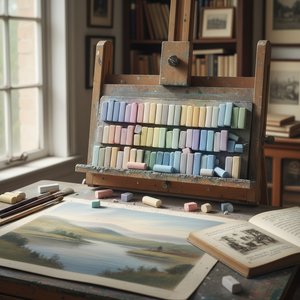
The Subtleties of Pastel: A Comprehensive Exploration of Technique, History & Emotional Resonance
Explore the captivating world of pastel art! Discover its rich history, Impressionistic masters like Degas, emotional power & unique techniques. Find museum-quality reproductions at OriginalUniqueArt.

The Soft Power of Pastel: A Connoisseur's Guide to History, Technique, and the Art of Texture
Explore the ethereal beauty of pastel art. From Renaissance origins to Impressionist mastery, discover the history, technique, and velvety textures that define this luminous medium in our expert guide for art connoisseurs.

Soft Texture, High Impact: The Ultimate Buyer's Guide to Mastering Pastel Art for Modern Interiors
Master the art of texture with our ultimate guide to pastel art. Discover how to select high-impact, soft-textured pieces that transform modern interiors, from hand-painted masterpieces to custom AI-remixed portraits. Elevate your space with expert curation and bold design.

The Subdued Radiance of Pastel: Exploring Nuance & Emotion in Art
Explore the nuanced world of pastel art! Discover its history, techniques & emotional power with expert insights from OriginalUniqueArt.com. Find museum-quality reproductions and learn about collecting this delicate medium.