
 設置イメージを表示
 シェアする
シェアする シェアする
シェアする
 詳細を見る
詳細を見る ガイドを表示

 ダウンロード
 似ている作品
 X線調査
X線調査 スライドショーを表示
 Q&A
Q&A 統計情報
統計情報Tiger Stone


 詳細を表示
詳細を表示
ジークレー/アートプリント
スピーディーな制作と多彩な仕上げオプションが魅力の、ミュージアムクオリティなジークレー・キャンバスプリント。 ( 手描き複製画を注文する デジタル画像販売へ切り替え)




P118B ¥10

P118H ¥10

P118W ¥10

P438Z ¥10

P508JH ¥12

P508YH ¥12

P805H ¥10

P805Z ¥10

P919BZ ¥10

P919G ¥10

P919XJ ¥10

P959ZH ¥10

P968JZ ¥12

W106C ¥8

W218G ¥10

W218JH ¥8

W218Y ¥10

W307PJ ¥10

W316G ¥10

W316PJ ¥8

W316Y ¥10

W398PJ ¥8

W4111J ¥10

W500HY ¥15

W500JH ¥15

W692G ¥12

W849H ¥8

W940BG ¥15

W953PJ ¥8




作品のオリジナル比率に合わせた、当店の規定サイズからお選びください。

額縁や壁のスペースに合わせて、ご希望の幅と高さを入力してください。プリントはカットすることは可能ですが、元の画像より大きくすることはできないため、異なる比率のサイズを選択された場合は、画像の一部が欠けることになります。印刷を開始する前に、内容を確認していただくためのデジタルモックアップをお送りいたします。このページに表示されている画像は、実際のカット後の状態を示すものではありません。実際の仕上がりはモックアップにてご確認ください。


 ガラスオプションは、110cm未満のサイズでのみご利用いただけます。

Tiger Stone
ジークレー/アートプリント
複製画サイズ一覧
-


合計金額
¥ 12817
The Weight of Legend: Unpacking Katsushika Hokusai’s “Tiger Stone”
Katsushika Hokusai's "Tiger Stone" (Tora ga Ishi), a captivating woodblock print from 1849, isn’t merely a depiction of two figures wrestling with an enormous boulder; it’s a potent distillation of Japanese folklore, artistic ambition, and the enduring power of symbolism. Created during the twilight years of Hokusai's extraordinary nine-decade career – a period marked by both profound reflection and relentless experimentation – this image transcends its simple subject matter to become a meditation on strength, perseverance, and the relationship between humanity and nature. The scene unfolds within a deliberately ambiguous landscape, hinting at a remote mountain path, yet firmly rooted in the traditions of *musha-ebōshi*, or “hero wrestling,” a popular motif in Japanese art that embodies the struggle against insurmountable odds.
- The Wrestlers: Two men, rendered with dynamic energy and expressive gestures, engage in a seemingly futile battle. Their postures suggest immense effort, their faces etched with determination – yet there’s an underlying sense of futility, mirroring the challenge posed by the colossal stone.
- The Stone: The boulder itself is not simply a geological obstacle; it's imbued with symbolic weight. It represents the burdens we carry, the challenges that test our resolve, and perhaps even the limitations of human endeavor. Its sheer size dwarfs the figures attempting to move it, emphasizing the scale of the task.
- The Landscape: The sparse, atmospheric background – a suggestion of mountains shrouded in mist – reinforces the sense of isolation and the arduous nature of the struggle. It’s a landscape stripped bare, focusing attention on the central drama of the wrestling match.
A Legacy Forged in Ink: Hokusai's Artistic Journey
To fully appreciate “Tiger Stone,” one must understand the context of Katsushika Hokusai’s extraordinary life and career. Born Tokitarō in Edo (modern-day Tokyo) around 1760, he began his artistic journey as a young boy, apprenticed to a mirror maker – an unlikely beginning for a man who would become one of Japan's most celebrated artists. Hokusai’s early years were marked by a relentless pursuit of mastery, shifting names and styles throughout his long career, reflecting a constant desire to evolve and push the boundaries of traditional Japanese art. He initially worked as a printmaker in Shunshō’s studio, mastering the techniques of *ukiyo-e*, but quickly developed his own distinctive style, characterized by bold lines, vibrant colors, and an innovative approach to perspective and composition. His later years were particularly prolific, marked by a profound sense of urgency – he famously declared that he would continue painting until he was old enough to be mistaken for a child.
Research Note: This link provides valuable details about the print’s history and provenance, including its journey from the Harvard Art Museum to private collections.Symbolism and Folklore: Echoes of Japanese Tradition
“Tiger Stone” is deeply rooted in Japanese folklore and artistic tradition. The motif of *musha-ebōshi* – hero wrestling – has a long history in Japanese art, often used to depict the struggle against fate or the triumph over adversity. The tiger itself carries significant symbolic weight in Japanese culture, representing strength, courage, and good fortune. It’s frequently depicted in Buddhist iconography as a symbol of overcoming evil and achieving enlightenment. The inclusion of three birds – one on the left and two on the right – adds another layer of symbolism, potentially representing messengers or guardians watching over the struggle. The overall composition evokes a sense of timelessness, suggesting that this ancient ritual continues to resonate with viewers today.
Bringing Hokusai’s Vision Home: Reproductions and Artistic Impact
Katsushika Hokusai's "Tiger Stone" is more than just an image; it’s a window into the heart of Japanese culture and artistic genius. High-quality reproductions capture the print’s remarkable detail, vibrant colors, and dynamic energy, allowing you to bring this iconic masterpiece into your own home or studio. Whether displayed as a statement piece in a contemporary setting or incorporated into a traditional Japanese room, “Tiger Stone” serves as a constant reminder of the enduring power of art to inspire, challenge, and transport us across time and cultures. Consider commissioning a hand-painted reproduction – a faithful recreation that honors Hokusai’s original vision while adding your own personal touch.
Q&A
葛飾北斎 (Katsushika Hokusai)作「Tiger Stone」の構図は、縦長、横長、それとも正方形ですか?
「Tiger Stone」の形式はSquareです。複製画を飾る場所を検討する際にお役立てください。
「Tiger Stone」の著作権の状態は、なぜこのようなものになっているのでしょうか?
「Tiger Stone」の著作権の状態について — パブリックドメイン(著作権消滅) — は、作者の没年である1849に基づいています。
「Tiger Stone」を特徴づける配色と、主役となる色は何でしょうか?
葛飾北斎 (Katsushika Hokusai)作「Tiger Stone」の色彩表現:Gray (#6a765a)を基調とした、Neutralsなパレット。
作家プロフィール
葛飾北斎:浮世絵を超えた、時代と世界を映した巨匠
江戸時代の美術を語る上で、葛飾北斎(1760年~1849年)の名は欠かせない。その代表作『神奈川沖浪裏』は、今や日本を象徴するアイコンとして世界中で愛され、多くの人々に感動を与え続けている。しかし、北斎の芸術的探求は、単なる浮世絵師という枠を超えた、時代と世界との対話の軌跡であり、その生涯と作品群を深く理解することで、日本の美術史における彼の真価が明らかになるだろう。幼少期から絵を描く才能を発揮し、12歳で父の後を継ぎ、その後、浮世絵師勝川春洲の門下に入り、版画技術や役者絵などの基礎を学んだ北斎は、伝統的な浮世絵の世界に留まることなく、常に新しい表現方法を模索し続けた。変革と探求:多様な才能が開花する
春洲の弟子時代を経て、北斎は独自の道を歩み始める。役者絵から風景画へと主題を変え、大胆な構図や斬新な色彩感覚で、従来の浮世絵の枠を超えた作品を生み出した。特に注目すべきは、『富嶽三十六景』である。富士山を様々な角度から捉え、季節や時間帯の変化を描き出すこのシリーズは、北斎の風景画における卓越した技術と、自然に対する深い愛情を示すとともに、当時の旅行ブームに乗った作品群でもあった。また、『北斎漫画』は、人物、動物、風景など、多岐にわたるモチーフをスケッチブック形式で収録したものであり、その自由な発想と卓越した観察眼がうかがえる。この作品群は、後の漫画文化の源流とも言える存在であり、北斎の芸術的影響力の広がりを示す好例である。西洋絵画との邂逅:新たな表現への挑戦
北斎の芸術に大きな転換をもたらしたのは、オランダ絵画などの西洋美術との出会いだった。漂流物の持ち込みによって日本に入ってきたこれらの作品は、北斎に遠近法や陰影表現といった新しい技法を学ばせ、彼の作品に革新的な変化をもたらした。特に遠近法の導入は、浮世絵の構図に大きな影響を与え、奥行きのある風景描写を可能にした。また、西洋の色彩感覚も北斎の作品に取り入れられ、より鮮やかで豊かな色彩表現が実現された。これらの要素が融合することで、北斎の作品は、日本の伝統美と西洋の革新性が融合した、独創的な芸術へと昇華していったのである。後世への遺産:世界に影響を与えた巨匠
北斎の作品は、単なる美術作品としてだけでなく、文化的な交流の象徴としても重要な意味を持つ。19世紀後半になると、日本の美術品が欧米で人気を博し、「ジャポニスム」と呼ばれる現象が起こった。モネやドガといった印象派の画家たちは、北斎の作品から構図や色彩感覚、装飾性などを学び、自身の作品に取り入れ、その影響は絵画だけでなく、版画、デザインなど、様々な分野に及んだ。北斎の芸術は、東西文化の架け橋となり、世界中の人々に感動とインスピレーションを与え続けている。晩年は、90歳を超えるまで精力的に制作活動を続け、「老若中外無有乎(どんな年齢の人にも、あらゆる国の人にも、誰もが持っているもの)」という言葉に象徴されるように、北斎の芸術は、時代を超えて人々の心に深く刻まれ、今なおその輝きを失っていない。北斎の足跡:生涯と作品から読み解く
- 主な影響を受けた画家: 勝川春洲, 中国の山水画
- 代表作: 『富嶽三十六景』、『神奈川沖浪裏』、『北斎漫画』
- 晩年の言葉: 「老若中外無有乎」

葛飾北斎 (Katsushika Hokusai)
1760 - 1849 , 日本
プロフィール概要
- フルネーム: 葛飾北斎
- 主な作品:
- 富嶽三十六景
- 神奈川沖浪裏
- 北斎漫画
- 出身地: 日本、東京都
- 国籍: 日本
- 影響を与えたアーティスト:
- 印象派
- ゴッホ
- 影響を受けたアーティスト: ['中国の山水画']
- 没年月日: 1849年5月10日
- 生年月日: 1760年10月31日
- 芸術運動またはスタイル: 浮世絵
関連記事

Japonisme: How Japanese Woodblock Prints Revolutionized Western Art
Explore the profound impact of Japonisme on Western art. Discover how Japanese ukiyo-e woodblock prints revolutionized perspective, color, and composition for masters like Monet and Van Gogh, forever changing the course of modern art history.
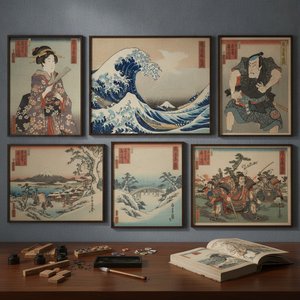
Ukiyo-e: The Art of the Floating World and the Legacy of Japanese Woodblock Masters
Explore the profound history of Ukiyo-e, from Hokusai's iconic waves to the vibrant culture of Edo Japan. Discover the intricate craft of woodblock printing and the enduring legacy of these Japanese masterpieces through our expert art history guide.

Floating Worlds: A Definitive Guide to the Mastery and Philosophy of Japanese Ukiyo-e Woodblock Prints
Explore the profound beauty of Ukiyo-e. Discover the history, philosophy, and legendary masters of Japanese woodblock prints, from Hokusai to Kuniyoshi, in this expert guide to the 'Floating World'.

葛飾北斎:25の傑作が語る浮世絵の世界 - OriginalUniqueArt
葛飾北斎の25選:『神奈川沖浪裏』や『富嶽三十六景』など、浮世絵の世界を深く探求。木版画の技法と日本美術の美をOriginalUniqueArtで。高品質なアートプリントで空間に感動を。コレクションはこちら。

The Soul of the Carved Line: Discovering the Timeless Magic of Japanese Woodblock Prints
Embark on a cultural journey through the delicate beauty of Japanese woodblock prints. Explore the mastery of Ukiyo-e, from Hokusai's dramatic lines to Obata's serene designs, and discover the enduring soul of this timeless art form for the discerning collector.


