- ホーム

- デジタル画像一覧
- Karol Hiller
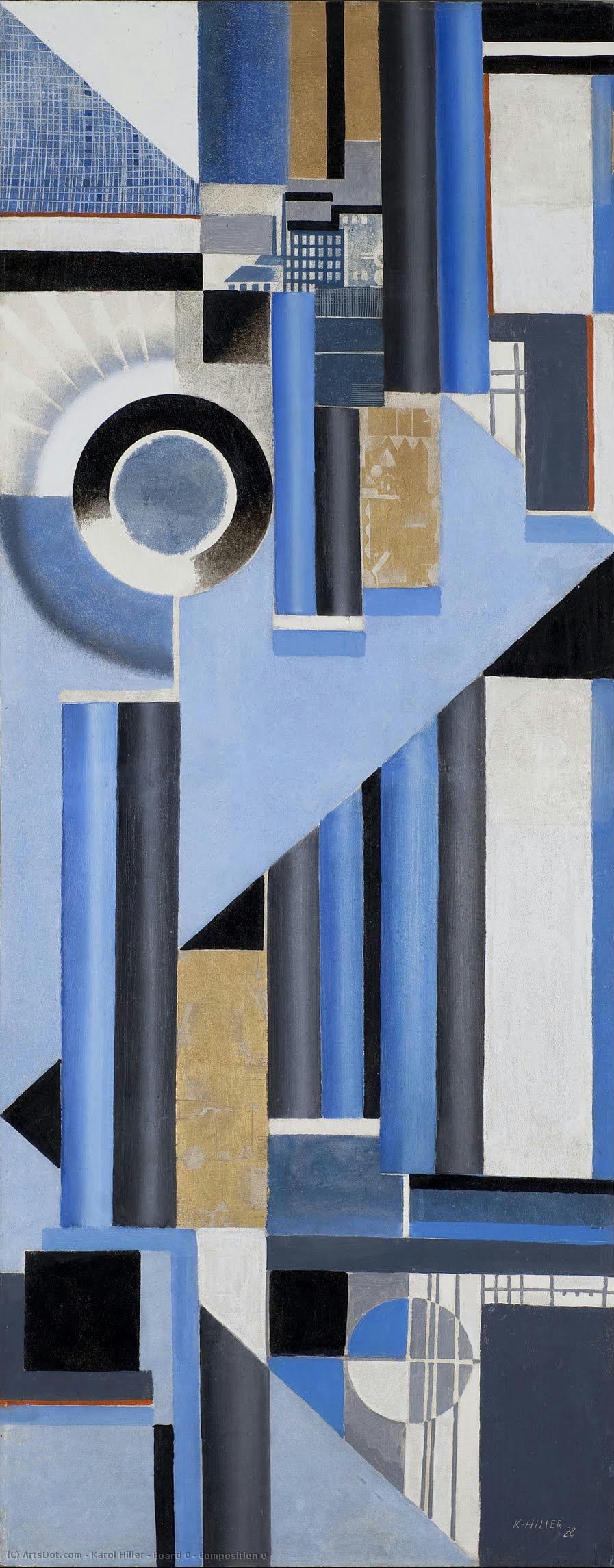
- Board 0 / Composition 0
 Preview
 シェアする
シェアする シェアする
シェアする
 詳細を見る
詳細を見る

 ダウンロード
 似ている作品
 X線調査
X線調査 スライドショー
Board 0 / Composition 0
 1928
1928 120.0 x 47.0 cm
 詳細を見る
詳細を見る
オンラインプレビューをはるかに凌ぐ、高解像度で鮮明なデジタル画像をご購入いただけます。
各ファイルは、社内の専門家が高度なツールと熟練した手作業によるレタッチを用いて、細心の注意を払って準備されています。すべての画像において、卓越した鮮明度、正確な色彩再現性、そして繊細なディテールを保証いたします。
最終ファイルは、プロフェッショナルな編集・印刷環境ですぐにご利用いただけるよう最適化された状態で、72時間以内にメールにてお届けいたします。これは、一流のデザインスタジオ、出版社、ギャラリーから信頼されているものと同等の品質です。
デジタルアート
個人での鑑賞、印刷、クリエイティブなプロジェクト用に、高解像度ファイルをダウンロードできます。 ( Switch to Print Switch to hand made Painting)
デジタル画像のご注文に付随する特典
高品質なデジタル画像配信を、確かな品質で。
OriginalUniqueArt.com を選ぶことは、単に画像を手に入れることではありません。それは、プロの手によって精密に仕上げられ、満足保証が付いた高品質なデジタルアートワークを受け取ることを意味します。ご注文いただいた際に自動的に付随する内容は、以下の通りです:

メールですぐにお届け
ご注文から72時間以内に、高解像度のデジタル画像ファイルがメールでお手元に届きます。すぐにそのままご利用いただけます。

AI技術で最適化されたデジタルファイル
お客様の作品は、高度なAIツールと専門家による手作業の編集を組み合わせてプロフェッショナルに最適化されており、細部のディテール、鮮明さ、そして正確な色再現性を最大限に引き出しています。

一生涯無料の再送サービス
ファイルを誤って削除したり、紛失してしまったりしましたか?ご安心ください。いつでも無料で再送いたします。

輸入手数料は一切かかりません
関税や手数料、配送料を気にすることなく、お気に入りのアートワークをすぐにお楽しみいただけます。デジタルダウンロードは常に免税です。

色彩再現の保証
プロ仕様のツールとカラーマネジメント技術を用いることで、デジタル画像が元の色を最大限に忠実に再現することを保証いたします。

60日間満足保証
ご購入いただいたデジタル画像にご満足いただけない場合は、60日以内であれば、修正または100%の返金(理由を問う必要はありません)をさせていただきます。

100% 返金保証
ご満足いただけない場合は、デジタルファイルを受け取ってから60日以内であれば、理由を問わず全額返金いたします。

まとめ買い割引
3枚購入で10%OFF - 5枚購入で15%OFF - 10枚以上購入で20%OFF。クリエイティブなプロジェクト、ギャラリー、エージェンシーに最適です。
作家の略歴
A Pioneer of Polish Abstraction: The Life and Art of Karol Hiller
Karol Hiller, born in Łódź, Poland, on December 6th, 1891, stands as a pivotal figure in the development of abstract art within the interwar Polish landscape. His life, tragically cut short by the Gestapo in December 1939 near Lućmierz Forest, embodies both artistic innovation and the brutal realities of a nation consumed by conflict. Hiller’s journey was one of constant exploration, moving from early studies in chemistry and civil engineering to a passionate embrace of art, ultimately leading him to pioneer techniques and forms that would define Polish Constructivism and later evolve into uniquely organic abstract compositions. His story is not merely biographical; it's a testament to the power of artistic vision amidst political turmoil and a relentless pursuit of new modes of expression.From Scientific Roots to Artistic Awakening
Hiller’s initial academic pursuits seem far removed from the world of painting, yet they profoundly shaped his later work. He began with studies in chemistry at the Higher Technical School in Darmstadt, followed by civil engineering at the Polytechnic Institute in Warsaw. The outbreak of World War I interrupted these studies, leading to conscription into the army in 1916. Following the war, a period spent in Kiev proved transformative. There, he enrolled at the Academy of Fine Arts under the tutelage of Mikhail Boychuk, a renowned Byzantinesque painter. This exposure to traditional techniques—particularly icon painting—provided Hiller with a foundational understanding of materials and composition that would resurface later in his experimentation. It was during this time that Hiller began to develop a keen interest in the underlying principles of form and color, setting the stage for his future artistic endeavors. He remained politically engaged throughout his stay in Kiev, an early indication of his commitment to social awareness which would inform much of his work.The Rise of Constructivism and the Association of Visual Artists
Returning to Łódź in 1921 marked a turning point in Hiller’s career. He quickly became involved in the city's burgeoning art scene, co-founding the Association of Visual Artists (Zrzeszenie Artystów Plastyków) in 1931. This association served as a crucial platform for promoting avant-garde ideas and fostering collaboration among Polish artists. During the 1920s, Hiller wholeheartedly embraced Constructivism, aligning himself with a movement that sought to reflect the dynamism of modern life through geometric abstraction. His early works from this period are characterized by precise lines, bold contrasts, and a rejection of representational imagery. He participated in numerous exhibitions throughout Poland, showcasing his commitment to the principles of functionalism and industrial aesthetics. From 1930 to 1938, he actively exhibited at shows organized by the Institute of Art Propaganda in Łódź and Warsaw, further solidifying his position within the Polish art community.Heliographic Compositions: A Unique Artistic Innovation
Perhaps Hiller’s most significant contribution lies in the development of the heliographic technique—a process that involved using sunlight to create abstract compositions on photosensitive paper. This innovative method allowed him to explore chance and control simultaneously, resulting in works characterized by intricate patterns and subtle gradations of tone. The “Heliographic Compositions,” created throughout the 1930s, represent a departure from the rigid geometry of his earlier Constructivist pieces. These compositions often evoke biological forms—cells, organisms, and natural structures—reflecting a growing fascination with the organic world. This shift signaled a move towards a more abstract and intuitive approach to artmaking. He was not simply creating images; he was exploring the very nature of perception and the interplay between light, form, and space.Legacy and Historical Significance
In the late 1930s, Hiller’s work underwent another transformation, becoming increasingly abstract and focused on biological forms. This evolution reflected a broader trend within Polish art towards greater experimentation and a rejection of strict ideological constraints. Tragically, his artistic journey was abruptly halted in December 1939 when he was executed by the Gestapo. Despite his untimely death, Karol Hiller left an indelible mark on Polish art history. He is remembered as a pioneer of abstraction, a champion of Constructivism, and an innovator who fearlessly explored new techniques and forms. His work continues to inspire artists today, serving as a powerful reminder of the enduring power of artistic vision in the face of adversity. Karol Hiller’s legacy is not just about the paintings he created; it's about his unwavering commitment to pushing boundaries and challenging conventional notions of art—a spirit that continues to resonate within the Polish art world and beyond. His exploration of light, form, and biological structures remains a testament to his unique artistic sensibility.
Karol Hiller
1891 - 1939 , Poland
プロフィール概要
- Artistic Movement Or Style: Constructivism
- Artists Or Movements Influenced By This Artist: ['Cubism']
- Artists Who Influenced This Artist: ['Mikhail Boychuk']
- Date Of Birth: December 6, 1891
- Date Of Death: December 1939
- Full Name: Karol Hiller
- Nationality: Polish
- Notable Artworks:
- Heliographic composition (XXIX)
- Factory outlet
- O Composition
- Place Of Birth: Łódź, Poland

