

 プレビュー
プレビュー
 プリントを購入
 シェアする
シェアする シェアする
シェアする
 詳細を見る
詳細を見る

 ダウンロード
 似ている作品
 X線調査
X線調査 スライドショー
Anson Phelps Stokes


 詳細を見る
詳細を見る




































作品のオリジナル比率に合わせた、当店の規定サイズからお選びください。

特定のフレームやスペースに合わせて、ご希望のサイズをご入力いただけます。選択されたサイズが元の画像の比率と異なる場合、アートワークをトリミングするか、手描きで要素を追加して絵画を拡張いたします。デジタルモックアップ を制作し、制作開始前にご確認(承認)をいただきます。
画面上のプレビューは、実際のトリミングや拡張を正確に反映しているものではありません。最終的な構図は、モックアップによってのみ正確にご確認いただけます。
カスタムサイズもご利用いただけますが、元の比率を維持するためには、あらかじめ用意されたリストからサイズを選択することをお勧めいたします。
ご注文後、OriginalUniqueArt.com チームより詳細な指示をお送りするとともに、仕上がりイメージ(モックアップ)をご提供いたします。


 ガラスオプションは、110cm未満のサイズでのみご利用いただけます。

Anson Phelps Stokes
複製技法
複製画のサイズ
-


合計金額
$ 300
アーティストの略歴
Julius Rolshoven: A Life in Art
Early Life and Education
- Born: October 28, 1858, in Detroit, Michigan.
- Rolshoven’s artistic journey began with formal training at the Cooper Union Art School in New York City.
- He continued his studies abroad, first at the Düsseldorf Academy and then in Munich, seeking a rigorous academic foundation.
- A pivotal moment came when he studied under Frank Duveneck in Venice and Florence, becoming one of the esteemed “Duveneck Boys.” This experience profoundly shaped his artistic style and approach.
Artistic Development and Influences
- Duveneck’s Influence: Rolshoven absorbed Duveneck's emphasis on direct painting, realism, and a rejection of academic conventions. This influence is evident in his early portraits and genre scenes.
- Years spent in Paris and London broadened his exposure to diverse artistic trends, but he ultimately found himself drawn back to the Italian Renaissance tradition.
- His work reflects a blend of realism, impressionistic touches, and a keen eye for capturing character and atmosphere.
Life in Florence and “Castello del Diavolo”
- In 1902, Rolshoven made the significant decision to settle in Florence, Italy.
- Discovery of “Devil’s Castle”: In 1905, while painting outdoors, he stumbled upon a dilapidated castle known as "Castello del Diavolo" (Devil's Castle), belonging to the Talani family.
- Enthralled by its charm and history, Rolshoven purchased the property in 1907 and embarked on an extensive restoration project. The estate became his home and a source of inspiration for decades.
- The Italian government eventually recognized the Castello del Diavolo’s historical significance, designating it as a national monument, a testament to Rolshoven's dedication to its preservation.
Return to America and Southwestern Period
- The outbreak of World War I prompted Rolshoven’s return to the United States in 1915. He married Harriette Haynes Blazo in Los Angeles.
- Santa Fe and the Taos Society: By 1916, he had established a studio in Santa Fe, New Mexico, at the Governor’s Palace.
- He became an early member of the prestigious Taos Society of Artists, contributing to the burgeoning art scene in the American Southwest.
- His Southwestern landscapes and depictions of Native American life reflect his adaptation to a new environment while maintaining his distinctive artistic style.
Later Life and Legacy
- From 1920 until his death, Rolshoven divided his time between Florence, Detroit, and Santa Fe, reflecting his enduring connections to these places.
- Death at Sea: He passed away on December 8, 1930, while traveling by ship across the Atlantic Ocean.
- His widow, Harriette Haynes Blazo Rolshoven, generously donated a substantial sum and twenty of his artworks to the University of New Mexico in 1957, ensuring his legacy would be preserved and appreciated for generations to come.
- Rolshoven’s work offers a glimpse into a cosmopolitan life, bridging European traditions with American landscapes and cultural encounters. His paintings continue to captivate viewers with their realism, sensitivity, and historical resonance.

Julius Rolshoven
1858 - 1930 , United States of America
基本情報
- Birth Date: 1858-10-28
- Birth Place: Detroit, Michigan, USA
- Death Date: 1930-12-08
- Influenced By: Frank Duveneck
- Movement: Duveneck school
- Name: Julius Rolshoven
- Nationality: American
- Notable Works:
- Indian Market
- Anson Phelps Stokes
- Donna Tosca
- The Etruscan Girl
- By the Well, Florence
関連記事

The Enduring Legacy of Oil on Canvas: Technique, History & Aesthetic Impact
Explore the rich history & techniques of oil painting – from Renaissance masters to Impressionism. Discover pigments, layering methods, and why this timeless medium endures. Expert insights for artists & art enthusiasts.

Oil on Canvas: A Historical & Technical Exploration of a Timeless Artistic Medium
Explore the rich history & enduring techniques of oil painting on canvas. Discover the science behind its longevity, conservation practices, and contemporary relevance. Expert insights for art enthusiasts.

The Enduring Power of Painting: A Historical & Contemporary Exploration of Form and Emotion
Explore the rich history & enduring techniques of oil painting with OriginalUniqueArt. Discover masterpieces, learn about art collecting, and find authentic handmade reproductions crafted by skilled artists.
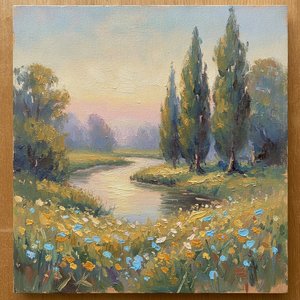
The Timeless Charm of Oil on Board: Reimagining Texture and Light through the Impressionist Lens
Discover the profound intimacy of oil on panel. Explore how Impressionist masters used rigid supports to capture light, texture, and impasto depth through exquisite, handmade oil reproductions for discerning collectors.

油彩のキャンバス:技法、歴史、そして現代の実践 - 古典美術愛好家へ
油彩の技法、歴史、巨匠たちの秘密を徹底解説。古典美術愛好家向けに、初期フランドル絵画から現代の実践まで深く掘り下げます。OriginalUniqueArtで高品質な複製画やカスタムオーダーも承ります。

