
 設置イメージを表示
 シェアする
シェアする シェアする
シェアする
 詳細を見る
詳細を見る ガイドを表示

 ダウンロード
 似ている作品
 X線調査
X線調査 スライドショーを表示
 Q&A
Q&A 統計情報
統計情報The red bridge

- 61.0 x 86.0 cm


 詳細を表示
詳細を表示
ジークレー/アートプリント
スピーディーな制作と多彩な仕上げオプションが魅力の、ミュージアムクオリティなジークレー・キャンバスプリント。 ( 手描き複製画を注文する デジタル画像販売へ切り替え)




P118B ¥10

P118H ¥10

P118W ¥10

P438Z ¥10

P508JH ¥12

P508YH ¥12

P805H ¥10

P805Z ¥10

P919BZ ¥10

P919G ¥10

P919XJ ¥10

P959ZH ¥10

P968JZ ¥12

W106C ¥8

W218G ¥10

W218JH ¥8

W218Y ¥10

W307PJ ¥10

W316G ¥10

W316PJ ¥8

W316Y ¥10

W398PJ ¥8

W4111J ¥10

W500HY ¥15

W500JH ¥15

W692G ¥12

W849H ¥8

W940BG ¥15

W953PJ ¥8




作品のオリジナル比率に合わせた、当店の規定サイズからお選びください。

額縁や壁のスペースに合わせて、ご希望の幅と高さを入力してください。プリントはカットすることは可能ですが、元の画像より大きくすることはできないため、異なる比率のサイズを選択された場合は、画像の一部が欠けることになります。印刷を開始する前に、内容を確認していただくためのデジタルモックアップをお送りいたします。このページに表示されている画像は、実際のカット後の状態を示すものではありません。実際の仕上がりはモックアップにてご確認ください。


 ガラスオプションは、110cm未満のサイズでのみご利用いただけます。

The red bridge
ジークレー/アートプリント
複製画サイズ一覧
-


合計金額
¥ 12795
A Moment of Tranquil Reflection: Julian Alden Weir’s “The Red Bridge”
Julian Alden Weir's "The Red Bridge," painted in 1890, isn’t merely a depiction of a picturesque landscape; it’s an invitation to stillness. This tonalist masterpiece, currently residing within the Metropolitan Museum of Art, captures a fleeting moment of serenity – a scene bathed in muted light and imbued with a profound sense of peace. Weir, deeply rooted in an artistic family tradition, skillfully employed his father's influence alongside a burgeoning Impressionistic sensibility, forging a unique style characterized by its deliberate restraint and evocative atmosphere.
The painting immediately draws the eye to the vibrant orange bridge, a bold stroke against the predominantly cool tones of the water and surrounding foliage. This striking color choice isn’t arbitrary; it suggests warmth, vitality, and perhaps even a hint of optimism within this otherwise contemplative scene. The bridge itself acts as a visual anchor, drawing the viewer into the heart of the composition while simultaneously hinting at connection – to the people traversing it, to the landscape beyond, and perhaps even to a deeper sense of self.
The Language of Tonalism
Weir’s masterful use of tonalism is central to the painting's power. This style, popular during the late 19th century, prioritized subtle gradations of color and delicate brushstrokes over sharp outlines and vibrant hues. Rather than aiming for photographic realism, Weir sought to capture the *feeling* of a scene – the diffused light, the gentle movement of water, the quiet solitude of the landscape. Notice how he avoids harsh contrasts; instead, he builds up layers of muted tones, creating an incredibly rich and textured surface that invites close inspection.
The soft brushwork contributes significantly to this effect. It’s almost as if you could reach out and feel the coolness of the water, the dampness of the trees, and the gentle breeze rustling through the leaves. This deliberate lack of detail forces the viewer to actively engage with the painting, interpreting its nuances and allowing their own emotions and memories to shape their experience.
A Glimpse into a Family Legacy
Understanding Julian Alden Weir’s artistic journey is crucial to appreciating “The Red Bridge.” Born in West Point, New York, in 1852, he was raised within an environment saturated with art. His father, Robert Walter Weir, was not only a painter but also an influential instructor at the United States Military Academy, fostering a deep appreciation for artistic principles in young Julian and his brother, John Ferguson Weir, who followed in his footsteps as a landscape artist. This familial connection undoubtedly shaped Weir’s approach to painting – a quiet confidence born from years of observation and guidance.
Weir's formative years included study at the National Academy of Design in New York City, but it was his time spent in Paris—a pivotal period marked by mentorship under Jean-Léon Gérôme—that truly solidified his artistic voice. This exposure to academic training provided a foundation in technique while allowing him to develop his own distinctive style, one characterized by its introspective mood and masterful manipulation of light and color.
Symbolism and Emotional Resonance
Beyond its technical brilliance, “The Red Bridge” resonates with a quiet emotional depth. The scene suggests a moment of respite – people enjoying the beauty of nature, perhaps reflecting on life’s simple pleasures. The bridge itself can be interpreted as a symbol of transition, connection, or even hope. It invites us to pause, breathe deeply, and appreciate the tranquility that surrounds us.
This painting is more than just a beautiful landscape; it's an invitation to slow down, to find beauty in the ordinary, and to connect with our own sense of peace. OriginalUniqueArt offers exquisite hand-painted reproductions of “The Red Bridge,” allowing you to bring this timeless masterpiece into your home or office – a testament to Weir’s enduring vision and a source of quiet contemplation for years to come. To explore more about Julian Alden Weir and his works, visit OriginalUniqueArt.com.
Q&A
「The red bridge」はどのような作品ですか?
ジュリアン・アルデン・ウィアー作「The red bridge」はWallArtに分類されます。このカテゴリーは、原画の作品形式を表しています。
メトロポリタン美術館所蔵の「The red bridge」の複製権について教えてください。
ジュリアン・アルデン・ウィアー作「The red bridge」の著作権の状態は明確であり、本作はパブリックドメイン(著作権消滅)です。メトロポリタン美術館に所蔵されているという事実によって、この状態が変わることはありません。
ジュリアン・アルデン・ウィアー作「The red bridge」は、どのような感情を伝えていますか?
ジュリアン・アルデン・ウィアー作「The red bridge」は、Tranquilな情緒を伝えています。
作家プロフィール
幼年期と芸術的基盤
1852年8月30日、ニューヨーク州ウェストポイントで生まれたジュリアン・アルデン・ウィアーは、その道を深く形作った芸術的な血統を受け継ぎました。彼の父、ロバート・ウォルター・ウィアーは尊敬される画家であり、アメリカ陸軍士官学校の絵画教授を務め、幼いジュリアンに幼少の頃から深い芸術への理解を植え付けました。家自体が活気に満ちたスタジオであり、創造的な生活のための道具とインスピレーションで満たされていました。この育成環境は、兄のジョン・ファーガソン・ウィアーにも及び、彼もまた著名な風景画家となりました。ジュリアンの正式な訓練は1870年頃にニューヨーク市のナショナルアカデミーオブデザインで始まり、伝統的な技法に関する確固たる基礎を築きました。しかし、1873年のパリへの旅が彼の芸術的発展を真に加速させました。ジャン=レオン・ジェロームのもとでエコール・デ・ボザールで学ぶことは、学問的な厳格さと細部へのこだわりを彼にもたらし、ジュール・バスティアン=ルパージュのようなアーティストとの友情は、絵画の可能性に対する彼の視野を広げました。当初、ウィアーは台頭する印象派運動に強い反感を抱いており、その形式と構造の欠如を「恐ろしい」と一蹴しました。この初期の抵抗は重要であることが証明され、彼が最終的に印象主義を受け入れたのは、即座の受け入れではなく、理解の段階的な進化によるものでした。コネチカットでの時代と芸術的変容
ウィアーの人生における転換点は、1883年にアンナ・ドワイト・ベイカーとの結婚と、その後のコネチカット州ブランチビルへの移住でした。彼はそこで農場を購入し、ニューヨーク市の賑やかなアートの世界から休息を求めました。この田舎の環境は単なる隠れ家ではありませんでした。それはインスピレーションの源泉でした。穏やかな風景、農村生活のリズム、自然との親密なつながりは、彼の芸術的焦点を微妙に変化させ始めました。当初は伝統的な様式で肖像画や静物画を制作し続けましたが、ウィアーは光と大気の移ろい気を捉えることにますます魅力を感じるようになりました。1891年頃、この傾向は印象主義への本格的な傾倒へと花開きました。ジョン・トゥワクトマンやセオドア・ロビンソンといった仲間の芸術家たちに影響を受け、彼は断片化された筆致、鮮やかな色彩パレット、主観的知覚の強調を実験し始めました。これは彼の以前の訓練の放棄ではありませんでした。むしろ、学問的なスキルと新しい運動の革新的な精神との統合でした。彼のスタイルはしばしば純粋な印象主義表現とより抑制されたトーン主義の間で揺れ動き、同時代の人々から彼を区別するユニークな視覚言語を作り出しました。彼はまた、とりわけアクアチント技術の熟練した使用を通して、版画家としてもかなりの才能を発揮しました。アメリカ美術における主要な声
19世紀後半までに、ジュリアン・アルデン・ウィアーはアメリカのアートシーンにおいて著名な人物として確立していました。彼は「The Ten」の結成に貢献し、これはナショナルアカデミーオブデザインのような伝統的な機関の制約の外で作品を展示しようとする独立した志向の画家10人のグループでした。チャイルド・ハッサム、ウィラード・ロイ・メットカフ、エドマンド・ターベルといった芸術家を含むこの集団は、芸術的自律性に向けて重要な一歩を踏み出し、アメリカ絵画の方向性を形作るのに役立ちました。1912年、ウィアーはアメリカ人画家と彫刻家の協会初の会長に選出され、アートコミュニティ内での彼のリーダーシップをさらに確固たるものにしました。その後、彼はナショナルアカデミーオブデザインの会長も務め、進歩的な派閥と保守的な派閥の両方から彼が獲得した尊敬を示しました。この時期の彼の主要な作品—1892年の活気に満ちた沿岸の風景である『海岸にて』、1904年の田舎生活の魅力的な描写である『ニューイングランドの農家』、1905年の『高地牧草地』など—は、印象主義的技法の習熟とアメリカの風景の本質を捉える彼の能力を例証しています。遺産と永続する影響
ジュリアン・アルデン・ウィアーの貢献は、彼自身の絵画を超えています。彼は伝統的な学術的な絵画と印象主義の革新的な精神との間のギャップを埋める上で重要な役割を果たし、次世代のアメリカ人アーティストのための道を開きました。「The Ten」を通して芸術的独立性を育む彼の献身は、確立された規範に挑戦し、より活気に満ちた多様なアートランドスケープを作り出すのに役立ちました。今日、コネチカット州ブランチビルにあるウィアーファーム国立歴史史跡は、彼の人生と作品の証として立っています。彼が過ごした時代のように保存されている農場は、彼にインスピレーションを与えた世界—起伏のある丘陵地帯、風化した納屋、ニューイングランドの田舎の静かな美しさ—を訪問者に垣間見せてくれます。このサイトは歴史的なランドマークとしてだけでなく、今日のアーティストにとっても継続的なインスピレーションの源となっています。彼の家族の芸術的遺産—ハドソンリバー派の画家であった父ロバート・ウォルター・ウィアーに由来する—は、アメリカ美術史におけるジュリアン・アルデン・ウィアーの位置をさらに確固たるものにします。彼は1919年12月8日にニューヨーク市で亡くなり、世界を取り巻く美しさと本質を捉える芸術の力を思い出させる作品を残しました。- 主要な作品: 『海岸にて』(1892)、『ニューイングランドの農家』(1904)、『高地牧草地』(1905)
- 芸術的スタイル: 印象主義、トーン主義
- 関連団体: 「The Ten」、ナショナルアカデミーオブデザイン

ジュリアン・アルデン・ウィアー
1852 - 1919 , アメリカ合衆国
プロフィール概要
- Artistic Movement Or Style: 印象派、トーン主義
- Artists Or Movements Influenced By This Artist: ['アメリカ十人組']
- Artists Who Influenced This Artist:
- ジャン=レオン・ジェローム
- ジュール・バスティアン=ルパージュ
- Date Of Birth: 1852年8月30日
- Date Of Death: 1919年12月8日
- Full Name: ジュリアン・アルデン・ウィアー
- Nationality: アメリカ人
- Notable Artworks (List Of Titles):
- 岸辺の風景
- ニューイングランドの農家
- 高地の牧草地
- Place Of Birth (City And Country): ニューヨーク州ウェストポイント
関連記事

ジョン・コンスタブルの傑作25選:英国風景画の巨匠が描く自然と光の詩 | OriginalUniqueArt
ジョン・コンスタブルの傑作25選。英国風景画の巨匠が描く自然と光の詩の世界へ。ロマン主義を代表する絵画、デダム・ヴェールやヘイ・ウェインなど、OriginalUniqueArtで高品質なアートプリントをお楽しみください。インテリアに深みと感動を。コレクションはこちら。

ポール・セザンヌ:至高の25選 - 傑作と革新の軌跡 | OriginalUniqueArt
ポール・セザンヌの至高の25選。ポスト印象派を代表する画家、セザンヌの傑作と革新的な技法を紐解きます。OriginalUniqueArtで高品質な複製画やインテリアアートを見つけ、芸術の世界をご自宅に。今すぐコレクションをご覧ください。
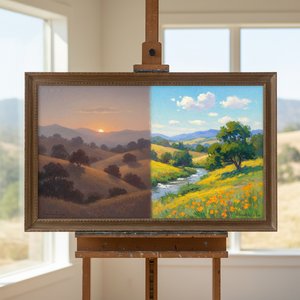
Franz Bischoff: Bridging Tonalism & Impressionism in California Landscape Painting
Explore the captivating art of Franz Bischoff, a pivotal figure bridging Tonalism & California Impressionism. Discover his stunning landscapes, floral works, and lasting legacy with OriginalUniqueArt.
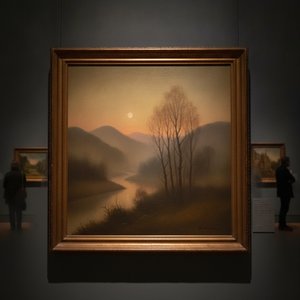
Tonalism Explained: The Art of Mood, Mist, and Masterful Color in Landscape Painting
Discover the evocative world of Tonalism. Explore how masters like Whistler and Tryon used mist, shadow, and subtle color to capture profound mood and atmosphere in landscape art. An expert guide for fine art enthusiasts and collectors.
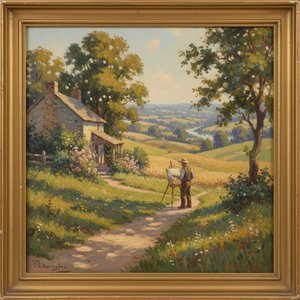
Julian Alden Weir: A Quiet Master of American Impressionism & Rural Life
Discover Julian Alden Weir, a leading American Impressionist painter celebrated for his serene landscapes & depictions of rural life. Explore his artistic evolution, influence on 'The Ten', and legacy at Weir Farm.