
 設置イメージを表示
 シェアする
シェアする シェアする
シェアする
 詳細を見る
詳細を見る ガイドを表示

 ダウンロード
 似ている作品
 X線調査
X線調査 スライドショーを表示
 Q&A
Q&A 統計情報
統計情報VACHES AU BORD DE L'EAU


 詳細を表示
詳細を表示
ジークレー/アートプリント
スピーディーな制作と多彩な仕上げオプションが魅力の、ミュージアムクオリティなジークレー・キャンバスプリント。 ( 手描き複製画を注文する デジタル画像販売へ切り替え)




P118B ¥10

P118H ¥10

P118W ¥10

P438Z ¥10

P508JH ¥12

P508YH ¥12

P805H ¥10

P805Z ¥10

P919BZ ¥10

P919G ¥10

P919XJ ¥10

P959ZH ¥10

P968JZ ¥12

W106C ¥8

W218G ¥10

W218JH ¥8

W218Y ¥10

W307PJ ¥10

W316G ¥10

W316PJ ¥8

W316Y ¥10

W398PJ ¥8

W4111J ¥10

W500HY ¥15

W500JH ¥15

W692G ¥12

W849H ¥8

W940BG ¥15

W953PJ ¥8




作品のオリジナル比率に合わせた、当店の規定サイズからお選びください。

額縁や壁のスペースに合わせて、ご希望の幅と高さを入力してください。プリントはカットすることは可能ですが、元の画像より大きくすることはできないため、異なる比率のサイズを選択された場合は、画像の一部が欠けることになります。印刷を開始する前に、内容を確認していただくためのデジタルモックアップをお送りいたします。このページに表示されている画像は、実際のカット後の状態を示すものではありません。実際の仕上がりはモックアップにてご確認ください。


 ガラスオプションは、110cm未満のサイズでのみご利用いただけます。

VACHES AU BORD DE L'EAU
ジークレー/アートプリント
複製画サイズ一覧
-


合計金額
¥ 12801
A Tempestuous Vision of Pastoral Tranquility
In the realm of nineteenth-century landscape painting, few works capture the visceral tension between peace and peril as masterfully as Jules Dupré’s “Vaches au Bord de l'Eau.” Painted in 1875, this evocative piece serves as a profound testament to the Barbizon School’s radical departure from the polished, idealized landscapes of the era. Rather than presenting a mere postcard of rural life, Dupré invites us into a moment of heavy anticipation. The scene, while ostensibly pastoral, is charged with the palpable drama of an impending storm. It is a meditation on the sublime—that breathtaking intersection where beauty meets the overwhelming, untamable forces of nature that remind us of our own smallness in the face of the infinite.
The composition is anchored by a magnificent, gnarled tree that dominates the center of the canvas. Its twisted branches reach across the sky like weathered fingers, acting as a symbol of resilience against the elements. Below this arboreal sentinel, the landscape unfolds in layers of deep, earthy tones. A tranquil body of water reflects the brooding sky, its surface mirroring the soft, diffused light of an overcast afternoon. Near the water's edge, several cows graze with a quiet, rhythmic grace, their presence providing a sense of grounded stability. This juxtaposition—the heavy, dark energy of the clouds against the slow, steady movement of the livestock—creates a psychological depth that draws the viewer into the very heart of the atmosphere.
The Mastery of Light and Texture
Dupré’s technique is a masterclass in en plein air realism. Eschewing the meticulous, almost clinical detail favored by academic painters, he utilized bold, expressive brushstrokes to convey movement and mood. One can almost feel the humidity in the air and the rustle of leaves driven by a rising wind. The artist’s use of color is particularly sonorous; he employs a palette of muted greens, rich browns, and somber grays that coalesce to create a sense of atmospheric perspective. As the eye moves toward the distant hills and buildings, the forms become softer and less defined, mimicking the way mist and moisture blur the horizon during a storm.
For the discerning collector or interior designer, this painting offers more than just visual beauty; it offers an emotional anchor for a space. The texture of the work—the visible impasto in the foliage and the smooth, reflective quality of the water—provides a tactile richness that elevates any room. Whether placed in a sunlit gallery or a moody, sophisticated study, “Vaches au Bord de l'Eau” brings with it an aura of historical significance and contemplative depth. It is a piece that does not merely decorate a wall but commands the atmosphere, inviting anyone who gazes upon it to pause and listen to the silent, approaching thunder of the natural world.
Q&A
ジュール・デュプレ作「VACHES AU BORD DE L'EAU」は、作家の母国に保管されていますか?
はい、作品は作家の母国に保管されています。。ジュール・デュプレはフランスで生まれ、その真作である「VACHES AU BORD DE L'EAU」はフランスの美術館に収蔵されています。
ルーブル美術館に所蔵されているジュール・デュプレ作「VACHES AU BORD DE L'EAU」は、法的に複製することが可能でしょうか?
「VACHES AU BORD DE L'EAU」の原画はルーブル美術館に所蔵されており、本作品はパブリックドメイン(著作権消滅)です。
ジュール・デュプレ作「VACHES AU BORD DE L'EAU」の画像は自由に複製できますか?
ジュール・デュプレ作「VACHES AU BORD DE L'EAU」 の著作権について:本作品はパブリックドメイン(著作権消滅)です。これにより、画像の複製が自由に行えるかどうかが決まります。
作家プロフィール
バルビゾン派の劇的な魂
ジュール・デュプレ(1811年~1889年)は、風景画における生の観察と感情的な共鳴を重んじた芸術運動、バルビゾン派において礎となる存在です。叙情的な美しさや静謐な安らぎを追求したクロワのような同時代の画家たちとは異なり、デュプレは自然のより暗く、荒々しい側面と向き合いました。彼は嵐の猛威、黄昏時の憂鬱な荘厳さ、そして自然界の絶え間ないエネルギーを捉える比類なき能力を備えており、それらの経験を圧倒的な強烈さをもって描き出しました。フランスのナントに生まれたデュプレの芸術的な旅路は、自然界そのものと、それが呼び起こす深く、時に激しい人間の感情への、芽生え始めた魅了の中から始まりました。
彼の幼少期は、細部への細やかな注意深さと職人技への深い理解という基礎を築きました。これは父の営んでいた磁器製造業を通じて培われた資質です。この形成期の経験は、後に彼自身の芸術活動へと昇華され、特に陶芸装飾の複雑さを探求した初期の作品群において顕著に現れています。磁器装飾の徒弟として、彼は繊細な線や質感を描き出す規律を学びました。この技術こそが、後に大気遠近法や有機的な形態を巧みに操る、彼の卓越した画力へと進化していくことになったのです。
嵐と空によって形作られたヴィジョン
デュプレのキャリアの軌跡を決定的に変えたのは、ジョン・コンスタブルによる画期的なキャンバスとの出会いでした。イギリスの風景画の伝統に触れたことで、彼は自然のダイナミズムの本質――風に煽られる葉の絶え間ない押し引きや、一日のうちで最も不安定な時間帯における光と影の劇的な相互作用――を捉えたいという切実な願いを抱くようになりました。1831年にイギリスへ渡ったデュプレは、これらイギリスの巨匠たちの作品を深く研究し、風景画へのアプローチを再定義することとなる豊かなイメージの数々を携えてフランスへと帰還しました。
彼は特に、サウサンプトンやプリマス周辺の沿岸地域から深いインスピレーションを得ました。荒れ狂う空を映し出す広大な水域は、嵐の雲の激しい動きや海のうねりを研究するための、彼にとって完璧な実験場となりました。この時期の彼の絵画は、単なる風景の描写に留まりません。それは気分や感情の直感的な表現であり、触れることのできるドラマと、時には悲哀さえも感じさせるものです。バルビズムの美学を受け入れたデュプレは、理想化された洗練された表現よりも、表現力豊かな色彩パレットと大胆な筆致を優先しました。それによって、絵具そのものの質感が、荒々しい大地の表情を映し出す鏡となったのです。
バルビゾン派の巨匠が遺したもの
バルビゾン派の主要人物として、デュプレはテオドール・ルソーをはじめとする他の伝説的な画家たちと深い絆を築きました。フランスの芸術界における彼の台頭は、サロンへの入選や、風景画に対するメダル授与といった重要な節目によって刻まれていきました。彼の作品は、ある種の響き渡るような色彩の調和と同義となり、沈みゆく夕日の光や、近づきつつある嵐の暗雲を、鑑賞者は視覚としてだけでなく、肌で感じるかのように体験することとなりました。
今日、ジュール・デュプレは19世紀フランスを代表する最も影響力のある風景画家の一人として記憶されています。彼の芸術への貢献は、純粋な観察とロマン主義的な感情の間の溝を埋めた点にあります。『小さな荷車(La Petite Charrette)』や『川渡りの牛(Cows Crossing a Ford)』、そして情緒豊かな河川風景の作品群を通じて、彼は後世の芸術家たちに、自然とは単に描かれるべき主題ではなく、体験すべき強大な力であることを教えました。彼の遺志は、重厚で大気を感じさせる質感と、現代の想像力を捉え続けてやまない劇的で躍動する空の中に、今も深く刻み込まれています。

ジュール・デュプレ
1811 - 1889 , フランス
プロフィール概要
- Artistic Movement Or Style: バルビゾン派
- Artists Or Movements Influenced By This Artist: ['ロマン主義絵画']
- Artists Who Influenced This Artist: ['コンスタブル']
- Date Of Birth: フランス、ナント (1811年)
- Date Of Death: 1889年10月6日
- Full Name: ジュール・デュプレ
- Nationality: フランス人
- Notable Artworks:
- ルーヴル美術館の朝と夕暮れ
- ウォレス・コレクションの橋を渡る
- Place Of Birth: フランス
関連記事

Evoking Nature's Sublime: A Comprehensive Exploration of 19th-Century Landscape Painting
Explore the captivating world of 19th-century landscape painting! Discover renowned artists like Friedrich & Monet, key movements, and find the perfect artwork to bring nature's serenity into your home. Expert insights at OriginalUniqueArt.
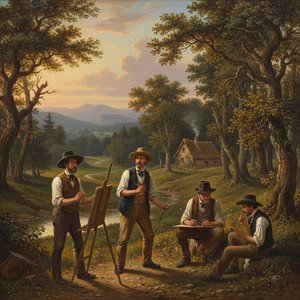
The Barbizon School: Pioneering Realism & the Pastoral Vision in 19th-Century French Painting
Explore the Barbizon School's pivotal role in 19th-century French painting. Discover how these artists revolutionized landscape art with their commitment to Realism and a profound connection to nature. Learn about key figures like Rousseau, Millet & Corot.
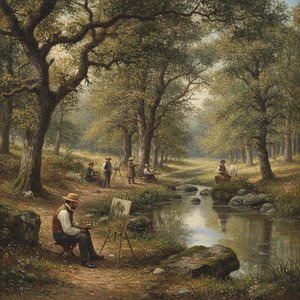
The Barbizon School: The Revolution of Naturalism and the Birth of Plein Air Landscape Painting
Explore the profound impact of the Barbizon School on landscape painting. Discover how masters like Rousseau and Corot revolutionized art through plein air naturalism, moving from academic idealism to the authentic beauty of the French countryside.

Idyllic Visions: Exploring the Pastoral Scene in Art History – From Arcadia to Modern Interpretations
Explore the captivating history of pastoral art from classical Arcadia to modern masterpieces. Discover key artists like Millet & Cole at OriginalUniqueArt. Find serene landscape paintings for your home.

The Barbizon School: A Professional Guide to Naturalism and Landscape Mastery for Interior Designers
Explore the Barbizon School's mastery of naturalism. An expert guide for hotel designers and procurement managers on sourcing high-quality landscape reproductions to elevate hospitality and corporate interiors with authentic, large-scale fine art solutions.