 プレビュー
プレビュー
 プリントを購入
 シェアする
シェアする シェアする
シェアする
 詳細を見る
詳細を見る

 ダウンロード
 似ている作品
 X線調査
X線調査 スライドショー
Pierrot
 Oil On Canvas
- WallArt
- Cubism
 1919
1919- Modern
 101.0 x 82.0 cm
 詳細を見る
詳細を見る




P118B $10

P118H $10

P118W $10

P438Z $10

P508JH $12

P508YH $12

P805H $10

P805Z $10

P919BZ $10

P919G $10

P919XJ $10

P959ZH $10

P968JZ $12

W106C $8

W218G $10

W218JH $8

W218Y $10

W307PJ $10

W316G $10

W316PJ $8

W316Y $10

W398PJ $8

W4111J $10

W500HY $15

W500JH $15

W692G $12

W849H $8

W940BG $15

W953PJ $8




作品のオリジナル比率に合わせた、当店の規定サイズからお選びください。

特定のフレームやスペースに合わせて、ご希望のサイズをご入力いただけます。選択されたサイズが元の画像の比率と異なる場合、アートワークをトリミングするか、手描きで要素を追加して絵画を拡張いたします。デジタルモックアップ を制作し、制作開始前にご確認(承認)をいただきます。
画面上のプレビューは、実際のトリミングや拡張を正確に反映しているものではありません。最終的な構図は、モックアップによってのみ正確にご確認いただけます。
カスタムサイズもご利用いただけますが、元の比率を維持するためには、あらかじめ用意されたリストからサイズを選択することをお勧めいたします。
ご注文後、OriginalUniqueArt.com チームより詳細な指示をお送りするとともに、仕上がりイメージ(モックアップ)をご提供いたします。


 ガラスオプションは、110cm未満のサイズでのみご利用いただけます。

Pierrot
複製技法
複製画のサイズ
-


合計金額
$ 300
作品解説
A Fragmented Portrait of Modernity: Juan Gris's "Pierrot"
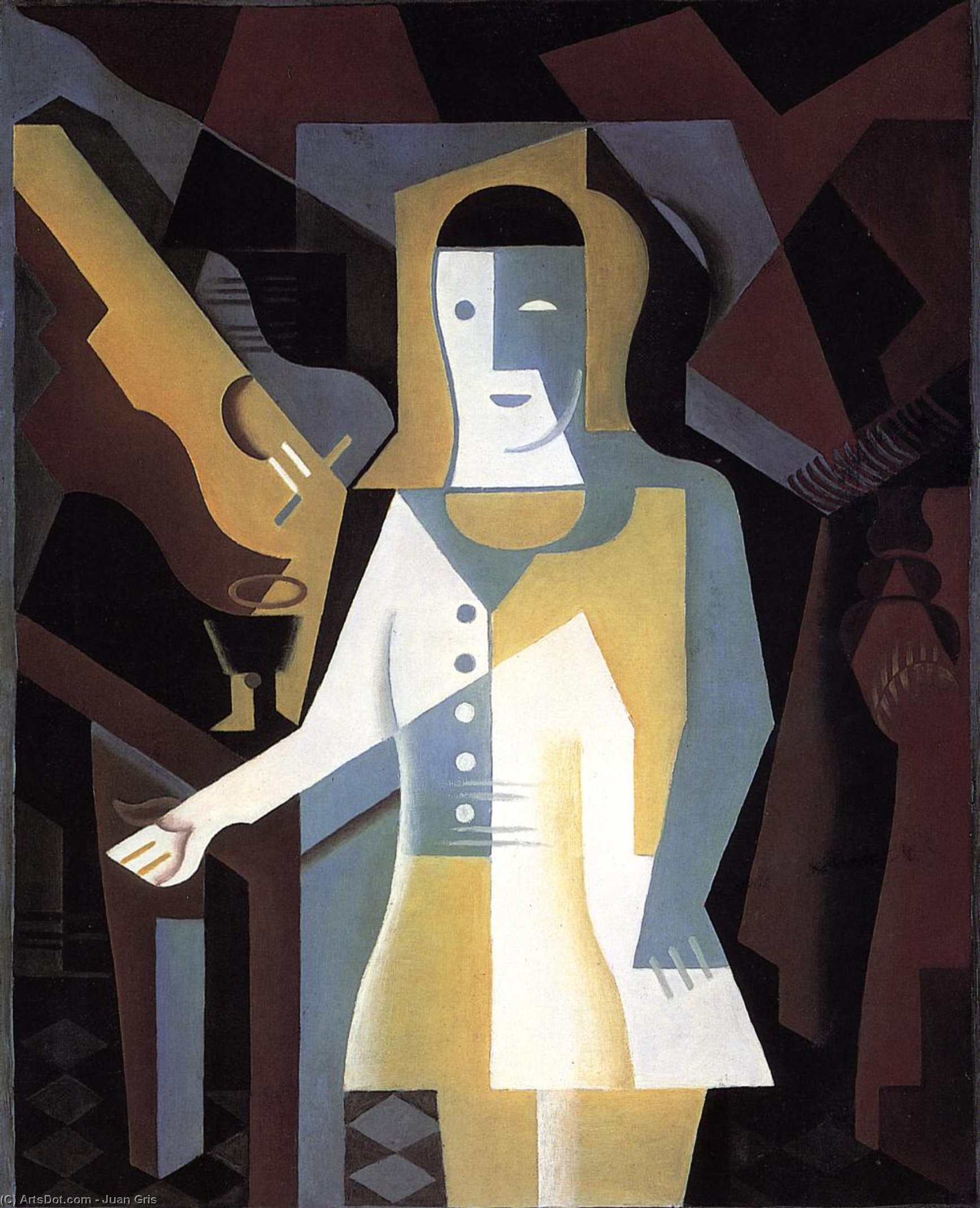
Juan Gris’s “Pierrot,” painted in 1919, is more than just a depiction of a theatrical character; it’s a meticulously constructed embodiment of Cubism’s revolutionary spirit. This oil on canvas, measuring 101 x 82 cm and currently residing within the Kunstmuseum Winterthur, offers a profound glimpse into the artistic ferment of early 20th-century Europe – a period defined by intellectual upheaval and a radical reimagining of visual reality.
- The Cubist Vision: Created during the height of Cubism’s influence, “Pierrot” exemplifies Picasso and Braque's groundbreaking approach. Rather than striving for realistic representation, Gris dissects his subject – a man in white, holding a handkerchief – into geometric forms, presenting multiple perspectives simultaneously. This technique challenges the viewer to actively participate in constructing the image, moving beyond passive observation.
- A Room of Reflections: The composition itself is layered with meaning. The figures stand within a room, subtly suggesting a domestic setting—a dining table and chairs hint at everyday life, yet they are rendered as fragmented planes, echoing the fractured nature of perception central to Cubism. An instrument, likely a guitar or violin, adds another layer of complexity, perhaps representing music, memory, or the artist’s own creative process.
- Technical Mastery: Gris's masterful use of color and texture further enhances the painting’s impact. The muted tones – primarily whites, blacks, and browns – create a sense of stillness and contemplation, while subtle variations in brushstroke add depth and visual interest. The meticulous application of paint demonstrates a profound understanding of both form and space.
The Historical Context: Cubism's Radical Shift
“Pierrot” was created at a pivotal moment in art history. Pablo Picasso and Georges Braque, working independently yet collaboratively, pioneered Cubism in the early 1910s. This movement rejected traditional representational techniques, challenging the established norms of Western art. Influenced by Paul Cézanne’s emphasis on geometric forms and African sculpture's simplified shapes, Cubists sought to depict objects from multiple viewpoints at once, creating a sense of dynamism and simultaneity. “Pierrot” directly reflects this revolutionary approach, embodying the core tenets of Cubism while showcasing Gris’s unique artistic vision.
The painting’s creation coincided with a period of intense social and political change – World War I was looming, and Europe was grappling with rapid industrialization and urbanization. This atmosphere of uncertainty and disruption undoubtedly fueled the artists' desire to break free from traditional modes of representation and explore new ways of seeing the world.
Symbolism and Emotional Resonance
While “Pierrot” is a formally complex work, it also possesses a subtle emotional resonance. The figure’s posture – slightly melancholic, holding a handkerchief – evokes feelings of vulnerability and introspection. The fragmented composition mirrors the sense of disorientation and uncertainty that characterized the era. The presence of the musical instrument adds another layer of interpretation, suggesting themes of memory, nostalgia, or perhaps even the fleeting nature of beauty.
Gris’s choice to depict Pierrot, a traditional clown figure, is particularly intriguing. The character's inherent duality – simultaneously joyful and sorrowful – aligns perfectly with Cubism’s exploration of multiple perspectives and its ability to convey complex emotions through fragmented forms.
Owning a Piece of Art History
OriginalUniqueArt offers meticulously crafted hand-painted reproductions of Juan Gris’s “Pierrot,” allowing you to bring this iconic work into your home or office. Each reproduction is created by skilled artisans using the same techniques and materials as the original, ensuring exceptional quality and authenticity. More than just a decoration, it's an investment in art history – a tangible connection to one of the most influential movements in modern art.
Size: 101 x 82 cm
Date: 1919
アーティストの略歴
スペインの先駆者、キュビスムの芸術家、フアン・グリス
1887年にマドリードでホセ・ビクトリアーノ・ゴンサレス=ペレスとして生まれた彼は、20世紀初頭における最も重要な芸術家の一人となる道を歩み始めました。彼の初期の道は、必ずしもキャンバスと筆に直結するものではありませんでした。彼は芸術科学学校で工学を学び、後に彼の芸術的アプローチに深く影響を与えるであろう分析的な思考力を示しました。その形成期においても、創造性の火花は消えませんでした。地元の雑誌への寄稿は、芽生える視覚的な才能を示唆していました。1905年、彼はフアン・グリスという偽名を採用し、新たなアイデンティティと目的意識を持ってホセ・モレノ・カルボネロのもとで正式な絵画の勉強を始めました。これは転換点であり、芸術的革新への道を歩み始めたことを意味しました。パリでの覚醒とキュビスムとの出会い
1906年、彼は芸術的なエネルギーに満ち溢れた都市、パリへと移住します。グリスは活気に満ちたこの環境に没頭し、アンリ・マティス、ジョルジュ・ブラック、フェルナン・レジェといった著名な人物たちと友情を築きました。当初は、*L'Assiette au Beurre*のような出版物で風刺的なイラストレーションを手がけ、観察力を磨き、鋭い視覚的ユーモアのセンスを発達させました。しかし、パブロ・ピカソの磁力は特に大きな影響を与えました。1910年頃からグリスは絵画に真剣に取り組むようになり、風刺画からキュビスムという新たな言語へと移行していきます。これは単なる模倣ではありませんでした。彼は形態と空間の本質を抽出し、新たな視覚的秩序を追求しました。彼の初期の探求は、伝統的な表現からの意図的な脱却によって特徴づけられ、現実の根底にある構造をとらえる手段として抽象を受け入れました。知覚の幾何学:スタイルと主要な作品
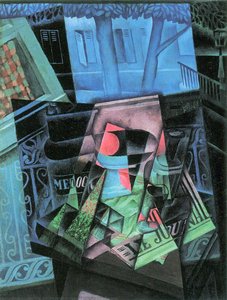
フアン・グリスの芸術的アウトプットは、卓越した明晰さと知的厳格さによって特徴づけられます。彼は単に物体を解体するだけでなく、注意深く検討されたパレットを用いて、意図的な精度で再構築しました。このアプローチは、「クリスタル期」として知られる時代へと導き、*静物:開かれた窓の前*や*ラヴィニャン広場*(1915年)のような傑作を生み出しました。これらの作品は、平面と角度の注目すべき相互作用を示し、従来の視点の概念に挑戦しながら、奥行きと堅牢感を作り出しています。1913年以降、グリスはSynthetic Cubismを全面的に受け入れ、*パピエ・コレ*(コラージュ)という技法を先駆けます。彼は新聞の切り抜きやテクスチャードペーパーのような現実世界の素材を構成に取り入れました。この技法は彼の作品に新たな複雑さと触覚性を加え、絵画と彫刻の境界線を曖昧にしました。*海の前にあるギター*(1925年)はその代表的な例であり、簡素化された形態とキュビスムの原則への忠実性を示しています。また、*パブロ・ピカソへのオマージュ*(1912年)は、アバンギャルドなアート界における彼の認識の高まりを象徴していました。遺産と永続的な影響
フアン・グリスのキュビスムへの貢献は、単なる様式的革新を超えています。彼は運動に独自の知的深さと構造的な明晰さをもたらしました。分析段階から離れ、秩序と精度を重視したより組織的で総合的なアプローチへと移行しました。彼の作品は、古典的な形態と構成の原則への回帰を提唱するピュリズム様式を支持したアメデ・オザンファンやシャルル=エドゥアール・ジャンネレ(ル・コルビュジエ)に深く影響を与えました。グリスが幾何学的な形態、調和のとれた色彩パレット、そして日常生活の物体を彼の芸術に取り入れたことは、彼を20世紀の重要な人物として確立しました。彼の遺産は今日でもアーティストたちにインスピレーションを与え続けており、キュビスムの永続的な力と、知覚と表現の概念を再構築したスペイン人巨匠フアン・グリスの類まれな才能を示しています。
フアン・グリス
1887 - 1927 , スペイン
基本情報
- Artistic Movement Or Style: キュビスム、総合キュビスム
- Artists Or Movements Influenced By This Artist:
- ピュリズム
- アメデ・オザンファン
- ル・コルビュジエ
- Artists Who Influenced This Artist:
- パブロ・ピカソ
- アンリ・マティス
- ジョルジュ・ブラック
- Date Of Birth: 1887年3月23日
- Date Of Death: 1927年5月11日
- Full Name: ホセ・ビクトリアーノ・ゴンサレス=ペレス
- Nationality: スペイン人
- Notable Artworks (List Of Titles):
- ギターと海の前
- パブロ・ピカソへのオマージュ
- 粉挽き職人
- ジョゼット・グリス夫人の肖像
- Place Of Birth (City And Country): スペイン、マドリード
関連記事
Juan Gris: Cubist Deconstruction & Synthesis – A Comprehensive Exploration
Explore the revolutionary art of Juan Gris – a master of Cubism. Discover his unique approach to deconstruction, vibrant Synthetic Cubist works, and lasting influence on modern art. Expert analysis for collectors.
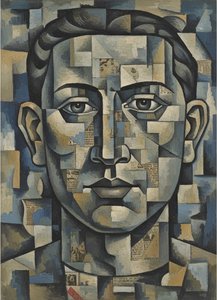
Deconstructing Identity: A Comprehensive Exploration of Cubist Portraiture
Explore the revolutionary world of Cubist portraiture with our comprehensive guide. Discover Picasso, Braque, Gris & the movement's impact on modern art. Expert analysis for collectors and enthusiasts.
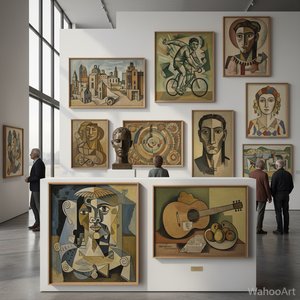
キュビスムを彩る至宝:時代を定義した10大名作の世界
キュビスムを代表する10大名作の世界へ。ピカソ、ブラックら巨匠の革新的な技と色彩が織りなす、時代を超越した芸術体験を。OriginalUniqueArt.comで、至高のアートプリントとインテリアアイデアを発見しましょう。
Giclée Prints: Archival Quality & Aesthetic Nuances for the Discerning Collector
Explore the world of giclée prints with OriginalUniqueArt. Learn about archival quality, aesthetic nuances & investment potential. Expert guidance for discerning art collectors seeking museum-quality reproductions and lasting value.
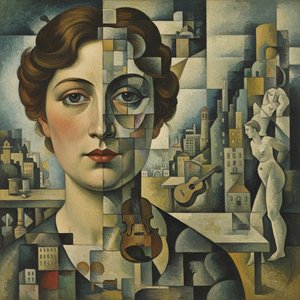
Deconstructing Reality: Cubism's Revolutionary Impact on 20th-Century Art
Explore the revolutionary world of Cubism with OriginalUniqueArt. Discover Picasso & Braque's groundbreaking techniques, its philosophical roots, and lasting impact on modern art. Expert insights for collectors.