
 設置イメージを確認
 送る
送る シェア
シェア
 詳細情報
詳細情報 ガイドを表示

 画像をダウンロード
 似ている作品
 X線調査
X線調査 スライドショー
 Q&A
Q&A 統計情報
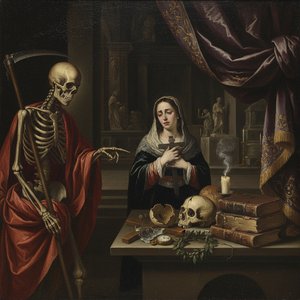
統計情報Pietà

- 161.0 x 144.0 cm


 続きを読む
続きを読む
ジークレー/アートプリント
スピーディーな制作と多彩な仕上げオプションが魅力の、ミュージアムクオリティなジークレー・キャンバスプリント。 ( 手描きの複製画を注文する デジタル画像販売へ切り替え)




P118B ¥10

P118H ¥10

P118W ¥10

P438Z ¥10

P508JH ¥12

P508YH ¥12

P805H ¥10

P805Z ¥10

P919BZ ¥10

P919G ¥10

P919XJ ¥10

P959ZH ¥10

P968JZ ¥12

W106C ¥8

W218G ¥10

W218JH ¥8

W218Y ¥10

W307PJ ¥10

W316G ¥10

W316PJ ¥8

W316Y ¥10

W398PJ ¥8

W4111J ¥10

W500HY ¥15

W500JH ¥15

W692G ¥12

W849H ¥8

W940BG ¥15

W953PJ ¥8




作品のオリジナル比率に合わせた、当店の規定サイズからお選びください。

額縁や壁のスペースに合わせて、ご希望の幅と高さを入力してください。プリントはカットすることは可能ですが、元の画像より大きくすることはできないため、異なる比率のサイズを選択された場合は、画像の一部が欠けることになります。印刷を開始する前に、内容を確認していただくためのデジタルモックアップをお送りいたします。このページに表示されている画像は、実際のカット後の状態を示すものではありません。実際の仕上がりはモックアップにてご確認ください。


 ガラスオプションは、110cm未満のサイズでのみご利用いただけます。

Pietà
ジークレー/アートプリント
複製画サイズ一覧
-


合計金額
¥ 12624
The Heart of Sorrow: An Exploration of Valdés Leal’s Pietà
Juan de Valdés Leal's 1657 “Pietà” is not merely a depiction of grief; it’s an immersion into the profound sorrow and spiritual weight of Christian iconography. Born in Seville during the height of the Spanish Baroque, Leal was deeply influenced by the traditions of theatrical sculpture, particularly the evocative “pasos”—elaborate processions featuring religious figures rendered with intense emotion—a practice common in Spain. This painting transcends simple representation, aiming instead to evoke a visceral response from the viewer, mirroring the agony of Mary Magdalene cradling the lifeless body of Christ.
The subject itself – the Pietà – has resonated through Western art for centuries. It’s a timeless image: the Virgin Mary, serene yet heartbroken, holding her son after his crucifixion. Leal masterfully captures this essence, moving beyond the idealized beauty often associated with depictions of the Madonna. Instead, we see a woman marked by sorrow, her expression a complex blend of grief and acceptance. The composition is deliberately tight, drawing our focus entirely to the central figures – a deliberate choice that intensifies the emotional impact. The diagonal line created by Christ’s body, sloping from left to right, guides the eye through the scene, mirroring the descent into despair.
Baroque Drama: Technique and Composition
Leal's mastery lies in his skillful deployment of Baroque techniques. The painting is dominated by *chiaroscuro*, a dramatic contrast between light and dark that sculpts the figures and imbues the scene with an almost theatrical quality. Light focuses intensely on Mary Magdalene and Christ’s body, casting deep shadows around them – these aren't merely stylistic choices; they symbolize the darkness of sin and suffering. The artist employs impasto—thickly applied paint—to create a richly textured surface, adding depth and physicality to the figures. Brushstrokes are bold and expressive, conveying movement and emotion with every mark.
The flattened perspective, characteristic of Baroque art, prioritizes emotional impact over strict realism. Leal doesn’t strive for photographic accuracy; instead, he uses color and form to create a heightened sense of drama and immediacy. The muted palette—primarily dark browns, reds, and blues—contributes to the somber atmosphere, reinforcing the theme of loss and mourning. The use of strong lines further emphasizes the dynamism of the scene, preventing it from feeling static or lifeless.
Symbolism and Spiritual Resonance
Beyond its visual power, the “Pietà” is rich in symbolism. The image directly references Christian iconography, but Leal imbues it with a distinctly Spanish sensibility. The gruesome details of Christ’s suffering—a hallmark of Spanish religious art—are not presented gratuitously; they serve to heighten the spiritual fervor and underscore the sacrifice made for humanity's salvation. Mary Magdalene’s posture – cradling the body with unwavering devotion – represents faith, loyalty, and acceptance of God’s will.
The scene as a whole speaks to universal themes of grief, loss, and redemption. It invites contemplation on mortality, suffering, and the enduring power of love and compassion. Leal's “Pietà” is more than just a religious painting; it’s a profound meditation on the human condition, rendered with breathtaking skill and emotional intensity.
よくあるご質問
フアン・デ・バルデス・レアル作「Pietà」の雰囲気はどのように表現されていますか?
フアン・デ・バルデス・レアル作「Pietà」の全体的なムードはDramaticです。このムードは、作品が持つ全体的な雰囲気。
フアン・デ・バルデス・レアル作「Pietà」のコントラストはどの程度強いですか?
フアン・デ・バルデス・レアル作「Pietà」は、明部と暗部の間にGentleなコントラストを描き出しています。
「Pietà」を特徴づける配色と主役となる色は何でしょうか?
フアン・デ・バルデス・レアル作「Pietà」はEarthyのパレットを使用しており、Gray (#938366)が基調となっています。
アーティストについて
幼少期と修業時代
フアン・デ・バルデス・レアルは、1622年5月4日にスペインのセビリアで生まれました。彼は画家としてだけでなく、彫刻家や建築家としても才能を発揮し、多様な芸術分野で活躍しました。20代の頃には、アントニオ・デル・カスティージョのもとでコルドバで研鑽を積みました。この時代は、バロック美術が隆盛を極めていた時期であり、彼の芸術的素養を育む上で重要な影響を与えました。バルデス・レアルは、セビリアの芸術コミュニティにおいて急速に頭角を現し、その才能と情熱で注目を集めました。主要な作品と共同制作
バルデス・レアルの代表的な作品には、以下のものがあります:- 預言者エリヤの物語 - カルメリテ教会
- 聖アンドレアスの殉教 - コルドバのサン・フランシスコ教会
- 十字架の勝利 - セビリアのラ・カリダッド教会
私生活と遺産
バルデス・レアルは、1647年に同じく画家であるイサベラ・カラスキージャと結婚しました。二人の間には5人の子供が生まれ、そのうちの何人かは芸術家として活躍しました。代表的な子供としては、ルーカス、マリア、ラウラなどが挙げられます。バルデス・レアルは1690年10月15日にセビリアで生涯を閉じましたが、彼の遺産は美術界に深く刻まれました。彼の作品は、その独特な表現力とテーマ性によって、後世の芸術家たちに大きな影響を与え続けています。作品鑑賞:OriginalUniqueArt.com で
バルデス・レアルの作品をより深く探求するために、https://OriginalUniqueArt.com/@/juan de valdés lealをご覧ください。ここでは以下のコンテンツを提供しています:- フアン・デ・バルデス・レアルによる165点以上の作品
- 彼の絵画の美術館品質の複製
- 時代を特徴づけるバロック美術様式
さらなる探求:OriginalUniqueArt.com が提供する情報
- アストゥリアス美術館(スペイン):12世紀から20世紀初頭までのヨーロッパ美術コレクションを探索できます。
- セビリア美術館(スペイン):博物館の歴史、コレクション、訪問情報について学ぶことができます。

フアン・デ・バルデス・レアル
1622 - 1690 , スペイン
アーティスト情報
- Artistic Movement Or Style: バロック絵画
- Artists Or Movements Influenced By This Artist: ['バルトロメ・エステバン・ムリーリョ']
- Artists Who Influenced This Artist: ['アントニオ・デル・カスティージョ']
- Date Of Birth: 1622年5月4日
- Date Of Death: 1690年10月15日
- Full Name: フアン・デ・バルデス・レアル
- Nationality: スペイン人
- Notable Artworks (List Of Titles):
- 預言者エリヤの歴史
- 聖アンドレアスの殉教
- 十字架の勝利
- Place Of Birth (City And Country): スペイン、セビリア
関連記事

バロックのドラマ:現代のインテリアに壮麗さと情感を取り込む
バロック様式の歴史、絵画、家具の魅力をご紹介。OriginalUniqueArtでは、高品質な油絵複製やカスタムポートレートをご提供し、現代のインテリアに壮麗さと情感を取り入れます。アートコンサルテーションも承ります。

About Us
Discover our story! We bring world-class art into your life through expert curation, personalized creations, and free previews. Trusted by individuals and businesses since 2000.
Juan de Valdés Leal: Baroque Realism, Memento Mori & Theatricality of Spanish Grief
Explore the powerful Baroque realism of Juan de Valdés Leal (1622-1690). Discover his somber masterpieces, iconic 'In Ictu Oculi', and profound explorations of mortality. Museum-quality reproductions available at OriginalUniqueArt.

ゴヤ傑作25選:スペインの魂を揺さぶる、深遠な芸術の世界 | OriginalUniqueArt
ゴヤ傑作25選:ロマン主義を代表するスペインの巨匠、フランシスコ・デ・ゴヤの世界へ。黒衣の女からマハまで、魂を揺さぶる絵画の物語と技法を紐解きます。OriginalUniqueArtで高品質なアートレプリカを見つけ、インテリアに深みと風格を。今すぐコレクションをご覧ください。

The Dramatic Flourish: Exploring the Baroque Movement's Enduring Legacy in Art History
Explore the dramatic world of Baroque art! Discover iconic artists like Caravaggio & Rubens, defining techniques, and its lasting impact on art history. Expert insights for collectors & enthusiasts at OriginalUniqueArt.