

 プレビュー
プレビュー
 プリントを購入
 シェアする
シェアする シェアする
シェアする
 詳細を見る
詳細を見る

 ダウンロード
 似ている作品
 X線調査
X線調査 スライドショー
Homing Pigeon
 1856
1856 136.0 x 108.0 cm
 詳細を見る
詳細を見る
オンラインプレビューをはるかに凌ぐ、高解像度で鮮明なデジタル画像をご購入いただけます。
各ファイルは、社内の専門家が高度なツールと熟練した手作業によるレタッチを用いて、細心の注意を払って準備されています。すべての画像において、卓越した鮮明度、正確な色彩再現性、そして繊細なディテールを保証いたします。
最終ファイルは、プロフェッショナルな編集・印刷環境ですぐにご利用いただけるよう最適化された状態で、72時間以内にメールにてお届けいたします。これは、一流のデザインスタジオ、出版社、ギャラリーから信頼されているものと同等の品質です。
デジタル画像のご注文に付随する特典
高品質なデジタル画像配信を、確かな品質で。
OriginalUniqueArt.com を選ぶことは、単に画像を手に入れることではありません。それは、プロの手によって精密に仕上げられ、満足保証が付いた高品質なデジタルアートワークを受け取ることを意味します。ご注文いただいた際に自動的に付随する内容は、以下の通りです:

メールですぐにお届け
ご注文から72時間以内に、高解像度のデジタル画像ファイルがメールでお手元に届きます。すぐにそのままご利用いただけます。

AI技術で最適化されたデジタルファイル
お客様の作品は、高度なAIツールと専門家による手作業の編集を組み合わせてプロフェッショナルに最適化されており、細部のディテール、鮮明さ、そして正確な色再現性を最大限に引き出しています。

一生涯無料の再送サービス
ファイルを誤って削除したり、紛失してしまったりしましたか?ご安心ください。いつでも無料で再送いたします。

輸入手数料は一切かかりません
関税や手数料、配送料を気にすることなく、お気に入りのアートワークをすぐにお楽しみいただけます。デジタルダウンロードは常に免税です。

色彩再現の保証
プロ仕様のツールとカラーマネジメント技術を用いることで、デジタル画像が元の色を最大限に忠実に再現することを保証いたします。

60日間満足保証
ご購入いただいたデジタル画像にご満足いただけない場合は、60日以内であれば、修正または100%の返金(理由を問う必要はありません)をさせていただきます。

100% 返金保証
ご満足いただけない場合は、デジタルファイルを受け取ってから60日以内であれば、理由を問わず全額返金いたします。

まとめ買い割引
3枚購入で10%OFF - 5枚購入で15%OFF - 10枚以上購入で20%OFF。クリエイティブなプロジェクト、ギャラリー、エージェンシーに最適です。
作家の略歴
A Life Painted in Light: The World of József Borsos
József Borsos, a name perhaps less familiar than some of his contemporaries, nevertheless occupies a significant niche within the tapestry of 19th-century Hungarian art. Born in 1821, Borsos was a man caught between worlds – a skilled portraitist steeped in the traditions of Biedermeier aesthetics who found himself increasingly challenged by the burgeoning power of photography. His life story is one of artistic promise, societal success, financial hardship, and ultimately, adaptation in the face of change. He wasn’t merely a painter; he was a chronicler of his time, capturing the essence of distinguished Hungarians and offering glimpses into the everyday lives of the middle class with a delicate realism that resonated deeply with his patrons.Vienna's Embrace and Early Success
Borsos received his formal artistic training in Vienna, a city then brimming with cultural energy and serving as a vital crossroads for European artistic movements. It was here that he honed his skills, developing a style characterized by meticulous detail, harmonious compositions, and a subtle yet powerful use of color. His early work quickly garnered attention, particularly his portraits of prominent figures within Hungarian society. These were not simply likenesses; they were statements of status, carefully constructed images designed to convey the sitter’s importance and refinement. Alongside these commissions, Borsos also found success with his “genre” paintings – scenes depicting everyday life, imbued with a quiet dignity and emotional warmth. Works like Portrait of Kristóf Hegedűs (1844), Wine, Woman, Love (1847) and Girls after the Ball (1850) exemplify this period, showcasing his ability to capture both individual character and a broader sense of social atmosphere. The popularity of these paintings stemmed from their accessibility; they offered viewers a relatable window into a world they aspired to or recognized as their own.The Allure of Biedermeier and Artistic Style
Borsos is most often categorized as an artist of the Biedermeier period, and rightly so. This artistic movement, flourishing in the post-Napoleonic era, emphasized domesticity, sentimentality, and a focus on middle-class life. However, Borsos’s work transcends simple categorization. While he embraced the typically Biedermeier palette – realistic, strong yet delicate colors – his compositions possessed a sophistication that elevated him above many of his peers. He wasn't simply replicating scenes; he was interpreting them through a lens of refined observation and technical skill. His paintings are characterized by a sense of harmonic balance, achieved through careful attention to light, shadow, and the arrangement of figures within the frame. There’s a quiet intimacy in his work, a feeling that the viewer is privy to a private moment, carefully preserved on canvas. He excelled at portraying textures – the sheen of silk, the warmth of wood, the delicate flush of skin – bringing a tangible quality to his depictions.From Pest's Patronage to Photographic Pursuits
In 1861, Borsos made the move from Vienna to Pest (now part of Budapest). This relocation was precipitated by financial setbacks following losses in the stock exchange, a harsh reminder that artistic success did not always equate to economic security. The art market in Pest was thriving, but it was also becoming increasingly competitive. More significantly, photography was rapidly gaining popularity, posing a direct threat to the traditional portrait painting business. Unable to compete with the speed and affordability of photographic reproduction, Borsos astutely adapted to the changing times by opening his own photographic studio. This transition speaks volumes about his pragmatism and willingness to embrace new technologies. While he continued to paint, photography became his primary source of income. He ultimately died as the owner of a restaurant named “Szép Juhászné”, a poignant end for an artist who had once captured the portraits of Hungary’s elite.A Lasting Legacy: Works and Historical Significance
Despite the challenges he faced, József Borsos left behind a substantial body of work that continues to offer valuable insights into 19th-century Hungarian society and artistic sensibilities. His paintings – including Alms, Sunset, The Letter, Grapes or a Kiss, National Guard, Bathing Women, portraits of Zitterbach the architect, and Ferenc Pulszky – are scattered across museums and private collections. While perhaps not as widely celebrated as some of his contemporaries, Borsos’s work is increasingly recognized for its technical skill, emotional depth, and historical significance. He stands as a testament to the adaptability of artists in the face of technological change, and his paintings remain captivating glimpses into a bygone era – a world painted with light, realism, and a quiet dignity that continues to resonate with viewers today. His connection to Villa Róma and the Rippl-Rónai Museum further solidifies his place within Hungary’s rich artistic heritage.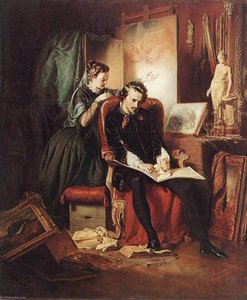
józsef borsos
1821 - 1883
プロフィール概要
- Artistic Movement Or Style: Biedermeier
- Artists Or Movements Influenced By This Artist: ['Romanticism']
- Artists Who Influenced This Artist: ['Gustav Klimt']
- Date Of Death: 1883
- Full Name: József Borsos
- Nationality: Hungarian
- Notable Artworks:
- Girls after the Ball
- Alms
- Sunset
- The Letter
- Grape or Kiss
- National Guard
- Bathing Women
- The Portrait of Zichy
- Pigeon Post
- Place Of Birth: Vienna, Austria

