

 設置イメージを確認
 送る
送る シェア
シェア
 詳細情報
詳細情報 ガイドを表示

 画像をダウンロード
 似ている作品
 X線調査
X線調査 スライドショー
 統計情報
統計情報ヴィータ ソムニウム ブレヴェ
 キャンバスにアクリル絵具
- ウォールアート
- Art Nouveau Modern
 1906
1906 163.0 x 143.0 cm
 クラクフ国立美術館
 続きを読む
続きを読む
ジークレー/アートプリント
スピーディーな制作と多彩な仕上げオプションが魅力の、ミュージアムクオリティなジークレー・キャンバスプリント。 ( 手描きの複製画を注文する デジタル画像販売へ切り替え)




P118B ¥10

P118H ¥10

P118W ¥10

P438Z ¥10

P508JH ¥12

P508YH ¥12

P805H ¥10

P805Z ¥10

P919BZ ¥10

P919G ¥10

P919XJ ¥10

P959ZH ¥10

P968JZ ¥12

W106C ¥8

W218G ¥10

W218JH ¥8

W218Y ¥10

W307PJ ¥10

W316G ¥10

W316PJ ¥8

W316Y ¥10

W398PJ ¥8

W4111J ¥10

W500HY ¥15

W500JH ¥15

W692G ¥12

W849H ¥8

W940BG ¥15

W953PJ ¥8




作品のオリジナル比率に合わせた、当店の規定サイズからお選びください。

額縁や壁のスペースに合わせて、ご希望の幅と高さを入力してください。プリントはカットすることは可能ですが、元の画像より大きくすることはできないため、異なる比率のサイズを選択された場合は、画像の一部が欠けることになります。印刷を開始する前に、内容を確認していただくためのデジタルモックアップをお送りいたします。このページに表示されている画像は、実際のカット後の状態を示すものではありません。実際の仕上がりはモックアップにてご確認ください。


 ガラスオプションは、110cm未満のサイズでのみご利用いただけます。

ヴィータ ソムニウム ブレヴェ
ジークレー/アートプリント
複製画サイズ一覧
-


合計金額
¥ 12603
ヴィータ ソムニウム ブレベ:短い夢の詩
ヴィータ ソムニウム ブレベは、ポーランドの画家ヨゼフ・メホッファーが制作した1906年の作品で、アールヌーボー様式におけるステンドグラスです。この美しいガラス絵は、クラクオーヴァ国立博物館に収蔵されており、その繊細な色彩とデザインは見る者を魅了します。特にポーランドの芸術家グループ「若いポーランド」の中心人物の一人として知られるメホッファーの作品は、当時の美術界に大きな影響を与えました。 ### 作品の背景とスタイルについて このステンドグラスは、1904年から1906年にかけて制作されました。メホッファーは当初、アカデミズム的な絵画を学ぶためにパリのアカデミージュリアンで訓練を受けましたが、後にアールヌーボー様式のデザインに傾倒しました。アールヌーボー様式は、自然界の有機的な曲線や美しい装飾性を特徴とし、この作品でもその美しさが際立っています。特にメホッファーのステンドグラスは、繊細な線描と豊かな色彩が組み合わさり、幻想的な雰囲気を醸し出しています。 ### 作品におけるシンボル主義と表現技法 ステンドグラス全体には、森や林のような風景が描かれています。周囲を囲む木々は、生命力と神秘性を象徴しており、作品の中心となる人々は、それぞれ異なる表情とポーズで表現されています。これらの人物は、女性や子供を含む多様なグループで構成されており、彼らの姿は当時の社会情勢や価値観を反映しています。ステンドグラスの制作技法は非常に高度であり、ガラスのカットや組み合わせ、そして色の塗布など、熟練した技術が駆使されています。特にメホッファーは、繊細な色彩表現と美しい線描によって、作品に深みと感動を与えました。 ### 作品から伝わる感情とメッセージ ヴィータ ソムニウム ブレベは、「人生は短い夢」という意味を持つタイトル通り、儚い美しさと人生の移ろいを表現しています。ステンドグラスの色使いは特に印象的で、鮮やかな緑色や黄色が用いられ、見る人に希望と感動を与えます。この作品は、アールヌーボー様式の芸術家たちが追求した理想的な美しさを体現しており、現代においても多くの人々を魅了する普遍的な価値を持っています。クラクオーヴァ国立博物館で鑑賞することで、当時のポーランド美術の輝きを感じることができるでしょう。よくあるご質問
「ヴィータ ソムニウム ブレヴェ」のガイドはどこにありますか?
Józef Mehoffer作「ヴィータ ソムニウム ブレヴェ」のガイドページでは、印刷して活用できる2枚構成のファクトシートを提供しています。これには、作品とその詳細情報をまとめたデータテーブル、アーティストの生涯における時代背景を示す年代チャート、同アーティストによる他の作品、測定されたカラーパレット、そしてそのままコピーして使用できる4つの形式の引用文献情報が含まれています。
Józef Mehoffer作「ヴィータ ソムニウム ブレヴェ」の色彩構成はどのように構築されていますか?
「ヴィータ ソムニウム ブレヴェ」では、ステートメントな対比と不協和な配色な調和が共存しています。
「ヴィータ ソムニウム ブレヴェ」の色味は、鮮やかですか、それとも落ち着いていますか?
Józef Mehoffer作「ヴィータ ソムニウム ブレヴェ」は、淡い色彩の彩度と調和のとれたの強烈な色彩で記録されています。
アーティストについて
A Life of Color and Glass
Józef Mehoffer arrived in the world in Ropczyce, Poland, in 1869, though his path to the easel was not immediate. Before he embraced the brush, he pursued legal studies, a direction that only shifted after a gift of paints revealed a different vocation. He sought formal training at the Academy of Fine Arts in Kraków under Władysław Łuszczkiewicz, later expanding his horizons through studies in Vienna and Paris at the Académie Colarossi. This period of wandering through Europe’s great art centers allowed him to absorb the diverse currents of his era.
His work became a bridge between the academic traditions of his teachers, such as Jan Matejko, and the emerging avant-garde. He moved with ease between easel painting and the monumental demands of decorative arts. Whether working on portraits, landscapes, or intricate book illustrations, Mehoffer sought a fusion of form and color. His style grew to include elements of Post- Impressionism and the Secession movement, often utilizing bold palettes and fluid lines that mirrored the organic spirit of Art Nouveau.
The Light of Fribourg
While his presence was felt throughout Poland, Mehoffer achieved significant recognition through his work in Switzerland. Between 1895 and 1936, he dedicated decades to a cycle of thirteen stained-glass compositions for the Cathedral of St. Nicholas in Fribourg. This undertaking required immense technical precision, as he treated the lead came not merely as a structural necessity but as an autonomous graphic line. He selected glass of varying thicknesses and textures, using silver stain and vitreous black to manipulate how light moved through the windows.
The success of these windows brought him international attention. At the 1900 Paris World's Fair, his window titled The Martyrs earned a gold medal. This period of his life saw him blending Polish folk motifs with the sophisticated aesthetics of European Art Nouveau. His ability to translate complex religious and symbolic themes into luminous glass remains a central part of his professional identity.
A Decorative Legacy
Mehoffer’s creative output was remarkably broad, refusing to be confined to a single medium. He was as much a designer of furniture, textiles, and posters as he was a painter of canvases. His hand could be found in the mosaics of the Armenian Cathedral in Lviv and the frescoes of Wawel Cathedral. In 1897, he helped found the society Sztuka, an organization that sought to assert the independence of Polish art from the influence of occupying powers.
In his later years, Mehoffer established a home and studio on Krupnicza Street in Kraków. This house, which he purchased in 1932, became a center for musical and literary gatherings, reflecting his role as a figure of the Polish intelligentsia. He lived through the profound shifts of the early twentieth century, continuing to work even during the hardships of the Second World War. When he passed away in Wadowice in 1946, he left behind a body of work that spanned the transition from nineteenth-century tradition to the modern decorative era.

Józef Mehoffer
1869 - 1946
アーティスト情報
- Artistic Movement Or Style:
- Young Poland
- Post-Impressionism
- Secession
- Art Nouveau
- Symbolism
- Artists Who Influenced This Artist:
- Jan Matejko
- Władysław Łuszczkiewicz
- Henri Matisse
- Full Name: Józef Mehoffer
- Nationality: Polish
- Notable Artworks:
- Vita somnium breve
- Three Kings
- The Farewell
- The Muse
- Medusa
- Place Pigalle in Paris
- Place Of Birth: Ropczyce, Poland
- Date Of Birth: 1869
- Date Of Death: 1946
関連記事
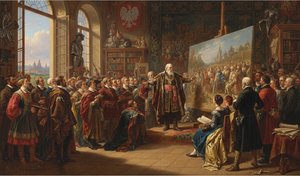
Jan Matejko: Historical Narrative & National Identity in 19th-Century Polish Painting
Explore the powerful historical paintings of Jan Matejko, Poland's national artist. Discover his iconic works & learn how he shaped Polish identity in the 19th century. High-quality reproductions available.
アール・ヌーヴォーを彩る至宝:10の傑作が語る芸術と装飾の世界
アール・ヌーヴォーの魅力を再発見!ムンロ、ドレ、ガウディ…10の傑作が織りなす曲線美の世界。芸術と装飾が融合した至高のアートをOriginalUniqueArtで堪能し、お部屋に新たな彩りを。コレクションをオンラインで探索しましょう。
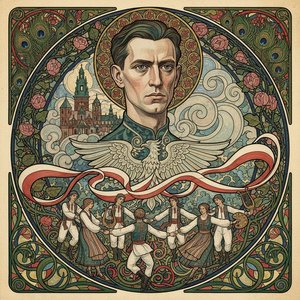
Stanisław Wyspiański: Symbolism, National Identity & the Polish Secession
Explore the life & work of Stanisław Wyspiański, a pivotal figure in Polish Symbolism and the Young Poland movement. Discover his iconic paintings, dramas, and stained glass designs reflecting national identity & artistic innovation.
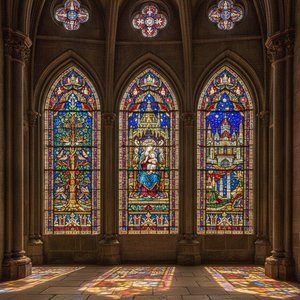
Luminous Masterpieces: The Captivating Beauty and Timeless Elegance of Stained Glass Artworks
Embark on a visual journey through the luminous world of stained glass art. Discover the exquisite craftsmanship, historical significance, and captivating beauty of masterworks from Art Nouveau to the Gothic era, curated for the discerning fine art enthusiast.
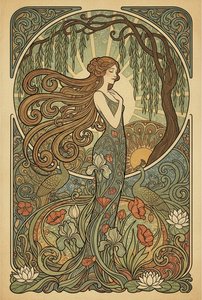
The Flowing Line & Flourishing Form: Exploring Art Nouveau's Aesthetic Legacy
Explore the captivating world of Art Nouveau! Discover its origins, key artists like Horta & Mucha, regional styles, innovative techniques, and lasting influence on architecture & design. A comprehensive guide for art enthusiasts.
