
 プレビュー
プレビュー
 プリントを購入
 シェアする
シェアする シェアする
シェアする
 詳細を見る
詳細を見る

 ダウンロード
 似ている作品
 X線調査
X線調査 スライドショー
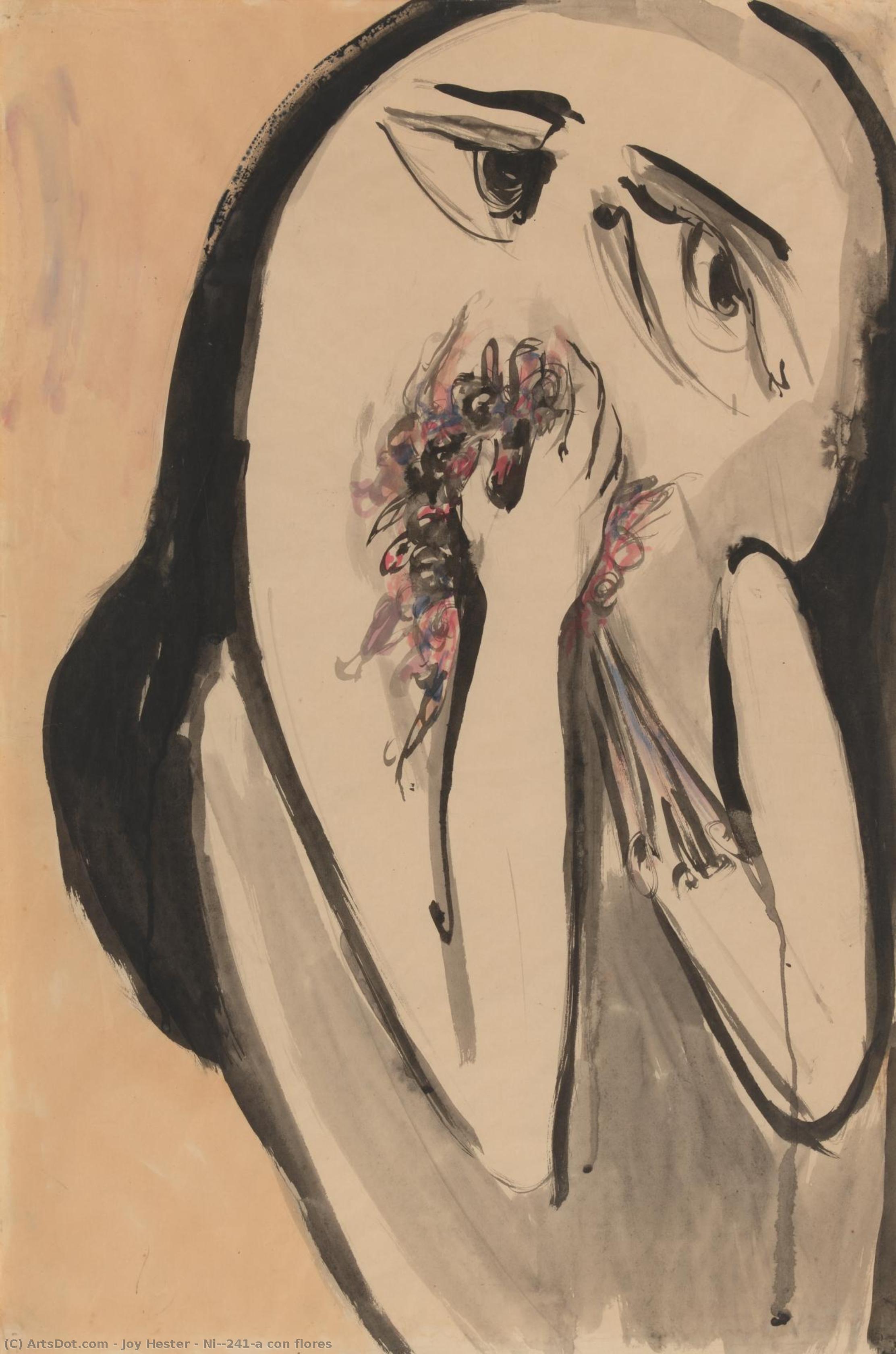
Niña con flores
 Watercolor
- WallArt
- Expressionism
 1956
1956- Modern
 76.0 x 50.0 cm
 国立ギャラリー・オブ・ビクトリア
 詳細を見る
詳細を見る




P118B $10

P118H $10

P118W $10

P438Z $10

P508JH $12

P508YH $12

P805H $10

P805Z $10

P919BZ $10

P919G $10

P919XJ $10

P959ZH $10

P968JZ $12

W106C $8

W218G $10

W218JH $8

W218Y $10

W307PJ $10

W316G $10

W316PJ $8

W316Y $10

W398PJ $8

W4111J $10

W500HY $15

W500JH $15

W692G $12

W849H $8

W940BG $15

W953PJ $8




作品のオリジナル比率に合わせた、当店の規定サイズからお選びください。

特定のフレームやスペースに合わせて、ご希望のサイズをご入力いただけます。選択されたサイズが元の画像の比率と異なる場合、アートワークをトリミングするか、手描きで要素を追加して絵画を拡張いたします。デジタルモックアップ を制作し、制作開始前にご確認(承認)をいただきます。
画面上のプレビューは、実際のトリミングや拡張を正確に反映しているものではありません。最終的な構図は、モックアップによってのみ正確にご確認いただけます。
カスタムサイズもご利用いただけますが、元の比率を維持するためには、あらかじめ用意されたリストからサイズを選択することをお勧めいたします。
ご注文後、OriginalUniqueArt.com チームより詳細な指示をお送りするとともに、仕上がりイメージ(モックアップ)をご提供いたします。


 ガラスオプションは、110cm未満のサイズでのみご利用いただけます。

Niña con flores
複製技法
複製画のサイズ
-


合計金額
$ 300
作品解説
A Portrait of Sorrow and Resilience: Exploring Joy St Clair Hester’s “Niña con Flores”
Joy St Clair Hester's "Niña con Flores" (Girl with Flowers), created in 1956, is not merely a portrait; it’s a deeply resonant exploration of grief, memory, and the enduring strength of the human spirit. This arresting work, rendered primarily in evocative ink washes and punctuated by flashes of vibrant red and pink, immediately draws the viewer into a world steeped in melancholic beauty. Hester, a pivotal figure within Australia's burgeoning Modernist movement, masterfully employs a restrained yet intensely expressive style, characteristic of her engagement with the Heide Circle and the Angry Penguins.
The subject herself remains partially obscured, veiled by a dark, amorphous shape that suggests concealment or perhaps the lingering shadow of loss. Her face, though fragmented, is dominated by an arresting gaze – large, sorrowful eyes that seem to hold both vulnerability and a quiet defiance. This deliberate ambiguity invites speculation about her story, prompting us to project our own experiences of sadness and remembrance onto the canvas. The use of predominantly dark shades—charcoal greys, deep blacks—creates a sense of profound stillness, while strategically placed bursts of color – particularly the passionate reds and pinks of the blossoms erupting from her mouth – inject moments of startling intensity and symbolic weight.
Technique and Materials: A Dance of Ink and Wash
Hester’s technique is both delicate and assertive. The work is executed primarily in watercolor and ink wash on paper, a combination that lends itself beautifully to the creation of layered textures and subtle tonal shifts. Loose brushstrokes contribute to an atmosphere of immediacy and emotional rawness, while careful shading establishes depth and form. Notice how she utilizes broken washes—allowing the colors to bleed into one another—to create a sense of fluidity and movement within the composition. The deliberate lack of precise detail emphasizes the emotional impact over realistic representation; lines are used expressively to define features rather than as literal depictions.
The choice of ink, particularly black ink, is crucial to Hester’s signature style. It allows for a remarkable control—the ability to build up layers of dark tones with incredible precision, creating both dramatic contrasts and subtle gradations of value. The blossoms themselves are rendered with a surprising degree of detail, their vibrant hues acting as potent symbols within the broader context of the piece. The overall effect is one of controlled chaos – a visual representation of the turbulent emotions that lie beneath the surface.
Symbolism: Flowers, Grief, and Remembrance
The most striking element of “Niña con Flores” is undoubtedly the profusion of flowers emerging from the woman’s mouth. This imagery transcends mere botanical detail; it's a potent symbol of grief, loss, and perhaps even remembrance. The blossoms can be interpreted as representing the bittersweet nature of memory—beautiful yet tinged with sadness. They also suggest a connection to nature, offering a glimmer of hope amidst the prevailing darkness. The veil-like shape obscuring her face further reinforces this theme of concealment and unspoken sorrow.
Considering Hester’s own life – marked by the early loss of her father and later battling Hodgkin's disease – it is not surprising that her work frequently grapples with themes of mortality and resilience. “Niña con Flores” can be seen as a deeply personal meditation on these experiences, transformed into a universal expression of human vulnerability and enduring strength. The image resonates with the broader artistic tradition of exploring psychological states through symbolic imagery.
Historical Context: A Voice in the Australian Modernist Movement
Joy St Clair Hester’s work emerged during a pivotal period in Australian art history – the mid-20th century, when artists were actively seeking to forge a distinctly national identity. She was a key member of both the Heide Circle and the Angry Penguins, groups that challenged established artistic conventions and pushed the boundaries of modernism. Her association with these influential circles provided her with access to a vibrant intellectual and artistic community, but also exposed her work to critical scrutiny. Despite facing challenges in gaining widespread recognition during her lifetime, Hester’s legacy has steadily grown over time, cementing her place as one of Australia's most important Modernist artists.
Resources for further exploration include the National Gallery of Victoria’s collection (where “Niña con Flores” is held), online archives dedicated to Joy St Clair Hester, and scholarly articles examining her work within the context of Australian art history. WikiArt offers a valuable visual resource: https://www.wikiart.org/en/joy-hester/nina-con-flores-1956
アーティストの略歴
インクに刻まれた人生:ジョイ・セント・クレア・ヘスターの世界
オーストラリアのモダニズムにおいて極めて重要な存在であったジョイ・セント・クレア・ヘスターは、芸術的な熱情と個人的な苦難の両方によって彩られた生涯を送りました。1920年にオーストラリアのエルウッドで生まれた彼女の幼少期は、父親を亡くしたという影に覆われており、この出来事は後に彼女の作品が持つ感情的な深みに、ささやかでありながらも深く影響を与えることになります。セント・マイケルズ・グラマー・スクールやブライトン・テクニカル・スクールでの学びを通して、ヘスターは明確な芸術的才能を示し、その頂点として1938年にメルボルンのナショナル・ギャラリー・スクールで「生から描く賞」を受賞しました。この初期の成功は、単なる技術的な熟練度を示すだけでなく、人間の本質を捉える萌芽的な能力、すなわち彼女の代名詞となる才能を示していました。また、この時期にヘスターは伝統的な芸術的制約から脱却し始め、より表現豊かで個人的な視覚言語を模索していたのです。ハイデ・サークルとアングリー・ペンギンズ
ヘスターの軌跡は、1938年にアルバート・タッカーと出会ったことで決定的な転機を迎えました。それは重要なロマンチックな関係であると同時に、意義深い芸術的パートナーシップの始まりでもありました。この繋がりが彼女を美術界の重要なパトロンであったサンデー・リードの周りに導き、やがて活気に満ちたハイデ・サークルへと深く引き込みます。シドニー・ノーラン、アーサー・ボイド、チャールズ・ブラックマンといった芸術家たちと共に、ヘスターは急進的な実験精神と協働の精神に満ちた環境に身を置きました。ハイデの空気は知的な発酵状態であり、芸術家たちが慣習に挑戦し、新たな道を切り開くことを奨励していました。同時に、彼女はコンテンポラリー・アート・ソサエティ(CAS)の創設メンバーとなり、特筆すべきことに画期的なアングリー・ペンギンズ運動における唯一の女性参加者となりました。この所属は単なる偶然ではありませんでした。ヘスターの作品は、そのグループの反抗的な精神とモダニズムへの献身を体現し、当時のオーストラリアの主流な保守的な芸術規範に異議を唱えたのです。彼女の存在は男性中心の美術界に挑戦し、オーストラリア近代美術における女性の貢献に対する認識の高まりを示唆していました。観察から感情へ:独自の様式
ヘスターの芸術的発展は、主題と技法の両面において大胆な転換を特徴としていました。当初、彼女の作品には伝統的な影響が見られましたが、すぐにより力強いフォルムと表現豊かな線へと移行していきます。1940年代には、日常の生活――街の風景や工場労働者たち――を描くことに焦点が当てられ、そのタッチはますます個人的なものとなっていきました。しかし、彼女のスタイルを真に決定づけたのは、油絵を捨てて水彩とインクを採用するという決断でした。この選択は、心理的な状態を探求するのに完璧に適した流動性と即時性を可能にしたのです。彼女の線は感情を帯び、しばしば暗くしなやかで、見る者を魅了しつつもどこか物悲しいイメージを生み出しました。第二次世界大戦の影がこの時代に大きく垂れ込め、彼女の作品には不安と実存的な問いかけの感覚が染み込んできました。この時代こそが、ヘスターの代名詞となる様式――インクの喚起的な力によって伝えられる、生々しく強烈に個人的な表現主義――の始まりを告げたのです。死、愛、そして喪失というテーマ
ジョイ・セント・クレア・ヘスターは、おそらく1948年から49年にかけて制作されたシリーズ『Face, Sleep』や『Love』によって最もよく知られています。これらは単なる肖像画ではなく、人間の感情と人間関係の複雑な内面生活に容赦なく深く切り込む心理学的研究なのです。作品全体を通して繰り返し現れるモチーフ――幽玄な強さで描かれた顔、象徴的な花々の要素――は、彼女の感情的な探求にとって視覚的な錨(いかり)のような役割を果たしています。死への意識、それは個人的な経験、すなわち幼い頃の父親の喪失や後に下されたホジキン病の診断に深く根ざしており、彼女の芸術の中心的なテーマとなりました。後の作品である『The Lovers』(1956–58年)などはこの探求を続け、愛を牧歌的なロマンスとしてではなく、脆く、しばしば痛みを伴う経験として描き出しました。彼女の作品は人間の存在の暗い側面から目を背けることはありません。むしろ、それらに勇気と脆弱さをもって立ち向かうのです。ヘスターの芸術は、個人的な苦しみを普遍的な人間存在に関する声明へと昇華させる彼女の能力の証なのです。遺産と永続する影響
生前には広く認められることに困難を伴ったものの、ジョイ・セント・クレア・ヘスターの作品は近年、大きな関心の再燃を経験しています。心理的な深さへのコミットメントと芸術と生活の統合という点で彼女と共通点を持っていたアイルサ・オコナーやダニラ・ヴァッシリエフといった芸術たちから影響を受け、彼女は独自の道を切り開き、後の世代のオーストラリアの芸術家たちの道筋を舗装したのです。彼女の力強い線の使用、表現主義的な様式、そして困難なテーマへの容赦ない探求は、今日なお観客の心に響き続けています。ヘスターの遺産は、単なる芸術的功績にあるだけでなく、慣習に挑戦し、自らの内面世界をこれほど生々しい正直さで表現した勇気にもあります。1947年にホジキンリンパ腫と診断されてからも、彼女は健康が悪化する中でも創作活動を続け、1950年、1955年、そして1956年に個展を開催しました。1960年12月に亡くなるまで、彼女は人間の表現の永続的な力という証しとなる力強い作品群を残しました。オーストラリアモダニズムへの彼女の貢献は今や確固たるものとなり、同世代で最も重要な芸術家の一人としての地位を不動のものにしているのです。
ジョイ・セント・クレア・ヘスター
1920 - 1960 , オーストラリア
基本情報
- Artistic Movement Or Style: モダニズム、表現主義
- Artists Or Movements Influenced By This Artist: ['オーストラリア・モダニズム']
- Artists Who Influenced This Artist:
- アイルサ・オコナー
- ダニラ・ヴァシリエフ
- Date Of Birth: 1920年8月21日
- Date Of Death: 1960年12月4日
- Full Name: ジョイ・セント・クレア・ヘスター
- Nationality: オーストラリア人
- Notable Artworks:
- 顔の連作
- 愛の連作
- 恋人たち
- コルクハットをかぶった男
- 無題
- Place Of Birth: オーストラリア、エルウッド
関連記事
Top 10 Artworks That Radiate Joy: Masterpieces for a Happier Home | OriginalUniqueArt
Find joy & inspiration! Explore 10 iconic artworks – Van Gogh, Monet, Renoir & more – that radiate happiness. Discover the stories behind these masterpieces and bring uplifting art into your home with museum-quality reproductions from OriginalUniqueArt.com.

Surrealist Expressionism: A Visual Journey Through Dream Logic and Raw Emotion
Dive into the visceral world of Surrealist Expressionism. Explore how dream logic meets raw emotion through a visual journey of iconic techniques, post-war history, and bold aesthetics to transform your modern space with high-impact, unforgettable art.
Surrealist Dreamscapes: A Curated Journey Through the Subconscious Majesty of Surrealism
Embark on a sophisticated journey through Surrealist dreamscapes. Explore the profound symbolism of masters like Dalí and discover how to curate breathtaking, museum-quality surrealist art for your private collection with expert guidance.
Surrealist Painting Masterpieces: 10 Artworks That Redefined Reality | OriginalUniqueArt
Journey into the dreamlike world of Surrealism! Explore 10 masterpieces by Dali, Magritte & Miró that redefined art. Discover their stories & find museum-quality reproductions to elevate your home decor on OriginalUniqueArt.com.

エル・グレコの傑作25選:魂を揺さぶる宗教画と芸術の深淵 | OriginalUniqueArt
エル・グレコの傑作25選:魂を揺さぶる宗教画の世界へ。スペイン絵画の巨匠、マニエリスム様式と Toledo の光彩を紐解きます。OriginalUniqueArt.com で名画のアートプリントや複製画をお楽しみください。コレクションはこちら →

