
 プレビュー
プレビュー
 プリントを購入
 シェアする
シェアする シェアする
シェアする
 詳細を見る
詳細を見る

 ダウンロード
 似ている作品
 X線調査
X線調査 スライドショー
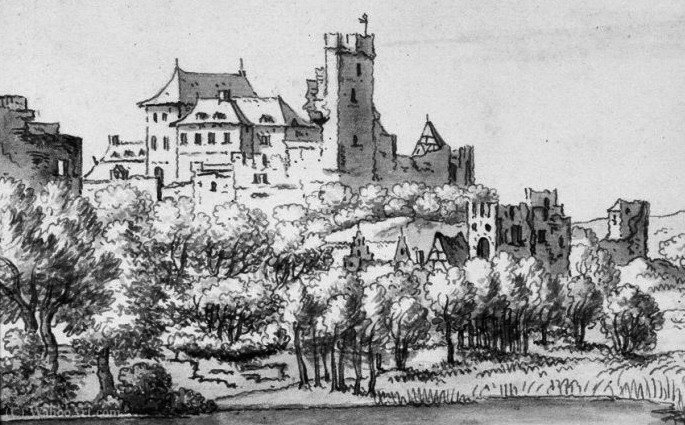
Valkenburg
 詳細を見る
詳細を見る
オンラインプレビューをはるかに凌ぐ、高解像度で鮮明なデジタル画像をご購入いただけます。
各ファイルは、社内の専門家が高度なツールと熟練した手作業によるレタッチを用いて、細心の注意を払って準備されています。すべての画像において、卓越した鮮明度、正確な色彩再現性、そして繊細なディテールを保証いたします。
最終ファイルは、プロフェッショナルな編集・印刷環境ですぐにご利用いただけるよう最適化された状態で、72時間以内にメールにてお届けいたします。これは、一流のデザインスタジオ、出版社、ギャラリーから信頼されているものと同等の品質です。
デジタル画像のご注文に付随する特典
高品質なデジタル画像配信を、確かな品質で。
OriginalUniqueArt.com を選ぶことは、単に画像を手に入れることではありません。それは、プロの手によって精密に仕上げられ、満足保証が付いた高品質なデジタルアートワークを受け取ることを意味します。ご注文いただいた際に自動的に付随する内容は、以下の通りです:

メールですぐにお届け
ご注文から72時間以内に、高解像度のデジタル画像ファイルがメールでお手元に届きます。すぐにそのままご利用いただけます。

AI技術で最適化されたデジタルファイル
お客様の作品は、高度なAIツールと専門家による手作業の編集を組み合わせてプロフェッショナルに最適化されており、細部のディテール、鮮明さ、そして正確な色再現性を最大限に引き出しています。

一生涯無料の再送サービス
ファイルを誤って削除したり、紛失してしまったりしましたか?ご安心ください。いつでも無料で再送いたします。

輸入手数料は一切かかりません
関税や手数料、配送料を気にすることなく、お気に入りのアートワークをすぐにお楽しみいただけます。デジタルダウンロードは常に免税です。

色彩再現の保証
プロ仕様のツールとカラーマネジメント技術を用いることで、デジタル画像が元の色を最大限に忠実に再現することを保証いたします。

60日間満足保証
ご購入いただいたデジタル画像にご満足いただけない場合は、60日以内であれば、修正または100%の返金(理由を問う必要はありません)をさせていただきます。

100% 返金保証
ご満足いただけない場合は、デジタルファイルを受け取ってから60日以内であれば、理由を問わず全額返金いたします。

まとめ買い割引
3枚購入で10%OFF - 5枚購入で15%OFF - 10枚以上購入で20%OFF。クリエイティブなプロジェクト、ギャラリー、エージェンシーに最適です。
作家の略歴
Early Life and Formation in Haarlem
Josua de Grave, born in Amsterdam in 1643, emerged during the twilight years of the Dutch Golden Age—a period renowned for its artistic flourishing and burgeoning mercantile spirit. Though his origins lay within a family connected to commerce, young Josua found himself drawn towards the visual arts, a path that would lead him away from trade routes and into the delicate world of draughtsmanship. By 1648, the de Grave family had relocated to Haarlem, a city steeped in artistic tradition, where Josua’s formal training began. He entered the Guild of St Luke in 1659 at the remarkably young age of sixteen, signaling his commitment and early promise as an artist.
The influence of Haarlem's established masters—painters like Frans Hals and Adriaen Berckheyde—likely shaped de Grave’s initial artistic sensibilities. However, it was not within the bustling studios of portraiture or genre painting that his unique talent would fully blossom. Instead, he gravitated towards topographical drawing, a practice that demanded precision, observation, and an acute understanding of perspective.
A Wanderer's Eye: Topographical Drawings and Military Campaigns
De Grave’s early career was characterized by a restless spirit and a penchant for travel. He journeyed to Paris in the mid-1660s, returning via Maastricht where he began producing a series of meticulously detailed drawings documenting the landscapes and towns of the Southern Netherlands. These sketches, typically small in scale—around 95 x 150 mm—were often inscribed with dates and locations, providing invaluable insights into the daily life and conditions of the region during a period of political unrest. Between 1672 and 1676, de Grave entered the service of Stadtholder William III of Orange-Nassau, becoming an engineering officer within the Dutch States-General army. This appointment proved pivotal, affording him the opportunity to travel extensively throughout the Southern Netherlands during the campaigns against France.
His role wasn’t that of a war artist in the traditional sense; rather, he documented the logistical realities of military life—the construction of fortifications, the layout of encampments, and the subtle details of urban environments impacted by conflict. These drawings, executed with remarkable precision in pen and brown ink, often washed with grey tones, offer a unique perspective on 17th-century warfare, focusing not on heroic battles but on the practicalities of maintaining an army in the field.
Collaboration and Confusion: The Klotz Brothers
During his travels, de Grave frequently collaborated with two other draughtsmen—Valentijn Klotz and his brother, Barnardus Klotz. The three artists shared a similar style and subject matter, leading to occasional confusion in attributing their works. Their drawings are characterized by a shared emphasis on topographical accuracy, delicate rendering of architectural details, and a subtle atmospheric quality achieved through the use of wash techniques. The close working relationship between de Grave and the Klotz brothers has prompted ongoing scholarly debate regarding the extent of their individual contributions.
Distinguishing their hands can be challenging, but careful examination reveals nuances in technique and subject preference. De Grave often focused on broader landscapes and city views, while the Klotz brothers tended towards more detailed architectural studies. Despite these subtle differences, the collaborative spirit between the three artists resulted in a body of work that provides a comprehensive visual record of the Southern Netherlands during a turbulent period.
Later Years and Imaginary Landscapes
After settling in The Hague around 1678, de Grave’s artistic focus began to shift. While he continued to produce topographical drawings, he increasingly turned his attention towards imaginary landscapes—fantastical scenes inspired by the Italian countryside. These later works reveal a growing interest in perspective and composition, drawing inspiration from earlier masters such as Jan Both, Nicolaes Berchem, and Jan Asselijn. His *Italianate landscape with rapids* (1697), for example, showcases his mastery of atmospheric effects and his ability to create convincing illusions of depth and space.
De Grave’s transition towards imaginary landscapes reflects a broader trend within Dutch art during the late 17th century—a growing fascination with idealized settings and classical motifs. Although he continued to receive commissions, including a brief return to military service in 1711, his later years were marked by a quieter artistic practice focused on exploring the possibilities of landscape painting.
Historical Significance and Legacy
Josua de Grave’s historical significance lies not in grand pronouncements or revolutionary stylistic innovations, but rather in his meticulous documentation of a specific time and place. His topographical drawings offer invaluable insights into the daily life, architecture, and military realities of the Southern Netherlands during the Dutch Golden Age. His work provides a unique counterpoint to more conventional depictions of warfare, focusing on the practicalities of maintaining an army and the subtle impact of conflict on urban environments.
While his collaborative relationship with the Klotz brothers has sometimes obscured his individual contributions, de Grave’s distinctive style—characterized by precision, delicate rendering, and a subtle atmospheric quality—remains readily identifiable. His later imaginary landscapes demonstrate his mastery of perspective and composition, solidifying his position as a skilled draughtsman and painter whose work continues to captivate and inform our understanding of 17th-century Dutch art.

josua de grave
1643 - 1712 , Netherlands
プロフィール概要
- Artistic Movement Or Style: Dutch Golden Age
- Artists Who Influenced This Artist:
- Jan Both
- Jan Asselijn
- Nicolaes Berchem
- Jan Worst
- Date Of Birth: 1643
- Date Of Death: 1712
- Full Name: Josua de Grave
- Nationality: Dutch
- Notable Artworks:
- The Armamentarium on De Geer Canal
- Rotterdam Gate in Delft From Afar
- City Facades of the Rotterdam and Schiedam Gates
- View of Grave
- Italianate landscape with rapids
- Place Of Birth: Amsterdam, Netherlands

