
 設置イメージを確認
 送る
送る シェア
シェア
 詳細情報
詳細情報 ガイドを表示

 画像をダウンロード
 似ている作品
 X線調査
X線調査 スライドショー
 統計情報
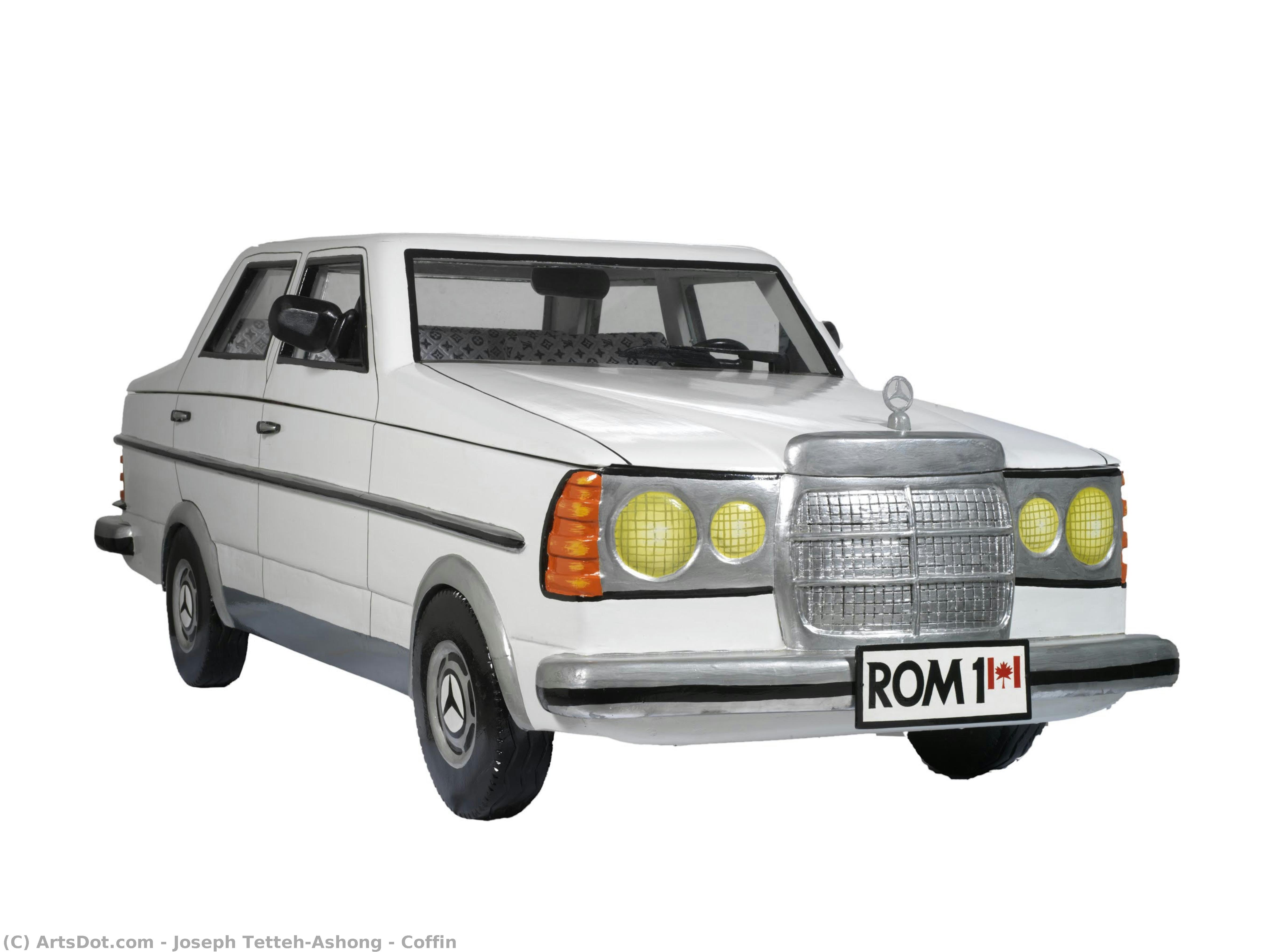
統計情報Coffin
 86.0 x 73.0 cm
 続きを読む
続きを読む
このページに掲載されている作品は著作権法によって保護されており、当社の許可なく同一の複製物を制作または販売することは法律で禁じられています。この保護は、以下のような国際条約に基づき執行されます。 ベルヌ条約 および、以下の条項に定められたものを含む各国の法律により、 米国著作権法 第17編。
この手法は、著作権で保護された作品の複製や複写を伴わないため、著作権法に完全に準拠しています。これは単なる模倣ではなく、創造的な再解釈です。元の作品からインスピレーションを受けつつも、それとは異なる、全く新しい絵画を生み出すものです。
ジークレー/アートプリント
スピーディーな制作と多彩な仕上げオプションが魅力の、ミュージアムクオリティなジークレー・キャンバスプリント。 ( 手描きの複製画を注文する デジタル画像販売へ切り替え)




































作品のオリジナル比率に合わせた、当店の規定サイズからお選びください。

額縁や壁のスペースに合わせて、ご希望の幅と高さを入力してください。プリントはカットすることは可能ですが、元の画像より大きくすることはできないため、異なる比率のサイズを選択された場合は、画像の一部が欠けることになります。印刷を開始する前に、内容を確認していただくためのデジタルモックアップをお送りいたします。このページに表示されている画像は、実際のカット後の状態を示すものではありません。実際の仕上がりはモックアップにてご確認ください。


 ガラスオプションは、110cm未満のサイズでのみご利用いただけます。

Coffin
ジークレー/アートプリント
複製画サイズ一覧
-


合計金額
¥ 12596
よくあるご質問
Joseph Tetteh-Ashong作「Coffin」の形状とサイズを教えてください。
Joseph Tetteh-Ashong作「Coffin」は、サイズ86 x 73 cmのLandscape作品です。
Joseph Tetteh-Ashong作「Coffin」のスライドショーはありますか?
Joseph Tetteh-Ashong作「Coffin」は、作品のスライドショーページにてスライドショーとしてご覧いただけます。
Joseph Tetteh-Ashong作「Coffin」は、明るい印象の作品ですか、それとも暗い印象の作品ですか?
視覚的な明るさの観点から見ると、Joseph Tetteh-Ashong作「Coffin」 は brilliant です。
アーティストについて
A Legacy Carved in Wood: The Life and Art of Joseph Tetteh-Ashong (Paa Joe)
Joseph Tetteh-Ashong, known globally as Paa Joe, is more than just a sculptor; he’s a cultural historian translating the narratives of Ghana into breathtakingly imaginative forms. Born in Nungua, Ghana, in 1947, Paa Joe emerged from a lineage steeped in tradition, yet possessed an innate drive to push the boundaries of what Ghanaian coffin art could be. His journey began with a rigorous twelve-year apprenticeship under Kane Kwei at his workshop in Teshie – a foundational experience that instilled not only technical mastery but also a deep understanding of the symbolic weight embedded within each creation. These weren’t merely boxes for burial; they were *abebuu adekai*, “proverb boxes,” vessels designed to reflect the deceased's life, profession, and aspirations, ensuring a fitting passage into the afterlife. Paa Joe didn’t simply inherit this tradition; he revitalized it, infusing it with a vibrant personal vision that would soon capture international attention.From Tradition to Transcendence: The Evolution of a Unique Style
While deeply rooted in ancestral practices, Paa Joe's work quickly distinguished itself through its sheer audacity and playful complexity. Traditional Ghanaian coffins often represented animals – lions for royalty, fish for fishermen – but Paa Joe expanded this lexicon exponentially. He began crafting fantastical coffins shaped like airplanes for pilots, buses for travelers, and even colossal shoes for beloved shoemakers. This wasn’t mere novelty; it was a profound act of personalization, celebrating individual lives with unprecedented specificity. He masterfully employed vibrant colors and bold lines, drawing on the rich visual language of Ghanaian textiles and folklore. The process itself is remarkable – each coffin meticulously hand-carved from cedar wood, then painted with enamel paints that bring these extraordinary forms to life. Paa Joe’s skill lies not only in his carpentry but also in his ability to imbue each piece with a sense of movement, personality, and profound storytelling. He trained several apprentices—Daniel Mensah, Eric Kpakpo, and Kudjoe Affutu among them—who have themselves become celebrated artists, ensuring the continuation of this unique artistic heritage.International Recognition and Museum Collections
Paa Joe’s work first gained international recognition in 1989, marking a turning point in his career. His creations resonated with audiences worldwide, challenging conventional notions of art and craftsmanship. Major exhibitions followed in Europe, Japan, and the United States, introducing his vibrant sculptures to a global stage. Today, Paa Joe’s coffins are not confined to private collections; they grace the halls of prestigious institutions like the British Museum in London, the Brooklyn Museum in New York, the Royal Ontario Museum in Canada, and the Museum of Fine Arts, Boston, among many others. The inclusion of his work in these esteemed museums signifies a broader acknowledgement of African art’s profound cultural significance and its capacity to transcend geographical boundaries. His pieces are not simply displayed as ethnographic objects; they are celebrated as powerful works of contemporary sculpture, embodying both tradition and innovation.Symbolism and the Gates of No Return
The deeper meaning behind Paa Joe's work extends beyond individual commemoration. His more recent commissions, particularly those created in 2004 and 2005, address the harrowing history of the transatlantic slave trade. These large-scale sculptures depict architectural models of Gold Coast castles and forts – sites that served as holding pens for millions of Africans before their forced journey to the Americas and the Caribbean. These structures, now hauntingly recreated in wood, represent the “Gates of No Return,” a poignant reminder of the trauma and loss endured by those who were enslaved. Paa Joe’s artistry transforms these symbols of oppression into vessels carrying the spirits of the departed, offering a powerful commentary on memory, resilience, and the enduring legacy of slavery. The exhibition at the High Museum of Art in Atlanta further contextualizes this work, connecting it to global histories of slavery through archival documents, photographs, and interactive maps.A Vision for the Future: The Art Academy and Community Support
Paa Joe’s commitment extends beyond his own artistic practice; he is dedicated to nurturing the next generation of Ghanaian artists. He is currently building an art academy and gallery in Ghana, a space designed to support aspiring creatives and foster a thriving artistic community. This initiative reflects Paa Joe's belief in the transformative power of art and its ability to empower individuals and preserve cultural heritage. His legacy isn’t solely defined by the remarkable coffins he creates but also by his unwavering dedication to education, mentorship, and the continued celebration of Ghanaian artistry on a global scale. He continues to sculpt, innovate, and inspire, ensuring that the vibrant tradition of *abebuu adekai* will flourish for generations to come.
Joseph Tetteh-Ashong
1947 - , Ghana
アーティスト情報
- Artistic Movement Or Style: Figurative sculpture
- Artists Who Influenced This Artist: ['Kane Kwei']
- Date Of Birth: 1947
- Full Name: Joseph Tetteh-Ashong
- Nationality: Ghanaian
- Notable Artworks:
- Lion-Shaped Coffin
- Fantasy Coffins
- Place Of Birth: Nungua, Ghana