

 設置イメージを確認
 送る
送る シェア
シェア
 詳細情報
詳細情報 ガイドを表示

 画像をダウンロード
 似ている作品
 X線調査
X線調査 スライドショー
 統計情報
統計情報JEAN MARIE VIEN


 続きを読む
続きを読む
ジークレー/アートプリント
スピーディーな制作と多彩な仕上げオプションが魅力の、ミュージアムクオリティなジークレー・キャンバスプリント。 ( 手描きの複製画を注文する デジタル画像販売へ切り替え)




P118B $10

P118H $10

P118W $10

P438Z $10

P508JH $12

P508YH $12

P805H $10

P805Z $10

P919BZ $10

P919G $10

P919XJ $10

P959ZH $10

P968JZ $12

W106C $8

W218G $10

W218JH $8

W218Y $10

W307PJ $10

W316G $10

W316PJ $8

W316Y $10

W398PJ $8

W4111J $10

W500HY $15

W500JH $15

W692G $12

W849H $8

W940BG $15

W953PJ $8




作品のオリジナル比率に合わせた、当店の規定サイズからお選びください。

特定のフレームやスペースに合わせて、ご自身でサイズを指定することも可能です。選択されたサイズが元の画像の比率と一致しない場合、作品をトリミングするか、鏡面反射または単色での塗りつぶしによって画像を拡張いたします。制作を開始する前に、ご確認用のデジタルモックアップをお送りいたします。
画面上のプレビューには、実際のトリミングや拡張は反映されませんのでご注意ください。最終的な構図を正確に確認できるのは、モックアップのみとなります。
カスタムサイズも承っておりますが、元の比率を維持するためには、あらかじめ用意されたリストからサイズを選択することをお勧めいたします。


 ガラスオプションは、110cm未満のサイズでのみご利用いただけます。

JEAN MARIE VIEN
ジークレー/アートプリント
複製画サイズ一覧
-


合計金額
$ 80
A Glimpse into the Soul of the Rococo
In the soft, luminous glow of Joseph Siffred Duplessis’s “Jean Marie Vien,” we are invited into a moment of profound stillness that transcends the mere recording of a face. This exquisite portrait serves as a window into the heart of the French Rococo period, an era defined by its pursuit of elegance, refinement, and a delicate balance between grandeur and intimacy. As we gaze upon the subject, we do not merely see a man; we encounter a carefully constructed persona of intellectual curiosity and quiet dignity. Duplessis, a master of capturing the subtle nuances of character, utilizes a three-quarter pose to establish a sense of depth, placing Vien within a space that feels both formal and deeply personal.
The composition is a masterclass in classical harmony. By positioning Vien centrally against a backdrop of draped, heavy fabrics, Duplessis creates a rhythmic interplay of light and shadow that guides the eye toward the subject’s contemplative expression. There is a poetic tension held within the frame—the way his hand rests with relaxed authority upon the chair arm, while the presence of a painter's palette and brush serves as a silent testament to his identity and vocation. This inclusion of professional attributes transforms the portrait from a simple likeness into a narrative of passion and purpose, making it an ideal centerpiece for those who appreciate art that celebrates the human spirit and the creative calling.
The Alchemy of Color and Light
To behold this work is to experience a symphony of pastel tones. Duplessis employs a palette dominated by soft pinks, creams, and warm ivories, which imbue the canvas with an inviting, serene atmosphere. These delicate hues are not merely decorative; they are essential to the emotional resonance of the piece, evoking the sophisticated aesthetic favored by the 18th-century French aristocracy. Yet, beneath this surface of lightness, the artist introduces earthy undertones within the drapery, providing a grounded, organic contrast that prevents the composition from feeling overly ethereal.
The technique employed is nothing short of virtuosic. Through the meticulous use of glazing—the layering of thin, transparent oil glazes—Duplessis achieves a luminous quality that seems to radiate from within the skin tones themselves. The light appears diffused and gentle, as if filtered through a fine silk, illuminating the contours of Vien’s face while allowing the background to recede into a soft, mysterious gloom. This careful manipulation of light creates a focal point that is both magnetic and soothing, offering a sense of depth that invites the viewer to linger. For the discerning collector or interior designer, such a play of light offers a versatile brilliance, capable of adding warmth and a sense of historical weight to any sophisticated living space.
A Legacy of Dignity and Grace
Beyond its technical brilliance, “Jean Marie Vien” carries an emotional weight that speaks to the timelessness of human introspection. There is a hint of melancholy in Vien’s gaze, a thoughtful quality that suggests a mind preoccupied with the complexities of art and existence. This subtle emotional depth is what elevates the painting from a historical artifact to a living piece of art. It captures the essence of an era where even the most formal portraits were imbued with a sense of humanist value and individual character.
For those seeking to adorn their homes with a reproduction that embodies prestige and tranquility, this work offers unparalleled inspiration. It is more than a decoration; it is an invitation to slow down and engage with the quiet beauty of the past. Whether placed in a sunlit study or a grand hallway, the presence of Duplessis’s masterpiece brings with it an aura of cultured sophistication, reminding all who view it of the enduring power of grace, intellect, and the timeless allure of the French masters.
アーティストについて
肖像に刻まれた生涯:ジョゼフ=シフレッド・デュプレスの世界
ジョゼフ=シフレッド・デュプレスという名は、同時代の他の画家たちに比べると、すぐには聞き馴染みのないものかもしれません。しかし、18世紀フランスの肖像画史において、彼は極めて重要な地位を占めています。1725年にカルパトラで生まれた彼は、決して確立された芸術家の一族に生まれたわけではありませんでした。むしろ、実利的な生活の裏側に創造性が静かに息づく家庭での誕生でした。外科医であった父は、絵画に対して熱心なアマチュア的関心を抱いており、幼いジョゼブラに最初の教えを授けたのです。医学的な図解に求められる精密な描写――この観察眼の基礎こそが、後のデュプレスの成功において計り知れない価値を持つことになります。彼はその後、シャルル・ル・ブランの弟子であるジョゼフ・ガブリエル・アンベールのもとで正式な修行を積み、確立されたアカデミックな技法を吸収しました。そして1744年から1747年にかけてローマへと渡ります。イタリアにおいて、ピエール・スブリュラスのアトリエで過ごした日々こそが、デュプレスが真に開花した時期でした。そこで彼はジョゼフ・ヴェルネといった同時代の画家たちと友情を育み、イタリア半島の豊かな芸術的遺産に身を浸したのです。この時期は単に技法を習得するためのものではなく、彼の美意識を育み、後に彼のスタイルを定義することとなる「明晰さ」と「即時性」を形作るための、極めて重要な段階でした。芸術の潮流を渡り歩く:ロココの優雅から新古典主義の抑制へ
フランスに帰国したデュプレスは、当初リヨンに定住し、1752年頃にパリで自身の地位を確立しました。初期の年月は、緩やかな上昇の時期でした。サン・リュック・アカデミーへの入会は活動の舞台を与えてくれましたが、名声を手にするには至りませんでした。転機が訪れたのは、1念1769年のサロンです。10点の肖像画を出品したデュプレスは、ついに大きな称賛を浴びることとなり、とりわけ影響力のある批評家ドニ・ディドロから高い評価を受けました。この突破口は、1770年の権威ある絵画彫刻アカデミーへの選出へと道を開きました。当時のアカデミーの階層において、肖像画はしばしば「格下のジャンル」と見なされていたことを考えれば、これは驚くべき快挙でした。1771年には「国王の画家(peintre du Roi)」に任命され、王太子妃の肖ロットなどの依頼を受けることで、宮廷における地位を確固たるものにし、多作な時期へと突入します。デュプレスの芸術的発展は、時代の美学的な変遷と重なっていました。当初はロココ様式の優雅さと装飾的な華やかさに影響を受けていましたが、次第に台頭してきた新古典主義の要素を取り入れ、その結果、優雅さと抑制が融合した独自のスタイルを生み出したのです。彼は、王族に求められる儀礼的な壮大さから、芸術家や知識人に好まれる親密なリアリズムに至るまで、モデルに合わせて巧みにアプローチを使い分けました。ルーヴル美術館のギャラリー内に与えられた特権的な住居は、彼に社会的地位をもたらしただけでなく、至高の傑作に常に触れる機会を与え、その芸術的ビジョンをさらに洗練させていったのです。時代の肖像:人物像と歴史を捉える
デュプレスの作品群は、貴族、芸術・文学界の人々、さらには革命の象徴的な人物たちで構成された、18世紀フランス社会の魅力的な年代記といえます。おそらく彼の最も不朽の名作は、1785年頃に描かれたベンジャミン・フランクリンの肖像画でしょう。驚くべき写実性と心理的な深みを備えたこのイメージは、芸術の領域を超え、アメリカの100ドル紙幣に採用されるほど象徴的なものとなりました。これは、単なる外見の類似性だけでなく、被写体の本質的な性格までも捉えるデュプレスの能力を証明しています。他の注目すべき作品には、戴冠式の礼服を纏ったルイ16世の威厳ある肖像画(1776年)があり、そこには形式的な構図と王者の風格を見事に表現する手腕が示されています。また、作曲家クリストフ・ヴィリバルト・グルックを描いた親密な描写では、インスピレーションに満たされたまま作曲に励む姿を、肌で感じられるような臨場感とともに捉えています。彫刻家クリストフ・ガブリエル・アレグランの鋭い描写は、細部への繊細なこだわりを通じて個性を伝えるデュプレスの技量を見事に露わにしています。さらにジャック・ネッケルも描いており、様々な社会階層の人々を捉える彼の能力を示しています。これらの肖像画は単なる技術的な習作ではなく、当時の知的・政治的な潮流を反映した、人間性に対する洞察に満ちた研究であったのです。遺産と記憶:親密さの巨匠
フランス革命はデュプレスの人生に激動をもたらし、恐怖政治の時代には故郷カルパトラへの避難を余儀なくされました。しかし、混乱が収まった後、彼は再び表舞台に現れ、1796年から1802年に亡くなるまで、ヴェルサイユに新設された美術館の学芸員を務めました。この最後の一章は、社会の変化のただ中にあっても芸術的遺産を守り抜こうとする彼の献身を物語っています。デュプレスの歴史的な重要性は、その技術的な卓越性だけでなく、キャンバスの上に時代の精神を捉える力にあります。彼は18世紀後半の肖像画の形成において決定的な役割を果たし、明晰さ、即時性、そして心理的洞察を特徴とするスタイルによって、ロココと新古典主義の架け橋となりました。彼の肖像画は、歴史を形作った人々の生活や人格を垣間見る貴重な窓であり、親密さと観察眼の巨匠としての不滅の遺産を今に伝えています。彼の作品は今日においても響き続け、過去を照らし出し、私たちを人間としての経験へと結びつける芸術の力を思い出させてくれるのです。
ジョゼフ・シフレ・デュプレシス
1725 - 1802
アーティスト情報
- Artistic Movement Or Style: ロココ、新古典主義
- Artists Or Movements Influenced By This Artist: 肖像画
- Artists Who Influenced This Artist:
- ジョゼフ・ガブリエル・アンベール
- ピエール・スブリュラス
- Date Of Birth: 1725年9月22日
- Date Of Death: 1802年4月1日
- Full Name: ジョセフ=シフレド・デュプレシー
- Nationality: フランス
- Notable Artworks:
- ベンジャミン・フランクリン
- ルイ16世
- ジャック・ネッケル
- クリストフ・ヴィリバルト・グルック
- Place Of Birth: フランス、カルパトラ
関連記事
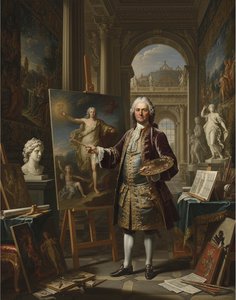
Charles Le Brun: Master of French Baroque Classicism & His Enduring Legacy
Explore the life & art of Charles Le Brun, master of French Baroque Classicism. Discover his royal commissions, influence on Versailles, and enduring legacy through detailed analysis & stunning artworks.

バロックのドラマ:現代のインテリアに壮麗さと情感を取り込む
バロック様式の歴史、絵画、家具の魅力をご紹介。OriginalUniqueArtでは、高品質な油絵複製やカスタムポートレートをご提供し、現代のインテリアに壮麗さと情感を取り入れます。アートコンサルテーションも承ります。

The Dramatic Flourish: Exploring the Baroque Movement's Enduring Legacy in Art History
Explore the dramatic world of Baroque art! Discover iconic artists like Caravaggio & Rubens, defining techniques, and its lasting impact on art history. Expert insights for collectors & enthusiasts at OriginalUniqueArt.
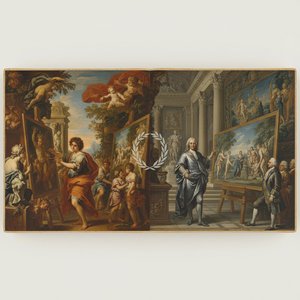
Simon Vouet: A Baroque Master's Journey from Italian Influence to French Classicism
Explore the life & art of Simon Vouet, a pivotal French Baroque painter who introduced Italian styles to France. Discover his masterpieces and lasting influence on 17th-century art.
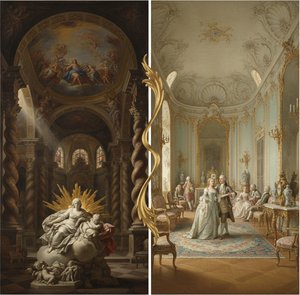
From Grandeur to Grace: Exploring the Evolution of Baroque & Rococo Art
Explore the captivating evolution from Baroque's drama to Rococo's grace! Discover key artists, characteristics & lasting influence of these art movements with expert insights at OriginalUniqueArt.