

 プレビュー
プレビュー
 シェアする
シェアする シェアする
シェアする
 詳細を見る
詳細を見る

 ダウンロード
 似ている作品
 X線調査
X線調査 スライドショー
 統計情報
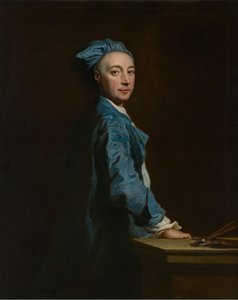
統計情報Mr. Oldham and his Friends
 Oil On Canvas
- WallArt
- Rococo Period
 1750
1750- Early Modern
 105.0 x 130.0 cm
 Tate Gallery
 詳細を見る
詳細を見る
オンラインプレビューをはるかに凌ぐ、高解像度で鮮明なデジタル画像をご購入いただけます。
各ファイルは、社内の専門家が高度なツールと熟練した手作業によるレタッチを用いて、細心の注意を払って準備されています。すべての画像において、卓越した鮮明度、正確な色彩再現性、そして繊細なディテールを保証いたします。
最終ファイルは、プロフェッショナルな編集・印刷環境ですぐにご利用いただけるよう最適化された状態で、72時間以内にメールにてお届けいたします。これは、一流のデザインスタジオ、出版社、ギャラリーから信頼されているものと同等の品質です。
デジタルアート
個人での鑑賞、印刷、クリエイティブなプロジェクト用に、高解像度ファイルをダウンロードできます。 ( プリント版に切り替え 手描きの絵画を購入)
デジタル画像のご注文に付随する特典
高品質なデジタル画像配信を、確かな品質で。
OriginalUniqueArt.com を選ぶことは、単に画像を手に入れることではありません。それは、プロの手によって精密に仕上げられ、満足保証が付いた高品質なデジタルアートワークを受け取ることを意味します。ご注文いただいた際に自動的に付随する内容は、以下の通りです:

メールですぐにお届け
ご注文から72時間以内に、高解像度のデジタル画像ファイルがメールでお手元に届きます。すぐにそのままご利用いただけます。

AI技術で最適化されたデジタルファイル
お客様の作品は、高度なAIツールと専門家による手作業の編集を組み合わせてプロフェッショナルに最適化されており、細部のディテール、鮮明さ、そして正確な色再現性を最大限に引き出しています。

一生涯無料の再送サービス
ファイルを誤って削除したり、紛失してしまったりしましたか?ご安心ください。いつでも無料で再送いたします。

輸入手数料は一切かかりません
関税や手数料、配送料を気にすることなく、お気に入りのアートワークをすぐにお楽しみいただけます。デジタルダウンロードは常に免税です。

色彩再現の保証
プロ仕様のツールとカラーマネジメント技術を用いることで、デジタル画像が元の色を最大限に忠実に再現することを保証いたします。

100日間満足保証
ご購入いただいたデジタル画像にご満足いただけない場合は、100日以内であれば、理由を問わず修正または100%の返金対応をさせていただきます。

100% 返金保証
ご満足いただけない場合は、デジタルファイルを受け取ってから100日以内であれば、理由を問わず全額返金いたします。

まとめ買い割引
3枚購入で10%OFF - 5枚購入で15%OFF - 10枚以上購入で20%OFF。クリエイティブなプロジェクト、ギャラリー、エージェンシーに最適です。
A Glimpse into Georgian Camaraderie
In the soft, amber glow of an imagined mid-eighteenth-century evening, Joseph Highmore’s “Mr. Oldham and his Friends” invites the viewer to step into a world of refined leisure and quiet intellectual intimacy. Painted in 1750, this masterpiece serves as a window into the heart of Georgian England, capturing a moment that transcends mere portraiture to become a celebration of social bond and shared experience. The composition centers on four gentlemen gathered around a mahogany table, their relaxed postures and engaged expressions suggesting a conversation caught mid-sentence. There is an undeniable warmth in the scene; the subtle presence of wine glasses and a communal bowl hints at a ritual of conviviality, where the boundaries between formal status and personal friendship blur under the light of mutual respect.
Highmore, a painter who masterfully navigated the transition from the grandiosity of the Baroque to the delicate grace of the Rococo, utilizes this scene to showcase his profound ability to capture character. One gentleman, distinguished by a hat perched elegantly atop his head, adds a touch of aristocratic flair that anchors the group in their social stratum, yet the overall atmosphere remains remarkably accessible and human. For the collector or interior designer, this piece offers more than just a historical record; it provides an emotional anchor for a room, evoking a sense of timeless stability and the enduring value of companionship.
Mastery of Light and Texture
Technically, the painting is a triumph of chiaroscuro, a technique Highmore adapted from the great Baroque masters like Rembrandt to breathe life into his subjects. By employing dramatic contrasts between deep, velvety shadows and luminous highlights, he sculpts the figures, giving them a three-dimensional presence that feels almost tactile. This play of light does more than define form; it directs the eye through the narrative of the painting, drawing attention to the glint of glass, the rich grain of the wood, and the intricate folds of fine fabrics. The artist’s meticulous attention to detail—the way light catches the rim of a wine glass or the subtle texture of a gentleman's waistcoat—demonstrates a level of craftsmanship that elevates the work from a simple "conversation piece" to a profound study in materiality.
The Rococo influence is felt in the painting’s lighter, more graceful tonal palette, which avoids the heavy somberness of earlier eras in favor of an air of elegance. This delicate balance between shadow and light creates a psychological depth, suggesting that beneath the surface of this pleasant gathering lies a rich inner life and a history of shared secrets and intellectual pursuits. Such technical sophistication makes a high-quality reproduction of this work an exquisite addition to any curated collection, offering a sophisticated interplay of light and shadow that can transform the ambiance of a sophisticated study or a grand dining hall.
Symbolism and the Spirit of an Era
Beyond its aesthetic allure, “Mr. Oldham and his Friends” is steeped in the cultural symbolism of the 1750s. The very act of gathering around wine serves as a metaphor for the era's values: indulgence, pleasure, and the cultivation of taste. In the context of Georgian England, such scenes were not merely decorative but were statements of social identity. The painting subtly underscores the importance of patronage and the role of the landed gentry in fostering a culture of refinement and intellectual curiosity. The presence of the mahogany table—a luxury item of the period—further reinforces the themes of prosperity and the global reach of British commerce during this era.
For those looking to bring a piece of history into their contemporary spaces, this artwork offers a profound sense of continuity. It speaks to the universal human desire for connection and the beauty found in quiet, shared moments. Whether placed in a modern minimalist setting to provide a classical counterpoint or integrated into a traditional period room, Highmore’s work continues to resonate, offering an evocative narrative of friendship that remains as relevant today as it was two and a half centuries ago.
作家の略歴
生い立ちと芸術への目覚め
ジョセフ・ハイモアは1692年にロンドンで生まれました。当初、家族の期待は彼に法曹界でのキャリアを望んでいましたが、17歳にして彼はその道から完全に離れ、芸術への情熱を追求することを決意しました。この大胆な転換の後、彼はサー・ゴドフリー・クネラーのアトリエで学び、ウィリアム・チェスルドンによる解剖学の講義にも参加し、彼の技術的なスキルと人間の形に対する深い理解を培いました。当初はクネラーが体現する壮大なバロック様式の影響を受けましたが、ハイモアのスタイルは徐々にロココ時代の繊細な美学を取り入れ始めました。これはヨーロッパ全体で広がる文化的な潮流を反映した変化でした。彼は単なる画家ではありませんでした。彼は社会の鋭い観察者であり、彼のキャンバスはジョージアン・イングランドの人々の生活、マナー、そして道徳的関心を映し出す鏡となりました。王室の庇護から中産階級への依頼へ
ハイモアの初期のキャリアは1730年代と40年代に王室からの庇護を受けました。これにより、彼はジョージ2世や有名なジェームズ・ウルフ将軍などの著名な人物を描く機会を得ました。これらの肖像画は彼の技術的な腕前を示すだけでなく、被写体の性格や存在感を捉える驚くべき能力も示しています。1732年から1734年にかけてのオランダとフランスへの旅は、彼にルーベンスやファン・ダイクなどの巨匠の作品を触れさせ、彼の芸術的視野を広げました。しかし、ハイモアの適応力こそが彼の持続的な成功の鍵となりました。好みが変化し、成長する中産階級が表現を求めるようになると、彼は巧みに焦点を調整し、彼らの社会的地位と家庭生活を反映した肖像画を提供しました。この時期に彼の有名な「会話風景」が登場しました。これは家族や友人が親密な集まりを描いたグループポートレートのジャンルであり、ハイモアはこの分野で卓越していました。これらの作品は単なる外見の記録ではありませんでした。それらは時間を凍てつかせた物語であり、被写者の日常生活を垣間見ることができました。例えば、マシュー・ベル氏はロココ様式のリアリズムに典型的な威厳のある構えを示し、アンソニー・ハイモアのような肖像画は優雅な服装と時代を超越した構成を明らかにしています。美徳の描写:「パメラ」とその先
肖像画で名声を得たハイモアは、芸術と文学の世界を結びつけるユニークなプロジェクトを通じて広く認められるようになりました。1744年、彼はサミュエル・リチャードソンの非常に人気のある小説『パメラ、または美徳の報酬』に触発された一連の12枚の絵画に取り組みました。これらのイラストは単なるテキストへの装飾的な付加物ではありませんでした。それらは物語の感情的なインパクトと道徳的メッセージを増幅するように設計された、慎重に検討された解釈でした。これらの絵画から作られた版画は、ベノワとルイ・トゥルシーによって実行され、リチャードソンの物語をより多くの聴衆に広め、ハイモアを小説の普及における重要な人物にしました。『パメラ』以外にも、ハイモアは歴史画にも挑戦し、その例がFoundling Hospitalへのハガルとイシュマエルの寄贈です。この作品は彼の芸術的なスキルを示すだけでなく、現代社会の問題に対する彼の関与も示しています。他の作品と同様に、これは肖像画の領域を超えて複雑なテーマや物語を探求する意欲を明らかにし、社会の脆弱性に対する深い感受性を反映しています。リアリズムと洗練の遺産
1762年、70歳になったハイモアはカンタベリーに引退し、娘と義理の息子と一緒に暮らし、美術史に関する執筆活動を続けました。これにはルーベンスの作品に対する批判的な考察も含まれています。彼は87歳で1780年に亡くなり、羊毛貿易を支援するように設計された法律に従って埋葬されました。ジョセフ・ハイモアの遺産は、ロココ時代における英国肖像画への彼の重要な貢献にあります。彼の絵画は注目すべき細部への注意、個々の性格に対する感受性、そしてジョージアン社会の本質を捉える能力によって特徴付けられています。彼は単なる外見の記録者ではありませんでした。彼は自分の時代の生活、価値観、そして願望を照らすために絵具を使った語り手でした。- 家族関係: スザンナ・ハイモア(ヒルラー):彼女の妻で、ほとんど未発表の詩人です。
- アンソニー・ハイモア:彼の息子も芸術家でした。
- アンソニー・ハイモアジュニア:法律問題に関する作家であり、社会活動家になった孫。
ジョセフ・ハイモア
1692 - 1780 , イギリス
プロフィール概要
- Artistic Movement Or Style: ロココ
- Artists Or Movements Influenced By This Artist: ['ジョージアン肖像画']
- Artists Who Influenced This Artist:
- クネラー
- ルーベンス
- ファン・ダイク
- Date Of Birth: 1692年
- Date Of Death: 1780年
- Full Name: ジョセフ・ハイモア
- Nationality: イギリス人
- Notable Artworks:
- パメラ挿絵
- マシュー・ベル
- ハガルとイシュマエル
- Place Of Birth (City And Country): ロンドン、イギリス