

 プレビュー
プレビュー
 シェアする
シェアする シェアする
シェアする
 詳細を見る
詳細を見る

 ダウンロード
 似ている作品
 X線調査
X線調査 スライドショー
Les Saltimbanques
 1892
1892- 19th Century
 91.0 x 127.0 cm
 Zimmerli Art Museum at Rutgers University
 詳細を見る
詳細を見る
ジークレー/アートプリント
迅速な制作と多彩な仕上げオプションを備えた、ミュージアムクオリティのジークレーまたはキャンバスプリント。 ( 手描きの絵画を購入 画像を購入)




P118B $10

P118H $10

P118W $10

P438Z $10

P508JH $12

P508YH $12

P805H $10

P805Z $10

P919BZ $10

P919G $10

P919XJ $10

P959ZH $10

P968JZ $12

W106C $8

W218G $10

W218JH $8

W218Y $10

W307PJ $10

W316G $10

W316PJ $8

W316Y $10

W398PJ $8

W4111J $10

W500HY $15

W500JH $15

W692G $12

W849H $8

W940BG $15

W953PJ $8




作品のオリジナル比率に合わせた、当店の規定サイズからお選びください。

特定のフレームやスペースに合わせて、ご自身でサイズを指定することも可能です。選択されたサイズが元の画像の比率と一致しない場合、作品をトリミングするか、鏡面反射または単色での塗りつぶしによって画像を拡張いたします。制作を開始する前に、ご確認用のデジタルモックアップをお送りいたします。
画面上のプレビューには、実際のトリミングや拡張は反映されませんのでご注意ください。最終的な構図を正確に確認できるのは、モックアップのみとなります。
カスタムサイズも承っておりますが、元の比率を維持するためには、あらかじめ用意されたリストからサイズを選択することをお勧めいたします。


 ガラスオプションは、110cm未満のサイズでのみご利用いただけます。

Les Saltimbanques
ジークレー/アートプリント
複製画のサイズ
-


合計金額
$ 80
作品詳細説明
A Spectacle of Life and Motion
In the vibrant tapestry of late nineteenth-century art, few scenes capture the raw, kinetic energy of human connection quite like Joseph Gray’s Les Saltimbanques. Painted in 1892, this masterful composition invites the viewer into the heart of a bustling circus, where the boundaries between performer and spectator dissolve into a singular moment of shared wonder. At the center of this whirlwind of activity stands a commanding figure, a man in a top hat whose expressive gestures serve as the emotional anchor for the entire piece. He is not merely performing; he is conducting an orchestra of human emotion, his outstretched hands beckoning the eye to wander through the crowded, lively atmosphere of the ring.
The painting breathes with a sense of spontaneous life, capturing the chaotic yet rhythmic nature of a traveling troupe. As your gaze drifts from the central performer, you encounter a diverse cast of characters—individuals caught in various states of engagement, some poised on the edge of their seats and others lost in the peripheral magic of the act. Even a small, watchful dog punctuates the scene, adding a touch of domestic realism to the theatrical grandeur. This interplay of figures creates a profound sense of depth, drawing the observer into a world where every corner holds a new story, making it an ideal centerpiece for those looking to inject narrative vitality into a sophisticated interior.
Mastery of Light and Atmosphere
Technically, Les Saltimbanques is a triumph of atmospheric storytelling. Gray utilizes a rich, layered approach that emphasizes the textures of the era—the heavy fabrics of costumes, the soft glow of stage lighting, and the dusty, energetic air of the circus grounds. The artist’s ability to manipulate light allows him to create a focal point that radiates outward, casting much of the background into a soft, impressionistic blur that enhances the sense of movement. This technique ensures that while the scene is densely populated, it never feels cluttered; instead, it feels like a captured heartbeat, frozen in time.
For the discerning collector or interior designer, this work offers more than just visual beauty; it offers an emotional resonance. The painting evokes a nostalgic longing for the era of grand spectacles and the unbridled joy of live performance. Its larger-than-life scale of 91 x 127 cm makes it a commanding presence in any room, providing a sophisticated way to introduce warmth, movement, and historical depth. Whether placed in a formal gallery setting or as a conversation starter in a contemporary living space, this reproduction serves as a window into a lost world of enchantment, reminding us of the enduring power of the human spirit to create magic amidst the mundane.
アーティストの略歴
Joseph Gray: Echoes of War and Remembrance
Joseph Gray’s artistic legacy resides primarily in his poignant depictions of the First World War, specifically focusing on the Battle of Neuve Chapelle in 1915. While biographical details surrounding Gray's life remain somewhat elusive – he was born in London in 1886 and died peacefully at home in Dorset in 1973 – his artistic output speaks volumes about a profound engagement with the trauma and heroism of that era.
Gray’s early artistic training encompassed sketching and watercolor painting, nurtured by a family with an appreciation for visual arts. He honed his skills during his time at Slade School of Fine Art in London, where he studied under William Orpen, a fellow artist who himself captured the grim realities of trench warfare with remarkable sensitivity. This formative influence undoubtedly shaped Gray’s artistic vision and instilled within him a meticulous attention to detail – qualities that would become hallmarks of his distinctive style.
His breakthrough came during the war years when he began producing a series of oil paintings documenting the experiences of soldiers on the Western Front. Unlike many artists of his time who idealized heroism, Gray confronted the brutal realities of combat with unflinching honesty. His canvases are characterized by muted palettes—often dominated by earthy browns and greys—reflecting the bleak landscapes of the trenches. Yet, amidst this somberness lies a remarkable ability to convey emotion; faces etched with fatigue and fear are juxtaposed against moments of camaraderie and resilience.
Gray’s artistic technique was remarkably precise. He meticulously researched historical accounts and consulted eyewitness testimonies to ensure accuracy in his depictions. Furthermore, he employed a glazing technique—applying thin layers of translucent paint over underlying colors—to achieve depth and luminosity, capturing the atmospheric conditions prevalent during the battles. This painstaking process resulted in paintings that are not merely representations of events but immersive experiences for the viewer.
Among Gray’s most celebrated works is “The Charge,” a monumental canvas depicting the British infantry advancing towards German positions near Neuve Chapelle. The painting captures the dynamism and urgency of the moment with masterful brushstrokes, conveying both the physical exertion of the soldiers and their unwavering determination. It's considered one of Orpen’s finest paintings and exemplifies Gray’s commitment to portraying the human element within the larger context of military history.
Beyond his wartime oeuvre, Gray continued to paint landscapes and portraits throughout his life, demonstrating a versatility that belied his singular focus on capturing the spirit of conflict. His artistic sensibilities extended beyond mere visual representation; he sought to convey not just what he saw but also what he felt—a profound empathy for those who endured hardship and sacrifice.
Joseph Gray’s enduring contribution to art lies in his ability to transform historical narratives into emotionally resonant images. He remains a testament to the power of artistic observation and unwavering dedication to portraying truth with compassion, securing his place as one of Britain's foremost artists of the First World War.

基本情報
- Artistic Movement Or Style: Art Deco Style
- Artists Or Movements Influenced By This Artist: ['Black Watch']
- Artists Who Influenced This Artist: ['Eileen Gray']
- Date Of Death: Living
- Full Name: Joseph Gray
- Nationality: British
- Notable Artworks: ['Neuve Chapelle']
- Place Of Birth: London, England
関連記事
Marianne North's Masterpieces: 25 Botanical Paintings That Bloom With Adventure | OriginalUniqueArt
Journey through the vibrant world of Marianne North’s botanical paintings! Explore 25 iconic artworks from this Victorian artist, celebrating exotic flora & travel. Find museum-quality reproductions and curated decor ideas at OriginalUniqueArt.com.
Top 10 Masterpieces for Your Living Room: Iconic Paintings & Art Decor Ideas |
Transform your living room with iconic art! Explore our guide to the Top 10 most famous paintings – from Van Gogh's Starry Night to Mona Lisa. Discover artist stories, techniques & find museum-quality reproductions for timeless decor. Explore the full collection on
ジョアン・ミロ傑作25選:夢と色彩が織りなす芸術の世界|OriginalUniqueArt
ジョアン・ミロの傑作25選🎨 シュルレアリスムを代表する巨匠、ミロの世界へ。色彩と象徴に満ちた絵画の物語を紐解き、インテリアアートのインスピレーションを得ましょう。OriginalUniqueArtで高品質なアートプリントをお探しください✨
ヒエロニムス・ボッシュ傑作25選:幻想と寓意の世界 | OriginalUniqueArt
ヒエロニムス・ボッシュの傑作25選。中世絵画の幻想的な世界を巡り、寓意と象徴に満ちた作品群を紐解きます。OriginalUniqueArtで高品質な油絵複製やアートプリントをお楽しみください。ボッシュの色彩とテーマをあなたの空間に。今すぐコレクションをご覧ください。
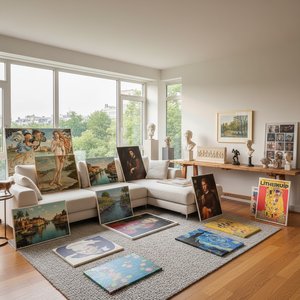
ベルリン国立美術館の至宝25選:名画と芸術の物語 | OriginalUniqueArt
ベルリン国立美術館の至宝25選。ネフェルティティ像、ペルガモン祭壇など、名画と芸術作品の物語を紐解きます。シンケルの建築美も堪能。OriginalUniqueArt.comで高品質な複製画やインテリアアートを探求し、お部屋に永遠の輝きを。

