

 設置イメージを確認
 送る
送る シェア
シェア
 詳細情報
詳細情報 ガイドを表示

 画像をダウンロード
 似ている作品
 X線調査
X線調査 スライドショー
 統計情報
統計情報Capri Battery
 Acrylic On Canvas
- WallArt
- Fluxus
 1985
1985 8.0 x 11.0 cm
 スコットランド国立美術館
 続きを読む
続きを読む
このページに掲載されている作品は著作権法によって保護されており、当社の許可なく同一の複製物を制作または販売することは法律で禁じられています。この保護は、以下のような国際条約に基づき執行されます。 ベルヌ条約 および、以下の条項に定められたものを含む各国の法律により、 米国著作権法 第17編。
敬意を払った法的な代替手段として、私たちはオリジナルにインスピレーションを与えられた、カスタムの手描きアートワークを提供しています。私たちの熟練したプロのアーティストは、元の作品が持つスタイル、情緒、そして芸術的なエッセンスを注意深く研究し、独自の創作物でありながら、同じ感性を呼び起こすような、新しくユニークな作品を作り上げます。
この手法は、著作権で保護された作品の複製や複写を伴わないため、著作権法に完全に準拠しています。これは単なる模倣ではなく、創造的な再解釈です。元の作品からインスピレーションを受けつつも、それとは異なる、全く新しい絵画を生み出すものです。
手描き油彩複製画
当社のアーティストが、お客様のご希望のサイズと額縁に合わせて、キャンバスに手描きで制作する油彩画です。 ( プリント版に切り替え デジタル画像販売へ切り替え)




P118B ¥10

P118H ¥10

P118W ¥10

P438Z ¥10

P508JH ¥12

P508YH ¥12

P805H ¥10

P805Z ¥10

P919BZ ¥10

P919G ¥10

P919XJ ¥10

P959ZH ¥10

P968JZ ¥12

W106C ¥8

W218G ¥10

W218JH ¥8

W218Y ¥10

W307PJ ¥10

W316G ¥10

W316PJ ¥8

W316Y ¥10

W398PJ ¥8

W4111J ¥10

W500HY ¥15

W500JH ¥15

W692G ¥12

W849H ¥8

W940BG ¥15

W953PJ ¥8




作品のオリジナル比率に合わせた、当店の規定サイズからお選びください。

フレームや壁のスペースに合わせて、ご希望の幅と高さを入力してください。本作品は手描きのため、異なる比率のサイズをご希望の場合、絵画の周囲を少し広げて描くか、あるいは端を少しカットして調整することが可能です。お客様のご要望に合わせます。制作を開始する前に、仕上がりを確認するためのデジタルモックアップをお送りいたします。このページに表示されている画像は完成品の実物ではなく、あくまでモックアップによるイメージです。
ご注文後、OriginalUniqueArt.com チームより詳細な指示をお送りするとともに、仕上がりイメージ(モックアップ)をご提供いたします。


 ガラスオプションは、110cm未満のサイズでのみご利用いただけます。

Capri Battery
再現技法
複製画サイズ一覧
-


合計金額
¥ 47236
The Still Life of a Question
Joseph Beuys’ *Capri Battery*, created in 1985 during his convalescence on the Italian island, is not merely a photograph; it's an invitation to contemplate the very nature of energy, time, and our relationship with the natural world. The image itself – a stark tableau featuring a lemon and a light bulb – possesses a deceptive simplicity that belies its profound conceptual weight. Beuys, already a figure known for his radical social sculpture and performance art, here presents a quiet, almost meditative work, one that challenges viewers to question the assumptions embedded within everyday objects. The deliberate flatness of the composition, the neutral background, and the careful placement of the lemon and bulb create an immediate sense of stillness, drawing our attention entirely to these two seemingly disparate elements. It’s a scene frozen in time, a visual paradox demanding interpretation.- The Objects: The lemon, a symbol of vitality and abundance, sits poised against the light bulb, representing illumination and artificiality.
- The Instruction: Beuys' accompanying instruction – “Change battery every thousand hours” – is deliberately misleading. The light bulb, permanently switched off, will never require replacement, highlighting the futility of our relentless pursuit of perpetual motion and technological advancement.
A Reflection on Energy and Ecology
*Capri Battery* emerged during a period when Beuys was deeply engaged with ecological concerns and exploring ways to bridge the gap between art and social transformation. His work frequently grappled with themes of sustainability, resource depletion, and the destructive impact of industrialization on the environment. The lemon, in this context, can be seen as representing the earth’s resources – a finite supply that must be used responsibly. The light bulb, conversely, symbolizes our reliance on artificial energy sources, often at the expense of the natural world. The work isn't simply about warning against environmental degradation; it’s an attempt to provoke a fundamental shift in perspective, urging us to reconsider our values and priorities. Historical Context: Beuys’ interest in ecological themes was fueled by his experiences during World War II, witnessing the devastation caused by conflict and the exploitation of natural resources. His later work often incorporated elements of shamanism and indigenous cultures, drawing on ancient wisdom about living in harmony with nature.The Language of Symbolism
Beuys’ use of symbolism is both subtle and potent. The lemon's bright yellow hue evokes feelings of warmth, optimism, and the promise of renewal – qualities that contrast sharply with the cold, sterile light bulb. The act of placing these two objects side-by-side creates a visual tension, suggesting a fundamental conflict between natural processes and human intervention. The wooden box itself adds another layer of meaning, hinting at the containerization and artificiality of our modern world. It’s a carefully constructed arrangement designed to stimulate thought and invite contemplation. The choice of materials is also significant: The light bulb, a ubiquitous symbol of progress and technological advancement, is rendered inert and useless, highlighting its inherent limitations. The lemon, a simple fruit representing the bounty of nature, becomes an unexpected source of energy – a metaphor for the potential that lies dormant within the natural world.A Legacy of Conceptual Art
*Capri Battery* stands as a pivotal work in Joseph Beuys’ oeuvre and a landmark achievement in conceptual art. It exemplifies his ability to transform ordinary objects into powerful symbols, prompting viewers to engage with complex philosophical questions. The work's enduring appeal lies in its simplicity, its ambiguity, and its capacity to resonate deeply with contemporary concerns about sustainability, technology, and the future of humanity. Reproductions of this piece offer a unique opportunity to bring Beuys’ profound insights into any space, serving as a constant reminder of the interconnectedness between art, life, and the environment.よくあるご質問
ヨーゼフ・ボイス作「Capri Battery」のプリントには、どのようなサイズと向きがおすすめですか?
ヨーゼフ・ボイス作「Capri Battery」のプリントは、Landscapeの向きでMediumのサイズに印刷することをお勧めします。
「Capri Battery」はいつ制作されましたか?
「Capri Battery」は1985年に制作されました。この制作年は、ヨーゼフ・ボイスのキャリアおよびその時代の文脈において、本作を位置づけるものです。
「Capri Battery」は、どのような場所や用途での使用がおすすめですか?
「Capri Battery」はReflectiveに最適で、Living Roomへの飾るのがおすすめです。
アーティストについて
社会の中に刻まれた生涯
芸術の境界を拡張した象徴的な名として知られるヨーゼフ・ボイスは、単なる芸術家という枠を超えた存在でした。彼は、創造性こそが社会変革の鍵を握っていると信じた先見の明を持つ思想家でもあったのです。1921年、ドイツのクレフェルトに生まれた彼の人生は、激動する政治的・社会的混乱の渦中で展開され、それが彼の芸術哲学を深く形作ることとなりました。度重なる転居、自然科学への傾倒、そしてナチズムという忍び寄る暗雲――書物焼却からカール・フォン・リンネの『植物誌(Systema Natura Mutae)』を救い出した出来事は、彼の記憶に深く刻まれています。こうした経験を通じて、ボイスは存在の脆さと、象徴的な行為が持つ力に対する鋭敏な感受性を養っていきました。音楽、神話、歴史といった広範な知的好奇心に満ちた幼少期は、後の多角的なアプローチの礎となりました。思春期には、当時のドイツの若者にとって一般的であったヒトラーユーゲントに短期間関わることもありましたが、彼の歩む道は最終的に、既成の規範に挑み、芸術を通じて急進的な社会変革を提唱することへと繋がっていくのです。戦争という試練とイコノグラフィーの誕生
第二次世界大戦は、ボイスの人生における決定的な、あるいは神話的とも言える転換点となりました。1941年に空軍へ志願した彼は、1944年にクリミアでの墜落事故により死の淵を彷徨います。この出来事から生まれた物語――負傷した彼の体を、温もりを保ち治癒を助けるためにタタール人の部族がフェルトと脂肪で包み込んだという伝説――は、彼の芸術的アイデンティティの中核となりました。歴史的な事実関係については議論の余地があるものの、ボイスはこの物語を根源的な神話として受け入れ、これらの素材に深い象徴的な重みを与えました。フェルトは保護、断熱、そして自然との繋がりを象徴し、脂肪はエネルギー、治癒、そして変容を象徴しています。これらは彼の作品において繰り返されるモチーフとなり、人間の条件と再生の可能性を示す力強いメタファーとなりました。戦後、ボイスはデュッセルドルフ芸術アカデミーで彫刻を正式に学びましたが、彼の芸術的ヴィジョンに真に火を灯したのは、ルドルフ・シュタイナーが提唱した精神哲学であるアントロポゾフィー(人智学)との出会いでした。パフォーマンス、素材、そして政治的関与
ボイスの芸術実践は驚くほど多岐にわたり、パフォーマンス・アート、インスタレーション、ドローイング、彫刻、そして政治活動を網羅していました。彼のパフォーマンスはしばしば儀式的であり、大衆との直接的な対話や、型破りな素材の使用を伴いました。多くのアクションにおいて彼自身が身に纏った象徴的なフェルトのスーツは、温もり、保護、そして原始的な自然との繋がりを象徴していました。脂肪を用いたインスタレーションは、エネルギーや変容というテーマを探求し、一方で「学びたい(I Like to Learn)」(1965年)のようなパフォーマンスでは、ギャラリーの窓辺に石と蜂蜜と共に座り、対話を促すことで、知識の共有とオープンなコミュニケーションの重要性を強調しました。また、「鹿の眩い光の中の稲妻(Lightning with Stag in Its Glare)」といった彫刻作品は、原始的な力と人間の意識を表現しています。芸術創造の枠を超え、ボイスは政治的議論にも積極的に参加しました。ドクメンタ7において芸術的実験と社会的対話のための空間である「自由国際ゾーン(FIZ)」を設立し、ドイツ緑の党の熱烈な支持者となったことも、彼の活動の重要な一部です。不朽の遺産
1986年に世を去ったヨーゼフ・ボイスは、今日に至るまで芸術家、活動家、そして思想家たちにインスピレーションを与え続ける遺産を残しました。彼は創造性や作者性に関する従来の概念に根本的な疑義を投げかけ、参加と社会的関与の重要性を説きました。彼の作品は、芸術の定義を美学的な関心事から、政治的、環境的、そして精神的な次元へと拡張させたのです。彼の「社会彫刻」という概念は、今なお深い意義を持ち続けています。それは、私たち自身の内にある創造的な可能性を認識し、より公正で持続可能な未来を形作るために、主体的に参加することを促しているのです。ボイスは単なる芸術家ではありませんでした。彼は、芸術には社会を映し出すだけでなく、社会を変容させる力があることを私たちに思い出させてくれる、可能性の預言者だったのです。
ヨーゼフ・ボイス
1921 - 1986 , ドイツ
アーティスト情報
- Artistic Movement Or Style: フルクサス、パフォーマンス・アート
- Artists Or Movements Influenced By This Artist:
- パフォーマンス・アート
- 社会彫刻
- Artists Who Influenced This Artist:
- ルドルフ・シュタイナー
- アキレス・モートガット
- Date Of Birth: 1921年
- Date Of Death: 1986年
- Full Name: ヨーゼフ・ボイス
- Nationality: ドイツ
- Notable Artworks:
- ヨーゼフ・ボイスとのセミナー
- …についての真実の物語
- 学ぶことが好きだ
- 鹿と稲妻
- フェルトのスーツ
- 脂肪のインスタレーション
- Place Of Birth: ドイツ、クレーフェルト
関連記事

Bronze Sculptures That Defined Art History | OriginalUniqueArt
Journey through art history with our Top 10 bronze sculptures! Explore masterpieces by Rodin, Michelangelo & more. Discover stories behind iconic statues and find museum-quality reproductions for your home decor at OriginalUniqueArt.com.

The Enduring Form: Exploring Themes & Techniques in Sculpture Across Historical Periods
Explore the rich history of sculpture from ancient masterpieces to contemporary innovations. Discover key techniques, influential artists & investment potential for discerning art collectors.

Bronze Age to Modern Masters: 10 Sculptures That Redefined Art | OriginalUniqueArt
Journey through art history with 10 legendary bronze sculptures – from Michelangelo's David to Rodin’s Thinker. Explore the stories, techniques & timeless beauty of these masterpieces. Find museum-quality reproductions & elevate your home decor on OriginalUniqueArt.com.
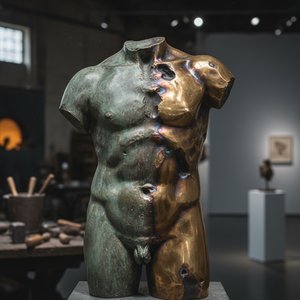
青銅彫刻の永続的遺産:歴史、技法、そして現代における解釈
青銅彫刻の歴史、技法、現代における解釈を専門家が解説。古代から現代までの貴重な作品群を深く理解し、コレクションや投資に役立つ情報を提供します。美術品鑑定、修復についてもご紹介。

The Enduring Form: Sculpture Across History, Technique & Emotional Resonance
Explore the rich history of sculpture with OriginalUniqueArt. Discover key techniques, influential artists & investment potential for discerning collectors. Expert insights into valuing and collecting timeless masterpieces.