

 設置イメージを確認
 送る
送る シェア
シェア
 詳細情報
詳細情報 ガイドを表示

 画像をダウンロード
 似ている作品
 X線調査
X線調査 スライドショー
 統計情報
統計情報Actresses
 Acrylic On Paper
- Neo-Dada
 1958
1958 21.0 x 29.0 cm
 テート・モダン
 続きを読む
続きを読む
このページに掲載されている作品は著作権法によって保護されており、当社の許可なく同一の複製物を制作または販売することは法律で禁じられています。この保護は、以下のような国際条約に基づき執行されます。 ベルヌ条約 および、以下の条項に定められたものを含む各国の法律により、 米国著作権法 第17編。
この手法は、著作権で保護された作品の複製や複写を伴わないため、著作権法に完全に準拠しています。これは単なる模倣ではなく、創造的な再解釈です。元の作品からインスピレーションを受けつつも、それとは異なる、全く新しい絵画を生み出すものです。
ジークレー/アートプリント
スピーディーな制作と多彩な仕上げオプションが魅力の、ミュージアムクオリティなジークレー・キャンバスプリント。 ( 手描きの複製画を注文する デジタル画像販売へ切り替え)




P118B ¥10

P118H ¥10

P118W ¥10

P438Z ¥10

P508JH ¥12

P508YH ¥12

P805H ¥10

P805Z ¥10

P919BZ ¥10

P919G ¥10

P919XJ ¥10

P959ZH ¥10

P968JZ ¥12

W106C ¥8

W218G ¥10

W218JH ¥8

W218Y ¥10

W307PJ ¥10

W316G ¥10

W316PJ ¥8

W316Y ¥10

W398PJ ¥8

W4111J ¥10

W500HY ¥15

W500JH ¥15

W692G ¥12

W849H ¥8

W940BG ¥15

W953PJ ¥8




作品のオリジナル比率に合わせた、当店の規定サイズからお選びください。

額縁や壁のスペースに合わせて、ご希望の幅と高さを入力してください。プリントはカットすることは可能ですが、元の画像より大きくすることはできないため、異なる比率のサイズを選択された場合は、画像の一部が欠けることになります。印刷を開始する前に、内容を確認していただくためのデジタルモックアップをお送りいたします。このページに表示されている画像は、実際のカット後の状態を示すものではありません。実際の仕上がりはモックアップにてご確認ください。


 ガラスオプションは、110cm未満のサイズでのみご利用いただけます。

Actresses
ジークレー/アートプリント
複製画サイズ一覧
-


合計金額
¥ 12596
The Weight of Performance: Joseph Beuys’s “Actresses”
Joseph Beuys's "Actresses," rendered in 1958 on a deceptively simple pale beige background, isn’t merely a sketch; it’s a distilled essence of performance, vulnerability, and the potent symbolism inherent within the human form. This preparatory drawing, a glimpse into the mind of one of the 20th century's most radical artists, immediately draws the viewer in with its loose, gestural lines – a deliberate rejection of rigid representation in favor of capturing a fleeting moment of embodied expression. The two figures, presented in profile and seemingly caught mid-movement, possess an immediate theatricality, hinting at dancers, performers, or perhaps even the silent drama of everyday life. Beuys wasn’t interested in replicating reality; he sought to translate feeling onto paper, imbuing his subjects with a palpable sense of energy and contained emotion.
Composition and Technique: A Study in Movement
The composition is strikingly asymmetrical, defying traditional notions of balance. The figures aren’t centered within the frame, instead occupying distinct points that create a dynamic imbalance—a visual representation of movement itself. Vertical lines, subtly introduced from the top edge, provide an anchor and structure to this otherwise fluid arrangement, preventing the drawing from dissolving into pure abstraction. Beuys's technique is characterized by a masterful use of hatching and cross-hatching, skillfully employed to build volume and shadow without resorting to precise shading. The loose, sketchy lines, rendered with charcoal or graphite, contribute significantly to the overall sense of spontaneity and immediacy—as if the artist were capturing a fleeting impression rather than meticulously crafting a finished image. Notice how he uses varying line weights to emphasize certain areas, drawing attention to the contours of the figures’ limbs and torsos.
Color Palette and Symbolism: Earthy Echoes
The muted color palette—dominated by earthy browns, ochres, and subtle touches of purple—reinforces the drawing's emotional depth. The beige background acts as a neutral canvas, allowing the figures to command attention without distraction. The small area of mauve on one figure introduces an element of mystery or perhaps even melancholy, hinting at hidden emotions beneath the surface. Beyond mere color choices, Beuys’s use of earth tones speaks to a deep connection with nature and the primal roots of human experience. Considering his later work focused heavily on social sculpture and the integration of art into everyday life, this grounding in natural materials and forms is profoundly significant. The elongated figures themselves can be interpreted as symbols of theatricality—a deliberate exaggeration that highlights the performative aspect of existence.
Historical Context and Artistic Influence
“Actresses” was created during a period of immense social and political upheaval in post-war Germany, a time when artists were grappling with questions of identity, purpose, and the role of art in society. Beuys’s work reflects this broader context, aligning with the burgeoning Expressionist movement and foreshadowing the rise of Fluxus and other avant-garde artistic practices. The drawing's emphasis on gesture and emotion anticipates the performance art that would become increasingly prominent in the latter half of the 20th century. Furthermore, it shares affinities with Surrealism, particularly in its exploration of the subconscious and its use of symbolic imagery. It’s worth noting that Beuys himself was deeply influenced by Carl Linnaeus's *Systema Naturae*, a book he rescued from a Nazi book burning—an event that profoundly shaped his artistic philosophy and his belief in art as a tool for social transformation. The drawing, therefore, can be seen as a meditation on the fragility of existence and the enduring power of human connection.
This preparatory sketch offers a rare glimpse into the creative process of one of the 20th century’s most visionary artists. “Actresses” is more than just a drawing; it's a testament to Beuys’s profound understanding of the human condition and his unwavering commitment to exploring the transformative potential of art.
よくあるご質問
ヨーゼフ・ボイス作「Actresses」 のプリントを購入するにはどうすればよいですか?
「Actresses」はコットンキャンバスまたはアーカイブ品質のキャンバスペーパーに施されたファインアートプリントとしてご購入いただけます。ご注文はファインアートプリントページにて、お好みのサイズでお選びいただけます。
「Actresses」において、コントラストと調和はどのように組み合わさっているのでしょうか?
「Actresses」では、Sereneな対比とUnified Paletteな調和が共存しています。
ヨーゼフ・ボイス作「Actresses」の色味の強さはどの程度ですか?
「Actresses」の彩度はVividです。彩度とは、色の鮮やかさの度合いを表します。
アーティストについて
社会の中に刻まれた生涯
芸術の境界を拡張した象徴的な名として知られるヨーゼフ・ボイスは、単なる芸術家という枠を超えた存在でした。彼は、創造性こそが社会変革の鍵を握っていると信じた先見の明を持つ思想家でもあったのです。1921年、ドイツのクレフェルトに生まれた彼の人生は、激動する政治的・社会的混乱の渦中で展開され、それが彼の芸術哲学を深く形作ることとなりました。度重なる転居、自然科学への傾倒、そしてナチズムという忍び寄る暗雲――書物焼却からカール・フォン・リンネの『植物誌(Systema Natura Mutae)』を救い出した出来事は、彼の記憶に深く刻まれています。こうした経験を通じて、ボイスは存在の脆さと、象徴的な行為が持つ力に対する鋭敏な感受性を養っていきました。音楽、神話、歴史といった広範な知的好奇心に満ちた幼少期は、後の多角的なアプローチの礎となりました。思春期には、当時のドイツの若者にとって一般的であったヒトラーユーゲントに短期間関わることもありましたが、彼の歩む道は最終的に、既成の規範に挑み、芸術を通じて急進的な社会変革を提唱することへと繋がっていくのです。戦争という試練とイコノグラフィーの誕生
第二次世界大戦は、ボイスの人生における決定的な、あるいは神話的とも言える転換点となりました。1941年に空軍へ志願した彼は、1944年にクリミアでの墜落事故により死の淵を彷徨います。この出来事から生まれた物語――負傷した彼の体を、温もりを保ち治癒を助けるためにタタール人の部族がフェルトと脂肪で包み込んだという伝説――は、彼の芸術的アイデンティティの中核となりました。歴史的な事実関係については議論の余地があるものの、ボイスはこの物語を根源的な神話として受け入れ、これらの素材に深い象徴的な重みを与えました。フェルトは保護、断熱、そして自然との繋がりを象徴し、脂肪はエネルギー、治癒、そして変容を象徴しています。これらは彼の作品において繰り返されるモチーフとなり、人間の条件と再生の可能性を示す力強いメタファーとなりました。戦後、ボイスはデュッセルドルフ芸術アカデミーで彫刻を正式に学びましたが、彼の芸術的ヴィジョンに真に火を灯したのは、ルドルフ・シュタイナーが提唱した精神哲学であるアントロポゾフィー(人智学)との出会いでした。パフォーマンス、素材、そして政治的関与
ボイスの芸術実践は驚くほど多岐にわたり、パフォーマンス・アート、インスタレーション、ドローイング、彫刻、そして政治活動を網羅していました。彼のパフォーマンスはしばしば儀式的であり、大衆との直接的な対話や、型破りな素材の使用を伴いました。多くのアクションにおいて彼自身が身に纏った象徴的なフェルトのスーツは、温もり、保護、そして原始的な自然との繋がりを象徴していました。脂肪を用いたインスタレーションは、エネルギーや変容というテーマを探求し、一方で「学びたい(I Like to Learn)」(1965年)のようなパフォーマンスでは、ギャラリーの窓辺に石と蜂蜜と共に座り、対話を促すことで、知識の共有とオープンなコミュニケーションの重要性を強調しました。また、「鹿の眩い光の中の稲妻(Lightning with Stag in Its Glare)」といった彫刻作品は、原始的な力と人間の意識を表現しています。芸術創造の枠を超え、ボイスは政治的議論にも積極的に参加しました。ドクメンタ7において芸術的実験と社会的対話のための空間である「自由国際ゾーン(FIZ)」を設立し、ドイツ緑の党の熱烈な支持者となったことも、彼の活動の重要な一部です。不朽の遺産
1986年に世を去ったヨーゼフ・ボイスは、今日に至るまで芸術家、活動家、そして思想家たちにインスピレーションを与え続ける遺産を残しました。彼は創造性や作者性に関する従来の概念に根本的な疑義を投げかけ、参加と社会的関与の重要性を説きました。彼の作品は、芸術の定義を美学的な関心事から、政治的、環境的、そして精神的な次元へと拡張させたのです。彼の「社会彫刻」という概念は、今なお深い意義を持ち続けています。それは、私たち自身の内にある創造的な可能性を認識し、より公正で持続可能な未来を形作るために、主体的に参加することを促しているのです。ボイスは単なる芸術家ではありませんでした。彼は、芸術には社会を映し出すだけでなく、社会を変容させる力があることを私たちに思い出させてくれる、可能性の預言者だったのです。
ヨーゼフ・ボイス
1921 - 1986 , ドイツ
アーティスト情報
- Artistic Movement Or Style: フルクサス、パフォーマンス・アート
- Artists Or Movements Influenced By This Artist:
- パフォーマンス・アート
- 社会彫刻
- Artists Who Influenced This Artist:
- ルドルフ・シュタイナー
- アキレス・モートガット
- Date Of Birth: 1921年
- Date Of Death: 1986年
- Full Name: ヨーゼフ・ボイス
- Nationality: ドイツ
- Notable Artworks:
- ヨーゼフ・ボイスとのセミナー
- …についての真実の物語
- 学ぶことが好きだ
- 鹿と稲妻
- フェルトのスーツ
- 脂肪のインスタレーション
- Place Of Birth: ドイツ、クレーフェルト
関連記事
Mastering Graphite Pencil: The Art of Precision, Shadow, and the Alchemy of Carbon
Explore the profound mastery of graphite pencil art. From the historical alchemy of carbon to advanced chiaroscuro techniques, learn to navigate grades and shadows like a master. Discover the precision and depth that define the world's most iconic drawings.
The Power of Graphite: Mastering Depth, Texture, and Detail in the Art of Pencil Drawing
Explore the profound artistry of graphite drawing. Discover professional techniques for mastering depth, texture, and detail through a lens of art history, from classical sketches to modern masterpieces. Elevate your understanding of the pencil medium with our expert guide.
The Eloquent Line: Exploring the Artistic Significance of Sketches Across Movements and Media
Explore the profound artistic significance of sketches throughout history. From Renaissance masters to modern innovators like Van Gogh & Guston, discover how these foundational works reveal technique, emotion, and vision. Learn more at OriginalUniqueArt.
The Alchemy of Carbon: Mastering Depth, Texture, and Precision in the Art of Graphite Drawing
Discover the sophisticated mastery of graphite drawing. Explore expert techniques for achieving profound depth, intricate texture, and hyper-realistic detail through the alchemy of carbon, curated for the discerning art enthusiast and professional collector.
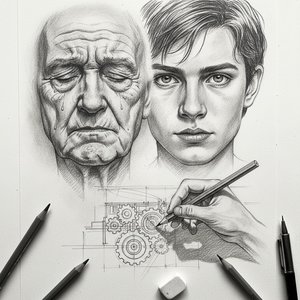
The Nuances of Graphite: Exploring Emotional Depth & Technical Mastery in Pencil Drawing
Explore the captivating world of graphite drawing! Discover its rich history, master essential techniques like chiaroscuro, and learn how artists evoke emotion through this timeless medium. Expert insights for art enthusiasts.