
 プレビュー
プレビュー
 プリントを購入
 シェアする
シェアする シェアする
シェアする
 詳細を見る
詳細を見る

 ダウンロード
 似ている作品
 X線調査
X線調査 スライドショー
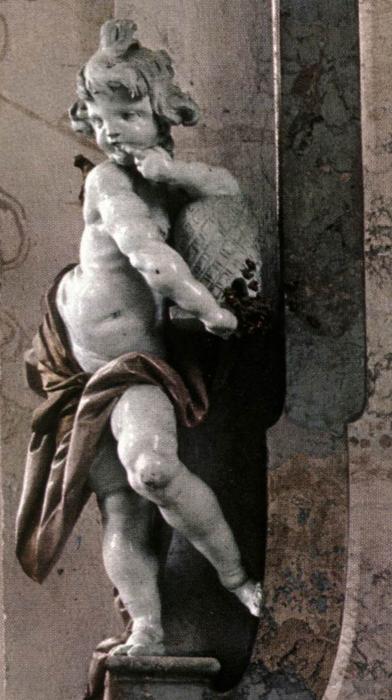
Angel


 詳細を見る
詳細を見る




































作品のオリジナル比率に合わせた、当店の規定サイズからお選びください。

特定のフレームやスペースに合わせて、ご希望のサイズをご入力いただけます。選択されたサイズが元の画像の比率と異なる場合、アートワークをトリミングするか、手描きで要素を追加して絵画を拡張いたします。デジタルモックアップ を制作し、制作開始前にご確認(承認)をいただきます。
画面上のプレビューは、実際のトリミングや拡張を正確に反映しているものではありません。最終的な構図は、モックアップによってのみ正確にご確認いただけます。
カスタムサイズもご利用いただけますが、元の比率を維持するためには、あらかじめ用意されたリストからサイズを選択することをお勧めいたします。
ご注文後、OriginalUniqueArt.com チームより詳細な指示をお送りするとともに、仕上がりイメージ(モックアップ)をご提供いたします。


 ガラスオプションは、110cm未満のサイズでのみご利用いただけます。

Angel
複製技法
複製画のサイズ
-


合計金額
$ 300
アーティストの略歴
Joseph Anton Feuchtmayr: Sculptor of Rococo Grace
Joseph Anton Feuchtmayr (1696 – 1770) stands as a pivotal figure in the Wessobrunner School of sculpture and stucco art, shaping the aesthetic landscape of southern Germany and Switzerland during the High Baroque and early Rococo periods. Born into a distinguished artistic lineage—descendants of Johann Michael Feuchtmayer (the Elder)—he inherited not only talent but also an unwavering dedication to mastering the craft of transforming stone into breathtakingly luminous forms. His legacy resides in his masterful execution of monumental sculptures and intricate stucco decorations, particularly within monastic churches, where he achieved unparalleled renown.Early Life and Artistic Training
Feuchtmayr’s formative years were spent in Linz, Austria, where he received a rigorous artistic education under the tutelage of his father, Franz Joseph Feuchtmayer—a sculptor himself—and other prominent artists of the Wessobrunner School. This environment instilled within him a profound understanding of Baroque sculptural principles and techniques, emphasizing dynamism, emotional expression, and anatomical accuracy. Notably influenced by Diego Francesco Carlone, an Italian stuccoist who traveled extensively throughout Europe, Feuchtmayr honed his skills in achieving surfaces that possessed remarkable reflectivity—a characteristic that would become synonymous with his distinctive style.Notable Commissions and Artistic Style
Feuchtmayr’s career blossomed during the Baroque era, marked by ambitious ecclesiastical projects along the Upper Swabian Baroque Route. He swiftly gained recognition for his work on churches like Birnau Monastery, where he created “The Honey Eater,” a captivating depiction of St. Bernard delivering a sermon—a sculpture celebrated for its expressive gesture and masterful polishing technique. His collaborations with Johann Joseph Christian and Franz Xaver Feuchtmayer (the Elder) solidified his position as one of the foremost sculptors of his time, contributing significantly to the artistic grandeur of the region. Feuchtmayr’s sculptures are characterized by a harmonious blend of classical ideals and Baroque fervor, reflecting an astute assimilation of Italian influences while maintaining a distinctly German sensibility. The surfaces he achieved were exceptionally polished, creating an ethereal glow that captivated viewers and elevated his works to levels of sublime beauty.The Salem Monastery Legacy
Perhaps Feuchtmayr’s most enduring achievement is the monumental altar sculpture for Birnau Monastery—specifically, “The Honey Eater,” a poignant portrayal of St. Bernard delivering a sermon. This masterpiece exemplifies Feuchtmayr's signature style: dynamic composition, meticulous anatomical detail, and an astonishing level of surface polish that renders the figure bathed in radiant light. The sculpture’s enduring popularity testifies to its artistic merit and its ability to convey profound spiritual emotion—a testament to Feuchtmayr’s skill as a sculptor and his contribution to the visual culture of his era.A Continuing Influence
Today, Feuchtmayr's house and workshop in Mimmenhausen serve as a museum dedicated to preserving his artistic legacy. Visitors can explore reproductions of his sculptures and gain insight into his creative process—a tangible connection to a remarkable artist who shaped the aesthetic sensibilities of his time. His influence continues to resonate within contemporary sculpture, reminding us of the enduring power of craftsmanship and the pursuit of beauty through meticulous observation and skillful execution.
Joseph Anton Feuchtmayr
1696 - 1770 , Austria
基本情報
- Artistic Movement Or Style: Rococo
- Artists Or Movements Influenced By This Artist: ['Upper Swabian Baroque Route']
- Artists Who Influenced This Artist: ['Diego Francesco Carlone']
- Date Of Birth: Linz, Austria (1696)
- Date Of Death: 1770
- Full Name: Joseph Anton Feuchtmayr
- Nationality: Austrian
- Notable Artworks:
- St. Joachim
- Pietà
- Place Of Birth: Linz
関連記事

Bronze Sculptures That Defined Art History | OriginalUniqueArt
Journey through art history with our Top 10 bronze sculptures! Explore masterpieces by Rodin, Michelangelo & more. Discover stories behind iconic statues and find museum-quality reproductions for your home decor at OriginalUniqueArt.com.

The Enduring Form: Exploring Themes & Techniques in Sculpture Across Historical Periods
Explore the rich history of sculpture from ancient masterpieces to contemporary innovations. Discover key techniques, influential artists & investment potential for discerning art collectors.
The Enduring Form: Sculpture Across History, Technique & Emotional Resonance
Explore the rich history of sculpture with OriginalUniqueArt. Discover key techniques, influential artists & investment potential for discerning collectors. Expert insights into valuing and collecting timeless masterpieces.

Bronze Age to Modern Masters: 10 Sculptures That Redefined Art | OriginalUniqueArt
Journey through art history with 10 legendary bronze sculptures – from Michelangelo's David to Rodin’s Thinker. Explore the stories, techniques & timeless beauty of these masterpieces. Find museum-quality reproductions & elevate your home decor on OriginalUniqueArt.com.

Theatricality & Triumph: Baroque Drama in Painting & Sculpture
Explore the dramatic world of Baroque art! Discover its history, defining characteristics, & lasting influence on painting & sculpture. Expert insights into Caravaggio, Zurbarán, and Bernini – plus high-quality reproductions at OriginalUniqueArt.

