- ホーム

- デジタル画像一覧
- josef von brandt
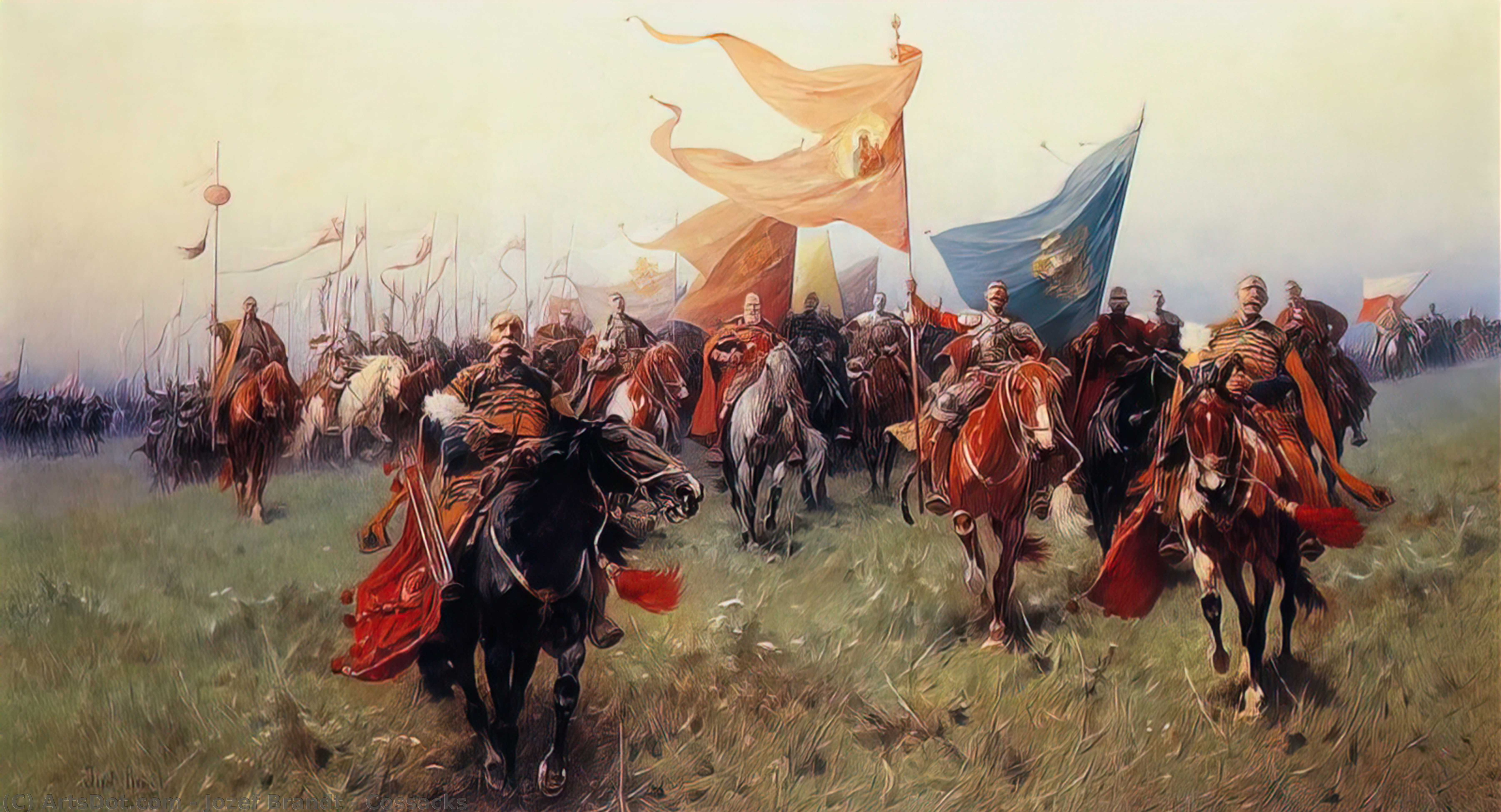
- Cossacks
 プレビュー
プレビュー
 シェアする
シェアする シェアする
シェアする
 詳細を見る
詳細を見る

 ダウンロード
 似ている作品
 X線調査
X線調査 スライドショー
Cossacks
 詳細を見る
詳細を見る
オンラインプレビューをはるかに凌ぐ、高解像度で鮮明なデジタル画像をご購入いただけます。
各ファイルは、社内の専門家が高度なツールと熟練した手作業によるレタッチを用いて、細心の注意を払って準備されています。すべての画像において、卓越した鮮明度、正確な色彩再現性、そして繊細なディテールを保証いたします。
最終ファイルは、プロフェッショナルな編集・印刷環境ですぐにご利用いただけるよう最適化された状態で、72時間以内にメールにてお届けいたします。これは、一流のデザインスタジオ、出版社、ギャラリーから信頼されているものと同等の品質です。
デジタルアート
個人での鑑賞、印刷、クリエイティブなプロジェクト用に、高解像度ファイルをダウンロードできます。 ( プリント版に切り替え 手描き画への切り替え)
デジタル画像のご注文に付随する特典
高品質なデジタル画像配信を、確かな品質で。
OriginalUniqueArt.com を選ぶことは、単に画像を手に入れることではありません。それは、プロの手によって精密に仕上げられ、満足保証が付いた高品質なデジタルアートワークを受け取ることを意味します。ご注文いただいた際に自動的に付随する内容は、以下の通りです:

メールですぐにお届け
ご注文から72時間以内に、高解像度のデジタル画像ファイルがメールでお手元に届きます。すぐにそのままご利用いただけます。

AI技術で最適化されたデジタルファイル
お客様の作品は、高度なAIツールと専門家による手作業の編集を組み合わせてプロフェッショナルに最適化されており、細部のディテール、鮮明さ、そして正確な色再現性を最大限に引き出しています。

一生涯無料の再送サービス
ファイルを誤って削除したり、紛失してしまったりしましたか?ご安心ください。いつでも無料で再送いたします。

輸入手数料は一切かかりません
関税や手数料、配送料を気にすることなく、お気に入りのアートワークをすぐにお楽しみいただけます。デジタルダウンロードは常に免税です。

色彩再現の保証
プロ仕様のツールとカラーマネジメント技術を用いることで、デジタル画像が元の色を最大限に忠実に再現することを保証いたします。

60日間満足保証
ご購入いただいたデジタル画像にご満足いただけない場合は、60日以内であれば、修正または100%の返金(理由を問う必要はありません)をさせていただきます。

100% 返金保証
ご満足いただけない場合は、デジタルファイルを受け取ってから60日以内であれば、理由を問わず全額返金いたします。

まとめ買い割引
3枚購入で10%OFF - 5枚購入で15%OFF - 10枚以上購入で20%OFF。クリエイティブなプロジェクト、ギャラリー、エージェンシーに最適です。
作家の略歴
A Life Immersed in Polish Valor: The World of Józef von Brandt
Józef von Brandt, born in the small Polish town of Szczebrzeszyn in 1841 and passing away in Radom in 1915, was more than just a painter; he was a chronicler of a nation’s spirit. His canvases breathe with the drama of 17th-century battles, the vibrant energy of Cossack life, and an unwavering dedication to Polish history and cultural identity. Brandt's artistic journey began not in the studio but in the classrooms of Warsaw’s school of J.N. Leszczynski and the Noblemen's Institute, a path seemingly destined for engineering when he moved to Paris in 1858 to study at the Ecole centrale. However, fate – or perhaps a keen eye for talent – intervened in the form of Juliusz Kossak, who recognized Brandt’s true calling and steered him away from blueprints towards brushes and pigments. This pivotal moment redirected his life toward an artistic pursuit that would immortalize Poland's past.From Munich to Mastery: The Shaping of a Historical Painter
The move to Munich in 1863 proved transformative. Under the tutelage of Franz Adam and Karl Piloty at the Academy of Fine Arts, Brandt honed his skills, absorbing techniques that would become hallmarks of his style. He wasn’t merely learning to paint; he was learning to narrate history visually. The influence of Theodor Horschelt, a specialist in battle scenes who had accompanied the Russian army, further refined his understanding of military life and composition. By 1867, Brandt established his own studio, becoming a central figure within the thriving Polish artistic community in Munich – a haven for artists displaced by political turmoil. He quickly became a mentor to many aspiring Polish painters, fostering a sense of national pride through art. His early works, while conventional, laid the foundation for the dramatic and emotionally charged scenes that would define his career.The Essence of 17th-Century Poland: Themes and Techniques
Brandt’s paintings are not simply depictions of battles; they are immersive experiences. He focused intently on the military life of the 17th century, a period steeped in Polish glory and conflict. However, he didn't limit himself to warfare. Scenes of Polish peasant life also found their way onto his canvases, offering glimpses into the everyday existence that underpinned the nation’s heroic narratives. His most celebrated works center around the *hussars*, those iconic winged cavalrymen, and the fierce Cossack warriors, rendered with meticulous detail in their elaborate uniforms and dynamic poses. Brandt possessed an exceptional ability to capture movement and energy, bringing a sense of immediacy to his large-scale compositions. He masterfully combined realism with symbolic depth, using color, light, and shadow to evoke emotion and convey historical significance. While adhering to academic standards through studio work, he also undertook field studies in Poland and Ukraine, ensuring the authenticity of his landscapes and figures.Notable Works and Lasting Legacy
Several paintings stand as testaments to Brandt’s artistic prowess. “Battle of Vienna” is a sweeping panorama of conflict, capturing the intensity and chaos of this pivotal historical moment. "Jan Karol Chodkiewicz during the Battle of Khotyn" exemplifies his skill in portraying individual heroism within a larger military context. And “Polish Hussar,” perhaps his most iconic work, embodies the spirit of Polish valor and national pride. These paintings, along with others like “Zaporozhian Camp” and "Call to Arms", are not merely historical records; they are powerful statements about identity, courage, and resilience. Today, Brandt’s works grace the walls of prestigious institutions such as the National Museum in Warsaw and the Museum Pomorskie in Danzig (Gdansk), serving as enduring reminders of Poland's rich cultural heritage. His legacy extends beyond museums, with reproductions available through platforms like OriginalUniqueArt.com and OriginalUniqueArt.com, allowing a wider audience to experience the grandeur and emotional depth of his masterpieces. He remains a pivotal figure in Polish art history, celebrated for his ability to transform historical events into captivating visual narratives that continue to resonate with audiences today.
josef von brandt
1841 - 1915

