

 設置イメージを確認
 送る
送る シェア
シェア
 詳細情報
詳細情報 ガイドを表示

 画像をダウンロード
 似ている作品
 X線調査
X線調査 スライドショー
 統計情報
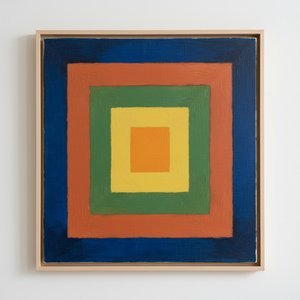
統計情報Multiplex D
 Acrylic On Canvas
- WallArt
- Geometric Abstraction
 1948
1948 22.0 x 30.0 cm
 デ・ヤング美術館
 続きを読む
続きを読む
このページに掲載されている作品は著作権法によって保護されており、当社の許可なく同一の複製物を制作または販売することは法律で禁じられています。この保護は、以下のような国際条約に基づき執行されます。 ベルヌ条約 および、以下の条項に定められたものを含む各国の法律により、 米国著作権法 第17編。
この手法は、著作権で保護された作品の複製や複写を伴わないため、著作権法に完全に準拠しています。これは単なる模倣ではなく、創造的な再解釈です。元の作品からインスピレーションを受けつつも、それとは異なる、全く新しい絵画を生み出すものです。
ジークレー/アートプリント
スピーディーな制作と多彩な仕上げオプションが魅力の、ミュージアムクオリティなジークレー・キャンバスプリント。 ( 手描きの複製画を注文する デジタル画像販売へ切り替え)




P118B ¥10

P118H ¥10

P118W ¥10

P438Z ¥10

P508JH ¥12

P508YH ¥12

P805H ¥10

P805Z ¥10

P919BZ ¥10

P919G ¥10

P919XJ ¥10

P959ZH ¥10

P968JZ ¥12

W106C ¥8

W218G ¥10

W218JH ¥8

W218Y ¥10

W307PJ ¥10

W316G ¥10

W316PJ ¥8

W316Y ¥10

W398PJ ¥8

W4111J ¥10

W500HY ¥15

W500JH ¥15

W692G ¥12

W849H ¥8

W940BG ¥15

W953PJ ¥8




作品のオリジナル比率に合わせた、当店の規定サイズからお選びください。

額縁や壁のスペースに合わせて、ご希望の幅と高さを入力してください。プリントはカットすることは可能ですが、元の画像より大きくすることはできないため、異なる比率のサイズを選択された場合は、画像の一部が欠けることになります。印刷を開始する前に、内容を確認していただくためのデジタルモックアップをお送りいたします。このページに表示されている画像は、実際のカット後の状態を示すものではありません。実際の仕上がりはモックアップにてご確認ください。


 ガラスオプションは、110cm未満のサイズでのみご利用いただけます。

Multiplex D
ジークレー/アートプリント
複製画サイズ一覧
-


合計金額
¥ 12650
Josef Albers’s Geometric Exploration of Color and Perception
Josef Albers's "Multiplex D," created in 1948, stands as a cornerstone of American Abstract Expressionism while simultaneously embodying the principles of Bauhaus design—a testament to his multifaceted artistic vision. This deceptively simple woodcut print showcases nine squares meticulously arranged on a rectangular canvas, each square subtly offset from its neighbors, creating an illusion of depth and movement that transcends mere visual representation. Albers’s masterful manipulation of tonal variations within the squares contributes significantly to this perceptual experience, prompting viewers to contemplate how color interacts with form and how individual perception shapes our understanding of reality.- Artist: Josef Albers (American (born Germany), Bottrop 1888–1976 New Haven, Connecticut)
- Medium: Woodcut on Paper
- Dimensions: Sheet: 9 × 12 1/16 in
- Date: 1948
The Bauhaus Influence and Geometric Precision
Albers’s formative years were deeply rooted in the Bauhaus school of art and design, where he absorbed the revolutionary ideas championed by Walter Gropius regarding functionalism and the unification of art and craft. This influence is palpable in “Multiplex D,” which rejects representational imagery in favor of geometric abstraction—a deliberate choice to prioritize form over content and to explore the fundamental properties of visual perception. The repetition of squares, a motif prevalent throughout Bauhaus aesthetics, underscores the school’s belief that simplified shapes could convey complex ideas effectively.Color Theory and Illusionistic Depth
“Multiplex D” exemplifies Albers's pioneering contributions to color theory—specifically his concept of simultaneous contrast. He understood that adjacent squares emit hues that appear differently depending on the surrounding colors, generating a dynamic interplay between perception and reality. This technique isn’t merely decorative; it serves as a conduit for investigating how our eyes perceive color and how these perceptions are influenced by context. The subtle gradations of tone within each square amplify this illusionistic depth, inviting contemplation about the nature of visual experience.Symbolism Beyond Surface Appearance
While seemingly devoid of narrative content, “Multiplex D” possesses a profound symbolic resonance. The squares themselves can be interpreted as representing stability and order—characteristics aligned with Bauhaus ideals—yet their overlapping positions suggest interconnectedness and the complexities inherent in human experience. Albers’s deliberate use of monochrome reinforces this notion, stripping away extraneous details to focus on the essential relationship between color and form. It encourages viewers to consider how visual elements communicate ideas beyond literal depiction.A Legacy of Influence
“Multiplex D” solidified Josef Albers's reputation as a visionary artist who reshaped the landscape of modern art. His meticulous attention to detail, coupled with his groundbreaking exploration of color perception, continues to inspire artists and designers globally. The print’s enduring appeal lies in its ability to provoke intellectual curiosity while simultaneously conveying an understated elegance—a reflection of Albers's unwavering commitment to artistic integrity and his profound understanding of the transformative power of visual art. Its inclusion in museums like The Metropolitan Museum of Art demonstrates its significance as a pivotal piece within American art history.よくあるご質問
「Multiplex D」は、ヨーゼフ・アルベルスの通常の作風を代表するものと言えるでしょうか?
ヨーゼフ・アルベルスの作品に繰り返し現れるテーマにはcolor exploration, geometric abstraction, bauhaus legacy, minimalist aesthetic, formal experimentationが含まれますが、「Multiplex D」ではsquares, color theory, geometric forms, composition, minimalism, printmaking, bauhausに焦点を当てています。
ヨーゼフ・アルベルス作「Multiplex D」は、どの芸術運動に属していますか?
「Multiplex D」は、Geometric Abstractionの作品です。この様式は、その作品が属する芸術的伝統を示しています。
「Multiplex D」に似た作品はありますか?
ヨーゼフ・アルベルス作「Multiplex D」に似た作品は、作品の似ている作品ページにまとめられています。
アーティストについて
素材と共に築かれた生涯:初期の歩みとバウハウスの形成
ヨーゼフ・アルバースの芸術的な旅路は、名声あるアカデミーの洗練された空気の中ではなく、ドイツのボトロップにある父の請負業という、極めて実利的な世界から始まりました。1888年に生まれた若き日のアルバースは、大工仕事、配管、塗装といった素材に対する深い敬意をその身に吸収していきました。これらの技術は、後に彼の美意識を根本的に形作ることになります。それは単なる職業訓練ではありませんでした。形がいかにして具現化されるのか、そしてそれぞれの媒体が持つ固有の性質とは何かを理解するという、ものづくりの本質への没入だったのです。芸術に身を捧げる前、アルバースは5年間の教師生活を送り、忍耐強さと教育的スキルを磨きました。これらの資質は、後に彼が築き上げるほど影響力のある教育者としてのキャリアを決定づけることになります。1913年から1915年にかけてベルリンの王立美術学校で受けた正式な芸術教育において、彼は版画、絵画、そして極めて重要なステンドグラスの技法を探求しました。初期の依頼作品である「Rosa Mystica Ora Pro Nobis」(1918年)の美しいステンドグラスは、光と色の相互作用に対する彼の生涯にわたる情熱を予兆させ、後に続く抽象的な探求への手がかりとなりました。この初期の作品は単なる装飾品ではなく、光がいかにして素材を「変容」させるかという探求であり、そのテーマは彼のキャリアを通じて響き続けることになります。バウハウスという試練:主題としての色彩
転機が訪れたのは1922年、アルバースがすべての芸術分野の統合を目指した革命的な学校、バウハウスの教員に加わった時でした。当初は予備課程である「Werklehre(工房実習)」の指導を任された彼は、機能主義、幾何学的抽象、そして素材の探求という、バウハウスの核心的な原則に没頭しました。この時期は、彼にとって変革をもたらすものでした。アルバースは色彩知覚への体系的な調査を開始し、具象的な芸術から、より抽象的な語彙へと移行していったのです。彼は単に「どのような色が存在するか」に関心があったのではなく、「色がどのように相互作用し、互いにどのような影響を与え、私たちの目がそれをどのように捉えるか」を追求しました。初期の作品にはパウル・クレーやヴァシリ・カンディンスキーといったバウエアの巨匠たちの影響が見て取れますが、アルバースは形而上学的な解釈よりも経験的な観察を優先するという、独自の道を切り拓きました。彼は色彩を通じて精神的な真理を追い求めたのではなく、その物理的な効果を緻密に記録しようとしたのです。この科学的な厳格さは、彼の芸術的手法の代名詞となりました。「何が見えているか」ではなく「いかに見るか」という知覚への集中が、彼を際立たせ、未来の探求への礎を築いたのです。正方形へのオマージュ:知覚の実験室
ロバート・ラウシェンバーグやサイ・トゥオンブリーといったアメリカの芸術家世代を育成したブラック・マウンテン・カレッジでの指導期間を経て、アルバースは1949年、彼の最も象徴的なシリーズとなる「正方形へのオマージュ」に着手しました。この継続的なプロジェクトは、入れ子状になった正方形を描いた一連の絵画で構成され、各反復において色彩の関係性の微妙な変化を探求するものでした。その前提は一見すると非常に単純ですが、そこには驚くほど複雑で厳格な調査が隠されています。このシリーズは幾何学を称えるためのものではなく、むしろ色彩知覚を研究するための実験室でした。アルバースは自身の実験を細かく記録し、色は静止した存在ではなく、互いに内的な論理によって支配し合う動的な力であり、しばしば目に錯覚を引き起こすものであることを明らかにしました。一見明るい正方形が後退して見え、逆に暗い正方形が前進して見えるといった現象は、直感的な理解を裏切るものです。この研究は、1963年の記念碑的な著書『色彩の相互作用』へと結実し、今日でもアーティストやデザイナーに学ばれる基礎的なテキストとなりました。この本は色彩理論の論文ではなく、私たちの色彩知覚がいかに相対的で文脈に依存するかを示すための一連の演習です。それは、「見る」という行為は受動的なものではなく、能動的な解釈のプロセスであるというアルバースの信念の証なのです。遺産と永続する影響力
ヨーゼフ・アルバースの影響は、彼の絵画を遥かに超えて広がっています。1950年から1958年の退職まで、イェール大学のデザイン学部長を務めたことは、深く影響力のある教育者としての彼の名声を確固たるものにしました。彼は実践的な実験、批判的な観察、そして既成概念に対する絶え間ない疑い、これらを強調しました。学生たちは単に「何を描くか」を教わったのではなく、「いかに見るか」――分析し、解体し、視覚体験を支配する根本的な原理を理解する方法――を教え込まれたのです。彼の教育的アプローチは独立した思考を育み、学生たちが独自の芸術的な声を確立することを促しました。色彩の相互作用は今なお美術教育の礎であり続け、世代を超えて色彩の関係性の理解に影響を与えています。アルバースは現在、抽象芸術、特に幾何学的抽象とミニマリズム美学の発展における重要人物として認められています。「正方形へのオマージュ」シリーズは、知覚現象の探求において象徴的な存在であり続けており、一見単純な形態の中にも、発見を待つ無限の複雑さが存在することを示しています。彼は1976年3月25日、コネチカット州ニューヘイブンでその生涯を閉じましたが、観察、実験、そして色彩が持つ永遠の神秘の力を示す遺産は、今もなおアーティスト、デザイナー、教育者たちにインスピレーションを与え、挑戦を続けています。主な作品
- Gray Instrumentation I Prospectus (1975): 幾何学的な均衡と微妙な色調の変化を体現した、ミニマリズム的なモノクローム絵画。
- Study for Homage to the Square – Beaming (制作年不明): 入れ子状の正方形における色彩の相互作用を探求した古典的な例であり、静寂と空間的な奥行きを感じさせる作品。
- Rosa Mystica Ora Pro Nobis (1918): 初期のステンドグラス依頼作品。光と色彩に対する彼の生涯にわたる情熱を予兆させている。

ヨーゼフ・アルベルス
1888 - 1976 , ドイツ
アーティスト情報
- Artistic Movement Or Style: 幾何学的抽象
- Artists Or Movements Influenced By This Artist:
- ミニマリズム
- カラーフィールド・ペインティング
- Artists Who Influenced This Artist:
- パウル・クレー
- ヴァシリー・カンディンスキー
- Date Of Birth: 1888年3月19日
- Date Of Death: 1976年3月25日
- Full Name: ヨーゼフ・アルベルス
- Nationality: ドイツ系アメリカ人
- Notable Artworks:
- 正方形へのオマージュ
- Gray Instrumentation I Prospectus
- Rosa Mystica Ora Pro Nobis
- Place Of Birth: ドイツ、ボトロップ
関連記事
Josef Albers: A Homage to Color Interaction & the Foundations of Visual Perception
Explore Josef Albers's groundbreaking color theory & the 'Homage to the Square' series. Discover how his work revolutionized visual perception and influenced modern art movements like Minimalism & Op Art. Learn about his Bauhaus roots & lasting legacy.

Beyond Form & Color: Geometric Abstraction's Enduring Legacy in Art History
Explore the captivating world of geometric abstraction! Discover its origins, key artists like Malevich & Mondrian, and why this movement remains highly valued by art collectors today. Expert insights at OriginalUniqueArt.

Beyond Form & Color: Geometric Abstraction's Evolution in 20th/21st Century Art
Explore the evolution of geometric abstraction from Cubism to contemporary art. Discover key artists like Malevich & Mondrian, investment insights, and expert collecting advice at OriginalUniqueArt.

The Enduring Appeal of Geometric Patterns in Art: A Historical & Contemporary Exploration
Explore the captivating history of geometric abstraction in art, from ancient roots to contemporary masters. Expert insights for collectors & enthusiasts. Discover key artists, movements & investment potential.

幾何学的抽象絵画を定義した傑作10選|アート、アーティスト、インテリア装飾
モンドリアン、マレーヴィチ…幾何学的抽象絵画を代表する傑作10選。各作品の背景や色彩構成、アーティストの情熱に迫ります。美術館品質の複製画はOriginalUniqueArt.comで。オンラインでアートコレクションをご覧ください。