
 プレビュー
プレビュー
 プリントを購入
 シェアする
シェアする シェアする
シェアする
 詳細を見る
詳細を見る

 ダウンロード
 似ている作品
 X線調査
X線調査 スライドショー
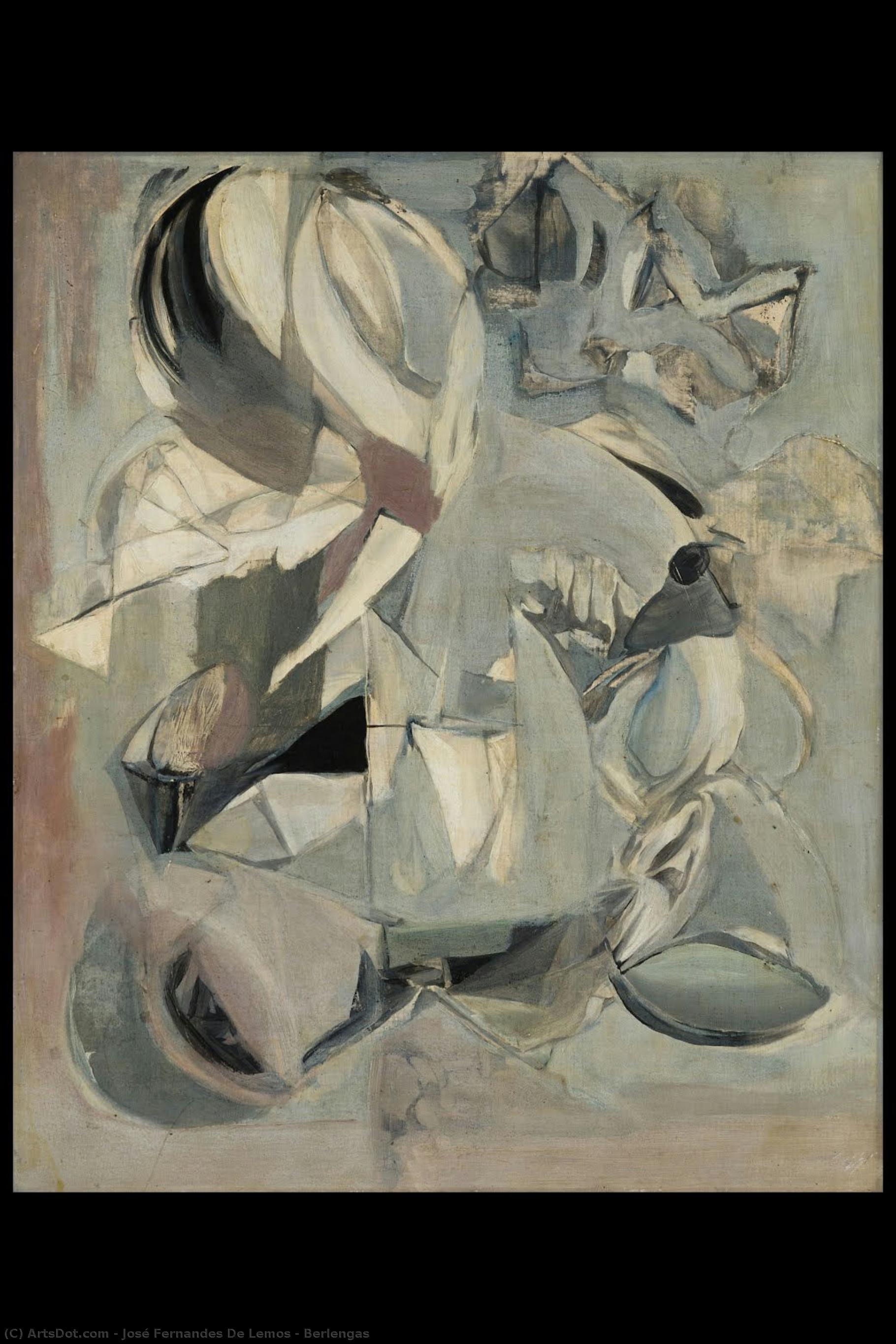
Berlengas


 詳細を見る
詳細を見る




































作品のオリジナル比率に合わせた、当店の規定サイズからお選びください。

特定のフレームやスペースに合わせて、ご希望のサイズをご入力いただけます。選択されたサイズが元の画像の比率と異なる場合、アートワークをトリミングするか、手描きで要素を追加して絵画を拡張いたします。デジタルモックアップ を制作し、制作開始前にご確認(承認)をいただきます。
画面上のプレビューは、実際のトリミングや拡張を正確に反映しているものではありません。最終的な構図は、モックアップによってのみ正確にご確認いただけます。
カスタムサイズもご利用いただけますが、元の比率を維持するためには、あらかじめ用意されたリストからサイズを選択することをお勧めいたします。
ご注文後、OriginalUniqueArt.com チームより詳細な指示をお送りするとともに、仕上がりイメージ(モックアップ)をご提供いたします。


 ガラスオプションは、110cm未満のサイズでのみご利用いただけます。

Berlengas
複製技法
複製画のサイズ
-


合計金額
$ 300
アーティストの略歴
José Fernandes de Lemos: A Surrealist Navigator of Portuguese and Brazilian Identity
Born in Lisbon, Portugal, in 1926 as José Fernandes de Lemos, and later adopting the name Fernando Lemos, this multifaceted artist represents a pivotal bridge between European modernist traditions and the burgeoning artistic landscape of Brazil. His life’s work—spanning painting, drawing, photography, graphic design, writing, and teaching—is characterized by a restless exploration of form, memory, and the complex interplay between personal experience and cultural identity. Lemos wasn't simply an artist; he was a chronicler of his times, a visual poet grappling with themes of displacement, transformation, and the search for meaning in a rapidly changing world.
Lemos’s early artistic development was deeply rooted in the Surrealist movement. Influenced by artists like Salvador Dalí and René Magritte, he initially embraced the dreamlike imagery and psychological exploration characteristic of Surrealism. His 1952 exhibition with Marcelino Vespeira and Fernando Azevedo at Casa Jalco in Lisbon showcased this early phase, featuring gouaches, drawings, and oil paintings that experimented with abstract forms and dynamic combinations of organic and angular elements – a deliberate departure from purely representational art. Crucially, he began incorporating photography into his practice almost immediately, utilizing techniques like solarization and superimposition to create unsettling juxtapositions and fragmented narratives, mirroring the Surrealist interest in challenging conventional perceptions.
The Brazilian Journey: A New Palette of Experience
A significant turning point in Lemos’s career arrived in 1953 when he relocated to Brazil, acquiring Brazilian nationality a few years later. This move marked not just a geographical shift but also a profound transformation in his artistic vision. Brazil offered him a new cultural context, a vibrant energy, and a wealth of visual stimuli that profoundly influenced his work. He quickly established himself as a key figure within the São Paulo art scene, collaborating with galleries like Galeria de Março and participating in prestigious events such as the São Paulo Biennial. This period witnessed a shift away from purely Surrealist techniques towards a more personal and expressive style, reflecting the unique rhythms and textures of Brazilian life.
Lemos’s photographic work during this time is particularly noteworthy. He moved beyond simple portraiture, employing manipulated images—often incorporating elements of collage and abstraction—to reveal hidden aspects of his subjects' personalities and experiences. His approach was deeply rooted in the Surrealist tradition but infused with a distinctly Brazilian sensibility, capturing the country’s diverse landscapes, social dynamics, and cultural heritage.
A Synthesis of Disciplines: Painting, Design, and Beyond
Lemos’s artistic practice extended far beyond painting and photography. He was also a skilled graphic designer and industrial designer, contributing to the visual identity of various projects and products. His design work reflected his broader aesthetic concerns—a fascination with form, texture, and the interplay between representation and abstraction. Furthermore, Lemos remained deeply engaged in writing and teaching, sharing his knowledge and insights with generations of aspiring artists.
Throughout the 1960s, his pictorial production leaned towards a “concrete abstractionism,” characterized by the presence and overlapping of black forms—a departure from the atmospheric surrealism of his earlier work. This shift reflected a growing interest in exploring the formal qualities of art itself, moving beyond narrative content to focus on composition, color, and texture. His involvement with publications like *Portugal Demático* and *Colóquio/Artes* demonstrated his commitment to fostering critical dialogue within the Brazilian artistic community.
Legacy and Recognition
José Fernandes de Lemos (Fernando Lemos) died in 2019, leaving behind a rich and diverse body of work that continues to resonate with audiences today. His art is celebrated for its innovative use of photography, its exploration of Surrealist themes, and its profound engagement with Brazilian identity. His influence can be seen in the work of numerous contemporary artists who continue to push the boundaries of visual expression. Lemos’s legacy extends beyond his individual achievements; he played a crucial role in shaping the development of modern art in both Portugal and Brazil, bridging European artistic traditions with the vibrant energy of South America.
His works are held in prestigious collections such as the Berardo Collection in Lisbon and the Pinacoteca do Estado de São Paulo. Further exploration can be found through online resources like Wikipedia and OriginalUniqueArt’s extensive database, offering a comprehensive overview of his life and career.

josé fernandes de lemos
1926 - 2019 , Portugal
基本情報
- Artistic Movement Or Style: Surrealism, Abstraction
- Artists Or Movements Influenced By This Artist: ['Man Ray']
- Artists Who Influenced This Artist:
- Marcelino Vespeira
- Fernando Azevedo
- Date Of Birth: May 3, 1926
- Date Of Death: December 17, 2019
- Full Name: José Fernandes de Lemos
- Nationality: Portuguese-Brazilian
- Notable Artworks:
- Long dress (evening gown)
- Alexandre O
- Eu, auto-retrato
- Place Of Birth: Lisbon, Portugal

