
 プレビュー
プレビュー
 シェアする
シェアする シェアする
シェアする
 詳細を見る
詳細を見る

 ダウンロード
 似ている作品
 X線調査
X線調査 スライドショー
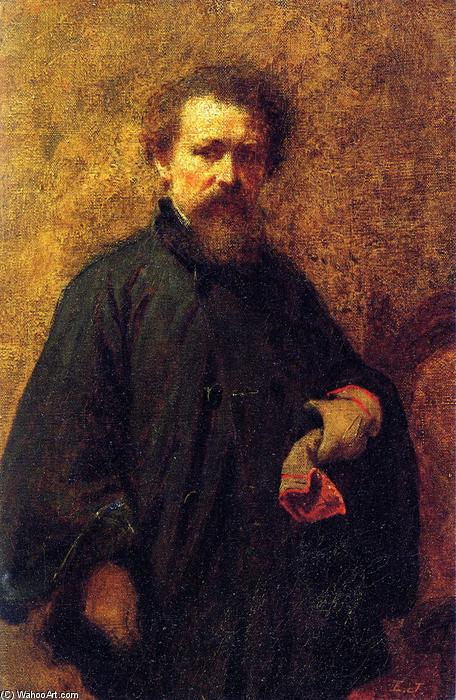
Self Portrait


 詳細を見る
詳細を見る
ジークレー/アートプリント
迅速な制作と多彩な仕上げオプションを備えた、ミュージアムクオリティのジークレーまたはキャンバスプリント。 ( 手描き画への切り替え 画像に切り替え)




P118B $10

P118H $10

P118W $10

P438Z $10

P508JH $12

P508YH $12

P805H $10

P805Z $10

P919BZ $10

P919G $10

P919XJ $10

P959ZH $10

P968JZ $12

W106C $8

W218G $10

W218JH $8

W218Y $10

W307PJ $10

W316G $10

W316PJ $8

W316Y $10

W398PJ $8

W4111J $10

W500HY $15

W500JH $15

W692G $12

W849H $8

W940BG $15

W953PJ $8




作品のオリジナル比率に合わせた、当店の規定サイズからお選びください。

特定のフレームやスペースに合わせて、ご自身でサイズを指定することも可能です。選択されたサイズが元の画像の比率と一致しない場合、作品をトリミングするか、鏡面反射または単色での塗りつぶしによって画像を拡張いたします。制作を開始する前に、ご確認用のデジタルモックアップをお送りいたします。
画面上のプレビューには、実際のトリミングや拡張は反映されませんのでご注意ください。最終的な構図を正確に確認できるのは、モックアップのみとなります。
カスタムサイズも承っておりますが、元の比率を維持するためには、あらかじめ用意されたリストからサイズを選択することをお勧めいたします。


 ガラスオプションは、110cm未満のサイズでのみご利用いただけます。

Self Portrait
ジークレー/アートプリント
複製画のサイズ
-


合計金額
$ 81
作品詳細説明
A Window into American Realism: Eastman Johnson’s “Self Portrait” (1860)
Eastman Johnson's "Self Portrait" of 1860 is more than just a likeness; it’s a meticulously crafted window into the soul of an era and the quiet dignity of a man. Painted during a pivotal period of American artistic development, this oil-on-canvas work embodies the burgeoning realism that would define Johnson's career and, in many ways, shape the course of 19th-century portraiture. The painting immediately draws the viewer in with its direct gaze – Johnson’s eyes meet ours across time, conveying a sense of thoughtful introspection and understated strength.
The composition is deceptively simple yet profoundly effective. Dressed in a dark, well-tailored coat and holding a red cloth—a subtle detail that hints at theatricality or perhaps a deliberate gesture of presentation – Johnson presents himself against a muted wall adorned with a vase and a clock. These elements aren’t merely decorative; they ground the portrait within a domestic setting, suggesting a life lived within the rhythms of everyday existence. The background's subdued palette further emphasizes the subject, allowing his features and demeanor to take center stage.
The Painter’s Palette: Technique and Style
Johnson’s masterful technique is rooted in the academic traditions he studied in Europe, particularly in Düsseldorf, Germany, where he honed his skills alongside other American artists seeking a rigorous artistic education. However, unlike many of his European contemporaries, Johnson didn't simply replicate established styles; he adapted them to reflect the unique character of American life. His brushwork is precise and controlled, yet imbued with a remarkable sensitivity to light and shadow. Note the subtle gradations in tone that define the contours of his face, creating a sense of volume and depth.
The painting’s realism extends beyond mere representation. Johnson captures not just Johnson's physical appearance but also something of his personality – a quiet confidence tempered by a hint of melancholy. The careful attention to detail—the texture of the coat, the slight furrow in his brow—reveals a deep understanding of human anatomy and expression. It’s a testament to Johnson’s ability to translate observation into compelling visual narrative.
A Man of His Time: Historical Context
To fully appreciate “Self Portrait,” it's essential to understand the social and artistic landscape of 1860 America. The nation was grappling with the aftermath of the Civil War, navigating a period of Reconstruction and profound societal change. Johnson’s work reflects this atmosphere of introspection and quiet resilience. He wasn’t interested in grand historical narratives or idealized representations; instead, he focused on capturing the realities of ordinary American life – a theme that would become increasingly prominent in his later genre paintings.
Johnson's connection to Washington D.C. is particularly significant. He lived and worked there for much of his career, documenting the lives of politicians, businessmen, and everyday citizens. His portraits offer invaluable insights into the social fabric of a rapidly evolving nation. The inclusion of elements like the vase and clock—common features of domestic interiors—further anchors the portrait within this specific context.
Symbolism and Emotional Resonance
While seemingly straightforward, “Self Portrait” is rich in subtle symbolism. The red cloth held in Johnson’s hand could represent passion, creativity, or perhaps a theatrical element – reflecting his involvement in stage design and set dressing. The direct gaze of the subject invites contemplation, prompting us to consider not only Johnson's identity but also our own relationship with self-representation and portraiture itself.
Ultimately, “Self Portrait” is a powerful testament to the enduring appeal of realism as an artistic approach. It’s a painting that speaks to the complexities of human experience – capturing both the outward appearance and the inner life of a man who sought to document his time with honesty, nuance, and a profound appreciation for the beauty of everyday existence.
アーティストの略歴
アメリカン・リアリズムに刻まれた生涯
ジョナサン・イーストマン・ジョンソン。その名は、19世紀のアメリカ社会が湛えていた静かな品格とともに、今もなお響き渡っています。彼は単なる画家ではありませんでした。自らの時代を視覚的に記録した、いわば「時代のクロニクル(年代記)」だったのです。1824年、メイン州ローヴェルに生まれたジョンソンの芸術への道は、決して一朝一夕の喝采によって開かれたものではありませんでした。それは、家族との繋がり、厳格な修行、そして世界をありのままに描き出そうとする揺るぎない献身――誠実さと繊細さ、そしてどこか哀愁を帯びた美しさをもって――によって、ゆっくりと紐解かれていったプロセスでした。実業家として、また友愛組織の要職を務めた父フィリップ・カリガン・ジョンソンの存在は、若きイーストマンに地域社会への関わりを教え込み、それが後に彼の画題の根底へと浸透していくことになります。メイン州フライバーグやオーガスタでの幼少期は、日常の営みに対する深い洞察力を養う基礎となり、彼はその理解を驚くほど繊細な筆致でキャンバスへと昇華させていきました。1840年、ボストンのリトグラファー(石版画家)への弟子入りから始まった彼の正式な修行は、緻دな観察眼と卓越した技術に裏打ちされたキャリアの第一歩となりました。その後、父の海軍への任命に伴い家族と共にワシントンD.C.へ移り住んだことは、彼の視野を広げ、後の芸術的ビジョンに密かな影響を与える多様な主題や経験をもたらすこととなったのです。オランダ巨匠からアメリカの情景へ
ジョンソンの芸術的発展は、さまざまな影響が織りなす魅力的な相互作用でした。当初は肖像画に惹かれていた彼は、やがてそのレパートリーを「ジャンル画」――すなわち日常の風景を描く分野へと急速に広げていきました。それは単なる再現ではありませんでした。壮大な歴史叙事詩の中では見過ごされがちな、名もなき人々の暮らしの断片を捉え、アメリカ社会の本質を浮き彫りにしようとする試みだったのです。転機となったのは1850年代、彼がハーグへと旅立ち、17世紀オランダ巨匠たちの作品に没入した瞬間でした。この出会いは決定的な変容をもたらしました。彼は構図、光の扱い、そしてリアリズムにおける巨匠たちの技法を吸収し、「アメリカのレンブラント」という親愛なる呼び名を手にしたのです。その影響は彼の成熟した様式の中に鮮明に見て取れます。抑えられたパレット、劇的なキアロスクーロ(明暗法)、そして写真のような細部への執着。しかし、ジョンソンは単なる模倣に留まりませんでした。彼はこれらのヨーロッパの技法を、彼独自のアメリカ的な感性と融合させ、技術的な輝きと当時の社会構造に深く根ざした作品を生み出したのです。理想化された表現を拒絶し、日常の真実を描くことを選んだ彼の姿勢は、勃興しつつあったリアリズム運動そのものであり、それが彼の芸術的遺産を決定づけることとなりました。キャンバスを超えた遺産
ジョンソンは、その芸術的達成を超えて、アメリカの芸術界の形成において極めて重要な役割を果たしました。ジャンル画への献身は、それを尊敬すべき芸術表現の一形態へと高め、「ハイ・アート(高尚な芸術)」とは何かという当時の既成概念に挑戦したのです。彼は単なる画家ではなく、文化の擁護者でもありました。その情熱は自身の創作活動に留まらず、ニューヨークにおけるメトロポリタン美術館の共同設立へと結実しました。これは、教育し、人々にインスピレーションを与えるという芸術の力を彼が信じていたことの証です。美術館の入り口に刻まれた彼の名は、国家の芸術的遺産に対する彼の多大な貢献を物語る、永遠の承認といえるでしょう。アメリカン・リアリズムにおけるジョンソンの影響は否定しようもありません。誠実さと細部へのこだわりをもって日常を描き切ろうとした彼の姿勢は、人間の経験の複雑さを捉えようとする後世の芸術家たちの道を切り拓きました。今日、ジョナント・イーストマン・ジョンソンは、技術に優れた画家としてだけでなく、アメリカ社会を深く洞察した観察者として記憶されています。彼の作品は、時代を超えた普遍性と感情的な深みを湛え、今もなお私たちの心に響き続けているのです。不朽の意義
ジョンソンの遺産は、特定の絵画や制度への貢献という枠組みを遥かに超えています。彼はヨーロッパの芸術伝統と、アメリカ独自の主題との間に架け橋を築いた先駆者でした。ありふれた情景に深い意味を吹き込む能力、複雑な社会問題に向き合う勇気、そしてリアリズムへの揺るぎない信念が、19世紀アメリカ美術における彼の地位を決定的なものにしました。彼は単に生活を記録したのではなく、それを「解釈」し、見る者に対して自らの価値観や信念を省みるよう促したのです。彼の仕事は、真の芸術性とは単なる技術的な巧みさにあるのではなく、人間の精神と繋がり、私たちを取り巻く世界を照らし出す能力にあるのだということを、力強く思い出させてくれます。1906年、ニューヨークにて彼はこの世を去りましたが、彼が残した作品群は今も人々を魅了し、インスピレーションを与え続けており、アメリカ美術史における重要な人物としての彼の名は、永遠に輝き続けることでしょう。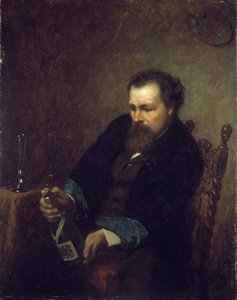
ジョナサン・イーストマン・ジョンソン
1824 - 1906
基本情報
- Artistic Movement Or Style: 写実主義、風俗画
- Artists Or Movements Influenced By This Artist: ['アメリカ写実主義']
- Artists Who Influenced This Artist:
- オランダの巨匠
- ジャン=フランソワ・ミレー
- Date Of Birth: 1824年7月29日
- Date Of Death: 1906年4月5日
- Full Name: ジョナサン・イーストマン・ジョンソン
- Nationality: アメリカ
- Notable Artworks:
- 南部における黒人の生活
- 自由への騎行
- 読書する女性
- Place Of Birth: イギリス、ロヴェル
関連記事

Jamie Wyeth: A Legacy of Realism, Regionalism & American Landscapes
Explore the captivating world of Jamie Wyeth, heir to the Brandywine School tradition! Discover his realist paintings of portraits, animals & Maine landscapes – a legacy of American art. Learn more at OriginalUniqueArt.

American Realism's Defining Works: 10 Masterpieces for Your Home
Explore 10 defining American Realism masterpieces – Hopper, Homer & more. Discover the stories behind these iconic paintings and bring timeless art to your home with OriginalUniqueArt's museum-quality reproductions. Explore the full collection online.
The Ashcan School: Realism, Urban Life & the Democratization of American Art
Explore the revolutionary Ashcan School! Discover how artists like Henri & Sloan challenged tradition with gritty realism, capturing urban life in early 20th-century America. Learn about their impact on American art history.

Abbott Handerson Thayer: Ethereal Realism & Spiritual Symbolism in American Art
Explore the captivating world of Abbott Handerson Thayer, a pioneer of American realism & Symbolism. Discover his ethereal angel paintings, innovative techniques, and lasting influence on art history. Learn about his scientific pursuits & Transcendentalist spirit.

The Digital Portrait Renaissance: Transforming Personal Photography into Timeless Oil Paintings Through Artistic Reproduction
Transform your cherished photos into timeless oil paintings with OriginalUniqueArt's expert artists. Museum-quality reproductions & custom portraits, crafted to last a lifetime. Discover the art of personal legacy.

