
 設置イメージを確認
 送る
送る シェア
シェア
 詳細情報
詳細情報 ガイドを表示

 画像をダウンロード
 似ている作品
 X線調査
X線調査 スライドショー
 統計情報
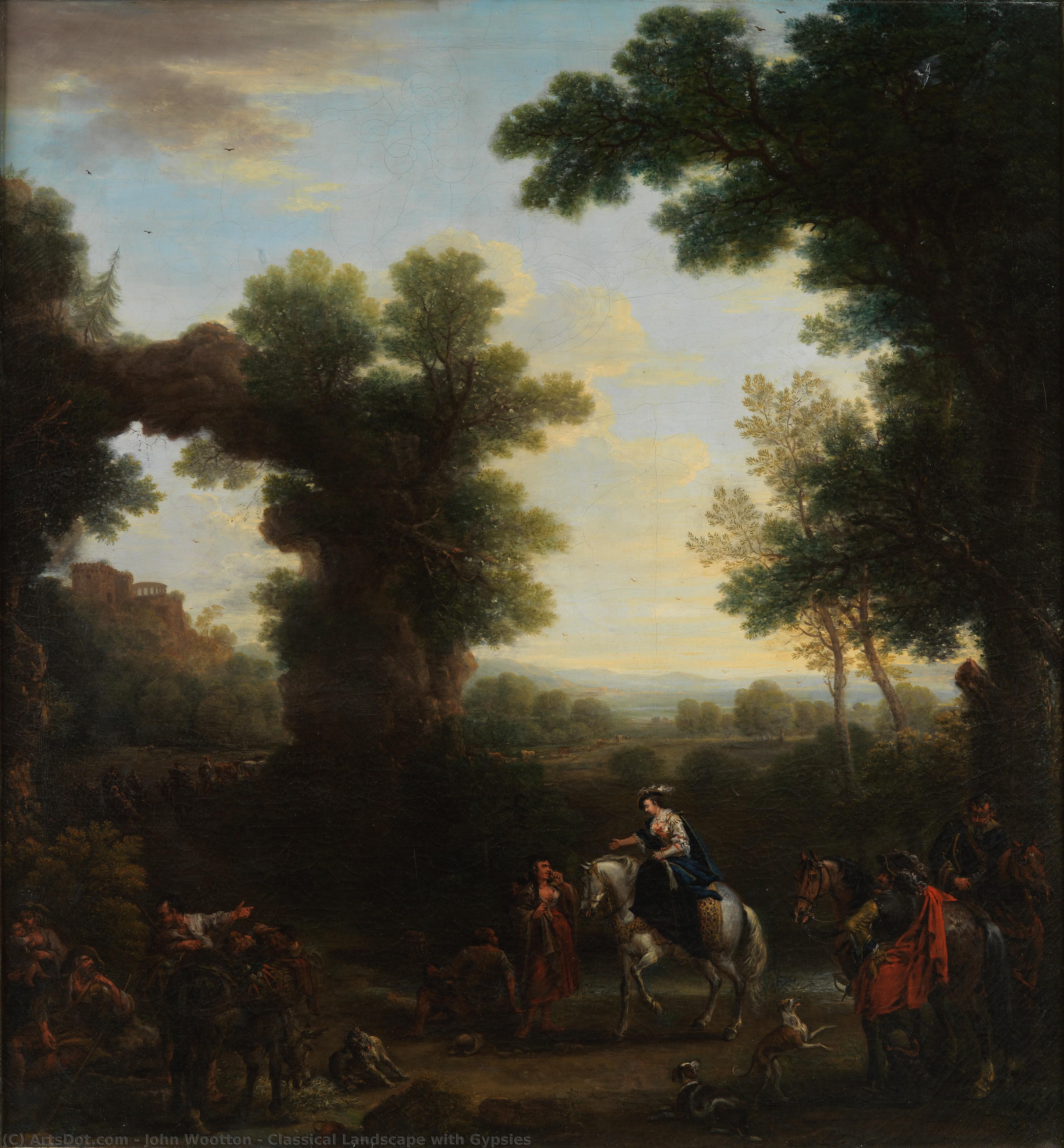
統計情報Classical Landscape with Gypsies
 Oil On Canvas
- WallArt
- Baroque Landscape Painting
 1748
1748- Early Modern
 140.0 x 131.0 cm
 メトロポリタン美術館
 続きを読む
続きを読む
ジークレー/アートプリント
スピーディーな制作と多彩な仕上げオプションが魅力の、ミュージアムクオリティなジークレー・キャンバスプリント。 ( 手描きの複製画を注文する デジタル画像販売へ切り替え)




P118B ¥10

P118H ¥10

P118W ¥10

P438Z ¥10

P508JH ¥12

P508YH ¥12

P805H ¥10

P805Z ¥10

P919BZ ¥10

P919G ¥10

P919XJ ¥10

P959ZH ¥10

P968JZ ¥12

W106C ¥8

W218G ¥10

W218JH ¥8

W218Y ¥10

W307PJ ¥10

W316G ¥10

W316PJ ¥8

W316Y ¥10

W398PJ ¥8

W4111J ¥10

W500HY ¥15

W500JH ¥15

W692G ¥12

W849H ¥8

W940BG ¥15

W953PJ ¥8




作品のオリジナル比率に合わせた、当店の規定サイズからお選びください。

額縁や壁のスペースに合わせて、ご希望の幅と高さを入力してください。プリントはカットすることは可能ですが、元の画像より大きくすることはできないため、異なる比率のサイズを選択された場合は、画像の一部が欠けることになります。印刷を開始する前に、内容を確認していただくためのデジタルモックアップをお送りいたします。このページに表示されている画像は、実際のカット後の状態を示すものではありません。実際の仕上がりはモックアップにてご確認ください。


 ガラスオプションは、110cm未満のサイズでのみご利用いただけます。

Classical Landscape with Gypsies
ジークレー/アートプリント
複製画サイズ一覧
-


合計金額
¥ 12582
A Pastoral Symphony: The Enchantment of Wootton’s Landscape
In the grand tapestry of eighteenth-century British art, few works capture the harmonious tension between aristocratic refinement and the untamed spirit of nature as gracefully as John Wootton’s "Classical Landscape with Gypsies." Executed in 1748, this monumental canvas serves as a breathtaking window into the Regency era's profound fascination with pastoral beauty. The scene unfolds not merely as a static depiction of countryside, but as a meticulously choreographed tableau where the rolling hills and muted greens of the English landscape provide a stage for a lively human narrative. As one gazes upon the composition, there is an immediate sense of entering a world where time slows down, inviting the viewer to wander through the atmospheric perspective and tonal gradations that Wootton mastered so exquisitely under the tutelage of Jan Wyck.
The painting’s subject matter strikes a delicate balance between the idyllic and the itinerant. At its heart, a gathering of gypsies moves through the landscape, their presence introducing a layer of nomadic vitality to the otherwise serene setting. This juxtaposition—the transient life of the travelers set against the permanent, stately backdrop of the countryside—was a hallmark of the era's artistic curiosity. The inclusion of horses, rendered with Wootton’s signature precision, further elevates the narrative; these noble creatures are not merely animals within the frame but symbols of status, freedom, and the deep-seated connection between the landed gentry and the natural world. For the discerning collector or interior designer, this piece offers a profound sense of movement and life, making it an ideal centerpiece for spaces that require a touch of historical grandeur and organic warmth.
Mastery of Brush and Light: The Technical Brilliance
To appreciate "Classical Landscape with Gypsies" is to witness the technical prowess of a pioneer of sporting art. Wootton’s technique eschews the rigid, clinical precision often found in academic painting of his time, opting instead for loose, expressive brushstrokes that imbue the canvas with palpable emotion and dynamism. One can almost feel the breeze moving through the scattered trees and sense the heat radiating from the sun-drenched hills. His ability to manipulate light and shadow creates a sense of depth that draws the eye inward, leading the viewer from the detailed interactions in the foreground—where figures converse and tend to their mounts—toward the hazy, distant horizons.
The color palette is a masterclass in subtlety, utilizing earthy browns, soft ochres, and deep forest greens to evoke a sense of timelessness. This restrained use of color ensures that the painting does not overwhelm a room but rather complements it, providing a sophisticated foundation for luxury decor. For those seeking to integrate fine art into a contemporary or classical interior, a high-quality reproduction of this work offers more than just decoration; it provides an infusion of historical soul. The way Wootton captures the texture of animal coats, the softness of the foliage, and the very atmosphere of the English afternoon makes this painting an enduring masterpiece that continues to inspire awe and tranquility in all who behold it.
よくあるご質問
「Classical Landscape with Gypsies」を手がけたアーティストは誰ですか?
「Classical Landscape with Gypsies」を手がけたアーティストはジョン・ウートンです。この作品はジョン・ウートンの名でカタログに登録されています。
「Classical Landscape with Gypsies」は、全体的に明るい印象ですか、それとも暗い印象ですか?
ジョン・ウートン作「Classical Landscape with Gypsies」 の記録された数値は、明度 deep_shadow、輝度 Soft Shadow です。
「Classical Landscape with Gypsies」の主題は、ジョン・ウートンの通常のテーマとどのように関連していますか?
ジョン・ウートンの記録されたテーマであるbeaufort family patronage, equestrian tradition, aristocratic landscape, baroque style, decorative artの中でも、「Classical Landscape with Gypsies」はlandscape, gypsies, equestrian art, aristocracy, pastoral scene, classical painting, british art, seventeenth centuryに独自の焦点を当てています。
アーティストについて
スポーツ・アートの先駆者:ジョン・ウートン、その生涯と遺産
ストラトフォード=アポン=エイヴォンの近く、ウォーウィックシャー州のスニッターフィールドという趣ある村に1686年頃生まれたジョン・ウートンは、英国スポーツ・アートの発展において極めて重要な役割を果たした人物です。彼の若き日の詳細については、いまだ謎に包まれている部分もありますが、幼い頃に名門ボーフォート家の奉公に入ったと伝えられています。この経験こそが、馬術への深い情熱と、それを取り巻く貴族社会との親密な結びつきを育む礎となったのでしょう。彼の芸術的旅路は、1690年代にヤン・ウィックの下での正式な修行から始まりました。そこで培われた素描や絵画技法の基礎は、後の輝かしいキャリアを支える強固な土台となりました。その初期の作品においてさえ、ウートンには馬の本質を捉える天賦の才が宿っていました。1711年の初期の代表作「ボニー・ブラック」に見られるように、彼はすでに馬の肖像画における卓越した技術の片鱗を見せていたのです。名声の確立と芸術的革新 1706年までには、ウートンはロンドンにおいて確固たる地位を築き、ニューマーケットの競馬界を彩る名馬たちの描写によって瞬く間にその名を馳せました。しかし、彼の真価は単なる記録に留まりません。彼は馬たちの精神、力強さ、そして個々の気質を、かつてないほどの緻密さと繊細さをもって描き出したのです。この専門性は彼を英国のエリート層へと引き寄せ、国王ジョージ2世やプリンス・オブ・ウェールズのフリードリクといった権威あるパトロンとの交流をもたらしました。また、ウートンは芸術コミュニティへの貢献にも意欲的でした。1711年には最初の英国絵画・素描アカデミーに加入し、1717年にはヴィルトゥオーシ・クラブの管理者として活動するなど、芸術的な対話と協力を促進することに尽力しました。さらに、彼の功績は馬の絵画だけに留まりません。彼はガスパール・デュゲ(ガスパール・ヴァン・ウィッテルとしても知られる)らの影響を受け、「理想的な風景画」とも呼ぶべきスタイルを英国美術に導入した重要な人物でもあります。風景の中に古典的な要素を取り入れることで、当時主流であったオランダやフランドルの様式とは一線を画す新鮮な選択肢を提示し、トーマス・ゲインズバラをはじめとする後世の英国風景画家たちの道筋を切り拓いたのです。
キャンバスへの習熟:その様式と主要作品
ウートンの芸術様式は、細部への徹底したこだわり、動物の写実的な表現、そして人物と風景が調和した美しい融合によって特徴づけられます。彼は対象を鋭く観察し、それを理想化して描き出す類まれな能力を備えており、その作品は美的に優れているだけでなく、当時のスポーツ文化を鮮明に反映していました。彼の馬の肖像画は、間違いなく最も称賛されるべき業績です。「ブラッディ・ショルダード・アラビアン」のような作品は、技術的な熟練度のみならず、解剖学的な理解と動物の個性を捉える深い洞察力を示しています。また、個々の馬の肖像を超えて、活気あふれる狩猟シーンや騎乗活動の描写においても卓越した手腕を発揮しました。そこには、騎手や猟犬、そして絵画的な背景が織りなす「コンヴァセーション・ピース(会話劇)」のような情緒が漂っています。これらの作品は単なる出来事の記録ではなく、英国貴族の社会的な力学や余暇のあり方を描き出した、緻密に構成された物語なのです。風景画においては、動物画の影に隠れがちではあるものの、遠近法や構図、空気感の表現における洗練された理解が見て取れ、多才で革新的な芸術家としての地位をより確固たるものにしています。「ウィモント子爵の狩猟」などの作品は、まさにその技量の結晶であり、古典的な様式と豊かなディテールをもって貴族の優雅なひとときを伝えています。永続する影響力と歴史的意義
後に登場したジョージ・スタブスのように、解剖学的な正確さにおいてウートンを凌駕し、動物画の分野でより大きな名声を得た画家は存在します。しかし、ジョン・ウートンが果たした先駆的な役割が否定されることはありません。彼はスポーツ・アートを正当なジャンルとして確立し、後続の芸術家たちがより洗練された手法でこの主題を探求するための道を切り拓きました。彼が導入した「理想的な風景画」のスタイルは、英国絵画に永続的な影響を与え、世代を超えて受け継がれる英国独自の美意識の形成に寄与しました。彼は、古い伝統と、18世紀英国美術を定義することになる新たな様式との架け橋となったのです。 今日、ウートンの作品はロンドンのテート・ギャラリー、バージニア美術館、イェール大学英国美術センターなど、世界中の権威あるコレクションに収蔵されており、その遺産は今もなお芸術愛好家たちの心を捉えて離しません。彼の生涯は、観察と革新の力、そして自然界の美しさと、自らの時代を象徴する貴族的な営みのダイナミズムを捉え続けることの不変の魅力を物語る、生きた証なのです。
ジョン・ウートン
1682 - 1764 , イギリス
アーティスト情報
- Artistic Movement Or Style: スポーツ・アート、風景画
- Artists Or Movements Influenced By This Artist:
- トーマス・ゲインズバラ
- ジョージ・スタブス
- Artists Who Influenced This Artist:
- ヤン・ウィック
- ガスパール・デュゲ
- Date Of Birth: 1686年頃
- Date Of Death: 1764年
- Full Name: ジョン・ウートン
- Nationality: イギリス
- Notable Artworks:
- ボニー・ブラック
- 狩猟の前に
- 血に染まった肩のアラビア馬
- Place Of Birth: イギリス、スニッターフィールド
関連記事

ジョン・シンガー・サージェント:至高の25選 - 美と光の肖像画の世界 | OriginalUniqueArt
ジョン・シンガー・サージェントの至高の25選。肖像画、写実主義、光と影の表現が美しい作品群を紐解きます。マダムXや少女の肖像など、時代を超えて愛される名作をOriginalUniqueArtで鑑賞。高品質なアート複製で、お部屋に美術館のような空間を。今すぐコレクションをご覧ください。
Neo-Classicism's Greatest Hits: 10 Masterpieces for Your Home |
Journey through Neo-Classicism's finest! Explore 10 iconic masterpieces by David, Ingres & Canova. Discover art history, techniques & timeless beauty – perfect for inspiring your home decor. Find museum-quality reproductions at
John Frederick Herring Sr.: Equestrian Mastery & the Rise of Sporting Art in Victorian England
Explore the life & work of John Frederick Herring Sr., a leading Victorian equestrian artist. Discover his masterpieces, patronage, techniques & investment potential. Expert insights for collectors.

ジョン・コンスタブルの傑作25選:英国風景画の巨匠が描く自然と光の詩 | OriginalUniqueArt
ジョン・コンスタブルの傑作25選。英国風景画の巨匠が描く自然と光の詩の世界へ。ロマン主義を代表する絵画、デダム・ヴェールやヘイ・ウェインなど、OriginalUniqueArtで高品質なアートプリントをお楽しみください。インテリアに深みと感動を。コレクションはこちら。
Sr. John E. Ferneley: Equestrian Portraiture & England's Social Fabric
Explore the captivating world of Sr. John E. Ferneley, a master of British sporting art. Discover his exquisite equestrian paintings & insights into 19th-century society. Invest in timeless masterpieces with OriginalUniqueArt.