設置イメージを確認
 送る
送る シェア
シェア
 詳細情報
詳細情報 ガイドを表示

 画像をダウンロード
 似ている作品
 X線調査
X線調査 スライドショー
 統計情報
統計情報Cleopatra


 続きを読む
続きを読む
手描き油彩複製画
当社のアーティストが、お客様のご希望のサイズと額縁に合わせて、キャンバスに手描きで制作する油彩画です。 ( プリント版に切り替え デジタル画像販売へ切り替え)




P118B ¥10

P118H ¥10

P118W ¥10

P438Z ¥10

P508JH ¥12

P508YH ¥12

P805H ¥10

P805Z ¥10

P919BZ ¥10

P919G ¥10

P919XJ ¥10

P959ZH ¥10

P968JZ ¥12

W106C ¥8

W218G ¥10

W218JH ¥8

W218Y ¥10

W307PJ ¥10

W316G ¥10

W316PJ ¥8

W316Y ¥10

W398PJ ¥8

W4111J ¥10

W500HY ¥15

W500JH ¥15

W692G ¥12

W849H ¥8

W940BG ¥15

W953PJ ¥8




作品のオリジナル比率に合わせた、当店の規定サイズからお選びください。

フレームや壁のスペースに合わせて、ご希望の幅と高さを入力してください。本作品は手描きのため、異なる比率のサイズをご希望の場合、絵画の周囲を少し広げて描くか、あるいは端を少しカットして調整することが可能です。お客様のご要望に合わせます。制作を開始する前に、仕上がりを確認するためのデジタルモックアップをお送りいたします。このページに表示されている画像は完成品の実物ではなく、あくまでモックアップによるイメージです。
ご注文後、OriginalUniqueArt.com チームより詳細な指示をお送りするとともに、仕上がりイメージ(モックアップ)をご提供いたします。


 ガラスオプションは、110cm未満のサイズでのみご利用いただけます。

Cleopatra
再現技法
複製画サイズ一覧
-


合計金額
¥ 47260
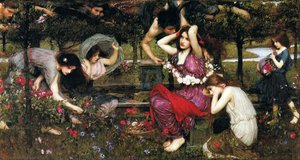
A Portrait of Regal Contemplation: John William Waterhouse’s Cleopatra
John William Waterhouse's "Cleopatra," painted in 1890, is more than just a depiction of an ancient queen; it’s a meticulously crafted meditation on power, intellect, and the enduring allure of antiquity. This remarkable work, rendered with the characteristic precision and romantic sensibility of the Pre-Raphaelite movement, invites viewers into a moment of profound introspection within the figure of Cleopatra VII Philopator, the last active ruler of the Ptolemaic Kingdom of Egypt. Waterhouse’s skill lies not merely in his technical mastery – evident in the delicate rendering of fabrics, the subtle play of light and shadow, and the remarkably lifelike portrayal of the subject's face – but also in his ability to imbue the scene with a palpable sense of atmosphere and emotional depth.
- Subject & Composition: The central figure, seated on a leopard-print couch, immediately establishes a connection to both the raw power of the animal kingdom and the opulent world of Egyptian royalty. Her posture, slightly reclined and her gaze directed downwards, suggests a deliberate act of contemplation rather than regal authority.
- Style & Technique: Waterhouse’s style is firmly rooted in Pre-Raphaelite principles – an emphasis on meticulous detail, rich color palettes, and a reverence for classical beauty. The brushwork is smooth yet controlled, creating a sense of depth and realism that draws the viewer into the scene.
- Color & Light: The artist employs a muted, earth-toned palette dominated by creams, browns, and golds, contributing to the painting’s serene and contemplative mood. Soft lighting enhances the textures of the fabrics and casts subtle shadows, further emphasizing the three-dimensionality of the figure.
Symbolism & Historical Context
“Cleopatra” is deeply embedded within a rich tapestry of historical and mythological symbolism. The inclusion of elements such as the diadem – a potent symbol of royalty and divine authority – and the reference to Isis, the Egyptian goddess of magic and motherhood, firmly anchors the painting within Cleopatra’s world. Waterhouse deliberately evokes the grandeur of ancient Egypt while simultaneously presenting a portrait of a woman grappling with the complexities of her position. The book or manuscript in her lap suggests intellectual pursuits, aligning Cleopatra not just as a queen but also as a scholar and strategist – a deliberate subversion of traditional portrayals that often reduced her to a purely seductive figure.
- Roman & Egyptian Influences: The draped garment reflects both Roman and Egyptian styles, highlighting the cultural fusion that characterized Cleopatra’s reign.
- Isis' Presence: The depiction of Isis subtly reinforces Cleopatra’s divine connection and her role as a protector of Egypt.
The Artist & His Vision
John William Waterhouse (1849-1917) was a pivotal figure in the Pre-Raphaelite movement, known for his evocative depictions of mythology, literature, and historical subjects. Born in Rome to English parents, he spent his early years immersed in the beauty of Italian art and architecture, an experience that profoundly shaped his artistic sensibilities. “Cleopatra” exemplifies Waterhouse’s ability to seamlessly blend classical influences with a distinctly Romantic vision – a desire to capture not just the outward appearance of a subject but also their inner thoughts and emotions. The painting's meticulous detail and evocative atmosphere are hallmarks of Waterhouse’s oeuvre, solidifying his place as one of the Pre-Raphaelites’ most accomplished artists.
Emotional Impact & Artistic Value
“Cleopatra” transcends a simple portrait; it is an exploration of power, vulnerability, and intellectual curiosity. The woman's contemplative expression invites viewers to share in her moment of reflection, prompting questions about leadership, legacy, and the burdens of responsibility. Waterhouse’s masterful technique and profound understanding of symbolism combine to create a work that continues to resonate with audiences today. A hand-painted reproduction of this iconic image offers an unparalleled opportunity to experience the beauty and intellectual depth of one of John William Waterhouse's most celebrated masterpieces.
よくあるご質問
ジョン・ウィリアム・ウォーターハウス作「Cleopatra」にはどのような技法が用いられていますか?
ジョン・ウィリアム・ウォーターハウス作「Cleopatra」の技法はAcrylic On Canvasです。複製画は、この技法の質感や風合いを再現することを目指しています。
ジョン・ウィリアム・ウォーターハウス作「Cleopatra」は、どのような感情を伝えていますか?
ジョン・ウィリアム・ウォーターハウス作「Cleopatra」に描かれた情緒はRomanticであり、その感情的なトーンはReflectiveです。
「Cleopatra」の推奨されるプリント方法について教えてください。サイズや向きはどうするのが良いでしょうか?
Large サイズ、Portrait 方向:こちらは ジョン・ウィリアム・ウォーターハウス作「Cleopatra」 に推奨されるプリント設定です。
アーティストについて
ローマの始まり:ジョン・ウィリアム・ウォーターハウスの初期人生と影響
ジョン・ウィリアム・ウォーターハウスは、プレラファエライト絵画のロマンチックな魅力を象徴する名前であり、その芸術的な旅は、しばしばこの運動に関連付けられる霧深い風景とはかけ離れた場所から始まりました。1849年にイギリス人の両親のもとにローマで生まれた彼は、幼少期をイタリアの古典的な美しさに浸り、それが彼の美的感覚を深く形作りました。この形成期間は、古代ローマ美術と神話に対する深い理解を彼に植え付け、そのテーマは彼の多作なキャリアを通して繰り返し現れることになります。ウォーターハウス家は1854年にイギリスに戻り、ロンドンのサウス・ケンジントンに定住しました。ここは、急成長中のヴィクトリア&アルバート博物館の近隣であり、戦略的に選ばれた場所でした。ここで若いジョンは、比類のない古典彫刻と装飾芸術のコレクションに触れ、古代への彼の関心をさらに育みました。彼の初期の訓練は伝統的で、ロイヤル・アカデミー・スクールでの絵画や素描の技術を磨くものでしたが、知的探求と芸術的革新の大気こそが、彼の情熱に火をつけたのです。初期の作品でさえも、細部への細心の注意と歴史的な正確さへのコミットメントが見られ、それらは彼のスタイルを特徴づけるものとなります。プレラファエライト同盟を受け入れる
ウォーターハウスの初期の作品は、アルマ=タデマやフレデリック・レイトンを彷彿とさせる古典的な傾向を示していましたが、徐々にプレラファエライト同盟の理想に傾倒していきました。1848年に設立されたこの芸術的集団は、自然の詳細な観察と、ラファエルによって開始されたとされる様式的衰退の前、初期イタリア・ルネサンス美術に見られる鮮やかな色彩への回帰を提唱しました。ウォーターハウス自身はこの同盟には参加しませんでしたが、その原則を全面的に受け入れ、彼の絵画に抒情的な美しさと感情的な深さを吹き込みました。聴衆の共感を呼ぶものでした。1874年にロイヤル・アカデミーで展示された眠りとその異母兄弟死は転換点となり、象徴的な物語と大気効果に対する彼の習熟度を示しました。この成功は、毎年恒例の展覧会への継続的な参加への道を開き、彼はロンドンのアートシーンにおける新星として確立されました。彼は単にプレラファエライトの技術を模倣していたのではなく、古典的な正確さとロマンチックな感性を融合させた独自の視点を通して解釈していました。神話的ビジョンとアーサー王伝説のエコー
ウォーターハウスの最も有名な作品は、神話とアーサー王伝説からインスピレーションを得たものです。彼は古代の物語に命を吹き込む並外れた能力を持っており、女神、ニンフ、悲劇的なヒロインを絶妙な美しさとパトスを組み合わせて描きました。おそらく彼の最も象徴的な絵画であるレディ・オブ・シャロットは、3つのバージョン(1888年、1894年、1916年)が存在し、それぞれがテニスンの詩に対する彼のエターナルな魅力を証明しています。運命の女性が川の船に乗って漂流するイメージは、ヴィクトリア朝ロマン主義と芸術的孤立の苦境を象徴するものとなりました。同様に、彼の死の直前のオフィーリアを描いた作品は、幽玄なメランコリーに満ちています。彼は単にこれらの物語を説明していたのではなく、被験者の感情的な状態に焦点を当て、その心理的な深さを探求していました。ヒュラスとニンフたち、アリアドネ、そしてペネロペとその求婚者たちは、古典的な物語を視覚的に見事で感情的に共鳴する芸術作品に変える彼の能力のさらなる例です。彼の絵画は単に美しいだけでなく、人間の経験の複雑さを熟考するように観客を誘う物語的な力に満ちていました。遺産と永続的な影響
ジョン・ウィリアム・ウォーターハウスは1917年に亡くなるまで精力的に絵画を描き続け、生涯を通じて広範な認知と称賛を得ました。彼は1895年にアカデミシャンに選出され、セント・ジョーンズ・ウッド・アートスクールで教鞭をとり、次世代のアーティストを育成しました。第一次世界大戦後、彼の人気は一時的に衰退しましたが、近年、彼の作品への関心は著しく高まっています。今日、ウォーターハウスはプレラファエライト運動における最も重要な人物の一人とされ、ヴィクトリア朝絵画の巨匠として称賛されています。彼の絵画は、その絶妙な美しさ、感情的な深さ、そして時代を超越した魅力で観客を魅了し続けています。彼はロマンチックなビジョン、神話的解釈、悲劇的なヒロインの遺産を残しました。彼の作品の永続的な力は、神話、伝説、そして深い人間感情の世界へと観客を誘うその能力にあります。
ジョン・ウィリアム・ウォーターハウス
1849 - 1917 , イタリア
アーティスト情報
- Artistic Movement Or Style: プレラファエライト、ヴィクトリア朝
- Artists Who Influenced This Artist:
- アルマ=タデマ
- フレデリック・ Leighton
- Date Of Birth: 1849年
- Date Of Death: 1917年
- Full Name: ジョン・ウィリアム・ウォーターハウス
- Nationality: イギリス人
- Notable Artworks (List Of Titles):
- シャロットのレディ
- オペリア
- ヒュラスとニンフたち
- アリアドネ
- Place Of Birth (City And Country): ローマ、イタリア
関連記事

The Pre-Raphaelite Brotherhood: Rediscovering Beauty, Romance, and Medieval Magic in Victorian Art
Embark on a journey through the Pre-Raphaelite Brotherhood. Discover the romantic symbolism, medieval magic, and radical beauty of Rossetti and Burne-Jones in this expert exploration of Victorian art history.

Arthur Hughes: Pre-Raphaelite Visions of Beauty & Melancholy
Explore the captivating world of Arthur Hughes (1832-1915), a leading Pre-Raphaelite painter. Discover his dreamy landscapes, poetic narratives & iconic Victorian artworks. Learn about his life, style & collecting today.

John William Waterhouse: Pre-Raphaelite Mythmaker & Poetic Depictions of Female Identity
Explore the captivating world of John William Waterhouse, a master of Pre-Raphaelite painting. Discover his iconic depictions of mythology and female identity in this expert guide.

ダンテ・ガブリエル・ロセッティ傑作25選:美と象徴が織りなす芸術の世界 | OriginalUniqueArt
ダンテ・ガブリエル・ロセッティの傑作25選。プレラファエライトの象徴主義、美しい女性画の世界へ。油絵やアートプリントで、リビングや寝室を彩るインテリアアートを見つけましょう。OriginalUniqueArt.comで名画コレクションを探索。

Sir John Everett Millais: Pre-Raphaelite Rebellion & Victorian Narrative Detail
Explore the revolutionary art of Sir John Everett Millais & the Pre-Raphaelite Brotherhood. Discover their radical realism, symbolic narratives, and lasting impact on Victorian aesthetics. A deep dive into 19th-century masterpieces.