
 プレビュー
プレビュー
 プリントを購入
 シェアする
シェアする シェアする
シェアする
 詳細を見る
詳細を見る

 ダウンロード
 似ている作品
 X線調査
X線調査 スライドショー
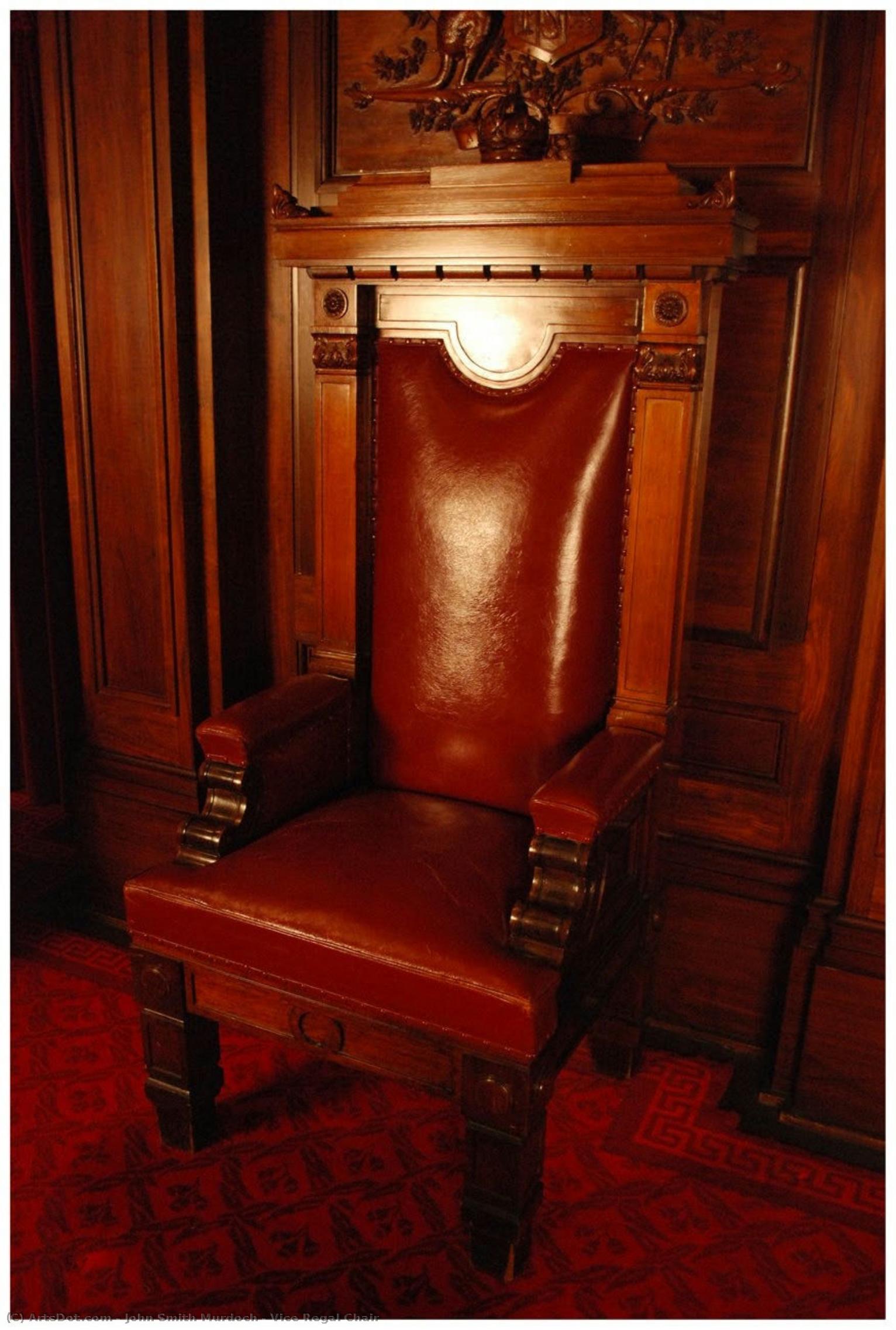
Vice Regal Chair

 詳細を見る
詳細を見る
オンラインプレビューをはるかに凌ぐ、高解像度で鮮明なデジタル画像をご購入いただけます。
各ファイルは、社内の専門家が高度なツールと熟練した手作業によるレタッチを用いて、細心の注意を払って準備されています。すべての画像において、卓越した鮮明度、正確な色彩再現性、そして繊細なディテールを保証いたします。
最終ファイルは、プロフェッショナルな編集・印刷環境ですぐにご利用いただけるよう最適化された状態で、72時間以内にメールにてお届けいたします。これは、一流のデザインスタジオ、出版社、ギャラリーから信頼されているものと同等の品質です。
デジタル画像のご注文に付随する特典
高品質なデジタル画像配信を、確かな品質で。
OriginalUniqueArt.com を選ぶことは、単に画像を手に入れることではありません。それは、プロの手によって精密に仕上げられ、満足保証が付いた高品質なデジタルアートワークを受け取ることを意味します。ご注文いただいた際に自動的に付随する内容は、以下の通りです:

メールですぐにお届け
ご注文から72時間以内に、高解像度のデジタル画像ファイルがメールでお手元に届きます。すぐにそのままご利用いただけます。

AI技術で最適化されたデジタルファイル
お客様の作品は、高度なAIツールと専門家による手作業の編集を組み合わせてプロフェッショナルに最適化されており、細部のディテール、鮮明さ、そして正確な色再現性を最大限に引き出しています。

一生涯無料の再送サービス
ファイルを誤って削除したり、紛失してしまったりしましたか?ご安心ください。いつでも無料で再送いたします。

輸入手数料は一切かかりません
関税や手数料、配送料を気にすることなく、お気に入りのアートワークをすぐにお楽しみいただけます。デジタルダウンロードは常に免税です。

色彩再現の保証
プロ仕様のツールとカラーマネジメント技術を用いることで、デジタル画像が元の色を最大限に忠実に再現することを保証いたします。

60日間満足保証
ご購入いただいたデジタル画像にご満足いただけない場合は、60日以内であれば、修正または100%の返金(理由を問う必要はありません)をさせていただきます。

100% 返金保証
ご満足いただけない場合は、デジタルファイルを受け取ってから60日以内であれば、理由を問わず全額返金いたします。

まとめ買い割引
3枚購入で10%OFF - 5枚購入で15%OFF - 10枚以上購入で20%OFF。クリエイティブなプロジェクト、ギャラリー、エージェンシーに最適です。
作品の詳細
作家の略歴
John Smith Murdoch: Architect of Canberra and Pioneer of Australian Design
John Smith Murdoch (1862 – 1945) stands as a pivotal figure in the architectural history of Australia, recognized primarily for his leadership role at the Commonwealth Public Works Department and, crucially, for designing Canberra’s Parliament House—a building that embodies the nation's ideals of democracy and civic grandeur. Born in Scotland, Murdoch’s formative years instilled within him a profound appreciation for classical design principles and meticulous craftsmanship, influences that would permeate his entire career.Early Life and Education
Murdoch’s upbringing fostered an intellectual curiosity and a dedication to formal education. He pursued studies at Glasgow University, specializing in architecture, equipping him with the foundational knowledge necessary to excel in his chosen profession. His early involvement with the Glasgow School of Art as a janitor provided invaluable experience within the burgeoning field of design—a connection that would prove enduring throughout his life. This position wasn’t merely custodial; it allowed Murdoch to observe firsthand the evolving landscape of architectural innovation and the importance of public service.Career at the Commonwealth Public Works Department
Murdoch's ascent began in 1904 when he was appointed Chief Architect for the newly established Commonwealth Public Works Department, marking a significant moment in Australian governance and artistic expression. Under his stewardship, the department undertook ambitious projects aimed at shaping the nation’s capital city—Canberra—a deliberate effort to distance Australia from its colonial past and establish a modern center of government. He championed innovative approaches to building design, prioritizing functionality alongside aesthetic beauty, reflecting the broader ethos of the Edwardian era.The Canberra Parliament House Project
Murdoch's legacy rests most prominently upon his role in conceiving and overseeing the construction of Canberra’s Parliament House—a project that commenced in 1913 and culminated in its inauguration in 1927. Collaborating closely with Walter Burley Griffin, Murdoch skillfully blended Griffin’s visionary organic design sensibilities with classical architectural forms, resulting in a building that remains an emblem of Australian identity. The Parliament House embodies the spirit of compromise—a testament to Murdoch's diplomatic skills and his commitment to forging unity amidst diverse perspectives—and continues to serve as a symbol of Australia’s democratic values.Influences and Artistic Style
Murdoch’s architectural style was deeply rooted in Beaux Arts principles, drawing inspiration from European precedents such as the École des Beaux-Arts in Paris. He favored symmetrical layouts, monumental scale, and elaborate ornamentation—techniques that conveyed authority and grandeur while adhering to established aesthetic standards. Furthermore, Murdoch's meticulous attention to detail—evident in the building’s stonework, glazing, and sculptural elements—demonstrated a dedication to craftsmanship and a belief in the transformative power of art.Legacy and Significance
John Smith Murdoch’s contribution to Australian architecture transcends mere construction; it represents a conscious effort to define national identity through artistic expression. His leadership at the Commonwealth Public Works Department fostered a generation of architects committed to shaping Australia's future—a legacy that persists today in Canberra’s enduring architectural splendor. Murdoch’s unwavering belief in classical ideals and his collaborative spirit cemented his place as one of Australia’s most influential figures, ensuring that his vision continues to inspire designers and shape the nation’s cultural heritage.
john smith murdoch
1862 - 1945 , Scotland
プロフィール概要
- Artistic Movement Or Style: Architecture
- Artists Or Movements Influenced By This Artist: ['']
- Artists Who Influenced This Artist: ['']
- Date Of Birth: 1862
- Date Of Death: 1945
- Full Name: John Smith Murdoch
- Nationality: Scottish
- Notable Artworks: ['Canberra Parliament House']
- Place Of Birth: Scotland

