手描き複製画を注文する
 詳細を表示







































 いずれかの辺が105 cm(約41インチ)を超えるアートワークまたは複製画の場合、フレームは分解されたキットの状態でお届けいたします。この方法は、輸送中の破損を防ぎ、安全に配送するために採用しております。


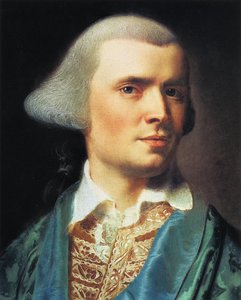
George IV by John Singleton Copley: A Royal Portrait in Neoclassicism
John Singleton Copley's "George IV," painted in 1809, stands as a monumental example of Neoclassical portraiture. This oil on canvas artwork, measuring an impressive 372 x 318 cm, captures the essence of King George IV during a period of significant political and social change in Britain. The painting is not merely a likeness; it's a carefully constructed representation of royal power, military authority, and aristocratic grandeur.
The Artist and His Style
John Singleton Copley (1738-1815) was a pivotal figure in Anglo-American art. Born in Boston, he developed his skills largely through self-study and observation. His style is characterized by meticulous attention to detail, realism, and a strong sense of composition. Copley's ability to capture the likeness and character of his subjects, combined with his mastery of light and shadow, resulted in portraits that were both technically impressive and psychologically insightful. In "George IV," these qualities are evident in the king’s commanding presence and the intricate rendering of his military uniform.
Composition and Technique
The painting's composition is vertically oriented, emphasizing the King's stature and authority. George IV is depicted on horseback, rearing slightly to convey a sense of dynamism and power. He is clad in a striking military uniform, rich with detail and color, signifying his role as commander-in-chief. Below him, a group of soldiers are portrayed, creating a visual hierarchy that reinforces the king's position at the apex of society. The background features a dramatic sky filled with billowing clouds and trees, adding depth and atmosphere to the scene. Copley’s use of oil paints allows for a remarkable level of detail and texture; visible brushstrokes contribute to a somewhat rough surface quality, enhancing the painting's realism.
Historical Context and Symbolism
Created in 1809, "George IV" reflects the political climate of the Regency era. George IV was Prince Regent at the time, ruling as his father, King George III, suffered from periods of mental illness. The painting served to project an image of strength and stability during a period of considerable social and political upheaval. Symbolically, the king's military attire represents Britain’s power and its role on the world stage. The rearing horse is a classical motif signifying energy and control. The inclusion of soldiers underscores George IV’s authority as commander of the armed forces.
Emotional Impact and Legacy
"George IV" evokes a sense of awe and respect for the monarchy. Copley's skillful rendering of the king's features conveys both confidence and a certain aloofness, reflecting his complex personality. The painting’s grandeur and scale command attention, making it a powerful statement of royal authority. Today, "George IV" remains an important historical document and a testament to Copley's artistic skill, offering viewers a glimpse into the world of 19th-century British royalty.
Q&A
George IVは手描きですか、それともプリントですか?
手描きによる制作:熟練した画家が、リネンキャンバスに油彩でGeorge IVを模写します。
George IVのサイズはどれを選べばよいですか?
原画のサイズは372 x 318 cmです。 サイズは34.2 x 29.3 cm (¥39374)から248.1 x 212.3 cm (¥309478)まで展開しております。こちらのページ内の表に、主な工程とそれぞれの価格を記載しています。
配送にはどのくらいの時間がかかりますか?
配送には4〜5週間を要し、世界中どこでも速達便にて無料でお届けいたします。また、本ページではお急ぎの方向けの特急制作オプションもご用意しております。商品は、理由を問わず100日以内であれば全額返金での返品が可能です。
George IVの原画はどこにありますか?
作品のオリジナルは、ボストンにあるボストン美術館の所蔵です。
ジョン・シングルトン・コプリーはGeorge IVの制作にどのような画材(メディア)を使用しましたか?
Oil On Canvas
 設置イメージを表示

 シェアする
 シェアする
 詳細を見る
 ガイドを表示


 ダウンロード
 似ている作品
 X線調査
 スライドショーを表示
 Q&A

 統計情報