プリント版に切り替え
 続きを読む
続きを読む







































 いずれかの辺が105 cm(約41インチ)を超えるアートワークまたは複製画の場合、フレームは分解されたキットの状態でお届けいたします。この方法は、輸送中の破損を防ぎ、安全に配送するために採用しております。


The Grandeur of Neo-Classicism: A Portrait in Power
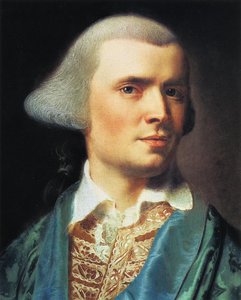
To gaze upon John Singleton Copley's Baron Graham is to step directly into the gilded drawing rooms of early nineteenth-century American aristocracy. This portrait, executed in 1804, is far more than a mere likeness; it is a carefully constructed tableau of status, ambition, and refined taste. The subject himself commands attention, presented with an air of undeniable authority. Clad in rich attire, accentuated by the regal weight of a crown upon his head and draped in a dramatic cape, he embodies the elevated social standing afforded to men of means and influence during this transformative era. Copley masterfully captures not just the man, but the very mantle of nobility that surrounded him.
Mastery in Technique and Composition
Copley’s technical brilliance shines through every meticulously rendered fold of fabric and every nuanced shadow cast across the subject's face. The oil on canvas medium allows for an astonishing depth of texture, visible in the sheen of the suit, the gravity of the sword resting at his side, and the luxurious fall of the curtain behind him. Compositionally, the arrangement is deliberate. While the Baron remains the undeniable focal point, the inclusion of two other figures subtly populates the background, lending a sense of depth and narrative context to what might otherwise be a static portrait. This careful staging elevates the work from simple documentation to an immersive scene.
Echoes of Antiquity: The Neo-Classical Influence
The style itself anchors the piece firmly within the Neo-Classicism movement, an aesthetic deeply indebted to the perceived perfection and civic virtue of ancient Greece and Rome. This artistic current favored clarity, idealized forms, and historical allusion—qualities that Copley channels here through the subject's accoutrements, particularly the crown and the formal drapery. For the modern collector or designer, this connection to classical ideals offers a timeless gravitas. It speaks of enduring values: order, history, and established societal structure.
Symbolism and Enduring Presence
Every element within Baron Graham seems imbued with symbolic weight. The sword is not merely an accessory; it suggests martial readiness or inherited duty. The crown proclaims lineage or achieved eminence. These symbols combine to create a portrait of enduring masculine power, one that transcends the fleeting fashions of its time. Owning a reproduction of this work allows one to bring home not just paint on canvas, but a palpable sense of historical weight and sophisticated narrative drama for any grand hall or distinguished study.
よくあるご質問
実物のジョン・シングルトン・コプリー作「Baron Graham」のサイズはどのくらいですか?
ジョン・シングルトン・コプリー作「Baron Graham」の記録されている寸法は119 x 145 cmです。複製画は、同じ比率を維持したまま他のサイズで注文することが可能です。
ジョン・シングルトン・コプリー作「Baron Graham」にはどのような主題が描かれていますか?
ジョン・シングルトン・コプリー作「Baron Graham」に描かれているテーマには、portrait, neo-classicism, baron graham, formal attire, crown, sword, oil on canvasなどがあります。これらが合わさることで、本作の主題を構成しています。
ジョン・シングルトン・コプリー作「Baron Graham」は、どの時代に制作されたものですか?
ジョン・シングルトン・コプリー作「Baron Graham」の制作年代はEarly Modernです。この分類により、美術史における本作の位置付けが明確になります。
More about this painting
 設置イメージを確認
 送る
送る シェア
シェア
 詳細情報
詳細情報 ガイドを表示

 画像をダウンロード
 似ている作品
 X線調査
X線調査 スライドショー
 Q&A
Q&A 統計情報
統計情報