
 設置イメージを表示
 シェアする
シェアする シェアする
シェアする
 詳細を見る
詳細を見る ガイドを表示

 ダウンロード
 似ている作品
 X線調査
X線調査 スライドショーを表示
 Q&A
Q&A 統計情報
統計情報Lady Hamilton as a Bacchante

- 38.0 x 28.0 cm


 詳細を表示
詳細を表示
ジークレー/アートプリント
スピーディーな制作と多彩な仕上げオプションが魅力の、ミュージアムクオリティなジークレー・キャンバスプリント。 ( 手描き複製画を注文する デジタル画像販売へ切り替え)




P118B ¥10

P118H ¥10

P118W ¥10

P438Z ¥10

P508JH ¥12

P508YH ¥12

P805H ¥10

P805Z ¥10

P919BZ ¥10

P919G ¥10

P919XJ ¥10

P959ZH ¥10

P968JZ ¥12

W106C ¥8

W218G ¥10

W218JH ¥8

W218Y ¥10

W307PJ ¥10

W316G ¥10

W316PJ ¥8

W316Y ¥10

W398PJ ¥8

W4111J ¥10

W500HY ¥15

W500JH ¥15

W692G ¥12

W849H ¥8

W940BG ¥15

W953PJ ¥8




作品のオリジナル比率に合わせた、当店の規定サイズからお選びください。

額縁や壁のスペースに合わせて、ご希望の幅と高さを入力してください。プリントはカットすることは可能ですが、元の画像より大きくすることはできないため、異なる比率のサイズを選択された場合は、画像の一部が欠けることになります。印刷を開始する前に、内容を確認していただくためのデジタルモックアップをお送りいたします。このページに表示されている画像は、実際のカット後の状態を示すものではありません。実際の仕上がりはモックアップにてご確認ください。


 ガラスオプションは、110cm未満のサイズでのみご利用いただけます。

Lady Hamilton as a Bacchante
ジークレー/アートプリント
複製画サイズ一覧
-


合計金額
¥ 12842
Lady Hamilton as a Bacchante: A Dance of Desire and Roman Echoes
Élisabeth Louise Vigée Le Brun’s “Lady Hamilton as a Bacchante,” painted in 1792, is more than just a portrait; it's a carefully constructed tableau vivant, brimming with theatricality, historical allusion, and the simmering intensity of a forbidden love. The painting captures Emma Hart Hamilton – later Lady Hamilton – not merely as a beautiful woman, but as a figure drawn from ancient mythology, embodying both earthly allure and ethereal grace. Le Brun, a prominent artist in the French court, skillfully employs the conventions of Neoclassicism while subtly injecting elements of Romanticism, creating an image that is simultaneously formal and deeply emotive.
The subject herself, Emma Hamilton, was a captivating figure. A former dancer and actress, she possessed a remarkable beauty and charm, which quickly caught the eye of Sir William Hamilton, the British Ambassador to Naples. Their affair became legendary, fueled by mutual admiration and a shared passion for art and culture. Le Brun’s choice to depict her as a Bacchante – a follower of Dionysus, the god of wine, revelry, and ecstasy – is profoundly symbolic. It speaks to the intoxicating nature of their relationship, suggesting a world of unrestrained pleasure and passionate abandon. The pose itself—hand raised to her chin, eyes gazing directly at the viewer—commands attention, inviting us into this private, almost illicit, scene.
The Techniques of Illusion: Mezzotint and Dramatic Lighting
“Lady Hamilton as a Bacchante” is executed in mezzotint, a printmaking technique that lends itself beautifully to capturing both subtle tonal variations and dramatic contrasts. This process, perfected by John Raphael Smith (a key figure in the painting’s creation), involved meticulously roughening a metal plate with ink, creating areas of deep blackness that would then be selectively wiped away to reveal the white paper beneath. The result is an image rich in texture and shadow, reminiscent of Rembrandt's masterful use of chiaroscuro. Smith’s engraving, which served as the basis for Le Brun’s painting, further amplified this effect, adding layers of detail and emphasizing the theatricality of the scene.
Le Brun masterfully utilizes lighting to heighten the drama. The figure is bathed in a soft, diffused light that highlights her flowing white dress and the delicate folds of her hair. This luminosity contrasts sharply with the darker background, creating a sense of depth and drawing our attention to Hamilton’s face—a study in composure and vulnerability. The careful manipulation of light and shadow not only enhances the visual impact but also contributes to the painting's overall mood of restrained passion.
Historical Context and Mythic Resonance
To fully appreciate “Lady Hamilton as a Bacchante,” it’s crucial to understand its historical context. The painting was created during the tumultuous years following the French Revolution, a period marked by political upheaval and social change. The Neoclassical style, of which Le Brun was a prominent proponent, sought to revive the ideals of ancient Greece and Rome—a deliberate reaction against the excesses of the Baroque era. By depicting Hamilton as a Bacchante, Le Brun subtly references Roman mythology, specifically the Bacchanalia – frenzied religious rites dedicated to Dionysus that were outlawed by Roman authorities.
The choice of the Bacchantes motif also reflects the broader cultural anxieties of the time. The bacchantic frenzy represented both liberation and chaos—a potent symbol for a society grappling with uncertainty and moral decay. Hamilton’s embrace of this mythological role can be interpreted as an assertion of her own agency, a defiant rejection of societal constraints.
A Legacy of Beauty and Intrigue
“Lady Hamilton as a Bacchante” remains one of the most captivating portraits of the late 18th century. It’s a testament to Le Brun's artistic skill, Smith’s masterful printmaking, and the enduring power of myth and romance. The painting continues to fascinate viewers with its blend of beauty, drama, and historical significance. Reproductions offer a remarkable opportunity to experience this iconic image firsthand, bringing its timeless allure into any setting—from grand galleries to intimate interiors.
Q&A
ジョン・ラファエル・スミス作「Lady Hamilton as a Bacchante」の複製画は、お部屋にどのような雰囲気をもたらしてくれるでしょうか?
ジョン・ラファエル・スミス作「Lady Hamilton as a Bacchante」が醸し出すRomanticな雰囲気は、おすすめの空間であるLiving Roomにぴったりです。
「Lady Hamilton as a Bacchante」の解説ページはどこにありますか?
「Lady Hamilton as a Bacchante」のガイドは、作品の解説資料ページです。このページは印刷可能なファクトシートとなっており、作品のキャプション、クレジット、および詳細情報(作家名、制作年、技法、原寸大、所蔵)をまとめてご確認いただけます。
ジョン・ラファエル・スミス作「Lady Hamilton as a Bacchante」は、どの部屋に飾るのがおすすめですか?
「Lady Hamilton as a Bacchante」の複製画は、Living Roomに美しく調和します。
作家プロフィール
光に刻まれた生涯:ジョン・ラファエル・スミスの世界
1751年にダービーで生まれたジョン・ラファエル・スミスは、ジョージアン時代後期の繁栄する英国美術界において、極めて重要な役割を果たした人物です。彼の物語は、画家、メゾティント版画家、版画商、そして次世代の芸術的巨匠たちを育んだ師としての顔を持つ、驚くべき多才さに彩られています。今日では、同時代の他の芸術家ほど広く知られていないかもしれませんが、スミスの影響力は当時の芸術的景観に深く共鳴し、数え切れないほどの芸術家たちの技術的な卓越性と審美眼を形作りました。風景画家として尊敬を集めた父トーマス・スミスの家庭という、絵画の空気に浸った幼少期は、彼の芽生えつつあった才能にとって肥沃な土壌となりました。当初は布地商人の徒弟修行を通じて実務的な基礎を学びましたが、最終的に彼の道を決定づけたのは、芸術的表現への強い衝動でした。1767年のロンドン移住が彼のキャリアの真の始まりとなり、ミニチュア肖像画による収入を補うかのように、彼は版画制作の世界へと情熱的に身を投じていったのです。メゾティントと肖像画の巨匠
スミスは、緻密な技術と芸術的ビジョンの両方を必要とする技法、メゾティント彫版の達人として瞬く間にその地位を確立しました。銅版を削り、磨き上げることで階調の変化を生み出すこのプロセスは、並外れた細部描写と情緒的な奥行きを可能にしました。ヘンリー・ベンブリッジらの作品を基にした初期の版画の成功は、すぐに彼に名声をもたらしましたが、彼の評価を決定的に固めたのはサー・ジョシュア・レノルズの作品との関わりでした。スミスの手からは40点を超えるレノルズの絵画の複製が生み出され、単なる容貌の再現にとどまらず、原画が持つ色彩や質感の繊細なニュアンスまでも捉える驚異的な能力を示しました。レノルズの様式を忠実に解釈しようとするこの献身的な姿勢は、スミスの技術的習熟を証明し、彼を当時の第一級の版画家として確立させたのです。 肖像画の枠を超え、スミスは風俗画や風刺画にも挑みました。日常の生活に捧げられた120点を含む、計400点を超える作品群には、鋭い観察眼と遊び心あふれる機知が溢れています。彼の肖像画は、特にその写実性と細部へのこだわりで高く評価され、著名な人物たちの生活を間近に覗き込むような親密な瞬間を私たちに提供しています。王室の庇護と芸術的交流
スミスの才能は、社会の最高層の人々の目に留まらないはずがありませんでした。1784年、彼はウェールズ皇太子付のメゾティント版画家という名誉ある任命を受け、芸術界における地位を確固たるものにしました。この王室の庇護は、有力者たちからの依頼への扉を開き、チャールズ・ジェームズ・フォックス、ベンジャミン・トンプソン、ウィリアム・コリングウッド中尉、カーナック夫人といった人物の鮮烈な肖像画を生み出すこととなりました。これらの作品は、身体的な類似性と心理的な深みの両方を捉えるスミスの能力を物語る証として今もなお存在しています。 彼の活動は単なる複製にとどまりませんでした。彼は抜け目のない版画商であり出版家でもあり、とりわけ急進的な作家であり芸術家でもあったウィリアム・ブレイクと協力関係にありました。この交流は、多様な芸術的声に耳を傾けるスミスの寛容さと、ロンドンの芸術界における活発な知的風土を育む彼の役割を浮き彫りにしています。とりわけ注目すべき依頼はジョン・ミルネスから寄せられたものでした。彼はスミスに対し、ジョセフ・ライト・オブ・ダービーの心に深く残る傑作『捕虜』の複製を託しました。完成した版画は、版が意図的に破壊されたため、わずか20枚という極めて限定的な刷りとなり、この類まれな作品に排他性と希少性というオーラを添えることとなりました。師弟関係によって築かれた遺産
おそらくスミスの最も永続的な遺産の一つは、彼自身の芸術的成果だけでなく、次世代の才能を育むことに捧げた献身の中にあります。彼は多作なメンターとして、後に自らの力で著名な芸術家となる数多くの弟子を訓練しました。- 彼の門下には、J.M.W. ターナー、
- チャールズ・H・ホッジス、
- ウィリアム・ワード、
- トーマス・ガーティン、
- そしてジェームズ・ワードといった巨匠たちが名を連ねていました。

ジョン・ラファエル・スミス
1752 - 1812
プロフィール概要
- Artistic Movement Or Style: ジョージア様式の芸術、メゾティント
- Artists Or Movements Influenced By This Artist:
- J.M.W. ターナー
- トーマス・ガーティン
- Artists Who Influenced This Artist:
- ヘンリー・ベンブリッジ
- ジョシュア・レノルズ
- Date Of Birth: 1752年
- Date Of Death: 1812年
- Full Name: ジョン・ラファエル・スミス
- Nationality: イギリス
- Notable Artworks:
- マスター・クルーウ(ヘンリー8世として)
- トーマス・キング・ジュニア・スミス
- コリングウッド中尉
- 捕虜
- Place Of Birth: イギリス、ダービー
関連記事

ジョン・シンガー・サージェント:至高の25選 - 美と光の肖像画の世界 | OriginalUniqueArt
ジョン・シンガー・サージェントの至高の25選。肖像画、写実主義、光と影の表現が美しい作品群を紐解きます。マダムXや少女の肖像など、時代を超えて愛される名作をOriginalUniqueArtで鑑賞。高品質なアート複製で、お部屋に美術館のような空間を。今すぐコレクションをご覧ください。

ジョン・コンスタブルの傑作25選:英国風景画の巨匠が描く自然と光の詩 | OriginalUniqueArt
ジョン・コンスタブルの傑作25選。英国風景画の巨匠が描く自然と光の詩の世界へ。ロマン主義を代表する絵画、デダム・ヴェールやヘイ・ウェインなど、OriginalUniqueArtで高品質なアートプリントをお楽しみください。インテリアに深みと感動を。コレクションはこちら。

Thomas Stuart Smith: A Study in British Impressionism & the Poetic Landscape
Explore the captivating world of Thomas Stuart Smith (1815-1869), a Scottish painter bridging Romantic realism and British Impressionism. Discover his genre scenes, philanthropic legacy & stunning interiors.

ラファエロ傑作25選:ルネサンス巨匠の物語と芸術の世界 | OriginalUniqueArt
ラファエロの傑作25選🎨 ルネサンス巨匠の物語と芸術の世界を紐解きます。美しい絵画複製や壁掛けアートで、お部屋に名画の彩りを。OriginalUniqueArt.comで、美術史に残る作品群をご覧ください✨
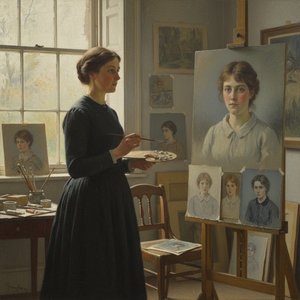
Gwen John: Intimacy, Modernity & the Quiet Power of Welsh Portraiture
Explore the captivating world of Gwen John, a pioneering Welsh artist renowned for her intimate portraits & subtle style. Discover her life, legacy, and how to bring her timeless beauty into your home with OriginalUniqueArt.