

 設置イメージを確認
 送る
送る シェア
シェア
 詳細情報
詳細情報 ガイドを表示

 画像をダウンロード
 似ている作品
 X線調査
X線調査 スライドショー
 統計情報
統計情報The Bard
 Oil On Canvas
- WallArt
- Romantic Landscape Painting
 1817
1817- 19th Century
 127.0 x 102.0 cm
 イェール英国美術館
 続きを読む
続きを読む
手描き油彩複製画
当社のアーティストが、お客様のご希望のサイズと額縁に合わせて、キャンバスに手描きで制作する油彩画です。 ( プリント版に切り替え デジタル画像販売へ切り替え)




P118B ¥10

P118H ¥10

P118W ¥10

P438Z ¥10

P508JH ¥12

P508YH ¥12

P805H ¥10

P805Z ¥10

P919BZ ¥10

P919G ¥10

P919XJ ¥10

P959ZH ¥10

P968JZ ¥12

W106C ¥8

W218G ¥10

W218JH ¥8

W218Y ¥10

W307PJ ¥10

W316G ¥10

W316PJ ¥8

W316Y ¥10

W398PJ ¥8

W4111J ¥10

W500HY ¥15

W500JH ¥15

W692G ¥12

W849H ¥8

W940BG ¥15

W953PJ ¥8




作品のオリジナル比率に合わせた、当店の規定サイズからお選びください。

フレームや壁のスペースに合わせて、ご希望の幅と高さを入力してください。本作品は手描きのため、異なる比率のサイズをご希望の場合、絵画の周囲を少し広げて描くか、あるいは端を少しカットして調整することが可能です。お客様のご要望に合わせます。制作を開始する前に、仕上がりを確認するためのデジタルモックアップをお送りいたします。このページに表示されている画像は完成品の実物ではなく、あくまでモックアップによるイメージです。
ご注文後、OriginalUniqueArt.com チームより詳細な指示をお送りするとともに、仕上がりイメージ(モックアップ)をご提供いたします。


 ガラスオプションは、110cm未満のサイズでのみご利用いただけます。

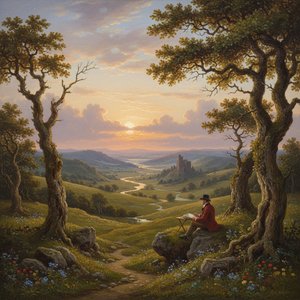
The Bard
再現技法
複製画サイズ一覧
-


合計金額
¥ 47215
A Vision of Sublime Terror and Eternal Grandeur
In the annals of Romanticism, few canvases command the eye with such visceral intensity as John Martin’s “The Bard.” Completed around 1817, this masterpiece serves as a profound window into the soul of an era obsessed with the sublime—that breathtaking intersection where beauty meets overwhelming terror. The painting does not merely depict a landscape; it orchestrates a cosmic drama. As the viewer’s gaze is drawn into the turbulent gorge, they are met with a world sculpted by elemental fury. Jagged cliffs and towering mountains loom like silent sentinels over a raging river that plunges into abyssal depths, creating a sense of vertigo that is both unsettling and deeply captivating. This is a landscape where the earth itself seems to tremble under the weight of divine or mythological significance.
At the heart of this tempestuous scene stands a solitary figure, a bard perched upon a rugged outcrop. Clad in the gravity of his role, he appears to be playing a stringed instrument—perhaps a harp—his music acting as a defiant melody against the roar of the cascading waters and the whistling winds. This figure serves as the emotional anchor of the composition, a tiny but resilient spark of human spirit amidst the vast, indifferent machinery of nature. The presence of distant, fortified structures clinging to the highest peaks suggests a lost age of heroism and myth, hinting at a world where the boundaries between the mortal and the divine are perilously thin.
Mastery of Light, Shadow, and Scale
Technically, Martin demonstrates his unparalleled command over the oil medium to achieve a sense of atmospheric depth that few of his contemporaries could replicate. His use of light is nothing short of theatrical; he employs dramatic chiaroscuro to pull the viewer’s eye through layers of mist, spray, and shadow. The color palette is a sophisticated study in contrasts, where the somber, earthy tones of the rocky terrain are pierced by the brilliant, ethereal whites of the churning foam and the shifting, turbulent clouds above. This interplay of light and dark does more than create three-dimensionality; it breathes life into the very air of the painting, making the atmosphere feel heavy with impending storm or divine revelation.
For the discerning collector or interior designer, "The Bard" offers an unparalleled opportunity to introduce a focal point of immense character. The scale of the composition—a commanding 127 x 102 cm—is designed to overwhelm and enchant. When rendered as a high-quality hand-painted reproduction, the meticulous details of Martin’s brushwork—from the minute figures of shepherds dwarfed by the landscape to the intricate textures of the weathered stone—are preserved, allowing the painting to command any room it inhabits. It is a piece that does not merely decorate a wall; it transforms an environment into a space of contemplation and awe.
Historical Resonance and Emotional Legacy
To understand "The Bard," one must look to the literary inspiration that fueled Martin’s imagination: Thomas Gray’s haunting 1817 poem of the same name. Much like Gray’s verses, which explored themes of melancholy remembrance and the fading glory of heroic ideals, Martin’s painting captures a sense of epic loss and the inexorable passage of time. The work is steeped in the cultural zeitgeist of the early 19th century, reflecting a fascination with history, mythology, and the overwhelming power of natural forces. It is an era where the progress of man was often viewed through the lens of its fragility against the backdrop of eternity.
Ultimately, the enduring appeal of this work lies in its emotional resonance. Whether one is drawn to the melancholic beauty of the landscape or the heroic defiance of the bard, the painting evokes a profound sense of wonder. It invites the viewer to contemplate their own place within the vastness of the universe. For those seeking to curate a collection that speaks to the heights of human imagination and the dramatic power of the Romantic movement, "The Bard" remains an essential, timeless acquisition—a window into a world where every shadow tells a story and every light reveals a legend.
よくあるご質問
「The Bard」は、どのアーティストの作品とされていますか?
「The Bard」はジョン・マーティンによって制作されました。このページでは、ジョン・マーティンのオリジナル作品についてご紹介しています。
ジョン・マーティン作「The Bard」 の複製画は、どこに飾るのが最適でしょうか?
ジョン・マーティン作「The Bard」のPortrait形式は、Living Roomに飾る際におすすめです。作品の形式と空間の調和が、複製画を配置する際の指針となります。
ジョン・マーティン作「The Bard」は、明るい印象の作品ですか、それとも暗い印象の作品ですか?
ジョン・マーティン作「The Bard」の視覚的な明るさはshadowです。設置する空間の光の加減に合わせて調整することが可能です。
アーティストについて
ジョン・マーティン:メロドラマ的ロマン主義の巨匠
ジョン・マーティン(1789-1854)は、その劇的な構図によってヴィクトリア朝の人々を虜にした、イギリスの著名なロマン派画家、版画家、そして挿絵画家です。1789年7月19日、ノーサンバーランド州ヘイドン・ブリッジに生まれた彼は、質素な生い立ちから、その時代の最も人気のある芸術家の一人へと登り詰めました。極小の人物たちが点在する広大な風景画、そして圧倒的なスケール感と感情を伴って描かれる聖書の場面や空想的な物語は、彼の代名詞として広く知られています。
初期の生涯と芸術的発展
マーティンの若き日は、実利的な営みに彩られていました。ニューカッスル・アポン・タインの馬車製造職人の弟子入りから始まった彼のキャリアでは、紋章画の技法を学びました。この経験が、後に彼の作品に見られる緻密な細部へのこだわりへと繋がっていくことになります。1806年、彼はロンドンへと移り住み、19歳で結婚。デッサン教室の運営や、水彩画の依頼、さらには陶磁器やガラスへの装飾画の制作を通じて自らの生計を立てていました。この時期に様々な芸術的媒体に触れたことで、彼の技術は研ぎ澄まされ、初期の作品には、後の象徴的なスタイルを予兆させるような、劇的な光と構図への探求心が芽生え始めていました。
芸術的様式と代表作
マーティンの独特な様式は、壮大なスケール、メロドラマ的な強烈さ、そして細部への執拗なまでのこだわりによって特徴づけられます。彼は『ソドムとゴモラの滅亡』や『ベルシャザルの饗宴』といった聖書の主題を、観る者の心に深く響く演劇的な華やかさをもって描き出しました。また、『ソールズベリー近郊のハーナム教会』に見られるような風景画では、静謐な田園風景を捉えながらも、同時に威厳に満たされた壮大さを維持する卓越した手腕を示しています。彼の芸術的才能を象徴する主な作品には、以下のようなものがあります。
- ソドムとゴモラの滅滅:神の報いを記念碑的に描いた作品であり、混沌と破壊を広大なスケールで表現するマーティンの技量を見せつけています。
- ベルシャザルの饗宴:劇的な光の演出と複雑な細部によって聖書の物語を描き出し、バビロンの没落を際立たせています。
- マンフレッドとアルプスの魔女:
バイロンの詩に触発されたこの作品は、文学的な物語を視覚的に見事な構図へと昇華させる彼の能力を体現しています。 - 堕天使を目覚めさせるサタン(『失楽園』より):ミルトンの叙事詩に対する力強い解釈であり、文学における劇的な場面を描き出す卓越した技術を示しています。
- パンデモニウム:地獄の首都を空想的に描いた作品で、マーティンの想像力の広がりと遠近法の習熟を証明しています。
- イグアノドンの国:
古生物画(パレオアート)の初期の例であり、当時の科学的発見への高まる関心を反映しています。
評価と遺産
ジョン・マーティンは、その生涯において多大な称賛を浴びました。1821年にはウォルター・シカートから「当代で最も人気のある画家」と評され、ロシア皇帝ニコライ1世からは金メダルを授与されました。また、ザクセン=コーブルク=ゴータ公レオポルト公からレオポルト勲章を授かり、公の歴史画家という地位も確立しました。彼の作品はナショナル・ギャラリーやテート・ギャラリーでも展示され、イギリスの芸術界における確固たる地位を築き上げました。
1854年2月17日の死後、一時的に評価が低迷した時期もありましたが、マーティンの作品は近年、再び大きな注目を集めています。今日、彼の絵画はロマン派的なドラマ、緻密なディテール、そして果てしない想像力が融合した唯一無二の存在として高く評価されています。その影響は、マーティンの劇的な風景に触発されたジェームズ・フランシス・ダンビーをはじめとする後世の芸術家たちにも受け継がれています。ジョン・マーティンは、畏怖の念を抱かせる美しさと恐ろしいほどの力に満ちた壮大な世界へと観る者を誘う人物として、イギリス美術史における重要な存在であり続けています。

ジョン・マーティン
1789 - 1854 , イギリス
アーティスト情報
- Influenced: ['ジェームズ・フランシス・ダンビー']
- Movement: ロマン主義
- Name: ジョン・マーティン
- Nationality: イギリス
関連記事

ジョン・シンガー・サージェント:至高の25選 - 美と光の肖像画の世界 | OriginalUniqueArt
ジョン・シンガー・サージェントの至高の25選。肖像画、写実主義、光と影の表現が美しい作品群を紐解きます。マダムXや少女の肖像など、時代を超えて愛される名作をOriginalUniqueArtで鑑賞。高品質なアート複製で、お部屋に美術館のような空間を。今すぐコレクションをご覧ください。
John Varley I: Intimate Observation & the British Romantic Landscape
Explore the serene landscapes of John Varley I, a key figure in British Romanticism. Discover his unique watercolour style, collaboration with William Blake & lasting artistic legacy. Learn about collecting Varley's work.

The Sublime and the Picturesque: Exploring Emotion & Nature in Romantic Landscape Painting
Explore the emotional power of Romantic landscape painting! Discover the sublime & picturesque traditions, key artists like Friedrich & Cole, and find your perfect artwork at OriginalUniqueArt.

ジョン・コンスタブルの傑作25選:英国風景画の巨匠が描く自然と光の詩 | OriginalUniqueArt
ジョン・コンスタブルの傑作25選。英国風景画の巨匠が描く自然と光の詩の世界へ。ロマン主義を代表する絵画、デダム・ヴェールやヘイ・ウェインなど、OriginalUniqueArtで高品質なアートプリントをお楽しみください。インテリアに深みと感動を。コレクションはこちら。

ロマン派ランドスケープ:時代を彩る巨匠の10選|アートとインテリアの世界
ロマン派絵画の時代を彩る10選。巨匠たちの風景が織りなす感動の世界へ。ターナー、ルーベンスなど、名作の裏話と高精細複製でアートをお部屋に。OriginalUniqueArt.comで至福のアート体験を。


